The Whispers of the Wild: A February 2026 Revelation
I stepped off the overnight train into the pre-dawn chill of what was once a cacophony of selfie sticks and bustling markets. The air, usually thick with exhaust fumes and the sweet, cloying scent of cheap perfume, was now crisp, carrying the earthy aroma of damp soil and the faint, exciting tang of pine. The only sound was the gentle rustling of leaves and, in the distance, the haunting call of a bird I hadn't heard in years. This was it. The quiet revolution. February 2026 was proving to be a game-changer, a testament to nature's resilience, and I was here to witness it firsthand.
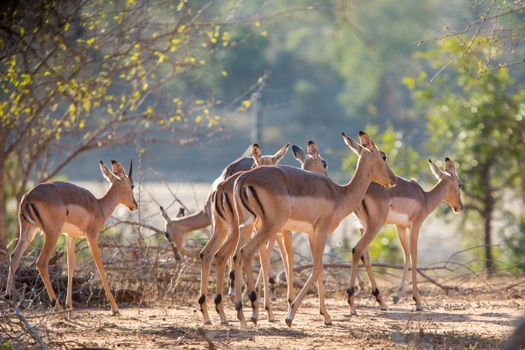
For years, we’ve flocked to the same iconic locations, leaving our footprints – and our waste – on fragile ecosystems. But something has shifted. A global awakening, perhaps, or simply the undeniable power of nature to reclaim its space when given the chance. This February, as the world’s travel patterns continue to evolve, a remarkable phenomenon is unfolding: wildlife is returning to former tourist hotspots, transforming them into vibrant sanctuaries once more. Forget the curated safari parks; the real magic is happening where we least expect it.
Section 1: The Unexpected Sanctuary of the Amalfi Coast
H2: From Limoncello to Lynx: Italy's Coastal Comeback
The Amalfi Coast. For decades, a postcard-perfect vision of sun-drenched villas, winding cliffside roads, and the irresistible allure of limoncello. Now, imagine this: the scent of wild rosemary mingling with the salty sea air, the distant bleating of sheep echoing through silent valleys, and the fleeting glimpse of a shy lynx disappearing into the maquis. It sounds like a dream, but in February 2026, it’s a tangible reality.
H3: Pro-Tips for the Ambitious Explorer
- Sunrise Serenity: Visit the Path of the Gods (Sentiero degli Dei) at dawn. The golden light illuminating the Tyrrhenian Sea is breathtaking, and you're more likely to spot wild boar and perhaps even a red fox before the day-trippers arrive.
- Hidden Trails: Seek out the less-trodden paths around Ravello. Local guides can lead you to ancient mule tracks where the silence is profound, and the chances of spotting reintroduced fallow deer are significantly higher.
- Local Flavors, Local Secrets: Dine at trattorias away from the main piazzas. Ask about local foraging. I discovered a tiny spot in Agerola where the owner proudly served me a simple pasta dish elevated by wild asparagus he’d gathered that morning. It tasted of pure, unadulterated nature.
H3: The Logistics of the Lush Coast
The Amalfi Coast in February offers a welcome respite from the summer throngs. The weather is mild, perfect for hiking, and accommodation prices are significantly lower.
Quick Facts: Amalfi Coast Wildlife Revival
| Aspect | Details | Estimated Cost ($) |
| :------------- | :------------------------------------------------ | :----------------- |
| Best Time | February (mild weather, fewer crowds) | $150-$300 per day |
| How to Get There | Fly into Naples (NAP), then train/bus/ferry. | - |
| Wildlife Focus | Wild boar, red fox, fallow deer, various bird species. | - |
| Accommodation | Boutique hotels, agriturismos. | $100-$250 per night|
| Activities | Hiking, birdwatching, scenic drives. | $50-$150 per day |
Section 2: The Emerald Embrace of Kyoto's Forests
H2: Bamboo Groves and Beyond: Japan's Serene Resurgence
Kyoto. A city synonymous with ancient temples, vibrant geisha districts, and meticulously sculpted gardens. But venture just beyond the iconic Arashiyama Bamboo Grove, and you'll find a different kind of magic unfolding in February 2026. The whispers of the wind through the towering bamboo are now joined by the chirping of species that had long been pushed to the fringes.
H3: Insider Insights for the Zen Seeker
- Beyond the Grove: Explore the lesser-known trails of the Kitayama Mountains. While Arashiyama is still beautiful, the true spectacle lies in the quieter paths where wild macaques are more relaxed and you might even catch a glimpse of a Japanese serow.
- Temple Tranquility: Visit smaller, less-visited temples on the outskirts of the city. Places like Kōzan-ji, with its moss-covered grounds, often attract shy woodland creatures in the early morning.
- The Art of Observation: Learn a few basic Japanese phrases for nature. Asking locals about "shizen" (nature) or "dōbutsu" (animals) can lead to surprising encounters and recommendations. I was directed to a hidden stream where I watched tiny Japanese salamanders darting between pebbles.
H3: Navigating Nature's New Kyoto
February in Kyoto is cool and crisp, offering a serene atmosphere perfect for contemplative exploration. The crowds are significantly thinner, allowing for a more intimate experience with nature.
Quick Facts: Kyoto Wildlife Reawakening
| Aspect | Details | Estimated Cost ($) |
| :------------- | :------------------------------------------------ | :----------------- |
| Best Time | February (crisp air, fewer tourists) | $180-$350 per day |
| How to Get There | Fly into Kansai International Airport (KIX), then Shinkansen. | - |
| Wildlife Focus | Japanese macaques, Japanese serow, various bird species, Japanese salamanders. | - |
| Accommodation | Traditional ryokans, modern hotels. | $120-$300 per night|
| Activities | Hiking, temple visits, forest bathing, wildlife spotting. | $60-$180 per day |
Section 3: The Untamed Heart of Banff National Park
H2: Rockies Reclaimed: Canada's Majestic Return
Banff. A name that conjures images of turquoise lakes, snow-capped peaks, and abundant wildlife. While it has always been a wildlife haven, February 2026 sees a subtle but significant shift. The human footprint has lessened, allowing for more undisturbed moments with the park's magnificent inhabitants. The silence of winter amplifies the presence of the wild.
H3: Pro-Tips for the True Adventurer
- Early Bird Gets the Elk: Head to the Bow Valley Parkway before 8 AM. You’re almost guaranteed to see herds of elk grazing peacefully. The soft morning light is also spectacular.
- Ice Walks and Insight: Join a guided ice walk on Johnston Canyon. The frozen waterfalls are stunning, and your guide will point out signs of pika and marmot activity, often visible even in winter.
- The Secret Hot Springs: Skip the crowded Banff Upper Hot Springs and seek out the Medicine Lake area. While not officially developed, the surrounding wilderness is incredibly active, with frequent wolf and coyote sightings reported by locals in February.
H3: Planning Your Winter Wilderness Escape
February in Banff is peak winter. Expect snow, cold temperatures, and a breathtakingly beautiful, quiet landscape. It's ideal for those who embrace the chill and seek true wilderness.
Quick Facts: Banff Wildlife Flourishing
| Aspect | Details | Estimated Cost ($) |
| :------------- | :------------------------------------------------ | :----------------- |
| Best Time | February (winter wonderland, fewer crowds) | $200-$400 per day |
| How to Get There | Fly into Calgary International Airport (YYC), then drive. | - |
| Wildlife Focus | Elk, deer, bighorn sheep, wolves, coyotes, bears (hibernating but signs visible). | - |
| Accommodation | Lodges, cabins, hotels. | $150-$350 per night|
| Activities | Snowshoeing, ice skating, wildlife viewing, scenic drives. | $70-$200 per day |
Section 4: The Mystical Shores of Costa Rica's Osa Peninsula
H2: Rainforest Rhapsody: A Biodiversity Boom
The Osa Peninsula. Often called "the most biologically intense place on Earth," this remote corner of Costa Rica has always been a wildlife paradise. But in February 2026, with a slight dip in tourism numbers and a renewed focus on conservation, its magic feels even more potent. The air hums with life, a symphony of calls and rustles that feels profoundly ancient.
H3: Unlocking the Peninsula's Secrets
- Corcovado's Quiet Corners: Hire a local guide for Corcovado National Park. They know the best times and lesser-trafficked trails to spot tapirs, scarlet macaws, and even elusive jaguars. Pro-tip: The trails near Sirena Ranger Station are often less busy in the early afternoon.
- Mangrove Marvels: Take a kayak tour through the Sierpe River mangroves. This often-overlooked ecosystem is teeming with marine life, monkeys, and a dazzling array of bird species. The stillness of the mangroves allows for incredibly close encounters.
- The Taste of the Tropics: Visit a local 'soda' (small diner) for 'casado'. This traditional plate of rice, beans, plantains, salad, and your choice of meat or fish is a delicious and affordable way to support local communities, and often comes with stories of recent wildlife sightings.
H3: Embracing the Tropical Embrace
February falls within Costa Rica's dry season, offering sunny days perfect for exploring the rainforest and coastlines. While still popular, it’s less crowded than peak months.
Quick Facts: Osa Peninsula Biodiversity Surge
| Aspect | Details | Estimated Cost ($) |
| :------------- | :------------------------------------------------ | :----------------- |
| Best Time | February (dry season, good for wildlife viewing) | $200-$450 per day |
| How to Get There | Fly into San José (SJO), then domestic flight to Drake Bay or Puerto Jiménez. | - |
| Wildlife Focus | Jaguars, tapirs, scarlet macaws, monkeys, sloths, sea turtles, whales (seasonal). | - |
| Accommodation | Eco-lodges, rustic cabins. | $150-$400 per night|
| Activities | Hiking, birdwatching, kayaking, boat tours, wildlife photography. | $80-$250 per day |
Section 5: The Resurgent Sands of the Serengeti
H2: Migration Magic: Africa's Enduring Spectacle
The Serengeti. A name that ignites the imagination with visions of vast plains and epic migrations. While always a top destination, February 2026 offers a unique opportunity to witness this natural wonder with a more refined, less intrusive experience. The herds are vast, the predators are active, and the sheer scale of life is humbling.
H3: Unforgettable Safari Insights
- The Great Migration: Focus on the Western Corridor or Grumeti River area in February. This is often a prime location for the migration herds during this time, offering incredible predator-prey interactions without the density of crowds found elsewhere.
- Beyond the Game Drive: Consider a hot air balloon safari at sunrise. It's a splurge, but the panoramic views of the awakening plains and the sheer number of animals below are unparalleled and incredibly peaceful.
- The Local Guide's Wisdom: Build rapport with your safari guide. They are the keepers of the land and can point out the subtle signs of animal presence – a disturbed patch of grass, a distant dust plume – leading to unforgettable, unscripted encounters. I learned about the intricate social structures of hyenas from a guide whose family had lived in the region for generations.
H3: Planning Your Serengeti Sojourn
February is part of the Serengeti's wet season, which means fewer tourists, lush green landscapes, and excellent opportunities to witness the Great Migration. Expect occasional rain showers, but they usually don't last long.
Quick Facts: Serengeti's Wild Heartbeat
| Aspect | Details | Estimated Cost ($) |
| :------------- | :------------------------------------------------ | :----------------- |
| Best Time | February (wet season, migration, fewer crowds) | $300-$600+ per day |
| How to Get There | Fly into Kilimanjaro International Airport (JRO) or Arusha Airport (ARK), then light aircraft transfer. | - |
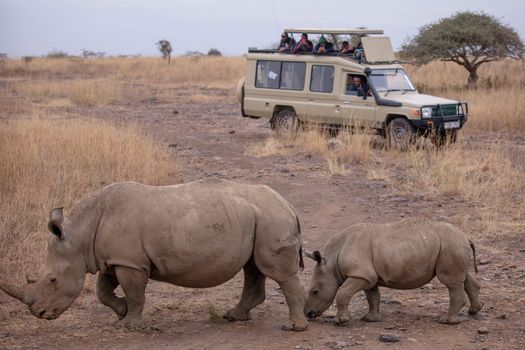
| Wildlife Focus | Great Migration (wildebeest, zebras), lions, cheetahs, leopards, elephants, rhinos. | - |
| Accommodation | Luxury tented camps, lodges. | $250-$700+ per night|
| Activities | Game drives, hot air balloon safaris, walking safaris. | $100-$500+ per day |
The Future is Wild: Embracing Responsible Travel
The return of wildlife to these once-overrun destinations isn't just a fleeting trend; it's a powerful signal. It's a call to action for us, as travelers, to tread lighter, to seek out authentic experiences, and to prioritize destinations that are actively working towards conservation. In February 2026, the world is offering us a glimpse of what can be when we respect the wild. These aren't just trips; they are pilgrimages to a more balanced planet.
So, as you plan your next adventure, consider these places. Go with an open heart and a keen eye. Listen to the whispers of the wild. They have stories to tell, and in February 2026, they are finally being heard.