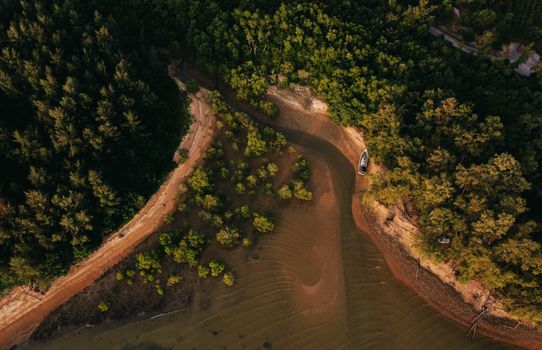
My First Breath of Wild Air: A February 2026 Rewilding Revelation
I stepped off the train and the first thing that hit me wasn't the chill of February, but a symphony of sounds I hadn't realized I'd been missing. The sharp cry of a curlew, the rustle of wind through newly planted saplings, and the distant, almost primal, grunt of a wild boar. It was February 2026, and I was standing on the cusp of something truly transformative – a rewilding project breathing life back into a landscape that had, for too long, been silent. The air itself felt cleaner, laced with the damp, earthy scent of peat and the promise of new growth. This wasn't just a trip; it was a pilgrimage to witness nature reclaiming its throne.
The Urgent Call of the Wild: Why Rewilding Matters Now More Than Ever
We're at a critical juncture. The planet is whispering, sometimes shouting, for us to change our ways. Rewilding isn't just about planting trees or releasing a few animals; it's a radical, holistic approach to restoring ecosystems to their natural, self-sustaining state. It's about letting nature do the heavy lifting, creating resilient landscapes that can absorb carbon, support biodiversity, and ultimately, help us weather the storms of climate change. And the best part? You can be a part of it, right now, in February 2026.
My Top Picks: Rewilding Projects You Can Actually Visit and Support This February
Forget the crowded ski slopes or the predictable beach resorts. This February, immerse yourself in the raw beauty of rewilding. I’ve scoured the globe for projects that not only offer incredible experiences but also genuinely benefit from your visit and support.
1. The Scottish Highlands: Re-Greening the Cairngorms
The Hook:
Imagine vast, open moorlands, once scarred by overgrazing, now dotted with the vibrant green of young birch and the hardy resilience of native grasses. This is the Cairngorms Connect Landscape Partnership, a monumental effort to restore one of Europe's most precious wild places.
The Experience:
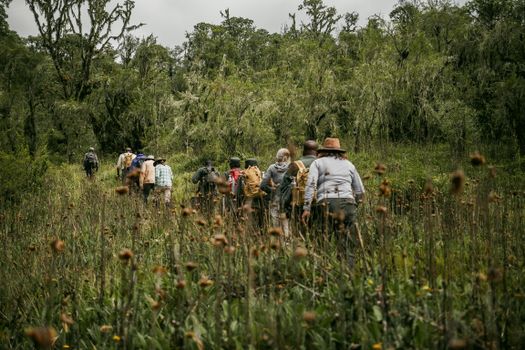
February in the Cairngorms is crisp and invigorating. While snow might dust the higher peaks, the valleys come alive with a quiet, determined energy. You can join guided walks led by passionate conservationists who’ll point out the subtle signs of returning wildlife – the tracks of red squirrels, the calls of territorial birds. For the truly hands-on, there are opportunities to participate in tree planting, peatland restoration, and even wildlife monitoring.
Pro-Tips:
* Best time to visit: Early February offers the best chance for crisp, clear days and fewer visitors.
* What to pack: Layers are key! Waterproofs, sturdy hiking boots, a warm hat, and gloves are non-negotiable.
* The insider scoop: Look for guided "Rewilding Walks" offered by local eco-tourism operators. They often take you to areas not accessible to the general public.
Quick Facts: Cairngorms Connect
| Category | Details |
| :---------------- | :---------------------------------------------- |
| Estimated Cost ($) | £100-£300 per day (for guided tours/lodging) |
| Best Time to Visit | February (for a wild, quiet experience) |
| How to Get There | Fly into Inverness (INV) or Edinburgh (EDI), then train/car rental. |
| Support Options | Direct donations, volunteer days, eco-tourism packages. |
2. The Iberian Peninsula: Portugal's Wild Heartbeat in the Guadiana Valley
The Hook:
Picture sun-drenched hillsides, ancient cork oak forests, and the thrilling possibility of spotting the elusive Iberian lynx. LPN (Liga para a Proteção da Natureza) is actively working to restore habitats in the Guadiana Valley, creating a vital corridor for this endangered feline and countless other species.
The Experience:
February here offers a milder escape from the northern chill. The air is scented with wild herbs, and the landscapes are a tapestry of muted greens and earthy browns. Many eco-lodges in the region are deeply integrated with rewilding efforts. You can opt for guided nature drives, participate in camera trap surveys (if available), or simply hike through restored woodlands, listening to the chatter of Iberian magpies and the distant bleating of wild sheep.
Pro-Tips:
* Don't miss: The local cuisine! Try the açorda Alentejana, a hearty bread soup, and pair it with a robust Alentejo wine.
* Hidden gem: Seek out small, family-run herdades (estates) that are committed to sustainable practices. They often offer the most authentic experiences.
* Lynx luck: While sightings are rare, visiting during February increases your chances as animals are more active in cooler weather.
Quick Facts: Guadiana Valley Rewilding
| Category | Details |
| :---------------- | :---------------------------------------------- |
| Estimated Cost ($) | $150-$400 per day (eco-lodge/guided tours) |
| Best Time to Visit | February (milder climate, active wildlife) |
| How to Get There | Fly into Faro (FAO) or Lisbon (LIS), then car rental. |
| Support Options | Stay at partner eco-lodges, book guided tours, donate to LPN. |
3. Eastern Europe's Wilderness: Romania's Carpathian Mountains & the Bison Reintroduction
The Hook:
Imagine ancient forests stretching as far as the eye can see, punctuated by the majestic presence of the European bison. Projects like those managed by WWF Romania are bringing these magnificent creatures back to their ancestral home in the Southern Carpathians, a vital step in restoring the health of these vast, wild landscapes.
The Experience:
February in the Carpathians is pure winter magic. Snow-laden trees create a hushed, ethereal beauty. Guided expeditions into the rewilding zones offer a chance to track bison (from a safe distance, of course!), learn about forest ecology, and understand the challenges and triumphs of reintroduction programs. You might even spot wolves or bears on their winter patrols.
Pro-Tips:
* For the brave: Consider a stay in a traditional mountain cabin. The silence and the stars are unparalleled.
* Local flavor: Sample sarmale (cabbage rolls) and mămăligă (polenta) – hearty dishes perfect for a cold February day.
* Respect the giants: Always follow your guide's instructions when in bison territory. These are wild animals, and their safety (and yours) is paramount.
Quick Facts: Carpathian Bison Reintroduction
| Category | Details |
| :---------------- | :---------------------------------------------- |
| Estimated Cost ($) | $120-$350 per day (guided tours/guesthouses) |
| Best Time to Visit | February (snowy landscapes, active wildlife) |
| How to Get There | Fly into Bucharest (OTP), then train/car rental. |
| Support Options | Book tours with conservation-focused operators, donate to WWF Romania. |
4. North America's Coastal Dreams: California's Channel Islands Marine Sanctuary
The Hook:
Dive into the vibrant, underwater world of the Channel Islands National Marine Sanctuary, a 'Galapagos of North America'. Organizations like the Channel Islands Marine & Wildlife Institute are working tirelessly to protect and restore this incredible marine ecosystem, from the iconic island fox to the kelp forests teeming with life.
The Experience:
While February isn't prime whale-watching season, it’s an excellent time for exploring the islands themselves. The weather is typically mild and less crowded. Kayak through sea caves, hike to dramatic cliff viewpoints, and learn about the crucial work being done to protect the native island fox. Snorkeling and diving tours are still possible, offering glimpses of seals, sea lions, and a kaleidoscope of fish.
Pro-Tips:
* Island hopping: Consider visiting Santa Cruz or Santa Rosa Island for diverse ecosystems and hiking trails.
* The subtle beauty: Notice the unique adaptations of the island fox – smaller size and darker fur. It's a testament to evolution in isolation.
* Seafood savviness: If you dine locally, choose sustainable seafood options. Your choices directly impact marine health.
Quick Facts: Channel Islands Marine Sanctuary
| Category | Details |
| :---------------- | :---------------------------------------------- |
| Estimated Cost ($) | $200-$500 per day (ferry, lodging, tours) |
| Best Time to Visit | February (mild weather, fewer crowds) |
| How to Get There | Fly into Los Angeles (LAX) or Burbank (BUR), then drive to Ventura or Oxnard for ferry. |
| Support Options | Donate to CIMWI, participate in citizen science programs, choose eco-friendly tour operators. |
5. The Heart of Australia: Kangaroo Island's Resilience and Recovery
The Hook:
Witness a land reborn. Following devastating bushfires, Kangaroo Island is a powerful testament to nature's resilience. Projects focused on native flora and fauna, supported by organizations like the Kangaroo Island Land for Wildlife, are helping this unique ecosystem bounce back stronger than ever.
The Experience:
February on Kangaroo Island is warm and inviting. While the scars of the fires are visible, so is the incredible regrowth. Join guided walks through recovering bushland, observe kangaroos and wallabies in their natural habitat, and learn about the ongoing efforts to protect vulnerable species like the glossy black-cockatoo. Visiting here directly supports local communities and conservation initiatives.
Pro-Tips:
* Must-see: Seal Bay Conservation Park to see Australian sea lions up close.
* Local produce: Sample the island's famous Ligurian honey and fresh seafood.
* Empathy in action: Understand that while recovery is happening, some areas may still be impacted. Be respectful of the environment and its inhabitants.
Quick Facts: Kangaroo Island Recovery
| Category | Details |
| :---------------- | :---------------------------------------------- |
| Estimated Cost ($) | $250-$550 per day (flights, ferry, lodging, tours) |
| Best Time to Visit | February (warm weather, active wildlife) |
| How to Get There | Fly into Adelaide (ADL), then flight to KI or ferry from Cape Jervis. |
| Support Options | Donate to Kangaroo Island Land for Wildlife, stay at eco-accredited accommodations, buy local produce. |
Beyond the Visit: How You Can Contribute from Afar
Your journey doesn't have to end when you return home. Many rewilding projects rely on ongoing support.
- Donate: Even a small contribution can make a significant difference.
- Spread the Word: Share your experiences on social media, tell your friends, and advocate for rewilding.
- Choose Sustainable: When you travel, opt for eco-certified accommodations and tour operators.
- Citizen Science: Many projects offer remote citizen science opportunities.
The Future is Wild: Your February 2026 Adventure
This February, trade the ordinary for the extraordinary. Step into a world where nature is taking the lead, and where your presence makes a genuine difference. These rewilding projects are not just destinations; they are living, breathing examples of hope and resilience. Go, explore, support, and be inspired. The wild is calling.
---