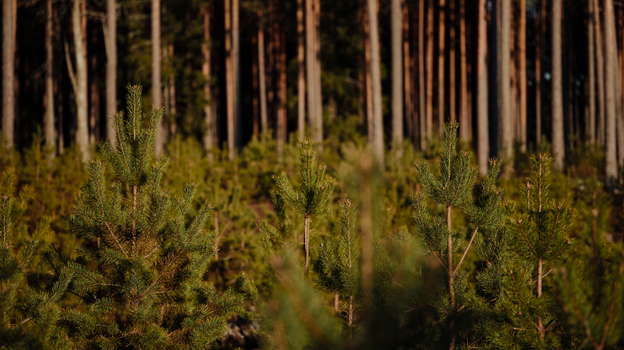
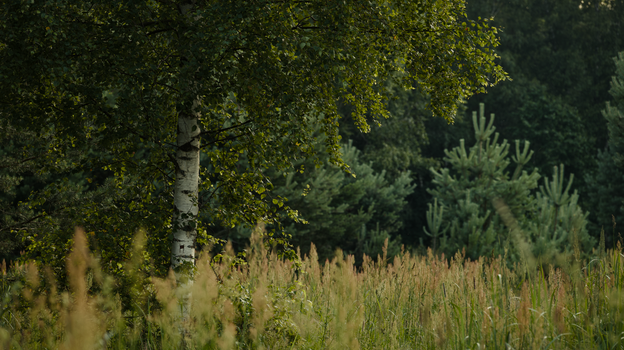
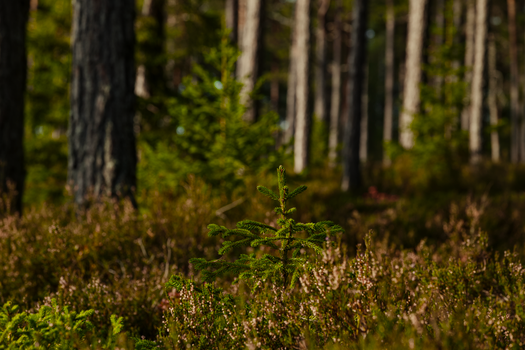
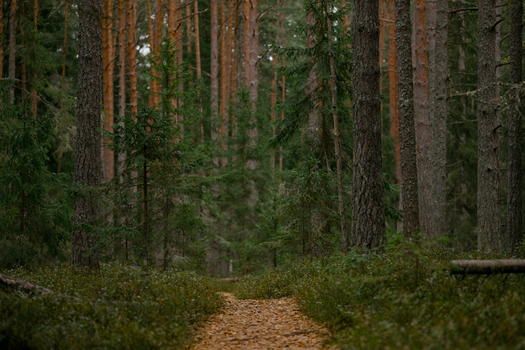
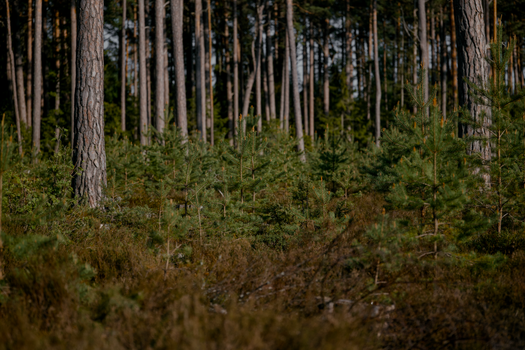
The air, crisp and carrying the faint, earthy scent of damp soil and pine needles, hit me the moment I stepped off the tiny ferry. A symphony of unseen birdsong, punctuated by the distant, almost primal bleating of sheep, filled the silence. This wasn't just a walk in the woods; it was an immersion, a tangible feeling of stepping back in time, or rather, stepping forward into a wilder future. I’d arrived at Knepp Estate, a pioneer in rewilding, and the feeling was electric. February 2026 is shaping up to be the month for reconnecting with the raw power of nature, and I’ve scouted out the most impactful rewilding projects you can visit and support.
The March of the Wild: Why Rewilding Matters Now
Rewilding isn't just about planting trees. It’s a bold, ambitious approach to conservation that aims to restore natural processes and ecosystems, allowing nature to take the lead. Think of it as giving the planet a much-needed reboot. Instead of meticulously managing every species, rewilding allows natural dynamics – grazing, predation, and natural succession – to shape the landscape. This creates resilient, biodiverse habitats that can adapt to a changing climate. And the best part? You can be a part of it.
Your February 2026 Adventure Awaits
While many destinations hibernate in February, the wild is very much awake. For rewilding projects, this is often a prime time for observation, for seeing the bones of the land before the explosion of spring, and for supporting the crucial behind-the-scenes work. I’ve hand-picked a few gems that offer incredible experiences and a genuine opportunity to contribute.
1. Knepp Estate, UK: The Groundbreaking Pioneer
Stepping onto Knepp is like entering a living, breathing documentary. Once intensively farmed, this Sussex haven is now a testament to nature's resilience. My first impression was the sheer sound of it all – a cacophony of insects buzzing, birds chirping with an intensity I’d never heard before, and the rustle of unseen creatures in the dense scrub.
What to Expect:
* Exmoor Ponies & Longhorn Cattle: These magnificent herbivores are the architects of the landscape, their grazing creating diverse habitats. Seeing them roam freely, their breath misting in the February air, is a humbling experience.
* Stunning Birdlife: Knepp is a birdwatcher's paradise. February is a great time to spot wintering species and witness the territorial displays of resident birds. Keep an eye out for nightingales, turtle doves, and peregrine falcons.
* Ancient Woodlands: Explore ancient oak woodlands that are slowly being reclaimed by nature, with a rich undergrowth of brambles and hawthorn.
Pro-Tips:
* Guided Safaris: Book a guided safari. The guides are incredibly knowledgeable and will point out subtle signs of life and explain the rewilding process in detail. My guide, a local who’d witnessed the transformation firsthand, shared stories that brought the landscape to life.
* Early Morning Walks: The light in February can be magical. Aim for an early morning walk to catch the mist rising and potentially see more active wildlife.
* Pack Layers: English weather in February is famously unpredictable. Be prepared for sunshine, rain, and everything in between.
Quick Facts: Knepp Estate
| Category | Details | Estimated Cost ($) |
| :---------------- | :---------------------------------------- | :----------------- |
| Accommodation | On-site eco-lodges, glamping pods, local B&Bs | $150 - $300/night |
| Activities | Guided safaris, birdwatching tours | $50 - $100/person |
| Best Time to Visit (General) | Spring (for bird song), Summer (for insects) | - |
| Best Time to Visit (February Focus) | Wildlife observation, experiencing the 'bones' of the land | - |
| How to Get There | Train to Haywards Heath, then taxi/pre-booked transfer | Train: $50-$100 (return) |
2. Oostvaardersplassen, Netherlands: The Wild Heart of Europe
Imagine vast, open plains where herds of wild horses and Konik ponies thunder across the landscape, their manes flying. This is Oostvaardersplassen, a rewilding project in the Flevopolder, the Netherlands, that has become a symbol of large-scale ecological restoration. Visiting in February allows you to witness the raw power and resilience of these animals against a starkly beautiful backdrop.
What to Expect:
* Large Herbivore Herds: The stars of the show are the wild horses, Konik ponies, and Heck cattle. Witnessing these animals in their natural social structures is a powerful experience.
* Wetland Ecosystems: This area is a crucial breeding ground for waterfowl and a vital stopover for migrating birds. February can offer excellent opportunities for birdwatching, especially around the wetter areas.
* Expansive Landscapes: The sheer scale of the plains, dotted with skeletal trees and reeds, creates a dramatic and almost prehistoric atmosphere.
Pro-Tips:
* Visitor Centre De Trekvogel: Start at the visitor center. They have excellent viewing platforms and often provide up-to-date information on animal sightings.
* Binoculars are a MUST: The animals can be quite distant. High-quality binoculars are essential for truly appreciating the herds.
* Respect the Wildlife: Maintain a safe distance. These are wild animals, and their well-being is paramount. The project is designed for minimal human interference.
Quick Facts: Oostvaardersplassen
| Category | Details | Estimated Cost ($) |
| :---------------- | :----------------------------------------- | :----------------- |
| Accommodation | Hotels in nearby Lelystad or Almere | $100 - $200/night |
| Activities | Self-guided exploration, birdwatching | Free |
| Best Time to Visit (General) | Spring (nesting birds), Autumn (migratory birds) | - |
| Best Time to Visit (February Focus) | Observing large herbivores, stark winter landscapes | - |
| How to Get There | Train to Lelystad, then bus or taxi | Train: $60-$120 (return) |
3. Alladale Wilderness Reserve, Scotland: Reclaiming the Highlands
The Scottish Highlands possess a wild, untamed beauty that has always captivated me. Alladale Wilderness Reserve is on a mission to bring back the ancient Caledonian forest and its iconic inhabitants. February here means crisp air, dramatic mountain vistas, and the chance to see red deer against a snow-dusted landscape.
What to Expect:
* Stunning Highland Scenery: Majestic glens, rolling hills, and the promise of returning ancient woodland. The stark beauty of the Highlands in winter is unparalleled.
* Red Deer: Witnessing herds of red deer, the largest native land mammal, is a highlight. They are perfectly adapted to this rugged terrain.
* Reforestation Efforts: Learn about the ambitious tree-planting program and the return of species like the Scottish wildcat and golden eagle.
Pro-Tips:
* Join a Wilderness Experience: Alladale offers guided walks, wildlife tracking, and even opportunities to participate in tree planting. Their guides are passionate custodians of the land.
* Embrace the Weather: February in the Highlands can be wild. Pack for cold, wind, and snow. A bracing walk in the crisp air is invigorating.
* Look for the Cairngorms: If conditions allow, the proximity to the Cairngorms National Park offers even more wild landscapes to explore.
Quick Facts: Alladale Wilderness Reserve
| Category | Details | Estimated Cost ($) |
| :---------------- | :------------------------------------------ | :----------------- |
| Accommodation | Luxury lodges, self-catering cottages | $250 - $600+/night |
| Activities | Guided walks, wildlife safaris, tree planting | $100 - $250/person |
| Best Time to Visit (General) | Summer (hiking), Autumn (colours) | - |
| Best Time to Visit (February Focus) | Dramatic landscapes, wildlife spotting, experiencing the elements | - |
| How to Get There | Train to Inverness, then private transfer/rental car | Train: $80-$150 (return) |
4. The Yellowstone to Yukon Conservation Initiative (Y2Y): A Transboundary Vision
This isn't a single park you can visit for a weekend, but a monumental vision for connecting and protecting wild places across the Rocky Mountains, from Yellowstone in the US to the Yukon in Canada. While you can't 'visit' the initiative itself, you can visit the places it protects and support its work. February offers a unique perspective on these wild corridors.
What to Expect:
* Vast Wilderness: Think snow-covered peaks, frozen rivers, and the chance to see iconic North American wildlife like wolves, bears, elk, and bighorn sheep in their natural, expansive habitats.
* Winter Wildlife Viewing: February can be an excellent time for spotting certain animals, as they often congregate around food sources or are more visible against the snow.
* Understanding Connectivity: Visiting areas that are part of the Y2Y corridor helps you understand the critical importance of landscape connectivity for wildlife.
Pro-Tips:
* Choose a Gateway Park/Area: Focus on visiting areas within the Y2Y corridor. Consider Banff and Jasper National Parks (Canada) or Yellowstone and Grand Teton National Parks (USA).
* Winter Guided Tours: Many areas offer specialized winter tours focusing on wildlife tracking and photography. These guides are invaluable for safe and rewarding experiences.
* Support Y2Y Directly: Even if you can't visit in February, consider donating to the Y2Y initiative. Your support helps fund critical research, advocacy, and land protection efforts.
Quick Facts: Y2Y Gateway Areas (e.g., Banff NP, Canada)
| Category | Details | Estimated Cost ($) |
| :---------------- | :----------------------------------------- | :----------------- |
| Accommodation | Hotels, cabins, lodges | $150 - $400+/night |
| Activities | Snowshoeing, cross-country skiing, wildlife tours | $75 - $150/person |
| Best Time to Visit (General) | Summer (hiking), Autumn (colours) | - |
| Best Time to Visit (February Focus) | Winter wildlife, dramatic snowy landscapes | - |
| How to Get There | Flights to Calgary (for Banff), then shuttle/rental car | Flights: $400-$800 (return) |
5. The Knepp Rewilding Experience (Portugal): A Mediterranean Twist
Expanding its groundbreaking work, Knepp has partnered with a project in Portugal, demonstrating that rewilding principles can be applied to diverse climates. While perhaps less established than its UK counterpart, this project offers a chance to support rewilding in a Mediterranean context. February here means milder weather and a different kind of awakening.
What to Expect:
* Mediterranean Flora and Fauna: Discover how rewilding principles can foster biodiversity in drier, sunnier landscapes. Expect different bird species and a unique plant palette.
* Community Engagement: Projects like this often involve local communities, offering insights into how rewilding can benefit people as well as nature.
* A Different Pace of Nature: Experience the subtle signs of life returning to the land after the drier summer months.
Pro-Tips:
* Check for Guided Tours: As this is a developing project, availability of organized tours might vary. Reach out directly to inquire about visiting opportunities.
* Embrace the Local Culture: If visiting, take time to explore nearby villages and sample local cuisine. The connection between people and land is often deeply intertwined.
* Focus on Observation: February might be a time for quiet observation, watching for the first signs of spring and understanding the foundational work being done.
Quick Facts: Knepp Rewilding Experience (Portugal - Specific details may vary as project evolves)
| Category | Details | Estimated Cost ($) |
| :---------------- | :----------------------------------------- | :----------------- |
| Accommodation | Local guesthouses, rural retreats | $80 - $150/night |
| Activities | Guided walks (if available), nature observation | Variable |
| Best Time to Visit (General) | Spring (wildflowers), Autumn (milder weather) | - |
| Best Time to Visit (February Focus) | Milder weather, supporting nascent rewilding | - |
| How to Get There | Flights to Lisbon or Faro, then rental car/bus | Flights: $300-$600 (return) |
Making Your Visit Count: Beyond Observation
Supporting rewilding projects goes beyond simply paying an entrance fee. Your choices as a traveler can have a profound impact.
- Choose Eco-Conscious Accommodation: Opt for lodges and hotels that are actively involved in or support local conservation efforts.
- Participate in Citizen Science: Some projects offer opportunities to help with data collection, such as bird counts or camera trap monitoring.
- Volunteer: If you have more time, consider longer volunteer placements. This is an incredible way to get hands-on experience.
- Spread the Word: Share your experiences on social media, write blog posts, and talk to friends and family about the importance of rewilding. Your advocacy matters.
- Direct Donations: If visiting isn't feasible, consider making a direct donation to the rewilding organizations. Every contribution helps fund crucial work.
The Future is Wild, and You Can Be Part of It
February 2026 presents a unique opportunity to witness nature’s powerful comeback. These rewilding projects aren’t just tourist destinations; they are living laboratories, vital havens for biodiversity, and beacons of hope for a healthier planet. By choosing to visit and support them, you’re not just embarking on an unforgettable adventure – you’re actively contributing to a wilder, more resilient future. So, pack your sense of wonder, your warmest layers, and get ready to experience the magic of rewilding.