The Roar of the Wild, The Whisper of Hope: My Journey into Conservation Tourism's New Frontier
I stepped off the rickety bush plane, the scent of damp earth and something wild, something ancient, filling my lungs. The air hummed with the unseen chorus of insects, a symphony of life that felt both exhilarating and profoundly fragile. This wasn't just a vacation; it was an immersion. This year, the travel landscape is shifting, and I’m thrilled to guide you to the destinations where tourism isn't just about seeing, but about doing – where every dollar spent ripples outwards, funding vital conservation efforts. These are the places where your wanderlust becomes a force for good.
1. The Emerald Heartbeat: Costa Rica's Reimagined Rainforests
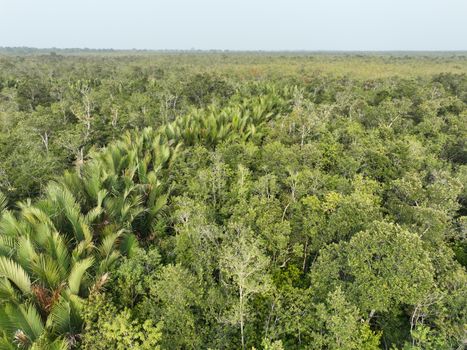
Costa Rica has long been a pioneer in ecotourism, but this year, there’s a palpable buzz around new initiatives focusing on community-led conservation and regenerative practices. I recently spent two weeks exploring the Osa Peninsula, a place that feels like Earth’s primordial garden.
The Hook:
Imagine waking to the guttural calls of howler monkeys, their roars echoing through a canopy so dense it filters the sunlight into emerald shafts. My mornings were spent with local guides, their knowledge of the rainforest passed down through generations, pointing out poison dart frogs no bigger than my thumbnail and the iridescent flash of a quetzal’s tail.
Beyond the Tourist Trail:
While Manuel Antonio and La Fortuna are stunning, this year’s focus is on lesser-known regions like the Talamanca Mountains and the Caribbean coast around Tortuguero. Here, lodges are not just eco-friendly; they are actively involved in reforestation projects, sea turtle monitoring, and supporting local indigenous communities.
- Pro-Tip: Stay at an eco-lodge that partners with a local conservation NGO. Many offer opportunities to participate in tree planting or wildlife monitoring alongside researchers.
- Insider’s Take: Don't miss the chance to try gallo pinto made with local, organically grown rice and beans. It’s a simple dish, but the freshness and the story behind its cultivation are incredible.
Quick Facts: Talamanca Mountains & Tortuguero
| Category | Details |
| :---------------- | :-------------------------------------------------------------------------------------------------- |
| Estimated Cost ($) | $$$-$$$$ (Eco-lodges, guided tours, internal transport) |
| Best Time to Visit | December to April (dry season); September to November (rainy season, fewer crowds, lush greenery) |
| How to Get There | Fly into Juan Santamaría International Airport (SJO) near San José. Transfer via domestic flight or private shuttle to specific regions. |
2. Guardians of the Reef: Palau's Underwater Renaissance
Palau, an archipelago nation in Micronesia, has always been a diver’s paradise. What’s new this year is the deeper integration of tourism revenue directly into marine conservation, particularly through their groundbreaking Palau Pledge and the Palau National Marine Sanctuary.
The Hook:
The moment I slipped beneath the turquoise surface, I was enveloped in a kaleidoscope of life. Schools of shimmering fish, the slow, majestic glide of manta rays, and the vibrant hues of coral gardens – it was an underwater ballet. The clarity of the water was astounding, a testament to the nation's commitment to protecting its pristine environment.
The Impact of Your Dive:
Every visitor to Palau must sign the Palau Pledge, a promise to act responsibly during their stay. A significant portion of tourism fees goes directly towards protecting the marine sanctuary, combating overfishing, and preserving the delicate coral ecosystems.
- Pro-Tip: Book your dives with operators who are PADI Eco-Divert certified and actively participate in reef monitoring programs.
- Authentic Flavor: Indulge in fresh, locally caught seafood prepared with simple, aromatic spices. The subtle sweetness of the fish, paired with coconut rice, is pure bliss.
Quick Facts: Palau
| Category | Details |
| :---------------- | :------------------------------------------------------------------------------------------------------ |
| Estimated Cost ($) | $$$ (Flights, dive packages, accommodation) |
| Best Time to Visit | Year-round, but December to March offers calmer seas and excellent visibility for diving. |
| How to Get There | Fly into Roman Tmetuchl International Airport (ROR) in Koror. Direct flights are limited; often requires a stopover in Guam or Manila. |
3. The Savanna's Watchtowers: Botswana's Community Conservancies
Botswana has long set the gold standard for high-value, low-impact tourism. This year, the emphasis is growing on expanding their successful community conservancy model, where local communities directly benefit from and manage wildlife areas, ensuring their protection.
The Hook:
The vastness of the Okavango Delta stretched before me, a shimmering mirage of water and land. As the sun dipped below the horizon, painting the sky in fiery oranges and purples, a herd of elephants ambled past my lodge, their silhouettes stark against the twilight. The silence was profound, broken only by the distant roar of a lion.
From Poaching to Protection:
In areas that were once heavily poached, community conservancies have transformed the landscape. Local rangers, equipped and employed through tourism revenue, are the first line of defense against illegal hunting. Your safari isn't just about spotting the Big Five; it’s about supporting the livelihoods that make their survival possible.
- Pro-Tip: Choose lodges that are part of official community conservancies. They often offer unique cultural experiences and direct engagement with local people.
- Local Insight: Engage with your guides about the specific conservation challenges and successes in their area. Their stories are the heart of responsible tourism here.
Quick Facts: Botswana (Okavango Delta & Chobe Region)
| Category | Details |
| :---------------- | :------------------------------------------------------------------------------------------------------------------------------------- |
| Estimated Cost ($) | $$$$ (Luxury lodges, internal flights, park fees) |
| Best Time to Visit | May to October (dry season, animals congregate around water sources); November to April (green season, birds, fewer crowds, dramatic skies) |
| How to Get There | Fly into Sir Seretse Khama International Airport (GAB) in Gaborone or Kasane International Airport (BBK) for northern regions. Internal flights are essential for accessing remote camps. |
4. The Andean Embrace: Peru's Regenerative Sacred Valley
Peru’s iconic Machu Picchu draws millions, but this year, attention is turning to the surrounding Sacred Valley and its burgeoning regenerative tourism initiatives. These projects focus on supporting local agricultural practices, preserving ancient weaving traditions, and empowering indigenous communities.
The Hook:
The crisp mountain air of the Sacred Valley stung my cheeks as I stood amidst terraced fields, a vibrant patchwork of greens and golds clinging to the mountainside. The distant melody of a panpipe drifted on the breeze, a sound as old as the stones of the Inca ruins that dotted the landscape.
More Than Just Ruins:
Many new eco-lodges and community-run guesthouses are emerging, offering immersive experiences. You can learn about traditional Andean farming techniques, participate in a chicha (corn beer) making workshop, or visit artisan cooperatives where your purchases directly support families.
- Pro-Tip: Visit local markets in towns like Pisac or Urubamba on their respective market days for the most authentic experience and to support local artisans directly.
- Taste of Tradition: Seek out cuy (guinea pig) if you're adventurous, a traditional delicacy. For a milder experience, try lomo saltado made with locally sourced beef and vibrant Peruvian peppers.
Quick Facts: The Sacred Valley, Peru
| Category | Details |
| :---------------- | :------------------------------------------------------------------------------------------------------------------------------------- |
| Estimated Cost ($) | $$-$$$ (Varies greatly depending on accommodation and activities, from budget hostels to luxury eco-lodges) |
| Best Time to Visit | April to October (dry season, clear skies); May to September is peak season for Machu Picchu. |
| How to Get There | Fly into Alejandro Velasco Astete International Airport (CUZ) in Cusco. The Sacred Valley is a short drive from Cusco. |
5. The Ocean's Lullaby: The Azores' Marine Mammal Sanctuaries
This volcanic archipelago in the mid-Atlantic is becoming a beacon for responsible whale and dolphin watching, with strict regulations in place to protect these magnificent creatures and their habitats. Tourism funds are increasingly channeled into marine research and conservation.
The Hook:
The salty spray hit my face as our zodiac cut through the deep blue. Then, a fluke broke the surface – a humpback whale, its immense form a powerful silhouette against the endless ocean. The sheer scale of it, coupled with the respectful distance maintained by our captain, was awe-inspiring.
Beyond a Boat Trip:
The Azores are a designated whale sanctuary. Operators are fined heavily for violating codes of conduct, ensuring minimal disturbance. Many tours also contribute to ongoing research on cetacean populations in the region.
- Pro-Tip: Choose tours that emphasize education and conservation. Ask about their protocols for approaching marine life and their involvement in local research.
- Island Flavors: Don't leave without trying cozido das Furnas, a hearty stew slow-cooked in volcanic steam vents. It’s a truly unique culinary experience.
Quick Facts: The Azores
| Category | Details |
| :---------------- | :------------------------------------------------------------------------------------------------------------------------------------- |
| Estimated Cost ($) | $$-$$$ (Flights to Europe then inter-island flights, accommodation, tours) |
| Best Time to Visit | April to October (peak whale watching season); May to September for the warmest weather and most active marine life. |
| How to Get There | Fly into Ponta Delgada (PDL) on São Miguel Island or Terceira (TER). Flights from mainland Portugal and other European cities are common. |
The Future of Travel is Conscious
These destinations represent just a glimpse into the growing movement of conservation tourism. It’s a paradigm shift, where travelers actively seek out experiences that benefit the planet and its people. By choosing to visit these places, you're not just creating memories; you're investing in a sustainable future. The smells, sounds, and sights you encounter will be amplified by the knowledge that your journey is contributing to something truly meaningful. So, pack your bags, open your mind, and let your next adventure be a force for good.