The Hook: Where Hydraulic Steel Meets Wild Sage
I stepped off the bush plane onto the crushed gravel airstrip at Skukuza, the smell of sun-baked earth and sharp, aromatic wild sage washing over me. In years past, this precise moment marked the start of a logistical headache for travelers using mobility devices: awkward manual transfers, improvised wooden ramps, and compromised sightlines.
Not today.
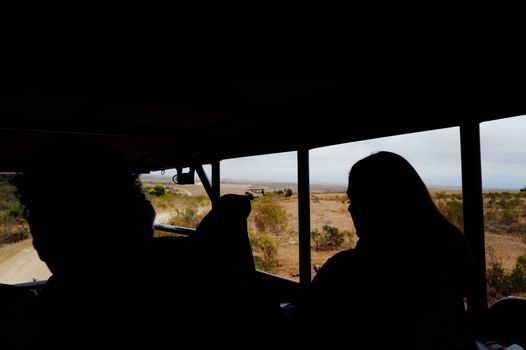
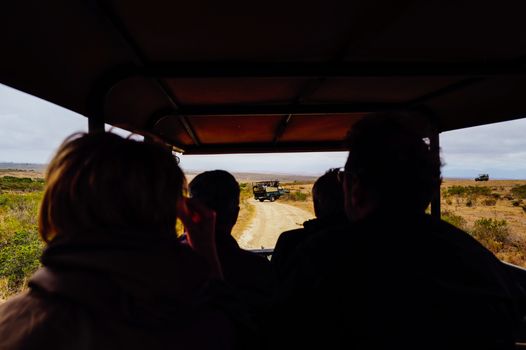
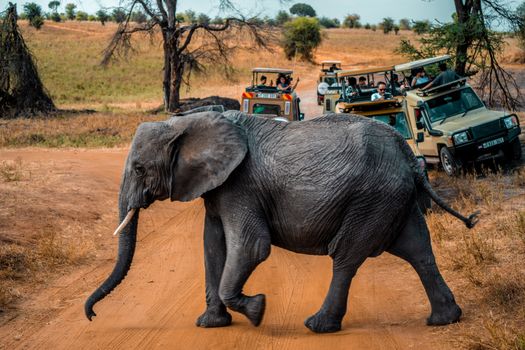
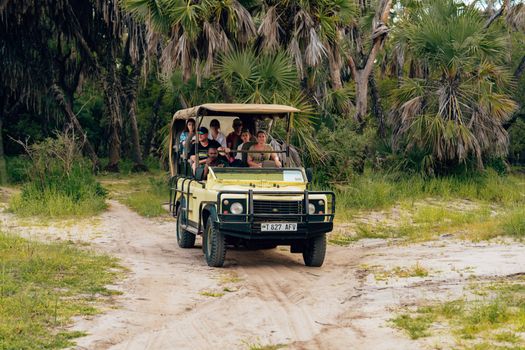
Waiting on the apron was a custom-engineered Toyota Land Cruiser that looked like something out of a high-tech expedition documentary. With the push of a remote control, a whisper-quiet, heavy-duty hydraulic platform extended smoothly from the vehicle's side, lowered flush to the ground, and effortlessly raised me into a custom-contoured swivel captain’s chair. No struggle, no loss of dignity—just seamless engineering blending into the raw African bush. As the diesel engine hummed to life and we rolled into the scrubland, a matriarch elephant and her three-week-old calf crossed the dirt track barely twenty yards ahead. For the first time in safari history, the bush isn't just open to everyone; it’s being redesigned around them.
---
1. The Engineering Marvels: Next-Gen Adaptive Safari Rigs
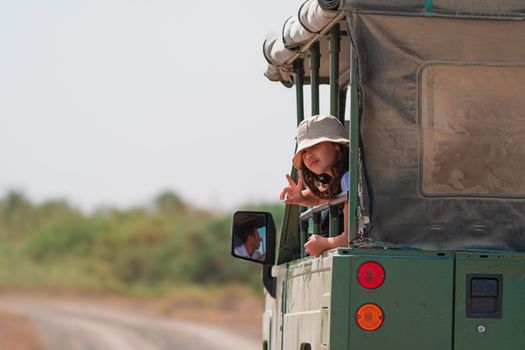
The days of jerry-rigged safari trucks are officially over. This summer's absolute biggest trend is the deployment of purpose-built, highly engineered safari vehicles modified by specialized overland fabricators in South Africa, Kenya, and Germany.
Hydraulic Lifts and Floor-Integrated Q’Straint Systems
Leading operators like Endeavour Safaris and Epic Accessible Safaris have spearheaded the rollout of fully automated hydraulic underfloor and side-mounted lifts. Capable of lifting up to 350 kg (770 lbs), these lifts operate smoothly on uneven dirt terrain without destabilizing the rig. Once inside, vehicles feature aircraft-grade floor tracks equipped with Q’Straint tie-down systems, locking wheelchairs into place with millimetric precision.
```
+-----------------------------------------------------------------------+
| ADAPTIVE VEHICLE ANATOMY |
+-----------------------------------------------------------------------+
| [Hydraulic Tailgate Lift] ---> 350kg capacity; level-sensor control |
| [Modular Seating] ---> Quick-release swivel chairs |
| [Fold-Down Side Panels] ---> Unobstructed 360° camera sightlines |
| [Pneumatic Suspension] ---> Dampens high-frequency trail vibration |
+-----------------------------------------------------------------------+
```
Swivel Captain’s Chairs and Drop-Down Gunwales
For those who prefer transferring out of their mobility devices, new custom Land Cruisers feature 360-degree rotating seats fitted with four-point safety harnesses and adjustable lateral bolsters. The steel side-panels of these vehicles are hinged to swing downward, creating completely unobstructed camera lines for wildlife photographers seated at eye level with the bush.
> Pro-Tip: When booking, request a vehicle fitted with air-ride pneumatic suspension. It actively dampens the high-frequency vibration of corrugated dirt roads, drastically reducing spasticity and spinal fatigue during long three-hour game drives.
---
2. Glide silently: Wheelchair-Accessible Water Safaris
Game drives are only half the story. The real frontier of accessible safari travel this season is happening on the water, specifically across Botswana’s Okavango Delta and the Chobe River system.
```
_____
/ ___ \________
____/ / \ \ \_____
[____________________________] <--- Flat-deck, zero-threshold pontoon
(o) (o) <--- Twin electric-hybrid drives
```
Electric Solar Pontoons with Roll-On Ramps
The Chobe River, famous for its massive elephant herds swimming across channels, now hosts custom-built, wide-beam pontoon boats outfitted with fold-out aluminum loading ramps. These vessels feature completely flat decks with no thresholds or steps.
Adaptive Mokoros in the Okavango Delta
Traditionally, exploring the narrow, reed-lined channels of the Okavango Delta required sitting at water level in a mokoro (a traditional dugout canoe)—an impossible task for travelers with balance limitations or back injuries. Enter the adaptive mokoro: stabilized dual-hull craft equipped with high-backed, ergonomic seating, chest support straps, and wide-stance outriggers that prevent capsizing while navigating shallow channels.
> Pro-Tip: Book your water safari for late afternoon (around 3:30 PM). The light over the Chobe River turns a deep violet-gold, watercraft engines can be turned off entirely to drift within meters of hippos, and the cooler temperature reduces heat stress.
---
3. Sensory Safaris: Experiencing the Bush Beyond Vision
Accessibility extends far beyond physical mobility. One of the most groundbreaking trends emerging across East and Southern Africa this summer is the introduction of dedicated Sensory Safaris, tailored specifically for blind, low-vision, deaf, and neurodivergent travelers.
```
+-------------------------------------------------------------------+
| SENSORY BUSH EXPERIENCE MAP |
+-------------------------------------------------------------------+
| [AUDITORY] Deep low-frequency lion roars via acoustic amplifiers |
| [TACTILE] 3D-printed skull casts, dried spoor, bark textures |
| [OLFACTORY] Crushed fever tree bark, wild sage, rain-soaked clay |
+-------------------------------------------------------------------+
```
Tactile Tracking and 3D Bush Maps
At lodges like Bushmans Kloof (South Africa) and Lewa Safari Camp (Kenya), field guides are trained in specialized tactile interpretation. Guests are invited to touch 3D-printed skull casts of indigenous predators, handle heavy elephant molars, feel the textured bark of fever trees, and trace dried animal spoor pressed into clay molds.
Deaf-Inclusive Safaris & Sign Language Trackers
Select luxury outfits now pair wildlife drives with guides fluent in International Sign Language (ISL) and South African Sign Language (SASL). Instead of relying solely on verbal communication, these guides utilize directional vibration sensors, visual spotting boards, and visual hand cues to communicate animal behaviors in real-time, allowing deaf guests to experience the high-adrenaline moment a leopard drops from an acacia branch.
> Pro-Tip: Pack a specialized tactile bush notebook or request the lodge’s braille mammal guide upon arrival. Many top-tier reserves now stock tactile maps outlining topography, river basins, and animal migration corridors.
---
4. Sky-High Inclusivity: Adaptive Hot Air Balloons & Sky-Lifts
For decades, hot air ballooning over the Masai Mara or Serengeti was off-limits due to the high wicker basket walls and the physical requirement to brace during landing impact. That barrier has officially fallen.
```
.-.
/ \
| |
\ /
`---'
| |
+-------+
| [---] | <--- Drop-down acrylic viewing door
| | | | <--- Padded bucket seat with 5-point harness
+-------+
```
Customized Balloon Baskets
In Tanzania’s Serengeti and Kenya’s Masai Mara, balloon safari operators like Miracle Experience have introduced specialized balloon baskets fitted with hinged side-access doors and fixed, padded racing-style bucket seats. Equipped with five-point safety harnesses, these seats keep passengers completely secure during the typical bump-and-drag of a Serengeti touchdown.
Transparency Acrylic Panels
The wicker walls of these adaptive baskets feature ultra-clear, shatterproof polycarbonate windows, giving seated guests an uninterrupted 180-degree view of the Great Migration herds moving across the plains 1,000 feet below.
> Pro-Tip: Request a middle-basket seat placement during booking. This positions you directly over the center of gravity, minimizing movement during launch and guaranteeing maximum shock absorption upon landing.
---
5. Top Luxury Lodges Setting the Accessibility Gold Standard
Not all "accessible" rooms are created equal. True accessibility means no lip on the shower door, no sudden steps between the deck and the plunge pool, and smooth, hard-packed stone or timber pathways throughout the property. Here are the clear leaders this summer:
```
+-------------------+--------------------+---------------------------------------+
| LODGE NAME | LOCATION | KEY ACCESSIBLE FEATURE |
+-------------------+--------------------+---------------------------------------+
| MalaMala Game Res.| Sabi Sands, SA | Roll-in showers, level boardwalks, |
| | | bespoke hydraulic Cruiser on-site |
+-------------------+--------------------+---------------------------------------+
| Chikwenya Camp | Mana Pools, Zim | Zero-threshold suites, wide ramps, |
| | | low-profile private viewing decks |
+-------------------+--------------------+---------------------------------------+
| Sanctuary Olonana | Masai Mara, Kenya | Fully paved ramps, roll-in bath, |
| | | customized wide-door safari trucks |
+-------------------+--------------------+---------------------------------------+
```
MalaMala Game Reserve (Sabi Sands, South Africa)
MalaMala stands as the undisputed benchmark for physical accessibility in the African bush. Paved, flat pathways connect every suite to the main dining deck and lounge. Rooms feature oversized roll-in rain showers with solid fold-down teak benches, grab rails positioned at standardized international heights, and lowered vanity sinks.
Wilderness Chikwenya (Mana Pools National Park, Zimbabwe)
Situated at the confluence of the Sabi and Zambezi rivers, Chikwenya features elevated wooden boardwalks with gentle ramp inclines connecting all canvas suites. Rooms are equipped with zero-threshold entries, wide sliding timber doors, and private plunge pools fitted with removable mechanical pool hoists.
---
Quick Facts & Logistics Table
| Category | Details & Specifications |
| :--- | :--- |
| Estimated Cost | $850 - $2,200 per person/night (includes fully adapted vehicles & dedicated care assistants) |
| Best Time to Visit | Dry Season (June – October): Hardened dirt roads make wheelchair transport significantly smoother; sparse foliage improves wildlife spotting. |
| How to Get There | Fly into major hubs (Johannesburg JNB or Nairobi NBO), then book regional bush hops via Airlink or Federal Airlines, which offer medical passenger hoists (Eagle Hoist). |
| Recommended Duration | 7–10 days split across two distinct ecosystems (e.g., Sabi Sands + Okavango Delta). |
| Crucial Packing Gear | Pressure-relief seat cushions (Roho/Gel), heavy-duty wet wipes, dust covers for power chairs, spare inner tubes/solid tires for manual chairs. |
---
6. The Insider's Field Guide: Essential Planning Tactics
Planning an adaptive safari requires meticulous attention to operational detail. One small oversight in transport logistics can ruin an entire itinerary.
1. Air Transport & Bush Plane Logistics
Small Cessna Caravan feeder planes do not have wide doors or jet bridges. Ensure your agent arranges an Eagle Hoist—a specialized mobile crane system available at airports like OR Tambo, Maun, and Skukuza—to transfer passengers cleanly from their wheelchair directly into the aircraft seat.
```
AIRPORT HOIST TRANSFER PROCESS
+----------------------------------------+
| 1. Passenger arrives at tarmac |
| 2. Eagle Hoist aligns with cabin door |
| 3. Soft sling lifts user gently |
| 4. User slides straight into aisle seat|
+----------------------------------------+
```
2. Power & Battery Management in Remote Camps
Off-grid luxury camps rely on solar power and generator cycles. If you use a power wheelchair, CPAP machine, or portable hoist, inform the camp 30 days in advance. Ensure your power chair battery is dry-cell or lithium-ion (IATA approved for air travel) and bring a universal 220V/240V heavy-duty surge protector.
3. Navigating the Bush Terrain
Leave pneumatic street tires at home. The African bush is littered with thorn trees like the Acacia and Wait-a-Bit thorn, which will puncture standard bicycle or wheelchair tires in seconds. Upgrade to solid, puncture-proof polyurethane tires or fill pneumatic tubes with heavy-duty tire sealant (such as Slime) before departure.
---
7. The Future of Inclusive Wilderness Travel
The momentum behind accessible safaris isn't slowing down—it's accelerating. As modular vehicle designs become cheaper and international travel standards evolve, inclusive safaris are shifting from a costly niche service to an industry-wide baseline. The African wilderness has always been wild, untamed, and humbling. Now, thanks to brilliant engineering, empathetic design, and pioneering local guides, it is finally open to every single adventurer bold enough to seek it out.
---