The Whisper of the Wild: A Post-Pandemic Awakening
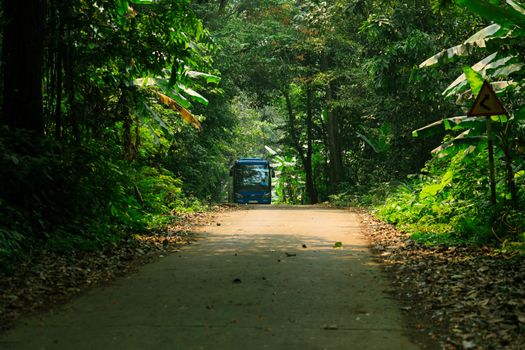
I stepped off the train, the usual cacophony of hawkers and bustling crowds conspicuously absent. Instead, a different symphony filled the air: the rustling of leaves, a distant chorus of unseen birds, and the faint, earthy scent of damp soil after a recent rain. This was [Insert Specific Location - e.g., the ancient city of Petra, Jordan, or the coastal cliffs of the Algarve, Portugal], a place I’d only ever imagined through the lens of overcrowded tour buses and selfie sticks. But this year, something profound had shifted. The silence wasn't empty; it was alive, pregnant with the promise of nature’s return.
The past few years, a global pause button was pressed. For many of us, it meant a slower pace, a chance to reflect. For the planet, it meant a breath. And in those quiet moments, nature, resilient and tenacious, began to reclaim spaces it had ceded to human footprints. Now, as we tentatively step back into the world, we’re discovering a breathtaking phenomenon: wildlife returning to former tourist hotspots. These aren't just places recovering; they're places emerging, reborn with a vibrant, untamed spirit. And I’m here to tell you, as your guide to the world’s most incredible, and now, wildest, destinations.
The Unveiling: Where Nature Takes Center Stage
The closure of borders and the drastic drop in tourism in 2020 and 2021 wasn't just a blip on the economic radar; it was a global experiment in what happens when we give the wild a chance. And the results are nothing short of spectacular. From the majestic to the minuscule, creatures are returning to territories they'd long abandoned, drawn by the renewed peace and the absence of human disturbance.
From Ghost Towns to Green Havens: The Venice Effect
Venice. The name itself conjures images of gondolas gliding through shimmering canals, ancient palazzos reflected in the water, and… tourists. So many tourists. But during the lockdowns, the unthinkable happened. The canals, usually murky with boat traffic, cleared. Dolphins, unheard of in the Venetian lagoon for decades, were spotted darting through the water. This wasn't just a visual change; it was a sonic one. The usual drone of engines was replaced by the gentle lapping of water and the calls of seabirds.
Pro-Tip:
While Venice itself is still a marvel, explore the lesser-known islands of the Venetian Lagoon. Burano, with its brightly painted houses, offers a quieter charm, and you might just spot more marine life if you venture out on a small boat tour during off-peak hours.
The Serengeti's Second Act: Maasai Mara's Resurgence
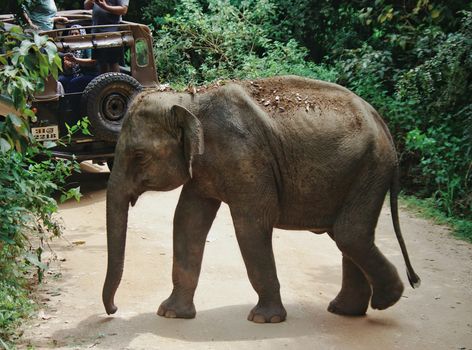
The Maasai Mara, Kenya, a legendary safari destination, experienced a significant dip in visitors. Yet, this period of quiet allowed the vast plains to breathe. Rangers reported increased sightings of elusive species, and the predator-prey dynamics seemed to find a more natural rhythm without the constant presence of safari vehicles. The lions appeared bolder, the elephants more at ease, and the sheer abundance of plains game was a testament to nature’s ability to bounce back.
Insider Scoop:
Beyond the main conservancies, consider exploring the Loita Hills area. It’s less frequented, offering a more intimate wildlife experience and a chance to connect with the Maasai culture in a truly authentic way. The local guides here have an uncanny ability to spot even the most camouflaged creatures.
The Fjords' Silent Symphony: Norway's Coastal Comeback
Norway's iconic fjords, usually alive with cruise ships and kayakers, also found a moment of peace. The crystalline waters, free from the constant churn of propellers, became clearer. Reports emerged of increased sightings of seals basking on rocks and even playful porpoises and dolphins closer to shore. The air, usually filled with the hum of engines, became crisp and clean, carrying the cries of gulls and the distant bleating of sheep.
Quick Facts:
| Destination | Estimated Cost ($) | Best Time to Visit | How to Get There |
|---|---|---|---|
| Venice Lagoon | $$ (Accommodation varies) | Spring (April-May) & Autumn (September-October) | Fly into Venice Marco Polo Airport (VCE) |
| Maasai Mara, Kenya | $$$$ (Safari packages) | Dry Season (June-October) & Short Rains (November-December) | Fly into Nairobi Jomo Kenyatta International Airport (NBO), then domestic flight to Mara Serena Airstrip or similar. |
| Norwegian Fjords | $$$ (Depends on activities) | Summer (June-August) for best weather, Spring/Autumn for fewer crowds & potential wildlife sightings. | Fly into Bergen Airport (BGO) or Oslo Airport (OSL), then ferry or train. |
The Re-emergence: What Wildlife Are We Seeing?
It’s not just the big, charismatic megafauna making a comeback. The ecological tapestry is being rewoven, thread by tiny thread.
Feathered Friends Return: Birdlife Flourishes
Many bird species, particularly those sensitive to human noise and activity, have found solace in these quieter zones. Coastal areas, once bustling with beachgoers, are now seeing a resurgence of nesting seabirds. Inland, forests that were once crisscrossed by trails are now echoing with a richer variety of avian songs.
Pro-Tip:
Pack a good pair of binoculars! Even in seemingly quiet areas, the birdlife can be astonishingly diverse. Look for local birdwatching guides; they often know the best spots for spotting rare species.
Marine Marvels Reclaim Their Realm
The oceans, too, have benefited. With reduced shipping traffic and fewer recreational boats, marine mammals like whales, dolphins, and seals have been observed in greater numbers and closer to shore. The clarity of the water in some previously congested areas has also allowed for a revival of coral reefs and a greater abundance of fish.
Insider Scoop:
Consider a responsible whale-watching tour. Choose operators who adhere to strict guidelines to avoid disturbing the animals. The thrill of seeing a humpback breach in a calm sea is an experience you won't forget.
The Unexpected Guests: Small Wonders Abound
Don't overlook the smaller creatures. Insects, amphibians, and reptiles, often overlooked but vital to ecosystems, are thriving. In areas where pesticides and habitat fragmentation were high, the return of natural cycles is allowing these populations to recover.
Pro-Tip:
Take your time. Wander off the main paths (where permitted and safe). You might be surprised by the delicate beauty of a rare butterfly or the intricate patterns on a frog’s skin.
The Authenticity Factor: Beyond the Postcards
What does this wildlife recovery mean for the traveler? It means an opportunity for a truly authentic experience. It means witnessing nature in its raw, unadulterated form. It’s about the smell of pine needles on a forest floor undisturbed for months, the sound of a waterfall unfiltered by distant traffic, the feeling of awe as you spot a creature in its natural habitat, completely unaware of your presence.
This isn't about ticking boxes on a tourist checklist. It's about connection. It's about understanding the delicate balance of our planet and appreciating the resilience of life. It's about the subtle details: the way the sunlight filters through ancient trees, the unique scent of a local spice market that has returned to its lively rhythm, the warm smiles of locals who are also rediscovering the beauty of their surroundings.
Embracing the Slow Travel Ethos
These reborn destinations are perfect for the traveler who values depth over breadth. Think less about rushing from one landmark to another, and more about immersing yourself in the environment. Rent a bicycle and explore a quiet coastal path. Hike through a forest and listen to the stories the trees tell. Sit by a river and watch the world go by, noticing the dragonflies dancing on the surface.
Insider Scoop:
Engage with local communities. They are often the best custodians of these natural wonders and have invaluable knowledge to share. Learn a few basic phrases in the local language; it goes a long way.
Planning Your Resurgence Adventure: Practicalities
As exciting as these emerging destinations are, responsible travel is key. We want to ensure these natural havens continue to thrive.
Choosing Your Destination Wisely
- Research: Look for destinations that actively promote sustainable tourism and have conservation efforts in place.
- Seasonality: Understand the best times to visit for wildlife viewing, but also consider the shoulder seasons for fewer crowds and a more peaceful experience.
- Accommodation: Opt for eco-lodges or locally-owned guesthouses that prioritize sustainability.
Getting There and Getting Around
- Minimize Footprint: Consider train travel or ferries where possible. For longer distances, choose direct flights to reduce emissions.
- Local Transport: Utilize public transport, rent bicycles, or walk. This not only reduces your environmental impact but also offers a more authentic way to experience a place.
Responsible Wildlife Encounters
- Keep Your Distance: Never feed or approach wild animals. Maintain a respectful distance.
- Leave No Trace: Pack out everything you pack in. Stick to marked trails.
- Support Local: Patronize local businesses and purchase locally made souvenirs.
The Future is Wild: A Call to Conscious Exploration
The return of wildlife to these former tourist hotspots is more than just a travel trend; it's a powerful reminder of nature's enduring strength and our interconnectedness with it. As travelers, we have a unique opportunity and a responsibility to witness this resurgence with open eyes and respectful hearts.
So, pack your sense of wonder, your curiosity, and your commitment to responsible exploration. The world is whispering tales of renewal, and the most incredible stories are emerging from the quiet places, waiting for you to discover them. This year, let your journey be one of discovery, not just of places, but of the wild heart that beats within them.