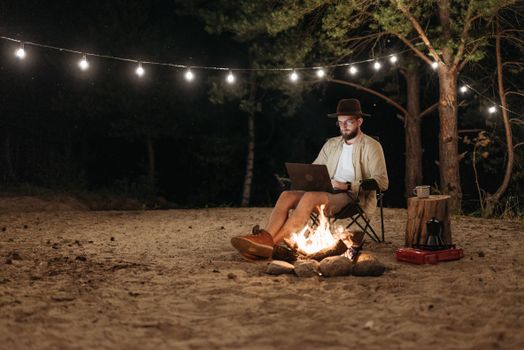
The Call of the Open Road: My First Glimpse of a Remote Work Dream
I stepped off the train in Sintra, Portugal, and the air hit me – a heady mix of damp earth, sun-baked stone, and the faintest whisper of salt from the Atlantic. The scent alone was a promise. Sunlight, thick and syrupy, gilded the impossibly vibrant azuleurs adorning the old buildings, and the distant cry of gulls was a soundtrack to possibility. It was here, amidst the fairytale palaces and winding cobblestone streets, that the seed of my current obsession was truly planted: living and working from anywhere. Not just a vacation, but a sustained, legitimate life. And as we barrel towards January 2026, that dream is more attainable than ever for remote workers.
Your Passport to Freedom: Unpacking the January 2026 Remote Worker Landscape
The world is finally catching on. Governments worldwide are realizing the immense value of attracting skilled, mobile professionals. No longer confined to the traditional office, remote workers bring fresh perspectives, boost local economies, and enrich communities. January 2026 is set to be a pivotal moment, with many existing digital nomad visa programs solidifying and new ones emerging. This isn't just about a temporary stay; we're talking about residence permits, giving you the legal right to live, work, and truly be in a new country.
Why January 2026? The Evolving Visa Ecosystem
The landscape of remote work visas is constantly shifting, but certain trends are undeniable. By January 2026, we can expect:
- Refined Application Processes: Countries that launched programs early are streamlining their systems, making applications smoother and faster.
- Increased Flexibility: Some nations are exploring longer permit durations and more lenient income requirements.
- Focus on Specific Skills: While many are broad, some emerging programs might target specific industries or skill sets.
- Growing Awareness: More governments are actively promoting their remote work offerings, recognizing the economic benefits.
Let's dive into the countries that are, or are highly likely to be, leading the charge for remote workers in early 2026.
Europe: The Established Powerhouses and Emerging Stars
Europe has been at the forefront of digital nomad legislation, and by 2026, it will remain a prime destination. The appeal is undeniable: incredible infrastructure, rich history, diverse cultures, and relatively straightforward visa pathways.
Portugal: The OG Digital Nomad Haven
Portugal’s D7 Visa (Passive Income Visa) and its newer Digital Nomad Visa are already legendary. By January 2026, these will be even more established.
- The Vibe: Think sun-drenched beaches, historic cities humming with life, and a laid-back yet vibrant culture. From the surf breaks of Ericeira to the bustling streets of Lisbon and the charming alleys of Porto, Portugal offers something for every remote worker's soul.
- Visa Details (Anticipated for Jan 2026):
- Digital Nomad Visa (DNV): Designed for freelancers and employees of companies outside Portugal.
- Income Requirement: Typically around €3,000 per month (this may see slight adjustments by 2026).
- Permit Duration: Initial 120-day visa, renewable to a 2-year residence permit.
- Application Process: Generally requires proof of income, health insurance, accommodation, and a criminal record check.
- Pro-Tip: For the most authentic Lisbon experience, explore the Alfama district at dawn. The scent of freshly baked pastéis de nata and the quiet hum of the city waking up is pure magic. Avoid the tourist traps around Rossio Square for genuine local eateries.
- Quick Facts:
- Estimated Monthly Costs: $1,500 - $2,500 (excluding flights)
- Best Time to Visit: Spring (April-May) and Autumn (September-October) for pleasant weather and fewer crowds.
- How to Get There: Major international airports in Lisbon (LIS), Porto (OPO), and Faro (FAO).
Spain: Sun, Siesta, and Seamless Living
Spain launched its Digital Nomad Visa in early 2023, and by 2026, it will be a well-trodden path. The appeal of Spanish life – the food, the culture, the sheer joy of living – is a massive draw.
- The Vibe: From the flamenco rhythms of Andalusia to the modernist architecture of Barcelona and the serene beauty of the Canary Islands, Spain offers an unparalleled lifestyle. Imagine working with a view of the Mediterranean or a quiet courtyard.
- Visa Details (Anticipated for Jan 2026):
- Digital Nomad Visa: For non-EU/EEA citizens.
- Income Requirement: Approximately €2,520 per month (this is subject to the SMI - Minimum Interprofessional Wage, which will be updated).
- Permit Duration: Initial 1-year visa, renewable for up to 5 years.
- Application Process: Requires proof of remote work, income, health insurance, and no criminal record.
- Insider Lingo: Don't just say "tapas"; know your pintxos in the Basque Country versus tapas elsewhere. Learn a few Spanish phrases – ¿Me pones una caña? (Can I have a beer?) goes a long way.
- Pro-Tip: For the best paella, venture inland away from the immediate tourist beachfronts. Look for restaurants packed with locals. And for truly unique architecture, explore Gaudí's lesser-known works in Barcelona beyond Sagrada Familia.
- Quick Facts:
- Estimated Monthly Costs: $1,800 - $3,000 (excluding flights)
- Best Time to Visit: Spring (April-May) and Autumn (September-October) are ideal. Summer can be very hot, especially inland.
- How to Get There: Major international airports in Madrid (MAD), Barcelona (BCN), and Palma de Mallorca (PMI).
Croatia: The Adriatic Gem with a Digital Nomad Welcome
Croatia quickly established its Digital Nomad Visa, and by 2026, its popularity will only grow, especially with its EU membership and stunning coastline.
- The Vibe: Picture yourself working with views of the sparkling Adriatic Sea, exploring ancient Roman ruins, and indulging in fresh seafood. Croatia offers a blend of history, natural beauty, and a burgeoning modern scene.
- Visa Details (Anticipated for Jan 2026):
- Digital Nomad Visa: For non-EU/EEA citizens.
- Income Requirement: Around €2,500 per month (this figure is likely to be reviewed).
- Permit Duration: Up to 12 months, not renewable. You must leave for 6 months before reapplying.
- Application Process: Proof of remote work, income, health insurance, and a clean criminal record.
- Pro-Tip: To truly experience the magic of Plitvice Lakes National Park without the throngs, aim to arrive right when it opens at 7 AM. The mist rising off the turquoise waters is ethereal. For a more authentic island experience, skip the most famous spots and explore islands like Vis or Lastovo.
- Quick Facts:
- Estimated Monthly Costs: $1,200 - $2,000 (excluding flights)
- Best Time to Visit: Late Spring (May-June) and early Autumn (September-October). July and August are peak season and very crowded.
- How to Get There: Major international airports in Zagreb (ZAG), Split (SPU), and Dubrovnik (DBV).
Other European Contenders to Watch:
- Greece: The "Minoan" visa for remote workers is likely to be fully operational and refined by 2026, offering access to stunning islands and ancient wonders. Income requirements are competitive.
- Estonia: A pioneer with its Digital Nomad Visa, Estonia continues to be a leader in digital innovation and a gateway to the Baltics. Its focus on tech and a straightforward process make it a strong contender.
- Malta: Known for its sunny climate and English-speaking population, Malta's Nomad Residence Permit is an attractive option for those seeking a Mediterranean lifestyle within the EU.
Asia: The Exotic and Economical Allure
Asia offers a completely different, yet equally compelling, remote work experience. Think vibrant street food, ancient traditions, and incredibly competitive cost of living.
Thailand: The Tropical Dream Ticket
Thailand has been a digital nomad favorite for years, and while it doesn't have a formal "Digital Nomad Visa" as of now, by 2026, expect more streamlined long-term stay options, potentially through revised tourist visas or new work permit categories.
- The Vibe: From the bustling street markets of Bangkok, alive with the aroma of chili and lemongrass, to the serene beaches of Koh Lanta and the cultural heart of Chiang Mai, Thailand is a sensory explosion. The warmth of the people is as inviting as the tropical climate.
- Visa Details (Anticipated for Jan 2026):
- While a dedicated DNV is still in development, expect extensions on tourist visas or new "Long-Term Resident" (LTR) visa categories that remote workers can leverage.
- Income Requirement: Varies significantly depending on the visa type, but generally competitive for long-term stays.
- Permit Duration: Potential for 1-5 year stays depending on the specific visa.
- Application Process: Likely to involve proof of income, health insurance, and potentially a Thai bank account.
- Insider Lingo: You'll hear "sanuk" (fun) everywhere. Embrace it! Learn to haggle politely at markets – it's part of the experience. Don't be afraid to try the street food; it's often the most delicious and authentic.
- Pro-Tip: For the best street food in Bangkok, head to Yaowarat (Chinatown) after sunset. The neon lights, the sizzling woks, and the sheer variety of dishes are incredible. For a quieter Chiang Mai experience, explore the temples outside the old city walls.
- Quick Facts:
- Estimated Monthly Costs: $800 - $1,500 (excluding flights)
- Best Time to Visit: November to February (cool and dry season).
- How to Get There: Major international airports in Bangkok (BKK) and Phuket (HKT).
Malaysia: The Modern Gateway to Southeast Asia
Malaysia has been actively courting remote workers, with initiatives like the DE Rantau Nomad Pass. By 2026, this program should be well-established.
- The Vibe: A fascinating blend of Malay, Chinese, and Indian cultures, Malaysia offers futuristic cityscapes in Kuala Lumpur, lush rainforests in Borneo, and beautiful islands. The food scene is legendary, a true fusion of flavors.
- Visa Details (Anticipated for Jan 2026):
- DE Rantau Nomad Pass: For digital nomads and freelancers.
- Income Requirement: Approximately $2,000 USD per month.
- Permit Duration: 12 months, renewable for another 12 months.
- Application Process: Requires proof of remote work, income, health insurance, and a valid passport.
- Pro-Tip: For an unforgettable culinary journey, explore the hawker centers in Penang. The char kway teow and assam laksa are world-renowned. In Kuala Lumpur, the Petronas Twin Towers are a must-see, but for a unique perspective, visit the SkyBridge at dusk.
- Quick Facts:
- Estimated Monthly Costs: $1,000 - $1,800 (excluding flights)
- Best Time to Visit: West Coast (Penang, Langkawi, KL) from December to March; East Coast (Perhentian Islands) from March to October.
- How to Get There: Major international airports in Kuala Lumpur (KUL).
Latin America: The Affordable Adventures
Latin America is increasingly becoming a hotspot for remote workers seeking affordability, vibrant cultures, and stunning natural landscapes.
Mexico: The Familiar Frontier
Mexico has long been a favorite for North American remote workers, and by 2026, its popularity will only surge, with its robust network of co-working spaces and established expat communities.
- The Vibe: From the colonial charm of San Miguel de Allende to the bohemian beaches of Tulum and the bustling metropolis of Mexico City, Mexico is a country of incredible diversity. The flavors of its cuisine are as rich as its history.
- Visa Details (Anticipated for Jan 2026):
- Temporary Resident Visa (Residente Temporal): This is the most common route for remote workers. It requires proof of sufficient income or savings.
- Income Requirement: Varies by consulate, but typically around $2,000 USD per month for the last 6 months, or significant savings.
- Permit Duration: Initially 1 year, renewable for up to 4 years.
- Application Process: Apply at a Mexican consulate in your home country. Requires proof of income, passport, photos, and often a letter explaining the purpose of your stay.
- Insider Lingo: Learn the difference between "aguas frescas" (fresh fruit drinks) and "licuados" (milk-based smoothies). Embrace the fiesta culture, but also the tranquil mornings.
- Pro-Tip: For the most authentic mole in Oaxaca, seek out small, family-run comedores. The complexity of flavors is astounding. If visiting Mexico City, explore the lesser-known neighborhoods like Roma Norte and Condesa for charming cafes and independent boutiques, beyond the more tourist-heavy Centro Histórico.
- Quick Facts:
- Estimated Monthly Costs: $1,000 - $2,000 (excluding flights)
- Best Time to Visit: December to April (dry season) for most regions.
- How to Get There: Major international airports in Mexico City (MEX), Cancún (CUN), and Guadalajara (GDL).
Colombia: The Land of Eternal Spring (and Opportunity)
Colombia has made significant strides in welcoming remote workers, with a dedicated Digital Nomad Visa that is likely to be well-established by 2026.
- The Vibe: Vibrant, resilient, and incredibly beautiful. From the Caribbean coast of Cartagena to the coffee regions and the pulsating energy of Medellín, Colombia offers a rich cultural tapestry and stunning landscapes.
- Visa Details (Anticipated for Jan 2026):
- Digital Nomad Visa (Visa V Nómada Digital): For remote workers and freelancers.
- Income Requirement: Approximately $1,000 USD per month.
- Permit Duration: Up to 2 years.
- Application Process: Apply online. Requires proof of remote work, income, health insurance, and a criminal record check.
- Pro-Tip: For the most aromatic coffee and stunning views, visit a finca (coffee farm) in the Zona Cafetera. The scent of roasting beans is intoxicating. In Medellín, escape the city bustle by taking the cable car up to Parque Arví for incredible nature and panoramic city views.
- Quick Facts:
- Estimated Monthly Costs: $800 - $1,500 (excluding flights)
- Best Time to Visit: December to March and July to August (dry seasons).
- How to Get There: Major international airports in Bogotá (BOG) and Medellín (MDE).
The Practicalities: What You Need to Know
Beyond the dream, there are crucial logistics. By January 2026, the core requirements for most remote worker visas will likely remain consistent:
- Proof of Income: This is paramount. Countries need assurance that you can support yourself without needing local employment. Expect a monthly income threshold, typically ranging from $1,000 to $3,000 USD, depending on the country.
- Remote Work Status: You'll need to demonstrate that you are employed by a company outside the destination country or are a self-employed freelancer with clients abroad.
- Health Insurance: Comprehensive travel or international health insurance is almost always a mandatory requirement.
- Accommodation: Proof of a place to stay, whether a rental agreement or hotel booking, is often needed.
- Clean Criminal Record: A background check is standard for most visa applications.
- Valid Passport: Ensure your passport has sufficient validity beyond your intended stay.
Budgeting for Your New Life
The cost of living varies wildly. My advice? Research thoroughly, and always add a buffer.
| Country | Estimated Monthly Costs (USD) | Best Time to Visit | How to Get There |
| :------------ | :---------------------------- | :-------------------------- | :--------------------------------------------------- |
| Portugal | $1,500 - $2,500 | Spring, Autumn | LIS, OPO, FAO |
| Spain | $1,800 - $3,000 | Spring, Autumn | MAD, BCN, PMI |
| Croatia | $1,200 - $2,000 | Late Spring, Early Autumn | ZAG, SPU, DBV |
| Thailand | $800 - $1,500 | Nov - Feb | BKK, HKT |
| Malaysia | $1,000 - $1,800 | Varies by coast | KUL |
| Mexico | $1,000 - $2,000 | Dec - Apr | MEX, CUN, GDL |
| Colombia | $800 - $1,500 | Dry Seasons (Dec-Mar, Jul-Aug) | BOG, MDE |
Note: Costs are estimates and can fluctuate based on lifestyle and location within the country.
The Application Journey: Patience and Persistence
Applying for a visa can be a bureaucratic dance. My top tips:
- Start Early: Don't wait until the last minute. Research the specific requirements for your nationality and the country you're targeting.
- Gather ALL Documents: Missing paperwork is the fastest way to get rejected. Make digital and physical copies.
- Be Honest and Clear: State your intentions clearly in your application and any supporting letters.
- Consult Official Sources: Always refer to the official embassy or consulate websites for the most up-to-date information. Visa requirements can change.
- Consider Professional Help: For complex applications, a reputable immigration lawyer or visa consultant can be invaluable.
Beyond the Visa: Embracing the Remote Lifestyle
Securing the permit is just the first step. The real adventure lies in immersing yourself in a new culture.
- Language: Even a few basic phrases can open doors and show respect.
- Culture: Be open-minded, observant, and willing to adapt.
- Community: Seek out local meetups, co-working spaces, and expat groups to build connections.
- Finances: Understand local banking, tax implications, and currency exchange.
Your Future is Calling
January 2026 represents a significant opportunity for remote workers to legally establish themselves in incredible destinations. The world is more accessible than ever. Whether you crave the Mediterranean sun, the vibrant energy of Asia, or the rich tapestry of Latin America, there’s a country waiting for you.
The scent of adventure is in the air. The sounds of new languages are beckoning. The feeling of possibility is palpable. It’s time to stop dreaming and start planning. Your remote work residence permit is within reach.