The Pulse of the Wild: Why We’re Connecting the Dots
I stepped off the tiny, four-seater Cessna in Puerto Jiménez, and the air didn't just hit me—it embraced me. It smelled of fermented fallen fruit, damp volcanic soil, and the sharp, ozone tang of a looming Pacific storm. As a travel journalist, I’ve seen my share of "pristine" landscapes, but the Osa Peninsula is different. It’s loud. The screech of a Scarlet Macaw isn't just a sound; it’s a vibration that rattles your ribcage.
But here’s the reality: even this paradise is a series of islands. When we build a road, a fence, or a monoculture palm plantation, we cut the veins of the earth. Wildlife corridors are the surgeons’ stitches, sewing these fragments back together. And the best part? You don't need a PhD in biology to help. You just need a pair of sturdy boots and a willingness to get your hands dirty.
1. The Osa Peninsula, Costa Rica: Building the "Path of the Tapir"
The Osa Peninsula holds 2.5% of the world’s biodiversity. Yet, for decades, cattle ranching sliced the forest into isolated pockets, trapping monkeys and jaguars in "green prisons" where they couldn't find mates or food.
The Mission: Reforestation and Camera Trapping
I spent a week with Osa Conservation, working on their Ridge-to-Reef corridor. We weren't just planting trees; we were planting specific "wildlife highways." We focused on the Apeiba tibourbou, a fast-growing tree that provides immediate canopy cover for mantled howler monkeys.
Pro-Tip:
If you’re volunteering, bring high-quality gaiters. The Osa is home to the Fer-de-lance snake, and while they generally avoid humans, the thick underbrush makes visibility tough.
How You Can Help Right Now:
Join a "Tree Planting Expedition." You’ll spend your mornings in the dirt and your afternoons checking camera traps to see which species are using the newly formed corridors. Seeing a margay cat on a digital screen, knowing it used a path you helped clear, is a high no five-star resort can match.
2. The UK’s Hedgehog Highways: The Suburban Revolution
Wildlife corridors aren't always in the middle of the Amazon. Sometimes, they are in a backyard in Bristol. The European Hedgehog has seen a devastating decline, largely because our obsession with "neat" fenced gardens has blocked their nocturnal foraging routes.
The Mission: Creating Holes for Life
In the UK, the "Hedgehog Street" initiative is a masterclass in grassroots corridor maintenance. The goal is simple: a 13cm x 13cm hole at the base of every garden fence. This allows hedgehogs to travel the 2km they need every night to survive.
Pro-Tip:
Use a "Hedgehog Highway" sign (available from the British Hedgehog Preservation Society) to mark your hole. It prevents well-meaning neighbors from blocking it up again.
How You Can Help Right Now:
If you’re traveling through the UK, stay at "Hedgehog Friendly" Airbnbs or B&Bs. Many rural hosts in the Cotswolds are now rewilding their perimeters. Ask your host if you can help clear "wild corners" of brambles and logs to create nesting sites.
3. The Monarch Butterfly Waystations: North America’s Flying Corridor
Every year, millions of Monarch butterflies perform a multi-generational migration from Canada to Mexico. They are the ultimate long-distance travelers, but they are starving. The "corridor" they rely on—a ribbon of milkweed and nectar plants—is being erased by herbicides.
The Mission: The Milkweed Relay
I followed the migration route through the Midwest last September. The key isn't just "flowers"; it’s Asclepias (Milkweed). It’s the only plant Monarch larvae can eat.
Pro-Tip:
If you’re visiting the Oyamel Fir forests in Michoacán, Mexico, hire a local guide from the Ejido (community-owned land). Your entrance fees directly fund the protection of the trees that serve as the corridor's southern terminus.
How You Can Help Right Now:
Become a citizen scientist via the Journey North app. While road-tripping through the US or Canada, log your sightings of milkweed and Monarchs. This data is used to map where corridors need the most urgent restoration.
4. The Kanha-Pench Corridor, India: The Real Jungle Book
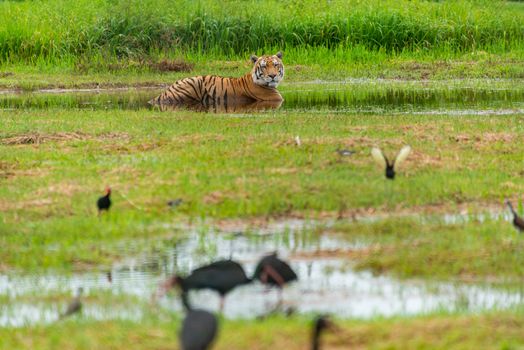
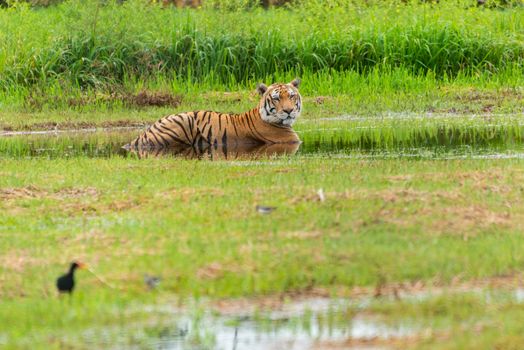
In Madhya Pradesh, the space between Kanha and Pench National Parks is a mosaic of tribal villages, coal mines, and teak forests. This is the heart of tiger country. For a tiger to maintain genetic diversity, it must be able to walk from one park to the other without being hit by a train or killed in a human-wildlife conflict.
The Mission: Community-Led Conservation
I stayed at a lodge that partners with the Last Wilderness Foundation. We spent time in "corridor villages," helping install solar lights. Why? Because solar lights keep tigers away from cattle, which prevents villagers from retaliating against the cats.
Pro-Tip:
Visit during the "shoulder season" (October or March). The grass is shorter, making it easier to spot tracks along the corridor paths, and the crowds are non-existent.
How You Can Help Right Now:
Book your safari through TOFTigers-certified lodges. These outfits pay a "bed night" levy that goes directly into corridor maintenance and compensating local farmers for crop damage caused by corridor-crossing wildlife.
5. The Great Eastern Ranges, Australia: Healing the Fire Scars
Australia’s Great Eastern Ranges (GER) stretch 3,600km from Queensland to Victoria. Following the "Black Summer" bushfires, this corridor became the only hope for species like the Greater Glider and the Koala.
The Mission: Connecting the Canopy
The focus here is "stepping stones." In areas where the forest is too thin, conservationists are planting small clusters of trees that act as rest stops for migratory birds and climbing marsupials.
Pro-Tip:
The Blue Mountains section of the GER is spectacular but rugged. If you’re helping with a "Bushcare" group, bring a wide-brimmed hat and at least 3 liters of water. The Aussie sun is no joke.
How You Can Help Right Now:
Participate in a "BioBlitz." These are 24-hour events where travelers and locals team up to record every living species in a specific corridor segment using the iNaturalist app. It’s like a scavenger hunt that saves the planet.
Quick Facts: Logistics for the Conscious Traveler
| Destination | Best Time to Visit | Estimated Cost (Daily) | Primary Species | How to Get There |
| :--- | :--- | :--- | :--- | :--- |
| Osa Peninsula, CR | Dec - April | $80 - $200 | Jaguar, Scarlet Macaw | Fly to San Jose, then a domestic flight to Puerto Jiménez. |
| Cotswolds, UK | May - September | $120 - $250 | European Hedgehog | Train from London Paddington to Moreton-in-Marsh. |
| Michoacán, Mexico | Nov - March | $50 - $150 | Monarch Butterfly | Bus from Mexico City to Angangueo. |
| Madhya Pradesh, India | Oct - June | $100 - $400 | Bengal Tiger | Fly to Nagpur, then a 3-hour drive to Pench. |
| NSW, Australia | Sept - Nov | $150 - $300 | Koala, Greater Glider | Fly to Sydney, drive west to the Blue Mountains. |
The Logistics of Giving Back: How to Not Be a "Voluntourist"
We’ve all seen the cringe-worthy photos: a traveler holding a shovel for two minutes just for the 'Gram. To truly help maintain a wildlife corridor, you need to be a partner, not a savior.
- Vet the Organization: Look for NGOs that have been in the area for at least a decade. Ask where their funding goes.
- Long-Term Impact: Choose projects that focus on native vegetation. Planting non-native "pretty" flowers can actually damage a corridor.
- Respect the Locals: Corridors often run through private land. Always work with local community leaders. In India, I learned more about tiger behavior from a Gond tribal elder than I did from any textbook.
The Insider’s View: The "Secret" Entrance to Rewilding
If you want to see a corridor in action without the crowds, head to the Knepp Estate in West Sussex, UK. It’s the poster child for rewilding. Instead of a "hidden blue door," look for the "unmarked kissing gate" near the Shipley windmill. Follow the path at dawn, and you’ll see Tamworth pigs acting as "ecosystem engineers," rooting up the soil to let new seeds take hold—the very definition of corridor maintenance in action.
Pro-Tip:
The brownies at the Knepp Stork Yard café are legendary. Eat one. You’ve earned the calories by saving the planet.
---