The Scent of 10,000 Years
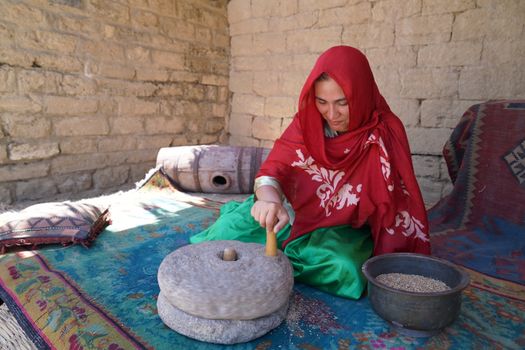
I stepped off the dusty regional train in Castelvetrano, Sicily, and was immediately hit by a smell I didn't recognize, yet somehow knew in my marrow. It wasn't just "bread." It was the scent of sun-baked earth, toasted hazelnuts, and a distinct, wild sweetness. Following my nose, I found myself at a stone mill where Filippo Drago was grinding Timilia—a hardy, short-cycle durum wheat that had nearly vanished from the island.
As the flour fell like warm snow from the granite millstones, I realized we’ve been eating a lie. For decades, global agriculture prioritized yield over soul. But this year, a quiet revolution is rising from the soil. Travelers are no longer just looking for "farm-to-table"; they are looking for "seed-to-soul." We are entering the era of the heritage grain pilgrimage.
1. The Volcanic Gold of Sicily: Castelvetrano & Beyond
Sicily was once the granary of the Roman Empire, but the 20th century saw its indigenous "landrace" wheats replaced by high-yield dwarfs. Not anymore.
The Experience:
Visit the Molino del Ponte in Castelvetrano. This isn't a museum; it’s a working cathedral of grain. Here, Filippo Drago works with local farmers to preserve varieties like Tumminia, Russello, and Perciasacchi. The grains are grown without chemicals, relying on the deep roots of these ancient varieties to find water in the parched Sicilian summer.
The Taste:
Ask for Pane Nero di Castelvetrano. It’s a dark, dense loaf with a crust like mahogany. When toasted and drizzled with local Nocellara del Belice olive oil, it tastes like the history of the Mediterranean.
Pro-Tip:
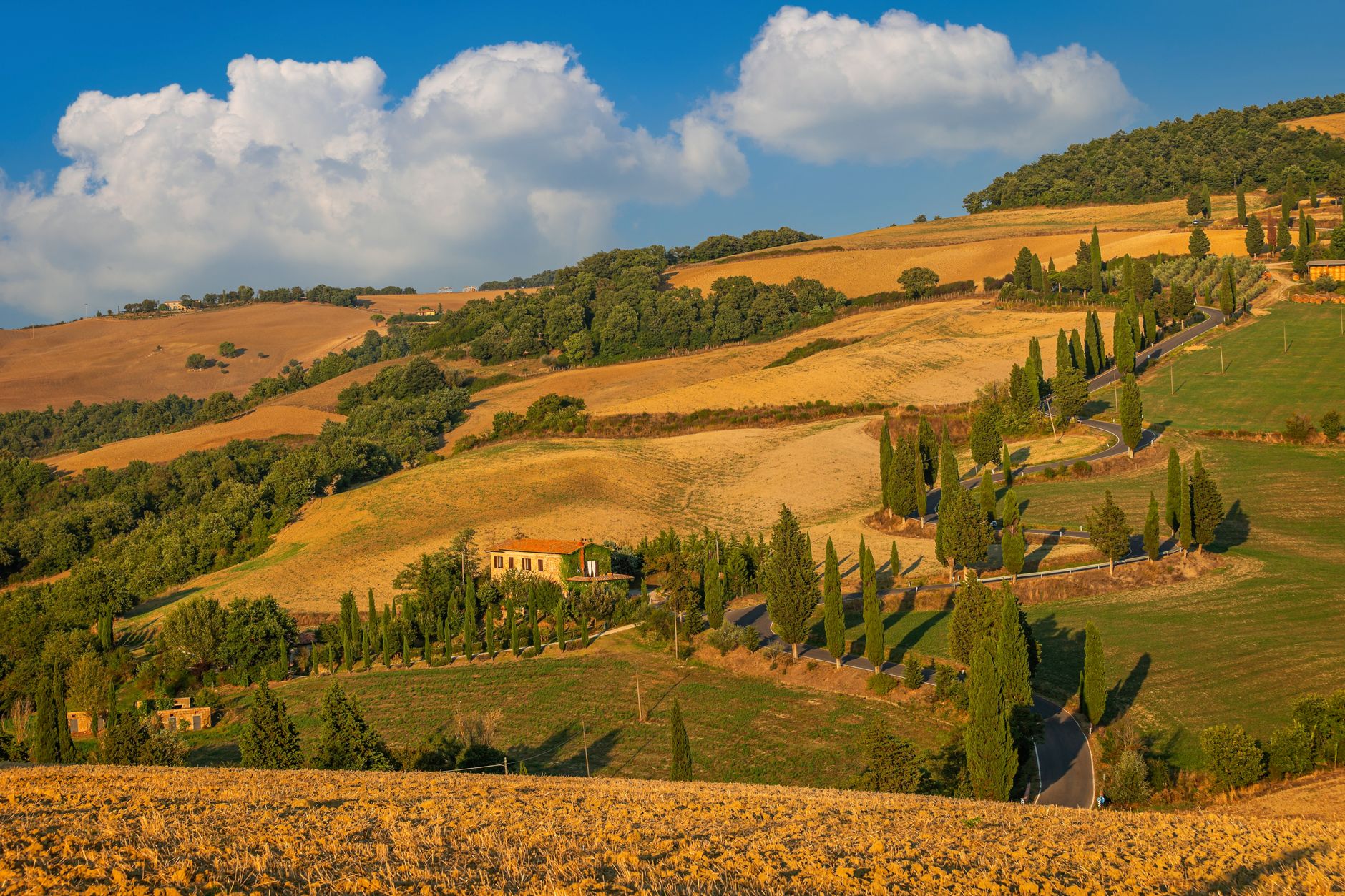
Don't just visit the mill. Drive twenty minutes south to the ruins of Selinunte. Seeing the ancient Greek temples against the backdrop of swaying amber wheat fields provides a profound sense of temporal scale.
2. The High-Altitude Resilience of the Simien Mountains, Ethiopia
While the West is just "discovering" Teff, the farmers of the Ethiopian Highlands have been its stewards for over 6,000 years. This year, community-led tourism initiatives are opening up to show travelers the complexity of this tiny, gluten-free powerhouse.
The Experience:
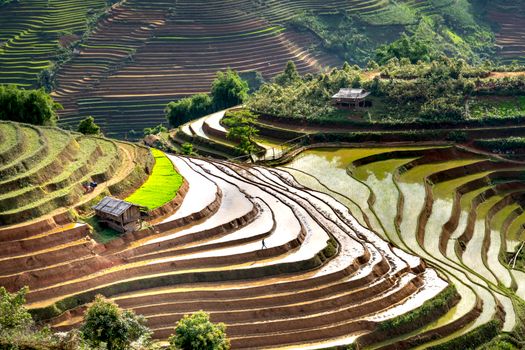
Head to the area around Debre Tabor. Here, you’ll see farmers using ox-drawn plows on terraced hillsides. This is regenerative agriculture in its purest, most ancient form. The biodiversity here is staggering; a single field might contain dozens of sub-varieties of Teff, each providing a different nutritional or resilient profile.
The Insider Detail:
Participate in a traditional Injera ceremony. The fermentation process (usually three days) is what unlocks the grain's nutrients. The "eyes" (bubbles) of the Injera are a mark of quality—the more eyes, the better the fermentation.
Pro-Tip:
Visit during the harvest in November or December. The landscape is a patchwork of gold and green, and the communal threshing songs are hauntingly beautiful.
3. The Blue Corn Guardians of Oaxaca, Mexico
In the valleys of Oaxaca, corn isn't just a crop; it’s a deity. While industrial GMO corn threatens the genetic integrity of Mexico’s heritage, the Chinantla and Central Valleys regions are fighting back.
The Experience:
Visit Itanoni in Oaxaca City, a "tortilleria" that functions more like a wine tasting room. They source specific landrace maize—Bolita, Belatove, and Cónico—from small-holder farmers. For a deeper dive, head to the community of Santa Ana Zegache, where local cooperatives are reviving amaranth and blue corn.
The Architecture of Flavor:
Notice the milpa system. These farmers don't just grow grain; they grow a "three sisters" ecosystem of corn, beans, and squash. The corn provides the structure, the beans provide nitrogen, and the squash shades the soil.
Pro-Tip:
Look for Tejate, a pre-Hispanic drink made from toasted maize and fermented cacao. It’s served in painted gourds and is the ultimate refresher for a humid Oaxacan afternoon.
4. The Nordic Rye Revival: Skåne, Sweden
In the windswept fields of Southern Sweden, a group of "grain rebels" is bringing back the flavors of the Viking Age. The focus here is on Svedjeråg (Forest Rye), a variety that was nearly extinct.
The Experience:
Make your way to Talldungen Gårdshotell in Brösarp. This isn't just a hotel; it’s a hub for the Nordic grain movement. They work closely with local farmers who utilize "evolutionary breeding"—letting different heritage varieties cross-pollinate naturally to create grains that can survive the changing climate.
The Vibe:
It’s "Scandi-Rustic." Think minimalist wooden tables, heavy linen napkins, and butter that tastes like the meadow it came from. The sourdough rye bread here is life-changing—dark, sour, and incredibly moist.
Pro-Tip:
The "hidden entrance" to the best grain views is a small hiking trail behind the Brösarp Backar hills. At sunrise, the mist clings to the rye stalks, making for a world-class photo op.
5. The Skagit Valley Frontier: Washington State, USA
The Pacific Northwest is currently the epicenter of the American heritage grain movement. The Bread Lab at Washington State University has turned the Skagit Valley into a living laboratory.
The Experience:
Visit Cairnspring Mills in Burlington. They’ve bypassed the commodity market to work directly with farmers growing Exeter and Skagit 1109 wheats. You can take a tour of the mill and see how they maintain the integrity of the bran and germ, which is where all the flavor lives.
The Logistics:
The valley is a short 90-minute drive north of Seattle. It’s best visited in late summer when the "Grain Gathering" festival happens, bringing together bakers, brewers, and farmers from around the globe.
Pro-Tip:
Stop at Breadfarm in the tiny town of Edison. Their "Bow Hill Berry" loaf uses local grains and local fruit. Arrive before 10 AM; they sell out daily.
6. The Himalayan Buckwheat Trail: Mustang, Nepal
In the "Forbidden Kingdom" of Mustang, bitter buckwheat (Phapar) is the backbone of the mountain diet. As roads finally reach these remote villages, the preservation of their unique grain varieties has become a matter of cultural survival.
The Experience:
Trek through the Lower Mustang region. In villages like Marpha, you’ll see flat roofs covered in drying buckwheat. The grain is ground into flour for Dhido, a thick porridge that provides the slow-burning energy needed for high-altitude life.
The Insider Language:
Don't call it "wheat." Buckwheat is a pseudo-cereal, more closely related to rhubarb than to grasses. In Mustang, it’s prized for its ability to grow in poor, rocky soil where nothing else survives.
Pro-Tip:
Pair your buckwheat pancakes with local apricot jam. The acidity of the fruit cuts through the earthy bitterness of the grain perfectly.
7. The Khorasan Keepers: Montana, USA
You might know it as Kamut, but the ancient grain Khorasan has a history that stretches back to the Fertile Crescent. Today, the high plains of Montana provide the perfect arid climate for this "King of Grains."
The Experience:
The Big Sandy area is the heart of Khorasan production. While these are large-scale farms, the commitment to organic standards and heritage preservation is world-class. Many farms offer educational tours during the summer months.
The Detail:
Khorasan kernels are twice the size of modern wheat and have a distinctive "hump." They are naturally high in selenium and protein, making them a favorite for elite athletes.
Pro-Tip:
The best way to experience this grain is at a local bakery in Bozeman or Missoula that specializes in "long-fermentation" Kamut loaves. The texture is buttery and the color is a brilliant, natural gold.
---
Quick Facts: Planning Your Grain Pilgrimage
| Destination | Best Time to Visit | Est. Daily Cost ($) | Primary Heritage Grain | How to Get There |
| :--- | :--- | :--- | :--- | :--- |
| Sicily, Italy | May - June | $150 | Timilia / Russello | Fly to Palermo, rent a car. |
| Oaxaca, Mexico | Oct - Jan | $80 | Landrace Maize | Fly to OAX, use local Colectivos. |
| Skagit Valley, USA| July - Aug | $200 | Skagit 1109 Wheat | Drive 1.5 hrs North of Seattle. |
| Mustang, Nepal | Sept - Nov | $50 | Bitter Buckwheat | Fly to Jomsom from Pokhara. |
| Skåne, Sweden | June - Aug | $220 | Svedjeråg (Rye) | Train from Copenhagen/Malmö. |
---
Why This Matters Now
We are at a tipping point. As climate change makes industrial monocultures more vulnerable, these heritage grains—which have survived thousands of years of pests, droughts, and floods—are the insurance policy for our future food security.
When you visit these farms, you aren't just a tourist. You are a patron of biodiversity. You are ensuring that the flavor of a 6,000-year-old Ethiopian highland or a sun-drenched Sicilian hillside doesn't vanish into the maw of homogeneity.
Eat the bread. Support the farmer. Save the seed.
---