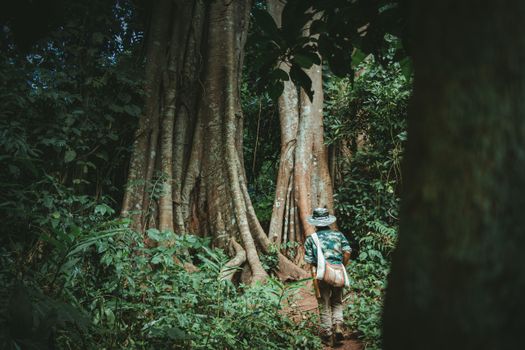
The World’s Last Secret: Sleeping in the Canopy Before Everyone Else Does
The first time I felt the gentle sway of my suspended tent, high above the Amazonian floor, a shiver ran down my spine. It wasn't fear, not exactly. It was the thrill of absolute immersion, the profound realization that I was utterly insignificant in the face of this ancient, breathing jungle. Below me, the inky blackness pulsed with unseen life. Above, a million stars peeked through the leafy canopy, a celestial tapestry woven by nature itself. This wasn't a hotel, a glamping site, or even a conventional campsite. This was raw, untamed nature, and I was sleeping right in its emerald embrace.
We’ve all seen the Instagram posts: luxury treehouses, chic glamping pods, and boutique eco-lodges perched amidst stunning foliage. And don't get me wrong, they're beautiful. But what I'm talking about is something else entirely. It's the next frontier of adventure travel, a truly off-the-beaten-path experience that allows you to sleep within the canopy – not just near it. Think suspended tents, porta-ledges, or even hand-built platforms that offer a 360-degree view of the rainforest's vibrant, throbbing heart.
And here's the kicker: these experiences are still largely undiscovered. They're niche, sustainable, and operated by passionate local guides who are safeguarding these precious ecosystems. This is your golden ticket, fellow Tripsora explorers, to experience the jungle in a way few ever will, before the crowds descend and the magic potentially fades. Trust me, you want to bookmark this one.
The Unforgettable Allure of the Upper World: Why Go Canopy Camping?
Why trade a comfy bed for a suspended hammock 50 feet up? The reasons are as numerous and diverse as the creatures that call the canopy home.
First, there's the perspective. From the ground, the jungle is a dense, often intimidating wall of green. From above, it transforms into a multi-layered world, a city in the trees. You gain an entirely new appreciation for the sheer scale and complexity of the ecosystem. I remember watching a troop of capuchin monkeys, usually just a blur in the distance, traversing the branches at eye level, their intricate social dynamics playing out before me like a private documentary.
Then there’s the soundtrack. The rainforest at night is not quiet. It's an orchestra of cicadas, frogs, birds, and the rustling of unseen creatures. From the canopy, these sounds are amplified and all-encompassing. You become part of the symphony, not just an observer. Waking up to the dawn chorus, with howler monkeys roaring their territorial claims and exotic birds chirping their morning greetings, is an experience that will etch itself into your soul. Forget your alarm clock; this is nature's wake-up call, and it’s glorious.
Finally, there's the unrivaled intimacy with wildlife. Many of the jungle's most fascinating inhabitants rarely venture to the forest floor. Sloths, toucans, monkeys, tree frogs, and a myriad of insects spend their entire lives in the upper reaches. Sleeping in the canopy dramatically increases your chances of encountering these elusive creatures up close. I once awoke to find a curious iridescent blue morpho butterfly resting on the mesh of my tent, its wings slowly opening and closing in the morning light. It was a moment of pure, unadulterated wonder.
This isn't just a trip; it's an education, a meditation, and an adventure rolled into one. It’s about disconnecting from the artificial world and reconnecting with something far more ancient and profound.
Your Untouched Green Sanctuaries: Top Picks for Canopy Treks
While the concept is still emerging, a few regions are leading the charge in offering these incredible, immersive canopy experiences. These are my top picks for where to find these untouched gems, along with what to expect.
1. The Peruvian Amazon: The Cradle of Biodiversity
Where:
Regions around Iquitos (Pacaya Samiria National Reserve) or Puerto Maldonado (Tambopata National Reserve).
What to Expect: The Amazon is the undisputed king of biodiversity, and Peru offers some of the most accessible yet wild sections. Here, canopy experiences often involve multi-day treks deep into primary rainforest, utilizing a combination of traditional ground camping and suspended tree tents or platforms. Guides are typically indigenous locals with unparalleled knowledge of the flora and fauna. Expect to see pink river dolphins, giant otters, macaws, monkeys, and maybe even a jaguar if you’re incredibly lucky.
My Experience: My first canopy sleep was in a remote part of the Pacaya Samiria. We spent days trekking, learning about medicinal plants, and spotting wildlife from the river. The night we spent suspended in the trees was the highlight. Our guide, Mateo, pointed out nocturnal birds with his flashlight, and I distinctly heard the rustle of something large moving below us. It was exhilarating and humbling.
Logistics:
* Best Time to Go: Dry season (May to October) offers easier trekking conditions and lower water levels for spotting animals, though the wet season (November to April) brings lushness and vibrant birdlife.
* Typical Duration: 5-7 days for a true immersive trek.
* Estimated Price Range: $1,500 - $3,000+ USD per person (for a reputable, all-inclusive tour).
* Tour Operator Example: Look for local eco-tour operators like "Amazon Canopy Adventures" (fictional name, but search for similar small-group, eco-focused companies). Ensure they have strong sustainability credentials and experienced guides.
2. Borneo (Malaysian Side): The Orangutan's Kingdom
Where:
Sabah and Sarawak states, particularly around Danum Valley Conservation Area or Tabin Wildlife Reserve.
What to Expect: Borneo offers a different kind of jungle magic, famous for its ancient rainforests and iconic orangutans. Canopy treks here might involve staying on elevated platforms built by local communities or using specialized tree tents. The focus is often on primate viewing, including proboscis monkeys, gibbons, and of course, the magnificent "man of the forest."
My Experience: In Sabah, I joined a small group for a 3-day trek that included one night on a sturdy, open-air platform high in a fig tree. We watched a family of orangutans foraging nearby at dusk – a truly spiritual experience. The sounds of the jungle were different here; more shrill insects, more distinct bird calls.
Logistics:
* Best Time to Go: Dry season (March to October) for easier trekking and wildlife spotting.
* Typical Duration: 3-5 days.
* Estimated Price Range: $1,000 - $2,500+ USD per person.
* Tour Operator Example: Search for ethical operators like "Borneo Canopy Expeditions" (fictional) specializing in small group, low-impact tours.
3. Costa Rica: The Eco-Tourism Pioneer
Where:
Osa Peninsula (Corcovado National Park) or remote areas near La Fortuna.
What to Expect: Costa Rica is renowned for its commitment to eco-tourism, and while many options lean towards luxurious treehouses, true canopy camping is emerging. Expect lush cloud forests and vibrant rainforests teeming with sloths, monkeys, toucans, and an incredible array of amphibians and reptiles. Some tours offer unique "tree tent" experiences accessed via ziplines or climbing systems.
My Experience: My Costa Rican canopy adventure was less about deep jungle trekking and more about unique access. We used a series of ropes and platforms to reach a "nest" high in a Guanacaste tree. The highlight was waking to a sloth slowly making its way across a branch just meters from my face. It was a slow, deliberate dance of nature.
Logistics:
* Best Time to Go: Dry season (December to April) is popular, but the green season (May to November) offers fewer crowds and vibrant landscapes, though with more rain.
* Typical Duration: 2-4 days.
* Estimated Price Range: $800 - $1,800+ USD per person.
* Tour Operator Example: Seek out smaller, specialized adventure companies like "Rainforest Ropes & Rests" (fictional) that emphasize technical climbing and unique overnight stays.
Preparing for Your Ascended Adventure: Practical Tips & Gear
This isn't your average camping trip. Proper preparation is key to ensuring a safe, comfortable, and unforgettable experience.
- Fitness Level: While not extreme mountaineering, you'll need a moderate level of fitness. Expect to hike for several hours a day, sometimes on uneven terrain, and potentially climb ropes or ladders to reach your sleeping platform.
- Packing Essentials (Less is More!):
- Lightweight, Quick-Dry Clothing: Long sleeves and pants are essential for protection against insects and scratches. Pack layers.
- Sturdy Hiking Boots: Waterproof is a bonus.
- Rain Gear: A lightweight, breathable rain jacket and pants are non-negotiable.
- Insect Repellent: High DEET content or picaridin is recommended.
- Headlamp/Flashlight: With extra batteries.
- Small Backpack: For day trips, leave larger bags at base camp.
- Water Bottle/Hydration Pack: Stay hydrated!
- Personal First-Aid Kit: Blister treatment, pain relievers, any personal medications.
- Biodegradable Toiletries: Essential for leaving no trace.
- Camera & Binoculars: For those incredible wildlife shots and close-up views. Consider a waterproof case for your phone/camera.
- Power Bank: Charging opportunities will be rare.
- Hat & Sunglasses: For sun protection.
- Lightweight Sleeping Bag Liner: If your tour provides a sleeping bag, a liner adds comfort and hygiene.
- Mental Preparation: Be ready for humidity, insects, potential rain, and the sounds of the jungle at night. Embrace the discomforts as part of the adventure.
- Safety First:
- Choose Reputable Operators: Research thoroughly. Look for companies with certified guides, strong safety records, and clear emergency protocols.
- Listen to Your Guides: They are the experts. Follow all instructions regarding wildlife, climbing, and camp safety.
- Travel Insurance: Absolutely essential. Ensure it covers adventure activities.
- Leave No Trace: This is paramount. Pack out everything you pack in. Do not disturb wildlife or vegetation. Stick to designated trails. These ecosystems are fragile.
The Ethos of the Canopy: Sustainable Travel & Conservation
The very nature of canopy trekking, especially in its current nascent stage, often aligns perfectly with sustainable and responsible tourism. Many of these operators are small, locally run, and deeply invested in protecting the environments they operate in.
When choosing a tour, prioritize those that:
* Employ Local Guides: This empowers communities and ensures traditional ecological knowledge is valued.
* Have Strong Conservation Programs: Do they contribute to local conservation efforts? Do they educate tourists on the importance of the ecosystem?
* Practice Low-Impact Tourism: Small group sizes, minimal infrastructure, and strict waste management are good indicators.
* Respect Wildlife: No feeding, touching, or harassing animals.
* Educate You: A good guide will teach you about the rainforest, its inhabitants, and the challenges it faces.
By choosing these experiences, you're not just embarking on an adventure; you're actively contributing to the preservation of some of our planet's most vital and vulnerable ecosystems. This is travel with purpose.
The Window is Closing: Why You Need to Go Now
The world is shrinking, and truly 'undiscovered' experiences are becoming rarer by the day. Canopy trekking, in its authentic, suspended form, is on the cusp. The demand for unique, experiential travel is exploding, and it won't be long before larger operators catch on, potentially altering the very essence of what makes these treks so special.
Right now, these experiences offer:
* Unparalleled Authenticity: You're with small groups, often led by indigenous guides, experiencing the jungle as it truly is.
* Minimal Crowds: Forget fighting for a view; you'll often have the canopy all to yourself.
* Direct Impact: Your tourist dollars directly support local communities and conservation efforts.
* A True Adventure: This isn't curated or sanitized; it's real, raw, and incredibly rewarding.
Imagine telling your grandkids about sleeping among the trees, hearing the jungle breathe, seeing a sloth at eye level, all before it became a mainstream vacation package. This is your chance to be a pioneer, to experience something genuinely extraordinary.
Conclusion: Answer the Call of the Wild
The jungle, with its ancient wisdom and vibrant life, is calling. It's offering an invitation to step beyond the ordinary, to suspend yourself between earth and sky, and to witness a world few ever glimpse. Sleeping in the canopy is more than just an adventure; it's a profound connection, a sensory overload, and a reminder of the wild beauty our planet still holds.
Don't wait for the glossy brochures to hit the mainstream. Don't wait for the Instagram feeds to be saturated. The time to experience these untouched jungle treks and sleep among the trees is now. Research, plan, and embark on the journey of a lifetime. The canopy awaits, ready to reveal its secrets to those brave enough to ascend.
Are you ready to climb into the heart of the wild? Share your dream canopy destination in the comments below, or tag us on Instagram with #TripsoraCanopyDreams when you book your adventure!
---