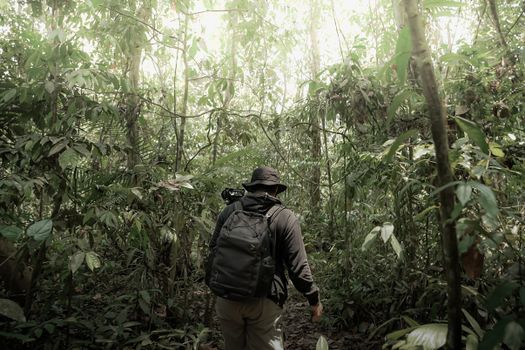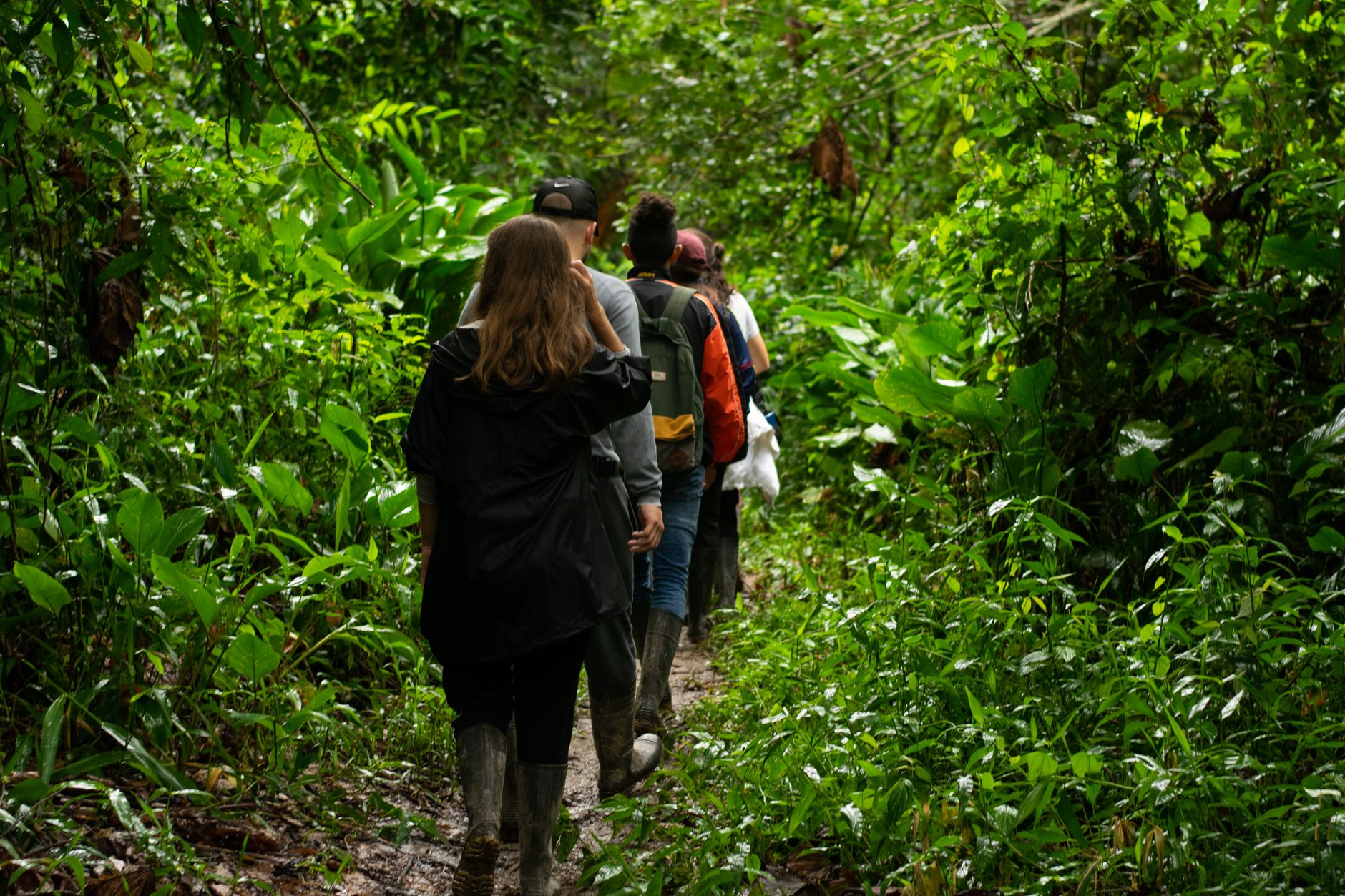
The first time I heard the distinct, guttural roar of a howler monkey, it wasn't from a distant safari jeep or a documentary. It was from just a few feet away, right outside my "bedroom" window – a mosquito-netted opening in a suspended tent, nestled high within the emerald embrace of the Amazon rainforest. My heart pounded, not from fear, but from an electrifying surge of pure, unadulterated awe. This wasn't just a trip; it was a sensory explosion, a primal connection, and frankly, the most mind-blowing night's sleep I’ve ever had.
For years, I’d chased adventure, seeking out experiences that pushed boundaries and redefined travel. But nothing, absolutely nothing, prepared me for the sheer magic of sleeping in the canopy. This isn't your average glamping trip; it's a deep dive into the heart of the wild, a chance to become one with the jungle, if only for a night or two. If you're tired of predictable vacations and crave a truly transformative journey, then strap in, because I'm about to blow your mind with the ultimate guide to jungle canopy treks where you literally sleep among the trees.
What Exactly Is Canopy Camping? Your Elevated Bedroom Awaits
Let's clarify what we're talking about here. When I say "sleep in the canopy," I'm not just referring to a fancy treehouse hotel (though some elements might overlap). I'm talking about an experience that ranges from incredibly rustic, suspended tents – think high-tech hammocks or portaledges anchored between ancient trees – to more robust, open-air platforms or basic, eco-friendly tree-cabins built directly into the forest's upper layers.
The core idea is simple: elevate your sleeping quarters far above the forest floor. Why? For an unparalleled perspective, enhanced safety from ground-dwelling critters, and an immersive experience that traditional lodges simply can't offer. You're not just near the jungle; you're in it. Your bed becomes a perch, your window a panoramic view of an ecosystem teeming with life. These aren't permanent structures; often, they're part of multi-day guided treks, set up by expert local guides who understand the forest intimately and prioritize both your safety and the environment's integrity. It's adventure, sustainability, and absolute wonder, all rolled into one incredible package.
Why Sleep in the Canopy? The Unforgettable Sensory Immersion
Why trade a comfy bed for a suspended tent, you ask? Because the rewards are immeasurable. This isn't just about a unique photo op (though believe me, your Instagram will thank you); it's about a profound, sensory awakening.
- The Symphony of the Night: As darkness descends, the jungle truly comes alive. Forget silence; the canopy hums with a thousand insect calls, the rustle of leaves, the distant roar of a jaguar, the hoot of an owl, and the unforgettable calls of monkeys. It's an orchestra of nature, and you have a front-row seat. Sleeping high above means these sounds envelop you, not just surround you.
- Wildlife Up Close and Personal: Being at eye-level with the canopy means you're in the prime zone for spotting arboreal wildlife. Monkeys swinging past your tent, sloths slowly making their way along branches, a kaleidoscope of exotic birds nesting nearby – these aren't guaranteed, but the chances are significantly higher when you're literally living in their world. I once watched a family of capuchin monkeys forage for breakfast just meters from my platform, their curiosity almost matching my own.
- Stargazing Beyond Belief: Away from any light pollution, the jungle night sky is a masterpiece. Lying in your elevated bed, looking up through the gaps in the leaves, you'll witness a blanket of stars so dense and brilliant it feels almost unreal. I’ve seen shooting stars streak across the Milky Way from my canopy perch, a moment of cosmic connection I’ll cherish forever.
- The Ultimate Disconnect: In an age of constant connectivity, sleeping in the canopy forces a digital detox. There’s no Wi-Fi, often no electricity, just you and the raw, untamed wilderness. It’s a chance to truly unplug, recharge your soul, and reconnect with something far more ancient and powerful than any screen.
- Adrenaline and Accomplishment: Let's be honest, there's a thrill to it. Climbing up to your sleeping spot, knowing you're about to spend the night suspended in the wild, is an adrenaline rush. Waking up to the jungle sunrise, having survived (and thrived!) among the trees, leaves you with an incredible sense of accomplishment and a story that will make jaws drop.
Where to Find Your Sky-High Slumber: Top Destinations
While the concept of canopy camping is gaining traction, specific, organized treks that offer overnight stays high in the trees are still relatively niche. This is part of what makes them so special. Here are some of the most incredible places to experience this mind-blowing adventure:
1. The Amazon Rainforest (Peru & Ecuador)
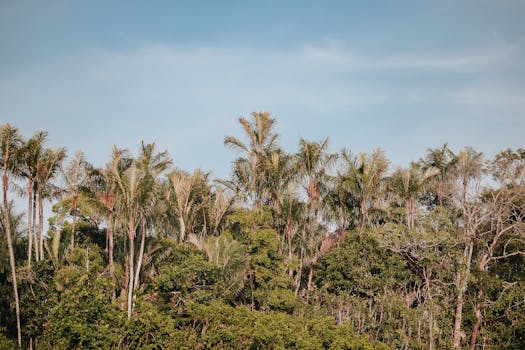
The Amazon is the quintessential jungle, and its vastness offers some of the most authentic canopy experiences.
- Peru – Tambopata & Manu National Parks:
- The Experience: Many eco-lodges and tour operators in the Tambopata region (near Puerto Maldonado) offer multi-day jungle expeditions that include nights in suspended canopy tents or on open-air platforms. These are often part of a broader trek, focusing on wildlife spotting (macaws, monkeys, caimans, jaguars if you're very lucky). Some lodges, like the famous Tambopata Research Center (though more lodge-based, some offer canopy towers for observation), provide access to incredible canopy walkways, and certain expeditions will set up more rustic, elevated camps.
- Specifics: Look for tour operators specializing in "deep jungle expeditions" or "canopy camping." These are usually guided, small-group treks. You’ll spend days trekking, spotting wildlife, learning about medicinal plants, and then ascend to your elevated camp for the night.
- Cost: A 4-7 day all-inclusive expedition can range from $800 - $2000+ per person, depending on the lodge's luxury level, group size, and specific activities. This typically covers guides, food, transportation, and accommodation (which might be a mix of lodge rooms and canopy camps).
- My Experience: My first canopy night was in a rudimentary setup near the Tambopata River. Our guides expertly strung up our mosquito-netted hammocks and a tarp high between three sturdy trees. The climb felt adventurous, and the feeling of swinging gently as the jungle sounds swelled around me was pure magic.
- Ecuador – Yasuni National Park & Cuyabeno Wildlife Reserve:
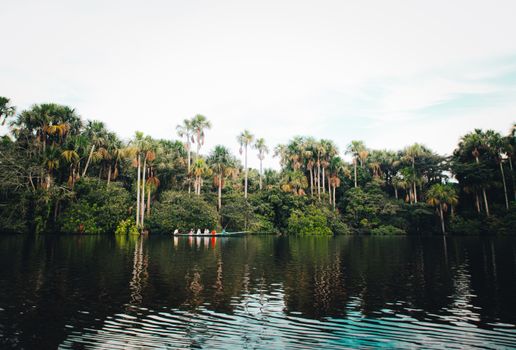
- The Experience: Ecuador's Amazon offers similar immersive experiences. The Sani Isla Ecolodge in Yasuni, for example, offers incredible canopy towers for observation, and some smaller, community-based tourism projects in Cuyabeno might offer more rustic, elevated sleeping options as part of a multi-day trek. The focus here is often on indigenous culture, piranha fishing, and navigating serene waterways by canoe.
- Specifics: Research eco-lodges and tour companies that emphasize sustainable, community-led tourism and deep jungle immersion.
- Cost: Similar to Peru, 4-5 day packages can range from $600 - $1500+ per person.
2. Borneo (Malaysia & Indonesia)
The ancient rainforests of Borneo are a biodiversity hotspot, home to orangutans, pygmy elephants, and clouded leopards.
- Malaysia – Danum Valley Conservation Area & Sepilok:
- The Experience: While many lodges in Danum Valley (like the Borneo Rainforest Lodge) are luxurious ground-based affairs, the region is ripe for canopy experiences. Some specialized trekking companies or scientific research centers might offer more rugged, elevated camping options as part of conservation or research treks. The focus here is often on orangutan encounters, incredible birdwatching, and exploring some of the oldest rainforests on Earth.
- Specifics: This might require more bespoke arrangements or joining conservation-focused expeditions. The Gibbon Experience in Laos (not Borneo, but similar concept) offers incredible treehouses accessed by zipline – a slightly different but equally mind-blowing canopy sleep experience.
- Cost: Danum Valley is generally more expensive due to its remote location and conservation efforts. A 3-day/2-night package at a reputable lodge (which might include canopy walks but not necessarily sleep-in-canopy) can be $1000 - $2000+. For true canopy camping, you'd need to look for more specialized adventure operators, which might be similar or slightly less for a more rustic setup.
- My Experience: While I haven't slept in the canopy in Borneo yet, I've spent nights in open-air platforms overlooking the Kinabatangan River, listening to the jungle. The sheer density of life, the calls of hornbills, and the distant trumpeting of elephants made it clear that this ecosystem is begging to be experienced from above.
3. Costa Rica
Known for its incredible biodiversity and pioneering eco-tourism, Costa Rica offers a more accessible entry into canopy adventures.
- Pacuare River Lodge (Near Turrialba):
- The Experience: This award-winning eco-lodge is a prime example of a luxurious yet authentic canopy experience. You arrive by whitewater raft, and your "room" is often an open-air bungalow or a more private suite built on stilts, high among the trees, with one wall entirely open to the rainforest. While not a "suspended tent," it offers an unparalleled sense of sleeping in the canopy.
- Specifics: Expect incredible birdwatching, guided hikes, and the thrill of the Pacuare River itself. It's a blend of adventure and eco-luxury.
- Cost: Packages usually start around $500 - $800+ per person per night, often including meals and activities.
- My Experience: The Pacuare River Lodge was a revelation. Waking up in my open-air bungalow, watching mist rise through the canopy, and hearing the distant roar of the river was utterly serene. It felt like I was living in a giant, comfortable bird's nest.
- Other Regions: Look for smaller, off-the-beaten-path eco-lodges in areas like the Osa Peninsula (Corcovado National Park) or Monteverde (cloud forest), which might offer more rustic, elevated platforms or tree-cabins designed for immersion.
Planning Your Elevated Adventure: Practical Tips & Gear
Ready to book your canopy adventure? Here’s what you need to know to make it safe, enjoyable, and truly mind-blowing:
- Choose Your Operator Wisely: This is paramount. Research tour companies thoroughly. Look for:
- Strong Safety Records: Are guides certified in wilderness first aid? Do they use high-quality, regularly inspected gear for ropes, harnesses, and tents?
- Eco-Tourism Credentials: Do they practice leave-no-trace principles? Do they support local communities and conservation efforts? Are they certified by recognized eco-tourism bodies?
- Experienced Local Guides: Indigenous guides or those who have spent their lives in the jungle offer invaluable insights into flora, fauna, and survival.
- Reviews: Check platforms like TripAdvisor, Google, and travel forums for authentic feedback.
- Pack Smart & Light: You’ll likely be trekking to your canopy camp, so every ounce counts.
- Clothing: Lightweight, quick-drying, long-sleeved shirts and pants (for sun and insect protection). Neutral colors are best for wildlife viewing. A light rain jacket is essential.
- Footwear: Sturdy, waterproof hiking boots are a must. Bring sandals or water shoes for camp.
- Insect Repellent: Invest in a high-DEET (30-50%) or picaridin-based repellent. This is non-negotiable.
- Headlamp/Flashlight: With extra batteries. No streetlights up there!
- Binoculars: For spotting incredible wildlife from your elevated perch.
- Camera Gear: A good camera with a zoom lens. Consider a waterproof bag or case.
- Water Bottle: Reusable, to minimize plastic waste.
- Small Daypack: For daily treks.
- Personal First-Aid Kit: Band-aids, antiseptic wipes, pain relievers, any personal medications.
- Quick-Dry Towel: Compact and efficient.
- Biodegradable Toiletries: To minimize environmental impact.
- Physical Fitness: While you don't need to be an Olympic athlete, a moderate level of fitness is usually required. You'll be trekking, potentially climbing ladders or using ropes to access your canopy camp. Be honest with yourself and your tour operator about your capabilities.
- Embrace the Bugs: Yes, there will be bugs. It's the jungle! Good repellent and proper clothing will minimize discomfort. Remember, you're a guest in their home.
- Leave No Trace: This is crucial. Pack out everything you pack in. Do not disturb wildlife or remove anything from the forest. Support operators who are genuinely committed to conservation.
- Booking: These specialized experiences often have limited availability due to their unique nature and small group sizes. Book well in advance, especially during peak seasons.
My First Time in the Treetops: A Personal Account
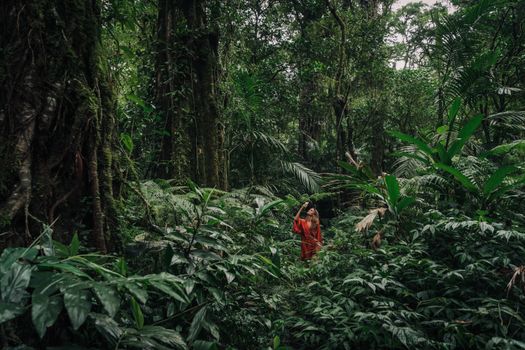
The sun was beginning its slow descent, painting the sky in fiery oranges and purples, as we reached our designated canopy camp. Our guide, Mateo, a man whose knowledge of the Amazon felt as ancient as the trees themselves, had led our small group of four deep into the Tambopata wilderness. Sweat trickled down my back, but excitement buzzed through me.
Mateo pointed upwards. Suspended between three towering ironwood trees, about 50 feet off the ground, were three individual, custom-made portaledge-style tents, each secured with an intricate system of ropes and carabiners. My heart did a little flip. This was it.
The climb was exhilarating. I clipped into the safety line, Mateo gave me a thumbs-up, and I began ascending the rope ladder, my hands gripping tight, my eyes wide. Reaching the platform, I unclipped and stepped into my temporary home. It was simple: a sturdy base, a comfortable mattress, and mosquito netting that zipped all around, offering a panoramic view.
As the last slivers of daylight faded, Mateo brought up our dinner – a surprisingly delicious chicken and rice stew, eaten by headlamp. The sounds of the jungle intensified with the darkness. I lay back, listening. The chirping of crickets, the croaking of frogs, the rustle of unseen creatures in the leaves below, and then, the unmistakable, haunting call of a night monkey. It was overwhelming, in the best possible way.
I remember waking up hours later, not to an alarm, but to the first faint chirps of birds, followed by a cacophony of squawks and whistles as the jungle truly roused itself. A sliver of golden light pierced the canopy, illuminating dew-kissed leaves. I peeked out, and there, no more than 15 feet away, a vibrant blue morpho butterfly fluttered past, its iridescent wings catching the light. It felt like a dream, yet it was gloriously real. That morning, as I descended back to solid ground, I carried with me not just mosquito bites, but a profound sense of connection, a renewed appreciation for the wild, and a story I knew I’d tell for the rest of my life.
Is It for You? Facing Your Fears and Embracing the Wild
"But what about the bugs?" "Aren't you scared of heights?" "Is it comfortable?" These are the questions I get asked most often. And yes, these are valid concerns.
- Bugs: They're part of the jungle experience. With good repellent, proper clothing, and a well-sealed tent, you'll be fine. Embrace them as part of the ecosystem.
- Heights: If you have severe vertigo, this might not be for you. However, the feeling of security from the well-anchored platforms and the gradual acclimatization often help. The beauty of the view often outweighs the initial apprehension.
- Comfort: It's not a five-star hotel, but it's surprisingly comfortable. The focus is on the experience, not luxury. You'll be tired from trekking, and the sounds of the jungle will lull you into a surprisingly deep sleep.
Ultimately, sleeping in the canopy is for the adventurous, the curious, and those who crave something truly different. It's for travelers who want to push their boundaries, disconnect from the mundane, and forge an unforgettable bond with nature. It’s about more than just a place to sleep; it’s about a perspective shift, an awakening of the senses, and a story that will set your soul on fire.
So, are you ready to trade your predictable hotel room for a night under a canopy of stars, with the jungle's secrets whispering around you? Are you ready to wake up to the most incredible alarm clock on Earth? This isn't just a trip; it's a journey into the wild heart of the planet, and into your own adventurous spirit.
---