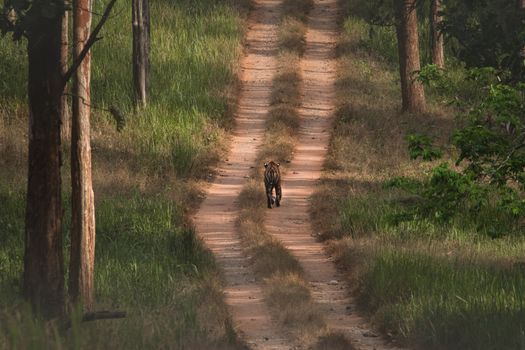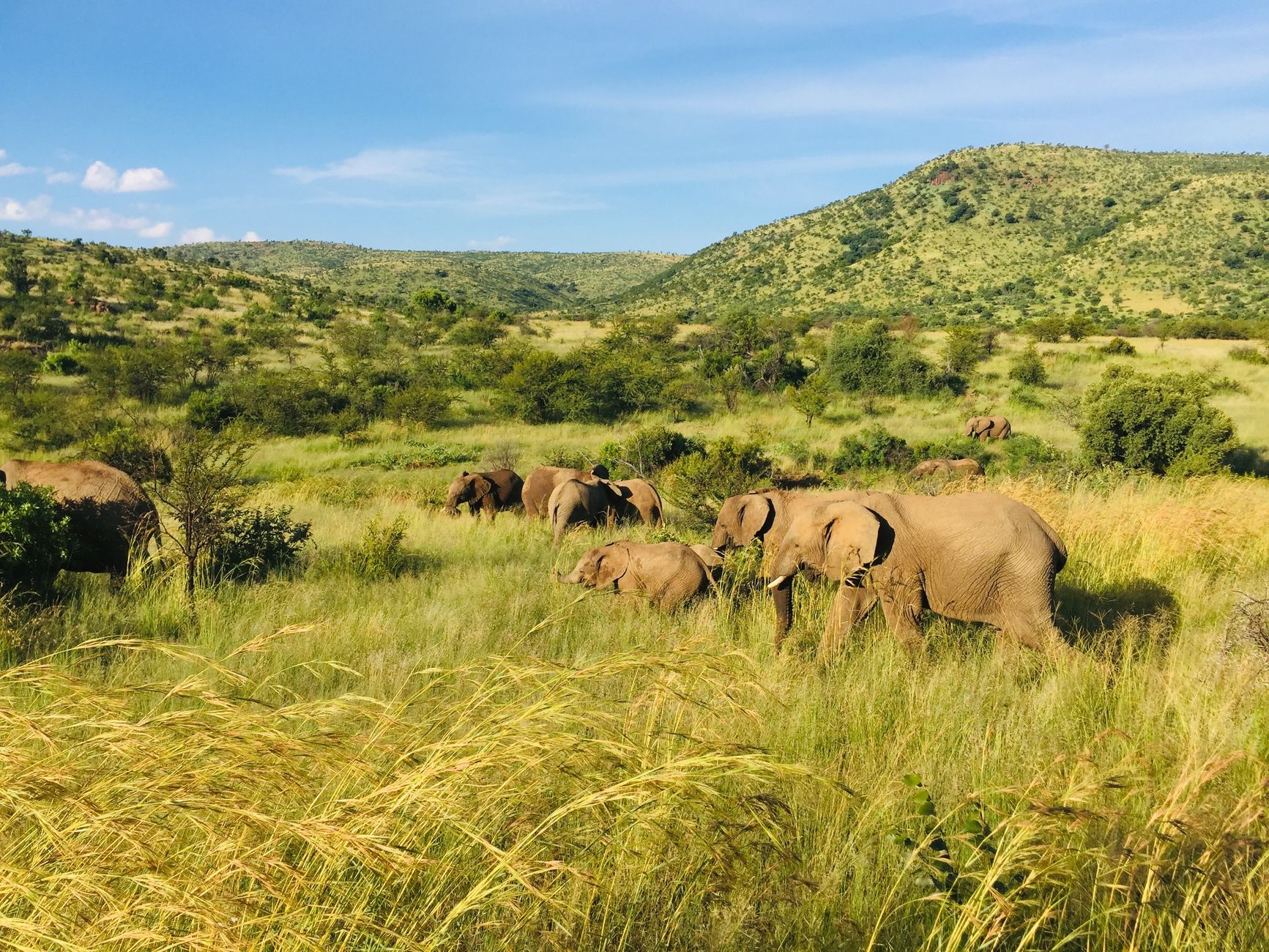
Wildlife corridors are strips of land or water that connect habitats separated by roads, farms, towns or other developments. They allow animals to move for food, shelter, breeding and seasonal migration, and they help maintain genetic diversity between populations that would otherwise become isolated. Corridors can take many forms, from hedgerows and woodland strips to wildlife crossings over motorways and tunnels under rivers. Keeping them functional requires ongoing attention, because vegetation can be cleared, fences can block passage and new development can cut routes that were once open. This guide explains why corridors matter, how travelers and volunteers can help maintain them and how to do so responsibly.
Why corridors matter
Many species need access to several habitat patches over the course of a year. Deer may move between summer and winter ranges, amphibians may travel between breeding ponds and woodland, and larger mammals may cover wide areas in search of food or mates. When these routes are blocked, populations can become fragmented, which makes them more vulnerable to disease, climate change and local extinction.
Corridors also support broader ecosystem processes. Pollinators, seed dispersers and predators all depend on movement across landscapes, so the benefit extends beyond the species that use the corridor directly. Keeping a corridor open is often more cost-effective than trying to restore a population after isolation has taken hold.
Understanding how corridors are managed
Corridors are managed by a range of organizations, including national park services, conservation trusts, local councils, farmers and private landowners. Some are formally protected, while others are informal links that depend on the goodwill of those who manage the land. Management can include planting native hedges, controlling invasive species, maintaining wildlife underpasses and fencing in ways that allow animals to pass.
Before offering help, find out who manages the corridor and what their priorities are. Practical contributions work best when they follow an agreed plan, so ask before undertaking any work on land you do not own.
Volunteering to help
Many conservation groups run volunteer days that involve planting native trees and shrubs, clearing invasive plants, repairing fences and monitoring wildlife use of crossings. These tasks require supervision and proper equipment, so look for organizations that provide training and safety briefings.
Check the time commitment, physical demands and any requirements such as age limits or insurance. Some projects welcome short-term volunteers, while others prefer regular participation over a season or longer. Wear appropriate clothing and footwear, bring water and follow instructions closely, especially around machinery and in areas with livestock.
Responsible travel in corridor areas
Visitors can help simply by behaving carefully in corridor landscapes. Keep to marked paths and avoid walking through hedgerows, reed beds or other vegetation that wildlife uses for cover. Keep dogs under control, since loose dogs can disturb animals and cause injury. Do not feed wildlife, which can change natural behavior and bring animals into dangerous contact with roads.
Watch your speed on roads that cross corridors, particularly at dawn and dusk when many animals are active. Respect seasonal closures that protect breeding or migration periods, and keep noise and light to a minimum in sensitive areas.
Supporting corridor projects from a distance
Financial support is another valuable form of help. Donations, membership schemes and sponsorship of specific tasks such as hedge planting can fund ongoing maintenance. Check that the organization is registered or recognized in its country, and review its published reports to understand how funds are used.
Advocacy also matters. Responding to public consultations on road schemes, planning applications or agricultural policy can influence whether corridors are protected. Supporting local groups that monitor wildlife movement can provide valuable data that helps managers make better decisions.
Avoiding common mistakes
Good intentions can cause problems if they are not coordinated. Planting non-native species, removing dead wood that provides habitat, or clearing vegetation outside an agreed plan can all damage a corridor. Setting up wildlife cameras or bait stations without permission can also disrupt animals and conflict with management goals.
Ask experienced managers before undertaking changes, and follow established best practice. If you find damage, such as a blocked underpass or a broken fence, report it to the relevant authority rather than attempting extensive repairs yourself unless you have been trained and authorised to do so.
Practical tips
- Identify who manages a corridor before offering practical help.
- Choose volunteer projects that provide training, supervision and safety briefings.
- Keep to marked paths and keep dogs under control in sensitive areas.
- Drive slowly on roads that cross corridors, especially at dawn and dusk.
- Do not feed wildlife or disturb nests, dens and breeding sites.
- Report damage or obstructions to the relevant authority, and consider donating or responding to consultations.
Wildlife corridors are a simple but powerful idea: allowing animals to move freely keeps landscapes connected and populations healthier. Visitors can contribute through careful behavior, volunteer work, financial support and public engagement. When these efforts are coordinated with land managers, they help ensure that the routes animals depend on remain open for the long term.