The Shift: Why We Are Letting Nature Take the Wheel
I stepped off the local train at Billingshurst, Sussex, expecting the usual manicured English countryside—parcs of rye grass, neat hedgerows, and the hum of distant tractors. Instead, within twenty minutes of walking, I was knee-deep in a riot of thorny scrub, the air thick with the musky, sweet scent of wild chamomile and damp oak bark.
A sudden, deep grunt made me freeze. Through the dense hazel coppice, a Tamworth pig—bristly, rust-colored, and caked in dried mud—was enthusiastically rotovating the soil with its snout. This wasn’t a farm. This was Knepp, the poster child for European rewilding, and that pig was acting as an ecological engineer, unlocking seeds dormant in the soil for decades.
For generations, conservation meant putting a fence around a landscape and trying to freeze it in time. Rewilding flips the script. It’s about stepping back, reintroducing missing keystone species (from beavers to apex predators), and letting natural processes drive the ecosystem.
But these projects aren't locked away in scientific vaults. The world’s leading conservationists are opening their gates to travelers. By visiting, staying, and participating, you provide the vital economic engine that makes large-scale habitat restoration viable.
Here are six pioneering rewilding projects you can visit and support right now.
---
1. Knepp Estate: The English Pioneer (West Sussex, UK)
The Return of the Wild Wood
Just 45 miles from the sprawl of London lies Knepp Estate, a 3,500-acre former intensive dairy farm that turned its back on modern agriculture in 2001. Owners Isabella Tree and Charlie Burrell realized their heavy clay soil was a financial sinkhole. They sold the machinery, cleared the internal fences, and introduced free-roaming herbivores: Old English longhorn cattle, Exmoor ponies, Tamworth pigs, and red and fallow deer.
Today, Knepp is a biodiversity hotspot of European significance. It is home to the UK’s largest population of purple emperor butterflies, a nesting ground for rare turtle doves, and the site of the first wild white stork chicks hatched in Britain in hundreds of years.
```
+-----------------------------------------------------------------+
| KNEPP ESTATE |
+-----------------------------------+-----------------------------+
| Best Time to Visit | May to September |
| Key Species to Spot | White storks, beaver, pigs |
| Direct Conservation Impact | 100% of camping profits go |
| | back to habitat management |
+-----------------------------------+-----------------------------+
```
- The Vibe: English gothic meets safari. Think canvas yurts, outdoor wood-fired baths, and the constant, deafening hum of summer insects.
- Pro-Tip: Book the "Tree Platform" tour. It’s a wooden deck suspended 30 feet up in an ancient oak tree. Bring a thermos of coffee at 5:30 AM to watch the morning mist rise over the rewilded parkland as red deer stags call in the distance.
---
2. Iberá National Park: The Wetland Renaissance (Corrientes, Argentina)
Reintroducing the Claws and Crowns
If you want to see rewilding on a truly monumental scale, head to the clay-red tracks of northeastern Argentina. The Iberá Wetlands were once plagued by cattle ranching, poaching, and monoculture pine plantations. Enter Tompkins Conservation (now Rewilding Argentina), which systematically purchased degraded ranches, restored the natural hydrology, and began one of the most ambitious multi-species reintroduction programs on Earth.
They didn't just bring back the flora; they brought back the apex predators. Today, giant river otters, green-winged macaws, peccaries, and—most famously—jaguars roam free in a vast marshland that once again functions as a complete ecosystem.
```
+-----------------------------------------------------------------+
| IBERÁ WETLANDS |
+-----------------------------------+-----------------------------+
| Best Time to Visit | April to October |
| Key Species to Spot | Jaguar, giant otter, macaw |
| Direct Conservation Impact | Funds local ranger patrol |
| | and wildlife monitoring |
+-----------------------------------+-----------------------------+
```
- The Vibe: Gaucho culture meets aquatic wilderness. You’ll travel by narrow motorboats through channels choked with water hyacinth, staying in lodges that blend local timber architecture with high-end sustainable design.
- Pro-Tip: Access the park via the Portal Galarza entrance. It’s less touristed than Portal Carambola. Hire a local guide to take you out on a kayak at 3:00 PM; the golden hour light reflecting off the marshland water makes the giant anteaters look like prehistoric silhouettes against the sawgrass.
---
3. Dundreggan Rewilding Centre: The Caledonian Forest (Inverness-shire, Scotland)
Rebuilding the Great Forest of Glenmoriston
Scotland’s Highlands look majestic, but they are ecological deserts—the result of centuries of overgrazing by sheep and red deer. Trees for Life is changing that at Dundreggan, a 10,000-acre estate that is home to the world’s first dedicated rewilding center.
Instead of planting trees in neat, industrial rows, Dundreggan focuses on restoring the ancient Caledonian Forest by planting native species like Scots pine, rowan, juniper, and dwarf birch, while managing deer populations to allow natural regeneration. The result is a scrubby, wild forest floor bursting with rare wood ants, pine martens, and golden eagles.
```
+-----------------------------------------------------------------+
| DUNDREGGAN WILD FOREST |
+-----------------------------------+-----------------------------+
| Best Time to Visit | September to November |
| Key Species to Spot | Pine marten, red squirrel |
| Direct Conservation Impact | Direct funding for native |
| | tree nursery propagation |
+-----------------------------------+-----------------------------+
```
- The Vibe: Moody, peat-scented, and deeply educational. The brand-new visitor center features stunning timber architecture made from local larch, housing interactive exhibits and a cozy café serving wild venison stew and local heather honey cake.
- Pro-Tip: Walk the Muckrach Trail. Halfway up, there is a hidden, rocky clearing where wood ants build massive, dome-shaped pine needle nests up to four feet high. Put your ear close (but not too close!) to hear the faint, collective rustle of thousands of tiny feet.
---
4. Greater Côa Valley: The Prehistoric Corridor (Northern Portugal)
Rewilding the Mediterranean Scrub
In northern Portugal, the rural exodus of the late 20th century left vast swathes of land abandoned. Rewilding Portugal stepped in to turn this economic challenge into an ecological triumph. By securing a 120,000-hectare wildlife corridor in the Greater Côa Valley, they are bringing back the natural grazing patterns that prevent devastating forest fires.
They have introduced semi-wild Sorraia horses and Tauros cattle (surrogates for the extinct aurochs) to mimic the grazing of ancient herbivores. The return of these animals has boosted populations of roe deer and wild boar, which in turn support the endangered Iberian wolf and rare birds of prey like the Egyptian vulture.
```
+-----------------------------------------------------------------+
| GREATER CÔA VALLEY |
+-----------------------------------+-----------------------------+
| Best Time to Visit | March to June (Wildflowers) |
| Key Species to Spot | Sorraia horse, griffon |
| | vulture, Iberian wolf |
+-----------------------------------+-----------------------------+
```
- The Vibe: Sun-baked, rugged, and ancient. The valley is famous for its Paleolithic rock art, meaning you can view 20,000-year-old carvings of horses and aurochs, then walk outside and see their living descendants grazing on the hillsides.
- Pro-Tip: Rent an e-bike from the Vale de Madeira adventure center. The dirt tracks are steep and dusty, but an electric boost allows you to silently navigate the granite ridges where griffon vultures nest in the cliffs.
---
5. Marker Wadden: The Man-Made Archipelago (Markermeer, Netherlands)
Turning Industrial Silt into a Bird Paradise
Can you rewild a landscape that didn't even exist a decade ago? The Dutch say yes. The Markermeer was a lifeless, silt-choked freshwater lake created by the construction of the Houtribdijk dike. In 2016, the conservation group Natuurmonumenten began building an archipelago of five artificial islands using sand, clay, and silt dredged from the lake bed.
The result is Marker Wadden, a dynamic wetland ecosystem that has transformed the lake’s water quality and created a massive sanctuary for migratory birds. Common terns, avocets, and bearded reedlings have colonized the islands in their tens of thousands.
```
+-----------------------------------------------------------------+
| MARKER WADDEN |
+-----------------------------------+-----------------------------+
| Best Time to Visit | April to August |
| Key Species to Spot | Avocet, marsh harrier, tern |
| Direct Conservation Impact | Ferry tickets and mooring |
| | fees fund ongoing dredging |
+-----------------------------------+-----------------------------+
```
- The Vibe: Ultra-minimalist Dutch design meets raw coastal wilderness. The only buildings are a few off-grid, solar-powered wooden cabins and three architecturally striking bird hides that look like sculptures rising from the reeds.
- Pro-Tip: Take the first ferry of the day from Lelystad Haven at 9:00 AM. Bring your own binoculars and high-quality windbreaker; there are no shops or rental facilities on the islands, and the North Sea wind can be biting even in mid-July.
---
6. Samara Karoo Reserve: Restoring the Great Karoo (Eastern Cape, South Africa)
Reversing Desertification in the Great Karoo
The semi-arid Great Karoo region of South Africa was once home to massive, migratory herds of springbok, black wildebeest, and the predators that followed them. Decades of intensive sheep farming turned this delicate grassland into a dusty, eroded desert.
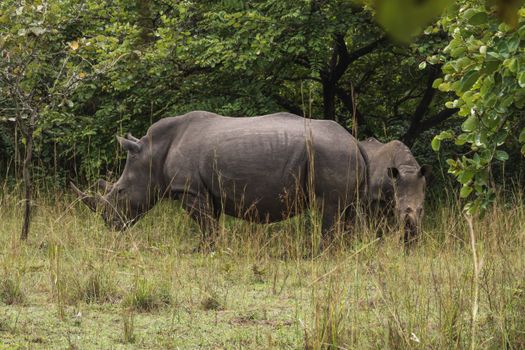
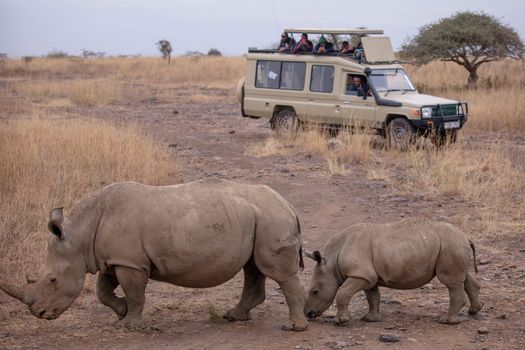
Since 1997, Samara Karoo Reserve has been working to reverse this damage. They have rested the land, restored natural water courses, and successfully reintroduced the "Big Five" alongside cheetahs and Cape mountain zebras. The return of these species has kickstarted natural vegetation cycles, turning dry dust back into fertile, carbon-sequestering grasslands.
```
+-----------------------------------------------------------------+
| SAMARA KAROO RESERVE |
+-----------------------------------+-----------------------------+
| Best Time to Visit | May to September |
| Key Species to Spot | Cheetah, black rhino, aard- |
| | wolf, Cape mountain zebra |
+-----------------------------------+-----------------------------+
```
- The Vibe: High-end safari elegance with a deep, ecological soul. Think luxury homesteads built from local stone, outdoor star-beds, and dining on wild venison carpaccio seasoned with local Karoo bossie herbs.
- Pro-Tip: Book a walking safari to track cheetahs on foot. Because Samara pioneered cheetah conservation in the region, the resident cheetahs are relaxed around humans, allowing you to sit quietly on the red earth just 20 yards from a mother and her cubs.
---
Quick Facts: Logistics & Budget Planner
| Project | Location | Est. Cost ($) | Best Way to Get There |
| :--- | :--- | :--- | :--- |
| Knepp Estate | Sussex, UK | $$ (Camping) | Train from London Victoria to Billingshurst, then 10-min taxi. |
| Iberá National Park | Corrientes, Argentina | $$$$ (All-inclusive) | Fly to Posadas or Corrientes, followed by a 4x4 transfer. |
| Dundreggan | Glenmoriston, Scotland | $ (Day visit) / $$ (Lodge) | Fly to Inverness, rent a car, and drive south along Loch Ness. |
| Greater Côa Valley | Northern Portugal | $$ (Eco-lodges) | Fly to Porto, rent a car, and drive 2.5 hours east. |
| Marker Wadden | Markermeer, Netherlands | $ (Ferry) / $$$ (Cabins) | Train from Amsterdam to Lelystad Centrum, then local bus to harbor. |
| Samara Karoo | Eastern Cape, South Africa | $$$$ (Luxury Lodge) | Fly to Port Elizabeth (Gqeberha), then drive 2.5 hours north. |
---
The Verdict: How to Choose Your Rewilding Adventure
If you want to see rewilding in action but are short on time, Knepp Estate or Marker Wadden offer incredible, easily accessible European weekend breaks.
For those seeking a deep, off-grid adventure where you can witness the return of apex predators on a grand scale, start saving for Iberá National Park or Samara Karoo Reserve.
Whichever you choose, you’ll be doing more than just taking photos. You’ll be putting your money directly into the hands of the scientists, rangers, and communities working to ensure that our planet’s wild heart keeps beating.
---