The Moment I Realized "Sustainable Travel" Was No Longer Enough
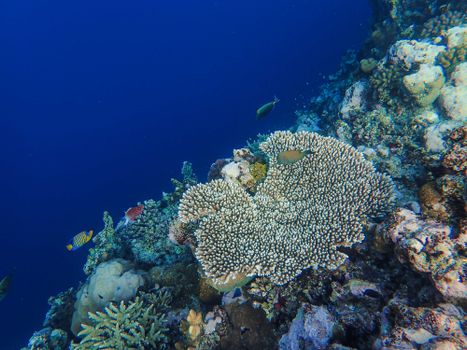
The smell of damp neoprene drying in the tropical sun, the sharp tang of salt water crusting on my skin, and the low, rhythmic hiss-click of my scuba regulator. I was hovering thirty feet below the surface off the coast of Bonaire, holding a piece of staghorn coral no larger than my index finger.
Using a tiny squeeze of two-part marine epoxy, I carefully secured the fragment to a custom-built fiberglass "reef tree." As I backed away, a yellowtail snapper darted through the scaffolding, instantly claiming this micro-habitat as home.
For decades, the travel industry told us to "leave only footprints." But footprints don’t repair bleached reefs. Footprints don't reverse the loss of 50% of the world’s coral cover.
To truly save our oceans, we must transition from passive sustainability to active regeneration. That is why the world's top luxury travel designers are shifting their recommendations. If you want to make a tangible, measurable impact on your next vacation, here is the definitive guide to the best coral restoration you can participate in travel advisors suggest booking right now.
---
Why Travel Advisors are Pivoting to Regenerative Marine Tourism
The modern affluent traveler doesn't just want a private plunge pool; they want a legacy. Travel advisors have noted a massive surge in clients asking for "purpose-driven adventure."
But let’s be honest: the voluntourism sector is riddled with greenwashing. Many resorts charge premium rates for "eco-activities" that amount to little more than burying a single coconut on a beach.
To combat this, elite travel advisors vet marine conservation programs using three strict criteria:
* Scientific Integrity: Is the program run by accredited marine biologists or NGOs?
* Measurable Impact: Do they track the survival rates of transplanted corals?
* Hands-on Engagement: Do guests actually get their hands dirty (or wet), or are they just watching a slideshow?
When you book one of the vetted experiences below, you aren't just funding conservation; you are the labor force driving it.
---
1. Bonaire: The Pioneer of Reef Renewal
If you ask any serious dive specialist where to start your marine conservation journey, they will point you to Bonaire. This Dutch Caribbean island is a protected marine park from the high-water mark down to a depth of 200 feet.
```
Insider Lingo: "Micro-fragmentation" is the process of cutting coral into tiny pieces. This stimulates a rapid healing response, causing the coral to grow up to 40 times faster than it would naturally.
```
The Experience
Operating out of Buddy Dive Resort, Reef Renewal Foundation Bonaire (RRFB) has revolutionized citizen science. Over three days, you can earn your PADI Reef Renewal Distinctive Specialty certification.
You will learn how to clean the algae off the hanging coral "trees" (which look like underwater clotheslines), harvest healthy fragments, and use underwater glue or zip-ties to attach mature corals to the natural reef substrate.
Advisor Insider Tip
* The Secret Dive: Ask your divemaster to take you to the Jerry's Reef site at dawn. It is home to some of the oldest outplanted elkhorn corals on the island, and at 6:30 AM, you’ll share the water with actively feeding hawksbill turtles without another dive boat in sight.
---
2. The Maldives: High-Tech Coral Propagation at Landaa Giraavaru
The Maldives is the poster child for climate vulnerability. Thankfully, it is also home to some of the most sophisticated marine conservation programs on Earth.
The Experience
At the Four Seasons Resort Maldives at Landaa Giraavaru, the in-house marine biology agency, Seamarc, runs one of the world's most successful coral propagation projects.
Here, you don’t even need to be scuba certified to participate. Guests work alongside marine biologists on dry land to attach coral fragments to patented, prefabricated steel frames coated with sand.
Once loaded with fragments, the frames are placed in the lagoon. The resort uploads bi-annual photographic progress reports of your specific frame to an online database, allowing you to watch your coral garden grow from your laptop back home.
Advisor Insider Tip
* Avoid the Crowds: Book your frame-building session for 2:00 PM. Most guests are at the pool or on afternoon excursions, meaning you get one-on-one time with the marine biologists to ask deep-dive questions about oceanography.
---
3. Key Largo, Florida: CRF’s Coral Tree Nurseries
The Florida Reef Tract is the third-largest living coral barrier reef system in the world, and it has suffered immense degradation. The Coral Restoration Foundation (CRF), based in Key Largo, is fighting back with scale.
The Experience
CRF operates the largest open-ocean coral nursery in the world. Travel advisors suggest booking their "Reef Rescue" charter days.
Your day begins at their state-of-the-art land exploration center, where you practice restoration techniques on dry land. In the afternoon, you board a dive boat to visit the offshore nurseries.
Armed with wire brushes and scrapers, you will dive among hundreds of floating PVC "trees," cleaning them of competitive algae and fire coral to ensure the growing staghorn and elkhorn corals thrive.
Advisor Insider Tip
* The Hidden Entrance: The CRF Exploration Center is located at 561 E Jaspr Rd in Key Largo. If you are driving down from Miami, stop at Mrs. Mac’s Kitchen (the original one, behind the green door) at 9:30 AM for a slice of Key Lime pie before your afternoon dive. You'll need the sugar rush for the physical work underwater.
---
4. Pemuteran, Bali: Healing Reefs with Biorock Technology
In the quiet, volcanic-sand bay of Pemuteran in northwest Bali, a revolutionary technology is keeping corals alive during severe marine heatwaves.
The Experience
The Karang Lestari Project utilizes Biorock technology. This process involves running a safe, low-voltage electrical current through steel underwater structures.
The current causes dissolved minerals in the seawater to precipitate onto the steel, forming a natural limestone coating similar to the material coral skeletons are made of. Corals transplanted onto Biorock structures grow up to six times faster and have a 20-fold higher survival rate during bleaching events.
You can take a multi-day Biorock course here, learning how to weld structures, install electrical connections, and transplant corals onto active Biorock grids.
Advisor Insider Tip
* The Cultural Connection: Combine your reef work with a visit to the nearby Pulaki Temple. Ask your local guide to arrange a blessing with a temple priest using holy water sourced from a spring that runs directly beneath the Biorock bay.
---
5. The Great Barrier Reef, Australia: Citizen Science on the Outer Reef
The Great Barrier Reef is massive, resilient, and in need of active stewardship. Travel advisors recommend bypassing the mass-tourism day-boats out of Cairns and opting for dedicated conservation vessels.
The Experience
Passions of Paradise runs a dedicated "Marine Biologist for a Day" program on the Outer Great Barrier Reef.
You will join an accredited Master Reef Guide to conduct surveys using the Rapid Monitoring Methodology developed by the Great Barrier Reef Marine Park Authority.
Using underwater slates, you will record coral health, count key indicator species (like parrotfish and giant clams), and identify areas affected by coral bleaching or crown-of-thorns starfish outbreaks. The data you collect is uploaded directly to the Australian government's Eye on the Reef database.
Advisor Insider Tip
* The Gear Hack: Bring a polarized lens filter for your underwater camera. The glare on the shallow outer reefs of the Coral Sea can wash out the vibrant pinks and purples of the healthy plate corals; a polarized filter brings those colors back to life in your photos.
---
Logistical Blueprint: Planning Your Restoration Trip
Before you pack your mask and snorkel, review this quick-reference guide compiled by our travel advisory network to choose the destination that fits your budget, timeline, and skill level.
| Destination | Coral Restoration Partner | Best Time to Visit | Estimated Cost ($ to $$$$) | Certification Required? |
| :--- | :--- | :--- | :--- | :--- |
| Bonaire | Reef Renewal Bonaire | Year-round (May-Oct is calmest) | $$ (Moderate) | Yes (Open Water Scuba) |
| Maldives | Seamarc at Four Seasons | November to April | $$$$ (Ultra-Luxury) | No (Snorkelers welcome) |
| Key Largo, FL | Coral Restoration Foundation | May to September | $ (Budget-Friendly) | Yes (For diving; No for land-based) |
| Bali, Indonesia | Karang Lestari Project | May to September | $ (Affordable) | Yes (For Biorock installation) |
| Great Barrier Reef | Passions of Paradise | June to October | $$$ (Premium) | No (Snorkel options available) |
---
The Packing List: Gear Vetted by Marine Biologists
When participating in coral restoration, your standard beach-vacation packing list won't cut it. You need gear that protects both you and the fragile ecosystems you are trying to save.
- 100% Reef-Safe Sunscreen: Standard sunscreens contain oxybenzone and octinoxate, chemicals that cause coral bleaching even in minuscule concentrations. Look for non-nano zinc oxide formulas like Manda or Stream2Sea.
- Neoprene Dive Gloves: While standard recreational diving discourages gloves to prevent divers from touching things, restoration work requires them. You will be handling abrasive steel frames, zip-ties, and stinging fire coral.
- A Writing Slate or Wet-Notes: Essential for communicating underwater with your dive buddy when measuring coral growth or recording GPS coordinates of outplant sites.
- Long-Sleeve Rash Guard (UPF 50+): The less sunscreen you have to apply, the better it is for the water. A high-quality rash guard protects you from both the sun and stinging hydroids on the reef scaffolding.
---
Final Thoughts: The Legacy of Your Dive
There is a profound shift that happens when you return to a dive site and see a coral head that you planted now teeming with damselfish and juvenile groupers. It ruins standard "sightseeing" dives forever—in the best way possible.
The next time you sit down with your travel advisor to plan an escape, don't just ask where the water is clearest. Ask where you can help keep it that way.
---