The Hook: Salt-Caked Hair and the Hum of the Compressor
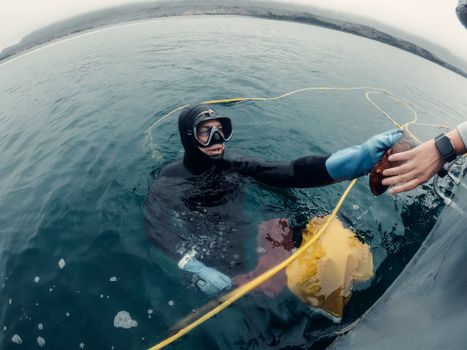
I stepped off the splintered wooden jetty in Cabo Pulmo and was immediately hit by the scent of sun-baked cardón cactus mixed with the sharp, metallic tang of outboard motor fuel. My skin was already tight with dried salt, my eyebrows crusted white from a two-hour dive.
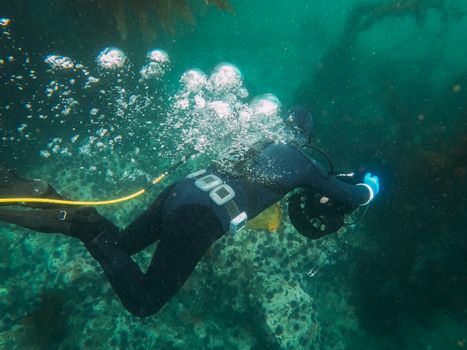
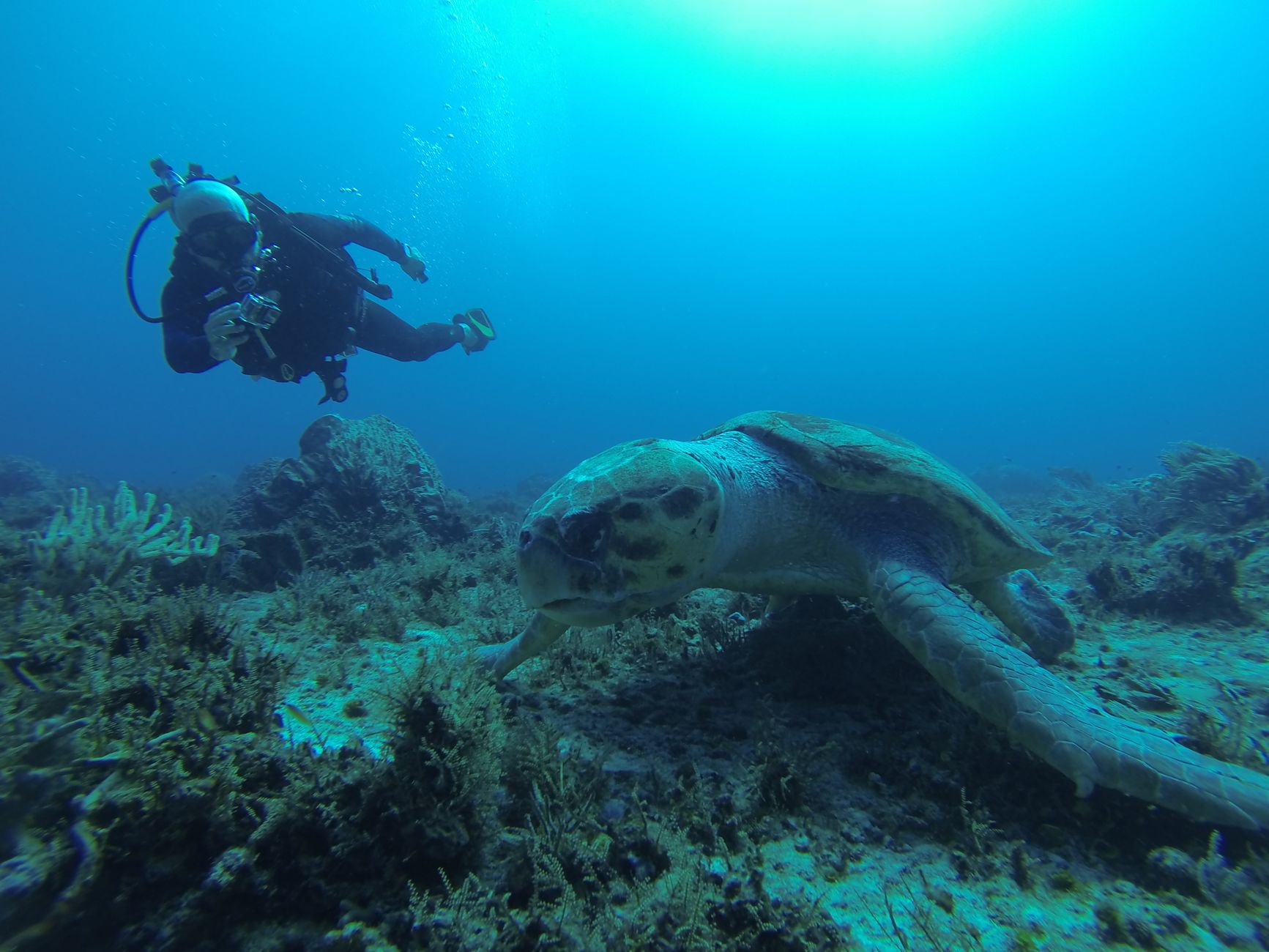
In my hand was a waterlogged plastic slate covered in scribbled pencil marks: three bull sharks (Carcharhinus leucas), two green sea turtles, and a massive school of jackfish that swirled like a silver hurricane just fifty feet down.
I wasn't just observing. I was uploading this data directly to a regional monitoring database used by local park rangers to patrol against illegal commercial longliners.
```
________________________________________________
/ \
| "This isn't 'voluntourism' where you paint a |
| school and leave. This is raw, data-driven |
| conservation where you are the scientist." |
\________________________________________________/
```
The era of passive travel is dead. Today’s divers and snorkelers don't want to just look at a reef; they want to save it. If you are ready to trade your beach cocktail for a survey slate, here are the world's most incredible marine protected areas offering citizen science opportunities right now.
---
1. Cabo Pulmo National Park, Mexico: The Miracle of the East Cape
Once declared a "desert" by Jacques Cousteau due to overfishing, Cabo Pulmo is now one of the world's most successful marine sanctuaries, boasting a 400% increase in biomass over the last two decades. It is a rugged, off-grid strip of Baja California Sur where the desert crashes directly into the Sea of Cortez.
```
▲ [Desert Dunes]
/ \
/ \_____ <- Washboard Dirt Road (4x4 Required)
/ \
/ [Cabo] \____________________
/ [Pulmo] ~~~~ ~~~~ ~~~~ ~~~~ \ <- Bull Shark Territory
/ [Village] ~~~~ ~~~~ ~~~~ ~~~~ \
/______________________________________\
```
The Citizen Science Mission
Here, you work with local operators like Cabo Pulmo Travel or grassroots NGOs to conduct benthic substrate surveys and shark population counts. You’ll dive with a slate to record shark sightings, noting their estimated length, sex, and behavior. This data is fed directly into Shark Allies and local conservation databases to monitor migration corridors.
- What you’ll do: Count apex predators, monitor coral bleaching recovery, and log sea turtle nesting sites.
- The Vibe: Off-grid, dusty, high-octane diving. No cell service, just cold Pacifico beers and fresh yellowtail tacos under palapa roofs.
> Pro-Tip: Rent a high-clearance 4x4 vehicle. The washboard dirt road from Camino Cabo Este will rattle a standard rental sedan to pieces before you even smell the ocean.
---
2. Great Barrier Reef Marine Park, Australia: Eye on the Reef
The world’s largest reef system needs no introduction, but its current battle against rising sea temperatures requires an army of eyes. The Great Barrier Reef Marine Park Authority (GBRMPA) has turned everyday tourists into their primary monitoring force through the Eye on the Reef program.
```
[Your Smartphone] ---> [Eye on the Reef App] ---> [GBRMPA HQ, Townsville]
|
+---> Geotagged Photos of:
- Crown-of-Thorns Starfish
- Coral Bleaching (Color Charts)
- Mega-fauna Sightings
```
The Citizen Science Mission
Whether you are on a day-trip catamaran from Cairns or a multi-day liveaboard on the outer Ribbon Reefs, you can use the Rapid Monitoring Activity protocol. Armed with a waterproof color-matching slate, you will assess coral health against a standardized chart to detect early signs of bleaching.
- What you’ll do: Hunt for the invasive crown-of-thorns starfish (Acanthaster planci), photograph rare marine megafauna for photo-ID databases, and record water temperature variations.
- The Vibe: Highly organized, tech-forward, and breathtakingly vast.
> Pro-Tip: Book an excursion with an operator that employs a certified Master Reef Guide. These elite guides have exclusive permits to take citizen scientists into restricted scientific research zones closed to the general public.
---
3. Raja Ampat Marine Protected Area, Indonesia: The Heart of the Coral Triangle
Raja Ampat is the undisputed global epicenter of marine biodiversity. Its labyrinth of limestone karst islands shelters over 1,400 species of fish and 75% of all known coral species on Earth.
```
_.._ _.._ _.._
.' '. .' '. .' '. <-- Limestone Karst Islands
/ \/ \/ \
~~/~~~~~~~~~~~~~~~~~~~~~~~~~~~~~~\~~~~~~~~~~~~~~~~~~
[Manta Sandy Cleaning Station] <-- Get your camera ready here!
~~~~~~~~~~~~~~~~~~~~~~~~~~~~~~~~~~~~~~~~~~~~~~~~~~~~
```
The Citizen Science Mission
The Manta Trust and local eco-resorts run active photo-identification projects at famous cleaning stations like Manta Sandy. Mantas have unique spot patterns on their bellies—like a human fingerprint. By taking high-contrast belly shots and uploading them to the Manta Matcher database, you help track the movements and health of these pelagic giants.
- What you’ll do: Capture belly-ID photos of reef and oceanic manta rays, assist in maintaining coral nurseries, and conduct beach microplastic audits.
- The Vibe: Ultra-remote, humid, pristine. Think wooden overwater bungalows, the calls of birds of paradise at dawn, and bioluminescent bays at night.
> Pro-Tip: Avoid visiting during the monsoon season (July to September) when strong winds make the channels between islands impassable for small dive boats.
---
4. South Ari Atoll MPA, Maldives: Tracking the Ocean's Gentle Giants
While the Maldives is famous for overwater villas and honeymooners, the South Ari Atoll Marine Protected Area is a critical year-round nursery for juvenile whale sharks (Rhincodon typus).
```
Whale Shark Identification Zone:
\ \ \ (Sunlight)
\ \ \
v v v
_______ . . . . . . . _______
/ \ : : : : : : : / \
< (o) |: : : * * : :| > <-- Target area for photo-ID:
\_______/ : : : * * * : \_______/ The area directly behind
: : : * * : : the fifth gill slit.
```
The Citizen Science Mission
Working alongside the Maldives Whale Shark Research Programme (MWSRP), volunteers and guests aboard local vessels spend their days patrolling the shallow reef flats. When a whale shark is spotted, you slip into the water with a snorkel and camera. Your goal is to photograph the area directly behind the fifth gill slit on the left and right sides of the shark to feed into the global Wildbook for Whale Sharks database.
- What you’ll do: Snorkel alongside 25-foot whale sharks, log oceanographic data (salinity, temperature, wind speed), and educate local island guesthouses on sustainable encounter guidelines.
- The Vibe: Sun-drenched, fast-paced, and deeply rewarding.
> Pro-Tip: The sharks feed near the surface between 11:00 AM and 2:00 PM when the sun is directly overhead. Keep your mask defogged and your camera set to continuous burst mode.
---
5. Belize Barrier Reef Reserve System: Hunting the Invader
The Belize Barrier Reef is the largest barrier reef in the Northern Hemisphere. However, it faces an ecological menace: the invasive Indo-Pacific lionfish (Pterois volitans), which has no natural predators here and decimates native juvenile fish populations.
```
[Lionfish Invader] [The Solution]
\ / |
\ / v
( o o ) [Speargun / Pole Spear]
< -=- > |
/| | |\ v
/ | | | \ [Lionfish Ceviche Dinner]
```
The Citizen Science Mission
In MPAs like Laughing Bird Caye National Park, citizen scientists join forces with organizations like Reef Conservation International (ReefCI). You will be trained to safely spear invasive lionfish using a pole spear and transport them in specialized containment tubes. Back on land, you'll assist in dissecting the catch to analyze stomach contents and record length/weight data before turning the fillets over to the kitchen for some of the freshest lionfish ceviche you’ll ever taste.
- What you’ll do: Eradicate invasive lionfish, participate in coral restoration outplanting, and conduct conch and lobster population surveys.
- The Vibe: High-energy, Caribbean rhythm, hands-on conservation work.
> Pro-Tip: Pack a pair of heavy-duty puncture-resistant gloves. A single poke from a lionfish’s venomous dorsal spines will ruin your entire week with intense, throbbing pain.
---
6. Galapagos Marine Reserve, Ecuador: The Ultimate Wild Frontier
Where the Humboldt, Panama, and Cromwell currents collide, you get a nutrient-rich marine cocktail that supports everything from marine iguanas to schooling hammerhead sharks. The Galapagos Marine Reserve is one of the most strictly regulated MPAs on Earth.
```
/ \ _______
/ \ / \
/ \ / (o) (o) \ <-- Schooling Hammerheads
/ \ / _ \
/ Volco \_____/ (_) \____
/___________________________________\
~~~~~~~~~~~~~~~~~~~~~~~~~~~~~~~~~~~~~
```
The Citizen Science Mission
Using the Shark Count Galapagos app, developed by the Galapagos Science Center, divers log sightings of hammerheads, Galapagos sharks, and whale sharks during their liveaboard journeys to the northern islands of Darwin and Wolf. This real-time data helps scientists map shark migratory corridors (the "Cocofibola" highway) between Ecuador, Costa Rica, and Colombia.
- What you’ll do: Log pelagic shark sightings, photograph marine iguanas feeding underwater, and track sea turtle nesting routes.
- The Vibe: Expedition-grade, raw, cold-water diving with strong currents. This is for experienced divers who don't mind a bit of adrenaline.
> Pro-Tip: The dry season (June to November) brings the Humboldt Current, which drops water temperatures to a chilly 18°C (64°F) but brings massive schools of whale sharks. Pack a high-quality 7mm wetsuit with a hood and gloves.
---
Quick Facts: Budget, Logistics, and Booking
| Marine Protected Area (MPA) | Estimated Cost ($) | Best Time to Visit | How to Get There | Primary Citizen Science Tool |
| :--- | :--- | :--- | :--- | :--- |
| Cabo Pulmo, Mexico | $ - $$ (Budget-friendly if camping/guesthouses) | October – November (Best visibility) | Fly to San Jose del Cabo (SJD), rent a 4x4, drive 2 hours east. | Paper Slate / Shark Allies |
| Great Barrier Reef, Australia | $$ - $$$$ (Varies by boat type) | September – November (Coral spawning) | Fly to Cairns (CNS) or Port Douglas, board a licensed operator. | Eye on the Reef App |
| Raja Ampat, Indonesia | $$$$ (Remote logistics are pricey) | October – April (Calm seas) | Fly to Sorong (SOQ) via Jakarta, take the ferry to Waisai. | Manta Matcher Database |
| South Ari Atoll, Maldives | $$$ (Mid-range to high-end) | Year-round (Peak whale sharks Dec-April) | Fly to Malé (MLE), take a domestic flight or speedboat to Dhigurah. | Wildbook for Whale Sharks |
| Belize Barrier Reef, Belize | $$ - $$$ (All-inclusive volunteer weeks) | March – June (Calm, warm waters) | Fly to Belize City (BZE), take a puddle jumper to Placencia. | Pole Spear & Dissection Kits |
| Galapagos, Ecuador | $$$$$ (High park fees & liveaboard costs) | June – November (For whale sharks) | Fly to Quito (UIO) or Guayaquil (GYE), then fly to Baltra (GPS). | Shark Count Galapagos App |
---
The Insider's Guide to Not Being a "Bad" Citizen Scientist
Before you pack your bags and head out to save the ocean, remember that conservation first requires self-awareness.
```
[Citizen Science Golden Rules]
|
+---> 1. Master Your Buoyancy (Don't crush the coral you came to save)
|
+---> 2. Choose Mineral-Based Sunscreen (Non-nano Zinc Oxide only)
|
+---> 3. Respect Wildlife Boundaries (No touching, no chasing)
```
- Master Your Buoyancy First: If you are flailing your fins and crashing into fragile elkhorn coral while trying to take a photo of a sea turtle for a database, you are doing more harm than good. Ensure your buoyancy is dialed in before volunteering for survey dives.
- Ditch the Chemical Sunscreen: Oxybenzone and octinoxate cause severe coral bleaching even in microscopic concentrations. Switch to non-nano zinc oxide mineral sunscreens. Better yet, wear a UPF 50+ rash guard and skip the creams entirely.
- Don't Chase the Wildlife: When taking identification photos of mantas or whale sharks, let them come to you. Maintain a distance of at least 10 feet (3 meters) and never block their path of travel.
---
The Final Descent
The sun is setting over the Sea of Cortez, painting the Sierra de la Laguna mountains in shades of bruised purple and dusty pink. I sat on the beach of Cabo Pulmo, cleaning the salt from my camera housing with fresh water.
My back ached, my feet were calloused from dive fins, and my hair felt like copper wire. But knowing that the three bull sharks I logged today are now part of a permanent, legally binding conservation record makes every single drop of sweat worth it.
Don't just travel to escape life. Travel so that life doesn't escape our oceans.
---