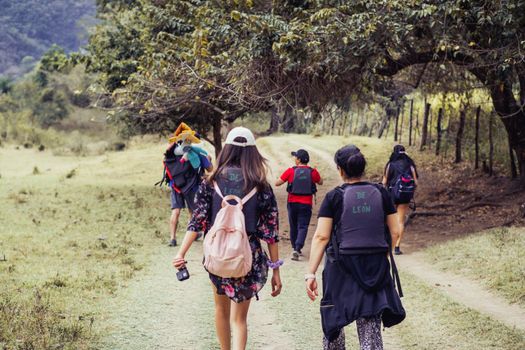
I stepped off the rusted chicken bus and into a cloud.
The air in Yunguilla, a high-altitude hamlet in Ecuador’s cloud forest, smelled of damp eucalyptus, wet volcanic earth, and the faint, sweet scent of wild orchids. My boots squelched into the rich black mud as Germán, a local conservation pioneer with hands as rough as pine bark, handed me a steaming wooden mug of canelazo—a hot, spiced cinnamon tea that cut right through the Andean chill.
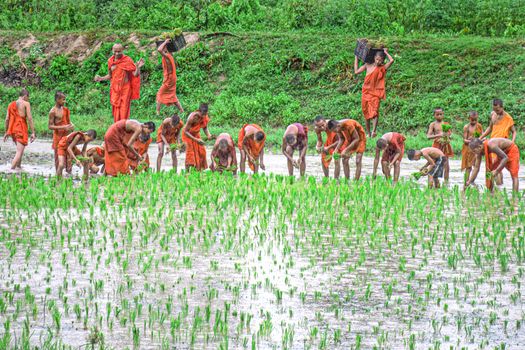
"We don’t need you to save us," Germán said with a warm, gap-toothed smile, clinking his mug against mine. "We need you to dig. The invasive ginger is choking out our native orchids, and the seedlings for our organic cloud forest nursery won't plant themselves."
That moment cured me of the classic "western savior" delusion. I wasn’t there to build a school (I’m a journalist, not a mason; any wall I built would likely collapse in the first rain). I was there because this community had spent 25 years building a self-sustaining eco-cooperative, and they needed manual labor to execute their vision.
This is the reality of ethical voluntourism. It isn’t glamorous, it doesn't make for a patronizing selfie with local children, and it requires you to yield control to the people who actually live there. If you want to travel in a way that leaves a destination better than you found it, you have to ditch the outdated, colonial-style charity model and embrace community-led, regenerative travel.
Here is how to do it right.
---
The Dark Side of Voluntourism: Why Most Programs Do More Harm Than Good
Before we talk about where to go, we have to address the elephant in the room: the multi-billion-dollar voluntourism industry is rife with exploitation.
For decades, well-meaning travelers have paid thousands of dollars to fly across the world, paint schools, cuddle orphans, and release baby turtles. But behind the glossy brochure photos lies a darker reality.
The Orphanage Tourism Crisis
In countries like Cambodia, Nepal, and Uganda, the rise of voluntourism fueled a horrific spike in "orphanages." Research by organizations like Next Generation Nepal and ReThink Orphanages revealed that up to 80% of children in these institutions actually have living parents. Unscrupulous operators rent or buy children from poor rural families, keeping them in substandard conditions to lure wealthy western volunteers who pay hefty fees to "rescue" them.
Job Displacement and the "Leakage Effect"
When untrained volunteers lay bricks, paint walls, or teach English without a curriculum, they often displace local workers who could have been paid a fair wage to do the job better. Furthermore, the "leakage effect" in tourism means that up to 80-90% of the money you pay to massive international volunteer agencies never actually reaches the host community—it stays with western travel agencies and corporate headquarters.
---
The Ethical Vet: How to Screen a Volunteer Organization Like a Pro
To ensure your labor and money actually benefit the community, you must vet organizations with clinical precision. If a program cannot answer these three questions transparently, walk away.
1. "Who owns the land and the assets?"
If the project is owned by a foreign NGO or a western expat, be skeptical. The most sustainable projects are owned, managed, and staffed entirely by the local community. Look for cooperatives, municipal partnerships, or indigenous-led initiatives.
2. "What is your exit strategy?"
A truly ethical NGO or community project should work toward its own obsolescence. If they plan to rely on foreign volunteers to teach basic English or dig wells forever, they are creating a cycle of dependency. Ask: How is this project transitioning to complete local autonomy?
3. "Are you registered as a local social enterprise or B-Corp?"
Look for organizations that undergo rigorous third-party auditing. B-Corp certification, partnerships with the Global Sustainable Tourism Council (GSTC), or direct alignment with the UN Sustainable Development Goals (SDGs) are excellent indicators of legitimacy.
> Pro-Tip: Avoid any program that allows you to work with vulnerable children (such as orphans or hospital patients) without a background check and a minimum commitment of three to six months. If they let you sign up for a weekend of "childcare" with just a credit card, it is an unethical operation.
---
4 Vetted, Community-Led Projects to Join Right Now
These four programs represent the gold standard of ethical, regenerative travel. They are highly organized, transparent, and put local communities completely in the driver's seat.
1. Yunguilla Cloud Forest Conservation (Ecuador)
* The Mission: Shifting an entire valley from destructive coal mining and logging to sustainable agroforestry, organic farming, and community-based tourism.
* What You’ll Actually Do: You will work side-by-side with local farmers in the organic gardens, help maintain reforestation plots, assist in the community-run jam factory, and help maintain the ancient pre-Inca trails (culuncos) that wind through the cloud forest.
* Why It Works: The project is 100% owned and operated by the residents of Yunguilla. Every dollar spent on accommodation and food goes directly into a communal fund distributed among the village families.
2. Blue Ventures (Madagascar & Timor-Leste)
* The Mission: Rebuilding tropical fisheries and conserving marine ecosystems alongside coastal communities.
* What You’ll Actually Do: If you have diving credentials, you will conduct underwater biodiversity surveys, map seagrass meadows, and assist local fishers in monitoring octopus catches. If you don't dive, you'll work on community-led mangrove reforestation.
* Why It Works: Blue Ventures is globally recognized for its "Asset-Based Community Development" (ABCD) model. They do not impose conservation zones; instead, they provide the data and training so local fishers can manage their own marine resources sustainably.
```
[Local Fishers Collect Data]
│
▼
[Blue Ventures Provides Training]
│
▼
[Community Imposes Temporary Reef Closures]
│
▼
[Fish Stocks & Local Incomes Double!]
```
3. Sapa O'Chau (Vietnam)
* The Mission: Empowering ethnic minority youths (specifically the Black Hmong and Red Dao communities) in the northern highlands of Vietnam through education and sustainable tourism.
* What You’ll Actually Do: Volunteers with teaching credentials or professional business skills assist in running English classes, digital literacy workshops, and hospitality training for local trekking guides.
* Why It Works: Founded by Shu Tan, a single mother from the Black Hmong tribe, Sapa O'Chau is Vietnam's first international social enterprise owned by an ethnic minority. It directly combats the exploitation of indigenous youths in tourist-heavy Sapa.
4. Local Alike (Thailand)
* The Mission: Connecting travelers with remote Thai villages to co-create community-based tourism experiences, preserving local culture while generating sustainable income.
* What You’ll Actually Do: Rather than traditional volunteering, you participate in "impact travel." You will assist villagers in documenting their traditional crafts, developing organic farming tours, and building waste management systems.
* Why It Works: Local Alike uses a strict 70/30 revenue-sharing model. Seventy percent of all tour revenue goes directly into a community fund managed by a local committee to fund education, healthcare, and infrastructure.
---
Skills-Based Volunteering: Stop Painting Schools, Start Sharing Assets
The most valuable asset you can bring to a community is not your physical labor—it is your professional skill set. If you are a graphic designer, an accountant, a web developer, a sustainable agriculture expert, or an SEO strategist, your brain is infinitely more valuable than your ability to swing a hammer.
```
DON'T DO THIS: DO THIS INSTEAD:
┌──────────────────────────┐ ┌──────────────────────────┐
│ Unskilled college kid │ │ Professional marketer │
│ painting a school. │ │ teaches local eco-lodge │
│ (Displaces local painters│ │ staff how to run their │
│ & peels in 6 months) │ │ own booking website. │
└──────────────────────────┘ └──────────────────────────┘
```
Before you book a trip, conduct a personal skills audit. Reach out to community-led organizations and say: "Here is what I do for a living. Do you have a need for this skill? If not, how can I best support your existing team?"
> Pro-Tip: If you are teaching a skill (like English, coding, or accounting), your goal should always be to train the trainer. Don't just teach a class of children; teach a local adult how to teach that class. That is how you create lasting, generational impact.
---
The Logistics & Budget Blueprint
To help you plan your ethical voluntourism journey, here is a quick-reference guide to the top vetted programs, their costs, and the best times to go.
| Destination | Project Name | Estimated Weekly Cost (USD)* | Best Time to Visit | How to Get There |
| :--- | :--- | :--- | :--- | :--- |
| Ecuador | Yunguilla Cloud Forest | $350 - $450 (Includes homestay & meals) | June to September (Dry season) | Fly to Quito (UIO), take a private transfer or public bus 1.5 hours north to Calacalí. |
| Madagascar | Blue Ventures Marine | $900 - $1,200 (Includes diving, food & lodging) | April to October | Fly to Antananarivo (TNR), then take a domestic flight to Toliara, followed by a boat transfer. |
| Vietnam | Sapa O'Chau | $200 - $300 (Includes basic guesthouse & meals) | September to November | Take the overnight sleeper train or luxury limousine bus from Hanoi to Sapa Town. |
| Thailand | Local Alike | Variable (Per-tour basis, approx. $80/day) | November to February | Fly to Bangkok (BKK) or Chiang Mai (CNX); local guides arrange all regional transport. |
\*Note: Ethical programs charge fees to cover your food, clean water, lodging, in-country insurance, and a direct contribution to the community project fund. If a program is completely free, ask yourself: Who is paying for your food and bed? (Hint: It’s usually the local community, which drains their resources).
---
The Post-Trip Legacy: Keeping the Impact Alive
The biggest mistake voluntourists make is treating their trip like a checklist item. They go home, post their photos, feel a rush of gratitude, and go right back to their high-consumption lifestyles.
If your trip was truly impactful, it should change how you live at home.
- Support the community from afar: Keep buying their products. If you volunteered at a coffee co-op in Guatemala, buy their beans online. If you worked with a weaving cooperative in Peru, buy their textiles directly from their website.
- Stop the "savior" narrative: When people ask about your trip, don't tell stories about how you "helped poor people." Instead, talk about the incredible sophistication of the local conservation models, the brilliance of the community leaders, and what you learned from them.
- Practice regenerative travel everywhere: You don't need to join an official volunteer program to help. Every time you travel, choose locally owned boutique hotels over foreign-owned mega-resorts. Eat at street stalls and family-run diners. Hire local independent guides.
When you shift your mindset from "saving the world" to "supporting local self-determination," travel becomes what it was always meant to be: a bridge of mutual respect, shared labor, and genuine human connection.
Now pack your boots, leave your ego at home, and go get your hands dirty.
---