The Hook: Beyond the "Paint-a-School" Illusion
I stepped off the dusty colectivo in the village of Huilloc, high in the Peruvian Andes, and was immediately hit by the biting, thin air at 11,000 feet, rich with the smoky aroma of burning eucalyptus wood and toasted Choclo corn. My hands were freezing, but my mind was firing on all cylinders. I wasn't there to build a wall that a local mason could have built twice as fast for a fraction of the cost. I was there because a specialized travel advisor spent three months matching my background in water resource management with an indigenous-led agroforestry project that explicitly asked for that exact technical skill.
For decades, the travel industry pushed a toxic narrative: book a flight, paint a clinic wall badly, snap a few photos with local children, and call yourself a savior. The reality? Unvetted voluntourism frequently disrupts local labor markets, creates emotional attachment cycles for vulnerable kids, and funnels up to 80% of traveler fees back into Western administrative offices rather than host communities.
Fortunately, a quiet revolution is happening across the travel trade. Top-tier travel advisors are cutting ties with traditional "voluntour operators" and pivoting toward non-extractive, community-owned models. If you want your labor and dollars to make a permanent, positive mark, this guide lays out the exact frameworks and vetted projects elite advisors rely on.
---
The Travel Advisor Vetting Framework: How We Separate Impact from Exploitation
Before an ethical travel advisor places a client on a community project, they run the organization through a brutal vetting protocol. If a program fails even one of these five criteria, top advisors walk away.
```
[ THE 5-POINT ETHICAL VETTING FRAMEWORK ]
|
+-----------------------+-----------------------+
| | |
[1. Host-Designed] [2. Skilled Match] [3. Local Retention]
Community owns Your labor adds >60% fees stay
the initiative real value in-country
| | |
+-----------------------+-----------------------+
|
+-----------------------+-----------------------+
| |
[4. Strict Safeguarding] [5. Clear Exit Strategy]
Zero orphanage visits; Project builds local
rigorous background checks long-term autonomy
```
1. Community Ownership and Needs-First Design
The project must be conceived, directed, and managed by the local residents. If an international agency invented the project in an office in London or Chicago without direct invitation from village elders or local council members, it is an automatic disqualifier.
2. The "Unskilled Labor" Red Flag
If a program allows an untrained 19-year-old to perform medical checkups, teach English without training, or construct critical infrastructure, run. Ethical programs match precise professional skills (e.g., veterinary medicine, civil engineering, grant writing, permaculture design) with specific community shortages.
3. Financial Transparency & Local Income Circulation
At least 60% to 70% of your total program fee must stay within the host destination, directly paying local staff, buying supplies from neighborhood vendors, and funding community micro-grants. Advisors demand itemized budget breakdowns before booking.
4. Child Safeguarding & Non-Institutionalization
Elite advisors enforce an absolute ban on "orphanage tourism." Decades of research from UNICEF prove that voluntourism drives the demand for residential child care institutions, often separating children from living parents to monetize visits. Reputable programs focus on family preservation, adult vocational training, and community daycare.
5. Exit Strategies and Sustainability
Good voluntourism aims to make itself obsolete. The initiative must focus on training local leaders so that host communities can run the programs independently without relying on foreign volunteers indefinitely.
---
4 Vetted Programs Travel Advisors Actually Suggest
Here are four high-impact, community-driven projects currently praised by sustainable travel specialists for their ethical rigor and long-term results.
---
1. The Sacred Valley Regenerative Agriculture Alliance (Ollantaytambo, Peru)
- Focus Area: Indigenous Seed Preservation, Soil Regeneration, and Agro-Ecology.
- Why Advisors Love It: Led by local Quechua farming collectives, this initiative preserves high-altitude native potato varieties and restores ancient Incan terracing system infrastructure.
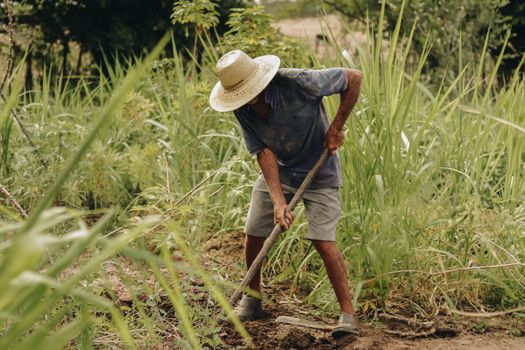
- The Experience: Instead of imposing outside ideas, volunteers work alongside local campesinos. You spend mornings carrying glacial irrigation stones and weaving frost-protection netting, and afternoons learning ancient Andean crop-rotation techniques.
> Pro-Tip: Fly into Cusco at least 48 hours before heading down into the Valley to acclimate. Request a stay at a family-run homestay in Huilloc rather than a hotel in Ollantaytambo—your nightly fee directly funds local women’s weaving co-ops. When eating locally, ask for Sopa Arequipeña or fresh Muña tea to soothe altitude sickness.
```
+------------------------+-----------------------------------------------------------+
| QUICK FACTS | SACRED VALLEY AGRO-ECOLOGY |
+------------------------+-----------------------------------------------------------+
| Target Skillsets | Permaculture, Botany, Physical Farming, Hydrology |
| Cost (7-14 Days) | $1,200 – $1,800 (Includes homestay, meals, local guide) |
| Local Fee Retention | 74% stays directly in the Paru Paru / Huilloc collectives |
| Best Time to Visit | May to October (Dry season, clear Andean skies) |
| Transport | Perurail to Ollantaytambo, then 40-min local colectivo |
+------------------------+-----------------------------------------------------------+
```
---
2. Marine Megafauna Reef Protection & Native Conservation (Placencia, Belize)
- Focus Area: Coral Nursery Restoration and Invasives Eradication.
- Why Advisors Love It: Run by Belizean marine biologists, this program turns certified scuba divers into active field research assistants who contribute directly to the Belize Barrier Reef Reserve System—a UNESCO World Heritage site.
- The Experience: Participants dive alongside local scientists to measure staghorn coral growth, outplant laboratory-reared coral fragments onto degraded reefs, and participate in lionfish culling efforts to save native fish populations.
> Pro-Tip: Skip the crowded tourist hubs of San Pedro and head south to Placencia. Take a local water taxi at 7 AM to reach the offshore research station before commercial dive boats arrive. The hidden gem lunch spot in Placencia is Omar's Native Seafood—order the coconut-encrusted snapper spiced with local habanero and allspice.
```
+------------------------+-----------------------------------------------------------+
| QUICK FACTS | BELIZE CORAL RESTORATION |
+------------------------+-----------------------------------------------------------+
| Target Skillsets | Advanced Scuba Diving (Advanced OW required), Data Entry |
| Cost (7 Days) | $2,100 – $2,800 (Includes live-aboard/station accommodations)|
| Local Fee Retention | 68% directly funds marine park rangers and equipment |
| Best Time to Visit | February to May (Calm seas, prime diving conditions) |
| Transport | Maya Island Air flight from Belize City to Placencia airstrip|
+------------------------+-----------------------------------------------------------+
```
---
3. Elephant Forest Corridor & Habitats Restoration (Chiang Mai Highlands, Thailand)
- Focus Area: Ethical Elephant Rehabilitation and Reforestation.
- Why Advisors Love It: This is a zero-contact, sanctuary-first model. There is strictly no riding, no bathing, and no forced performance. The elephants roam free in protected mountain forests, and volunteers support their environment.
- The Experience: You spend your days cutting native Napier grass, preparing herbal medicinal food balls with local Karen villagers, and planting native tree saplings to reconnect fragmented forest corridors.
> Pro-Tip: Walk behind the main sanctuary lodge at 6:30 AM to catch the morning mist rising over the canopy while forest elephants move naturally down to the river. Make sure to taste Khao Soi—a northern Thai coconut curry noodle soup—at the village cookshop; the secret lies in their house-made chili oil and pickled mustard greens.
```
+------------------------+-----------------------------------------------------------+
| QUICK FACTS | CHIANG MAI ELEPHANT CORRIDOR |
+------------------------+-----------------------------------------------------------+
| Target Skillsets | Forestry, Veterinary Science, Agriculture, Physical Labor |
| Cost (7 Days) | $850 – $1,300 (Includes rustic bungalow, plant-based meals)|
| Local Fee Retention | 81% directly funds land leases and Karen mahout salaries |
| Best Time to Visit | November to February (Cooler weather, low humidity) |
| Transport | 2.5-hour 4WD truck transfer from Chiang Mai Old City |
+------------------------+-----------------------------------------------------------+
```
---
4. Micro-Enterprise & Vocational Mentorship (Musanze District, Rwanda)
- Focus Area: Women's Financial Inclusion and Small Business Incubation.
- Why Advisors Love It: Built by a collective of Rwandan entrepreneurs, this initiative focuses on long-term economic independence rather than short-term relief.
- The Experience: Foreign professionals with expertise in marketing, accounting, digital design, or strategy host intensive workshops for local artisans and agricultural cooperative leaders.
> Pro-Tip: Combine your professional volunteering with a gorilla trekking permit in nearby Volcanoes National Park. Book your permit six months in advance through the Rwanda Development Board. When in Musanze, sample Sambaza fish fried crispy with pili-pili sauce at local lakeside eateries.
```
+------------------------+-----------------------------------------------------------+
| QUICK FACTS | RWANDA MICRO-ENTERPRISE INCUBATOR |
+------------------------+-----------------------------------------------------------+
| Target Skillsets | Business Strategy, Accounting, Digital Marketing, Design |
| Cost (10 Days) | $1,600 – $2,400 (Includes hotel, translation, logistics) |
| Local Fee Retention | 70% funds direct seed micro-grants for local business owners|
| Best Time to Visit | June to September (Dry season, ideal for mountain travel) |
| Transport | 2-hour private taxi drive from Kigali International Airport|
+------------------------+-----------------------------------------------------------+
```
---
The Skill-Matching Matrix: What You Should (and Shouldn't) Do
Before booking a voluntourism trip, use this quick matrix to determine where your skills provide actual value versus where they might cause accidental harm.
```
+--------------------------+-----------------------------------+-----------------------------------+
| YOUR BACKGROUND | ETHICAL IMPACT OPPORTUNITY | WHAT TO AVOID |
+--------------------------+-----------------------------------+-----------------------------------+
| Tech / Marketing | Incubating local business websites| Teaching unstructured English |
| Medical Professional | Training local healthcare workers | Direct clinical care without license|
| Civil Engineer / Builder | Auditing village water systems | Building housing without training |
| Student / Generalist | Data collection, physical farm work| Working directly in orphanages |
+--------------------------+-----------------------------------+-----------------------------------+
```
---
How to Avoid Voluntourism Scams: 4 Red Flags
When reviewing a volunteer travel company, keep an eye out for these critical warning signs:
```
[ VOLUNTOURISM RED FLAGS ]
├── 1. Instant Placement without background checks or references.
├── 2. Guaranteeing direct contact with vulnerable children.
├── 3. Vague pricing with no financial transparency or breakdown.
└── 4. Unrestricted group bookings prioritizing photos over safety.
```
- Instant Placement without Background Checks: Ethical operators working near vulnerable populations require clean police background checks, reference calls, and an application process.
- Guaranteed Child Interaction: If a company promises you can cuddle, teach, or mentor vulnerable children within 24 hours of landing, walk away immediately.
- No Financial Breakdown: If they cannot tell you the exact percentage of your money that goes into the local host community's bank account, your fee is likely lining corporate pockets.
- Unlimited Group Numbers: Real community projects have limited capacity. Massive, high-turnover volunteer groups usually mean the operator prioritizes revenue over local needs.
---
How to Book with an Ethical Travel Advisor
Ready to plan a trip that leaves a genuinely positive footprint? Here is how to work with a travel advisor to make sure your journey is impactful:
- Find a Regenerative Travel Specialist: Look for travel advisors accredited by networks like ASTA, Virtuoso Sustainable Tourism Community, or certified B-Corp travel agencies.
- Ask the Tough Questions: Ask your advisor: "Can you share the financial trail of this project?" and "Who designed this initiative—the agency or the locals?"
- Plan Well in Advance: Ethical voluntourism is not a last-minute product. True host-led initiatives take time to assess real needs, match appropriate skillsets, and prepare proper background checks. Plan your journey 4 to 8 months in advance.
---