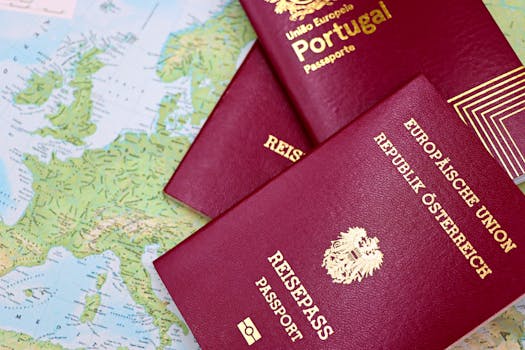
The Hook: The Day the Bureaucracy Died
I stepped off the high-speed train in Chengdu, and for the first time in a decade of travel journalism, my chest didn’t tighten with the familiar anxiety of border control. There was no crumpled paper visa glued to my passport, no receipt for a $150 processing fee, and no record of my grandmother’s maiden name submitted to an embassy three weeks prior. Instead, the air smelled of roasting Sichuan peppercorns, damp concrete, and the ozone hiss of electric buses.
I handed my passport to the immigration officer. He scanned it, stamped a neat blue entry mark onto page 14, and waved me through with a brief nod. Total time elapsed: 42 seconds.
For decades, international travel was defined by its gatekeepers. We planned our lives around consulate appointments and mailed our most precious identity documents into the void, hoping they would return with the correct colored sticker. But almost overnight, the geopolitical landscape has shifted. Nations are realizing that bureaucratic friction is the ultimate enemy of economic tourism.
The result? A golden era of spontaneous, long-form travel. If you are still planning trips based on where you can get a visa, you are playing an outdated game. Here are the groundbreaking new visa-free policies changing travel forever worth considering for your next escape.
---
1. China’s 15-Day Golden Ticket: The End of the Embassy Paperwork Nightmare
For years, securing a Chinese tourist (L) visa was a rite of passage. It required detailed flight itineraries, hotel bookings for every single night, an official invitation letter, and a physical visit to a visa application center.
That wall has crumbled. Under a rapidly expanding pilot program, citizens from a growing list of countries—including Germany, France, Italy, Spain, the Netherlands, Malaysia, Switzerland, Ireland, Hungary, Austria, Belgium, and Luxembourg—can enter China for up to 15 days entirely visa-free.
```
[Passport Control] ---> [42-Second Scan] ---> [Welcome to Chengdu]
```
This is not just a policy tweak; it is an ideological U-turn. It opens up the possibility of spontaneous weekend trips to Shanghai or a quick culinary tour through Sichuan province without the $200 upfront administrative tax.
The Insider Strategy
Do not try to see the whole country in 15 days. Instead, exploit the high-speed rail network. Land in Shenzhen, take the bullet train through the karst mountain landscapes of Guilin, and fly out of Chengdu.
- Pro-Tip: The digital ecosystem in China is absolute. Before you leave home, download Alipay and WeChat, and link them to your international credit card. Cash is virtually obsolete, and taxi drivers will look at a paper 100-Yuan note as if it were a museum artifact.
- The Hidden Rule: If you stay in a registered hotel, they will register your presence with the local Public Security Bureau automatically. If you plan to stay with a friend or in an unregistered guesthouse, you must physically walk into the nearest police station within 24 hours of arrival to register your temporary residence. Ignore this, and you will face a hefty fine upon exit.
---
2. Thailand’s 60-Day Slow Travel Masterclass
Thailand has long been the spiritual home of the backpacker, but the traditional 30-day visa exemption always felt a little too short for those wanting to truly sink into the local rhythm. You either had to plan a tedious "border bounce" to Cambodia or pay for a visa extension at an immigration office in Bangkok, wasting a full day of your life in a plastic chair.
In a bid to capture the high-value, slow-travel market, Thailand officially doubled its visa-exempt stay to 60 days for citizens of 93 countries.
```
Old Rule: 30 Days (Rushed, stressful border runs)
New Rule: 60 Days (Deep immersion, remote work friendly)
```
This policy change transforms Thailand from a quick winter holiday spot into a viable semi-permanent base. You can spend a month learning the nuances of Northern Thai cuisine in Chiang Mai, and still have 30 days left to dive the deep blue waters around Koh Lanta.
The Insider Strategy
Avoid the tourist traps of Phuket and central Bangkok. Use your extended time to explore the Mae Hong Son Loop in the north. Rent a semi-automatic motorcycle, pack a light duffel bag, and navigate the 1,864 curves through mist-shrouded valleys and remote Shan villages.
- Pro-Tip: When entering on the 60-day exemption, immigration officers at Bangkok’s Suvarnabhumi Airport (BKK) are strictly enforcing the "proof of onward travel" rule. Do not risk being turned away at the airline check-in counter. Use a service like OnwardTicket to secure a verifiable, temporary flight reservation out of the country within your 60-day window.
- Local Secret: If you need to work quietly, skip the noisy co-working spaces in Nimman (Chiang Mai). Head instead to the second floor of the Chotana Road Public Library, where local students study in absolute silence under teak-paneled ceilings.
---
3. Kenya’s Bold Digital Frontier: The Global ETA Shift
In a move that shocked the travel industry, Kenya’s government declared the nation completely "visa-free." While this headline was slightly misleading—you still need to apply for an Electronic Travel Authorization (ETA) online before arrival—it replaced a clunky, unpredictable visa system with a streamlined, automated digital process open to every nationality on Earth.
The ETA costs approximately $30 and is typically approved within 72 hours. This system levels the playing field, making the wild savannahs of East Africa as accessible as a flight to Southern Europe.
```
[Traditional Visa: $100+, Weeks of waiting] ---> [ETA System: $30, 72-Hour Auto-Approval]
```
The Insider Strategy
Most travelers land in Nairobi and immediately board a noisy safari vehicle bound for the Maasai Mara. They miss the raw, chaotic energy of the capital. Spend two days in Nairobi. Go to the Ngong Hills at sunrise to watch the mist lift off the Great Rift Valley, then head to a local joint in the Kilimani neighborhood for nyama choma (slow-roasted goat meat) served with ugali (maize meal) and fresh kachumbari (tomato and onion salad).
- Pro-Tip: The ETA portal requires you to upload a copy of your flight itinerary and hotel booking confirmation. Ensure the names on these documents match your passport exactly. If you are planning a multi-country trip through East Africa, apply for the East Africa Tourist Visa instead if you plan to move between Kenya, Rwanda, and Uganda seamlessly.
- Authentic Detail: When buying souvenirs at the Maasai Market, never accept the first price. It is customary to negotiate down to at least 40% of the initial quote. Do it with a smile and a few words of Swahili ("Bei ya mwisho?" - What is your final price?).
---
4. Angola’s Secret Wilderness: 90 Days of Raw Adventure
For decades, Angola was one of the most difficult destinations on the planet to access. Visas required official letters of invitation written in Portuguese, proof of livelihood, yellow fever vaccination certificates, and astronomical fees. It was a destination reserved only for oil executives and the most intrepid overland explorers.
Now, Angola has opened its doors wide, granting 90-day visa-free entry (30 days per stay, up to 90 days per year) to citizens of over 98 countries, including the EU, the US, Canada, and Brazil.
This is arguably the most exciting development in African travel in a generation. Angola is a vast country of dramatic contrasts: from the surreal, rusting shipwrecks along the Skeleton Coast to the massive, roaring Kalandula Falls, which rival Victoria Falls in scale but see only a fraction of the tourists.
```
[Angola: Historically Fortified] ---> [Now: 90 Days Visa-Free for 98+ Nations]
```
The Insider Strategy
Rent a 4x4 vehicle in the capital, Luanda, and drive south toward the Namibe Desert. Here, the red sand dunes plunge directly into the cold Atlantic Ocean. You will pass through fishing villages where the local architecture still bears the faded pastel paint of the Portuguese colonial era.
- Pro-Tip: While the visa is free, you must carry a physical copy of your Yellow Fever vaccination certificate (the yellow card). Immigration officers in Luanda check this thoroughly before allowing you to step foot in the arrivals hall.
- The Hidden Spot: When visiting Kalandula Falls, do not view them from the standard tourist platform. Walk down the steep, slippery red-clay path behind the local Catholic mission. At the bottom, a local guide can take you to a rocky outcrop directly beneath the spray, where the thunder of the water vibrating through your chest is unforgettable.
---
5. Vietnam’s 45-Day Upgrade: From Ha Long to Ha Giang
Vietnam’s previous 15-day visa exemption was a tease. It was barely enough time to travel from Hanoi to Ho Chi Minh City without spending every second day on a sleeper bus. Recognizing that travelers wanted to linger, Vietnam tripled its visa-free stay to 45 days for select European and Asian passports, while also extending the online e-visa validity to 90 days for all other nationalities.
This change allows you to slow down and experience the country’s rugged northern frontier, where limestone peaks rise out of emerald rice paddies like dragon’s teeth.
```
Old Limit: 15 Days (Rushed north-to-south sprint)
New Limit: 45 Days (Time for the Ha Giang Loop & hidden beaches)
```
The Insider Strategy
Skip the overcrowded cruise boats of Ha Long Bay. Instead, take a bus north to Cao Bang and explore the Ban Gioc Waterfall, which straddles the border with China. The crowds are minimal, and the water cascades over three distinct tiers of lush, mossy limestone.
- Pro-Tip: If you plan to ride the legendary Ha Giang Loop on a motorcycle during your 45-day stay, you must secure an International Driving Permit (IDP) that specifically lists motorcycle classification (Category A). Local police in Ha Giang run regular checkpoints, and without the correct IDP, they will impound your bike on the spot.
- Local Secret: When in Hanoi, bypass the touristy cafes in the Old Quarter. Walk down the narrow alleyway at 11 Hang Gai and climb the hidden, rickety wooden stairs to a secret rooftop cafe overlooking Hoan Kiem Lake. Order an egg coffee (cà phê trứng)—a rich, velvety blend of robusta coffee whipped with sweetened condensed milk and egg yolk.
---
6. The Logistics & Budget Blueprint
To help you plan your next spontaneous escape, here is a breakdown of the practical realities of these newly opened destinations:
| Destination | New Visa Policy | Average Daily Cost (USD) | Best Time to Visit | Primary Transit Hub |
| :--- | :--- | :--- | :--- | :--- |
| China | 15 days visa-free (select countries) | $60 - $120 | October - November (Autumn) | Shanghai Pudong (PVG) / Beijing Capital (PEK) |
| Thailand | 60 days visa-exempt | $30 - $60 | November - February (Cool/Dry) | Bangkok Suvarnabhumi (BKK) |
| Kenya | Digital ETA ($30) | $80 - $250 (Safari dependent) | July - October (Wildebeest Migration) | Nairobi Jomo Kenyatta (NBO) |
| Angola | 90 days visa-free (30 days/stay) | $100 - $200 (Luanda is expensive) | June - September (Dry season) | Luanda Quatro de Fevereiro (LAD) |
| Vietnam | 45 days visa-exempt (select countries) | $25 - $50 | September - November / March - April | Hanoi Noi Bai (HAN) / Ho Chi Minh City (SGN) |
---
The Verdict: Why You Must Act Now
Visa policies are not permanent. They are highly sensitive to geopolitical shifts, economic cycles, and changes in government leadership. The open-door policy that exists today could easily be rescinded tomorrow if diplomatic relations cool or if local infrastructure becomes overwhelmed.
The travelers who get the most out of this world are those who move quickly when the bureaucratic barriers fall. Do not wait for next year. Grab your passport, book the flight, and walk through those open gates while they are still wide open.
---