Non-Swimmers, Dive In! Your Ultimate Guide to Epic Underwater Adventures in October 2025
I remember it like it was yesterday: my friend Sarah, standing at the edge of the crystal-clear waters in the Maldives, a wistful look in her eyes. "Oh, to see what's down there," she sighed, watching a group of snorkelers glide effortlessly over a vibrant coral garden. Sarah, despite her adventurous spirit, had a deep-seated fear of water and never learned to swim beyond a shaky doggy paddle. For years, she believed the magical underwater world was simply not for her.
But what if I told you that Sarah, and countless others like her, can absolutely explore the ocean's depths, marvel at kaleidoscopic coral reefs, and come face-to-face with curious marine life – all without needing to swim a single stroke? It's not a dream; it's a reality, and October 2025 is the perfect time to make it happen!
As a travel blogger for Tripsora, I’ve had the immense pleasure of discovering and experiencing these incredible, often overlooked, underwater opportunities. And let me tell you, the joy of seeing someone who thought they were excluded from the ocean's wonders finally experiencing its magic is truly unparalleled. So, if you're a non-swimmer, or traveling with one, get ready to unlock a whole new world. Your ultimate guide to underwater adventures in October 2025 starts now!
The Myth Debunked: You Don't Need to Swim to Explore the Ocean
For too long, the narrative around ocean exploration has centered on swimming, snorkeling, and scuba diving – all activities that require a degree of comfort and skill in the water. This has created a massive misconception that the wonders beneath the surface are exclusive to a privileged few. But technology, innovation, and a growing desire for accessible tourism have changed the game.
Today, there's a fantastic array of options that cater specifically to non-swimmers, ensuring safety, comfort, and an unforgettable experience. These aren't just "second-best" alternatives; they offer unique perspectives and unparalleled access to marine environments. From staying completely dry to walking on the ocean floor, the possibilities are more diverse than ever. So, let's cast aside those old fears and dive into the exciting world awaiting you in October 2025!
Dry & Delightful: Glass-Bottom Boats & Semi-Submarines
For those who prefer to keep their feet firmly on (or above) dry land, yet still crave a glimpse into the azure depths, glass-bottom boats and semi-submarines are your perfect companions. These options offer a comfortable, safe, and completely dry way to experience marine life, making them ideal for families with young children, seniors, or anyone with water anxiety.
What they are:
* Glass-Bottom Boats: These are exactly what they sound like – boats equipped with a large, reinforced glass panel on the hull. You sit above the viewing panel, looking down into the water as the boat cruises over reefs and marine habitats.
* Semi-Submarines: A step up from glass-bottom boats, semi-submarines have an upper deck where you can enjoy the sun and scenery, but their lower hull is submerged, featuring large windows (much like a regular submarine, but without fully submerging). You descend into a comfortable, air-conditioned cabin below the waterline, offering panoramic views of the underwater world.
The Experience:
Imagine reclining in comfort, perhaps with a refreshing drink in hand, as a vibrant coral garden slowly glides beneath you. Schools of iridescent fish dart past, a gentle sea turtle might make a graceful appearance, and your knowledgeable guide points out fascinating details about the ecosystem. Photo opportunities are abundant, and you can capture stunning shots without any specialized underwater gear. It’s like watching a live nature documentary, but you’re right there in the action!
Where to Go in October 2025:
- Maldives: Many resorts, especially in areas like Baa Atoll or South Ari Atoll, offer complimentary or paid glass-bottom boat excursions. Some even have semi-submarines. It’s an incredible way to see the vibrant house reefs without getting wet. Expect prices from $50 - $150 USD for a 1-2 hour trip, often bundled with other activities.
- Bora Bora, French Polynesia: The iconic turquoise lagoons of Bora Bora are perfect for this. Several operators offer glass-bottom boat tours, often combined with cultural experiences or visits to stingray/shark feeding sites (observed from the boat, of course!). Tours can range from $75 - $200 USD.
- Great Barrier Reef, Australia: If you’re visiting Cairns or Port Douglas, many of the larger reef pontoons (like those operated by Great Adventures or Quicksilver) include glass-bottom boat or semi-submarine tours as part of their day trip packages. This allows you to experience the world’s largest coral reef system without getting wet. A full-day tour to the Outer Reef, including these options, might cost $180 - $280 AUD.
My Take:
My first semi-submarine ride in Bora Bora was truly magical. I remember seeing a giant Napoleon wrasse swim past, its massive lips almost pressed against the glass, and feeling an incredible sense of awe. It’s a fantastic option for those who want zero contact with the water but maximum visual impact.
Walk on the Ocean Floor: Helmet Diving & SeaTREK
Now, if you're ready to get a little wet (but still keep your head completely dry!), helmet diving and SeaTREK are game-changers. This is where Sarah finally conquered her fear and truly connected with the ocean. It’s an experience that feels utterly futuristic yet incredibly natural.
What they are:
* Helmet Diving / SeaTREK: These activities involve wearing a specially designed helmet that rests on your shoulders, allowing you to breathe normally through a continuous supply of air pumped from the surface. You walk on the ocean floor, typically at shallow depths (3-15 feet), while your head and hair remain completely dry inside the helmet. You can even wear glasses!
The Experience:
Imagine descending a ladder into the warm, clear ocean, feeling the gentle pressure of the helmet settle on your shoulders. As you step onto the sandy seabed, you're instantly surrounded by a vibrant, silent world. Fish swim curiously around you, sometimes even brushing against your helmet. You can touch coral (where permitted and safe) and feel the texture of the sand beneath your specially weighted shoes. It’s an incredibly immersive experience, giving you the sensation of being an astronaut exploring an alien planet. Guides are always with you, ensuring your safety and pointing out marine wonders.
Where to Go in October 2025:
- Mauritius: Known for its stunning lagoons, Mauritius offers several excellent helmet diving operators, particularly around Grand Baie and Belle Mare. I highly recommend checking out "Solar Sea Walk" or similar reputable companies. Prices typically range from $70 - $120 USD for a 20-30 minute walk.
- Hawaii (Maui/Oahu): SeaTREK is a popular offering in Hawaii, often found at larger resorts or as part of Atlantis Submarines packages (which also have helmet diving options). The clear Pacific waters make for fantastic visibility. Expect to pay around $80 - $150 USD.
- Boracay, Philippines: This island paradise is famous for its "Helmet Diving" (often called "Sea Walking" locally). The calm, shallow waters around White Beach are perfect for it. Prices are quite competitive, often around $50 - $90 USD.
- Bali, Indonesia: Tanjung Benoa is a popular spot for water sports, including helmet diving. It's a great add-on to a day of other activities. Prices are similar to Boracay, around $50 - $100 USD.
My Take:
My first helmet dive in Mauritius was breathtaking. The initial apprehension quickly melted away as I realized I could breathe as easily as on land. A curious parrotfish swam right up to my helmet, its eye seeming to peer directly into mine. It’s an incredibly personal and intimate way to interact with the marine environment, and the feeling of walking underwater is truly unforgettable. Sarah loved it so much she did it twice!
A Step Further: Snuba & Introductory Scuba for Beginners
For those who are a little more adventurous and comfortable with the idea of being in the water (even if you can't swim), Snuba and introductory "Discover Scuba Diving" (DSD) programs offer incredible opportunities. While Snuba is generally more non-swimmer friendly, both provide a deeper, more immersive experience than helmet diving.
What they are:
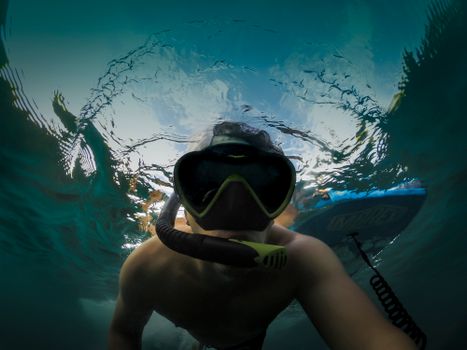
* Snuba: This brilliant hybrid activity combines snorkeling and scuba diving. You wear a mask, fins, and a weighted belt, but instead of carrying a heavy air tank on your back, your air supply comes through a long hose from a raft floating on the surface. This allows you to breathe underwater and dive to depths of up to 20 feet, with the freedom of movement of a snorkeler but the ability to stay submerged like a diver. Crucially, you don't need to be a swimmer; you just need to be comfortable in the water and able to breathe through a regulator.
* Introductory Scuba Diving (DSD): Often called "Resort Dives" or "Discover Scuba Diving," these programs allow complete beginners (including those with limited swimming skills, though comfort in water is key) to experience scuba diving under the direct supervision of a certified instructor. You'll learn basic safety skills in very shallow water, then go on a guided dive in a controlled, shallow environment (usually 20-40 feet). You'll wear a full scuba setup, but the instructor handles all the complex parts, allowing you to focus on breathing and enjoying the view. While not a certification, it's a fantastic taste of diving.
The Experience:
With Snuba, you feel light and free, able to glide effortlessly through the water, exploring coral formations and interacting with fish on their terms. It’s a fantastic way to get closer to the action than snorkeling or glass-bottom boats. DSD takes it a step further, giving you the authentic scuba experience, albeit in a highly controlled setting. The feeling of weightlessness, the vibrant colors, and the sheer abundance of life beneath the waves are truly mesmerizing.
Where to Go in October 2025:
- Caribbean (Aruba, St. Lucia, Cozumel): The Caribbean is a Snuba hotspot! Many operators offer tours in these islands, taking advantage of the calm, warm, and incredibly clear waters. Aruba, in particular, has several reputable Snuba providers. Expect prices around $80 - $150 USD for a Snuba excursion.
- Florida Keys, USA: Key Largo and John Pennekamp Coral Reef State Park are fantastic for both Snuba and DSD. The shallow reefs are teeming with life and perfect for beginners. Prices are similar to the Caribbean.
- Mexico (Cancun/Riviera Maya): Popular tourist destinations like Cancun and Playa del Carmen, as well as eco-parks like Xcaret and Xel-Ha, frequently offer Snuba. Many dive shops also run DSD programs in the region's beautiful cenotes or coastal reefs. A DSD experience might cost $100 - $180 USD.
My Take:
Snuba was my gateway drug to scuba diving, and for Sarah, it was the ultimate freedom. The ability to just be underwater, without the bulk of a tank, and to swim alongside schools of fish was an absolute revelation. For DSD, while it requires a bit more comfort in the water, the feeling of breathing fully underwater with a tank on your back is truly transformative. It's a fantastic way to see if full scuba diving is something you might want to pursue later.
Submarine Safaris: Deep Dives for Everyone
If you want to go deep, explore shipwrecks, and see marine life that thrives in deeper waters, all while staying completely dry and comfortable, a submarine safari is your ticket. These are not "semi" submarines; these are actual, fully submerged passenger submarines, offering a unique and luxurious way to explore the ocean.
What they are:
These are purpose-built tourist submarines, equipped with large viewing ports, comfortable seating, and air-conditioning. They descend to significant depths (often 100-150 feet or more), allowing you to see shipwrecks, deep-sea coral formations, and marine life rarely seen from the surface.
The Experience:
The journey itself is an adventure. You board the submarine, often from a surface vessel, and then the hatch closes. As the submarine slowly descends, the light changes, and a whole new world unfolds outside your porthole. Knowledgeable guides provide commentary, pointing out fascinating creatures and historical sites. It's a truly "once-in-a-lifetime" experience, offering a perspective on the ocean that few ever get to witness.
Where to Go in October 2025:
- Hawaii (Maui/Oahu): Atlantis Submarines operates in both Maui and Oahu, offering tours that often include visits to artificial reefs and shipwrecks. It's a highly polished and professional operation. Prices range from $100 - $150 USD.
- Aruba: Atlantis Submarines also has a strong presence in Aruba, providing dives into the vibrant Caribbean waters.
- Grand Cayman: Another excellent Caribbean destination for submarine tours, Grand Cayman’s Atlantis Submarines offers similar experiences, often highlighting the island's famous wall dives and diverse marine life.
- Canary Islands (Lanzarote): Submarine Safaris in Lanzarote offers a fantastic opportunity to explore the volcanic underwater landscapes and rich marine biodiversity of the Atlantic. Expect prices around €55 - €70 EUR.
My Take:
My submarine adventure in Grand Cayman was awe-inspiring. We descended to an old shipwreck, and the sheer size of it, coupled with the schools of fish that had made it their home, was incredible. It’s like being in a giant, moving aquarium, but the fish are wild and the landscape is real. It’s the ultimate way to experience the deep ocean without any effort or water contact.
Planning Your October 2025 Underwater Escape: Practical Tips
October 2025 is a fantastic time for these adventures! It often falls outside peak hurricane season for many Caribbean destinations (though always check forecasts) and offers pleasant weather in many tropical locales, often with fewer crowds than summer.
- Book Ahead: Especially for popular destinations and activities, tours can fill up quickly. Booking a few months in advance for October 2025 will secure your spot and often give you better rates.
- Research Operators: Always choose reputable operators with strong safety records and positive reviews. Look for certifications (e.g., PADI for DSD programs) and clear safety briefings.
- Confirm Non-Swimmer Friendliness: While this guide focuses on non-swimmer options, always double-check with the specific tour operator about their requirements. Some DSD programs might prefer a basic comfort level in water, even if no actual swimming is required.
- Weather Watch: For any ocean activity, weather is key. October can sometimes bring transitional weather patterns. Keep an eye on forecasts closer to your travel date and be prepared for potential rescheduling if conditions are unsafe.
- What to Pack:
- Reef-Safe Sunscreen: Protect yourself and the delicate marine ecosystem.
- Quick-Dry Clothes: Especially for Snuba or helmet diving, you'll be getting wet.
- Motion Sickness Medication: If you're prone to seasickness, take precautions, even on larger vessels.
- Waterproof Camera: Essential for capturing those incredible moments, or at least a good phone in a waterproof pouch.
- Sense of Adventure: The most important item!
- Budgeting: I’ve provided price ranges, but remember these are estimates. Factor in transportation to and from the activity, tips for guides, and any additional photos or videos offered.
Embrace the Depths: Your Ocean Adventure Awaits!
The ocean is a vast, mysterious, and incredibly beautiful realm, and for too long, many have felt excluded from its wonders due to a lack of swimming skills. But as you've seen, that's simply not true anymore! From the comfortable, dry confines of a semi-submarine to the exhilarating experience of walking on the ocean floor or breathing underwater with surface-supplied air, there's an underwater adventure for everyone.
Sarah, my non-swimming friend, now talks endlessly about her helmet diving experience, often showing off photos of her "underwater walk." Her only regret? Not knowing about these options sooner. Don't let that be your story!
October 2025 is just around the corner, offering perfect conditions in many of the world's most stunning marine destinations. It's time to stop dreaming and start planning. Uncover the magic beneath the waves, create unforgettable memories, and prove that the ocean truly is for all.
Which of these incredible non-swimmer underwater adventures will you embark on first in October 2025? Share your dreams and plans in the comments below! And don't forget to share this guide with anyone who thought they couldn't explore the ocean – let's inspire them to dive in!
---