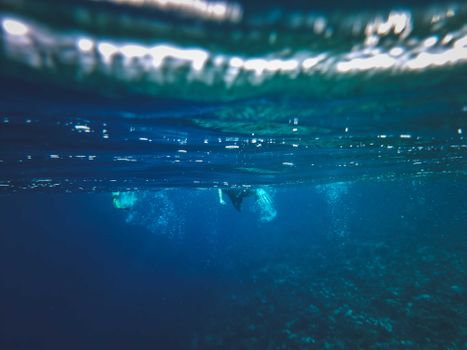
Dive Deep: Mind-Blowing Underwater Adventures for Non-Swimmers!
The ocean called, but my swimming skills whispered a resounding "no way!" For years, I watched travel shows and scrolled through Instagram feeds, green with envy as divers glided through coral gardens and snorkelers swam alongside majestic sea turtles. My heart ached for that connection to the mysterious, vibrant world beneath the waves, but my fear of deep water and less-than-stellar swimming abilities always held me back. I was convinced that the magic of the underwater world was simply not for me.
Then, a serendipitous conversation with a fellow traveler changed everything. "You don't need to be Michael Phelps to see the ocean's wonders," she said, recounting her own incredible experiences. That conversation sparked a quest – a mission to uncover every possible way a non-swimmer, like me, could still experience the breathtaking beauty of the deep. What I discovered blew my mind. There's an entire universe of accessible underwater adventures out there, waiting for you!
Forget the idea that you need a wetsuit and a PADI certification. From walking on the ocean floor to dining among sharks, I'm here to tell you, with absolute certainty and personal experience, that the ocean's secrets are open to everyone. If you’ve ever dreamt of gazing into the eyes of a clownfish or witnessing a kaleidoscope of coral, prepare to have your travel bucket list transformed.
1. Submarines & Semi-Submarines: The Ultimate Dry Dive
Imagine descending hundreds of feet below the surface, surrounded by the deep blue, watching schools of fish dart past your window, and spotting ancient shipwrecks – all while staying completely dry and comfortable. This isn't a scene from a James Bond movie; it's a reality thanks to tourist submarines and semi-submarines!
My first submarine adventure was with Atlantis Submarines in Aruba. I was a bundle of nerves and excitement as we boarded the vessel. As the hatch sealed and we began our descent, a hush fell over the cabin, replaced by the gentle hum of the sub. The feeling was surreal. Through the large viewing portholes, the light shifted from bright turquoise to an ethereal deep blue. We saw vibrant coral formations, a variety of tropical fish I couldn't even name, and even a majestic green sea turtle gliding effortlessly past our window. The highlight? A nurse shark, casually resting on the sandy seabed, completely unfazed by our presence. It was utterly captivating, and I didn't even get my hair wet!
Atlantis Submarines
operates in several stunning locations, including Hawaii (Oahu, Maui, Big Island), Aruba, Guam, and Grand Cayman. Prices typically range from $100-$150 USD per person for a 1.5 to 2-hour experience, which often includes a boat transfer to the dive site.
Semi-submarines
offer a slightly different perspective. These vessels remain on the surface, but their lower deck is submerged, featuring large windows below the waterline. You get a fantastic view of the shallower reefs and marine life, often with natural sunlight filtering through. I experienced a semi-submarine in the Maldives, where the water was so incredibly clear, it felt like we were floating in an enormous aquarium. It's usually a more budget-friendly option, with tours often costing $40-$80 USD, and you'll find them in many popular island destinations like the Caribbean, Fiji, and parts of Southeast Asia.
- Why it's mind-blowing: Total immersion in the underwater world without any physical exertion or getting wet. Perfect for all ages and mobility levels.
- Instagram-worthy: The view from the porthole is incredible! Capture the serene blue and the vibrant marine life.
- Pro Tip: Book your submarine tour for earlier in the day when the water is often clearest and marine life is most active.
2. Helmet Diving & Sea Walking: A Stroll on the Ocean Floor
This is where things get truly adventurous – and incredibly unique! Imagine walking along the sandy seabed, surrounded by schools of fish, feeling the gentle current, and breathing normally, all without any swimming skills. Welcome to the world of helmet diving, often called "sea walking."
My first sea walk was in Mauritius, and I was apprehensive. They fitted me with a special, heavy helmet that rests on your shoulders, connected to an air supply from the surface. The weight of the helmet keeps you grounded, and the air pressure inside prevents water from entering. Once the helmet was on, I slowly descended a ladder into the crystal-clear water. The moment my feet touched the seabed, a wave of pure wonder washed over me.
It felt like walking on another planet! The silence was profound, broken only by the sound of my own breathing. Colorful parrotfish and damselfish swam right up to my helmet, curious and bold. Our guide even handed us some bread, and within seconds, we were enveloped in a swirling cloud of fish – an absolutely magical, sensory overload experience. You don't need to know how to swim, wear contact lenses, or worry about your hair getting wet (it stays completely dry inside the helmet!).
You'll find fantastic helmet diving opportunities in:
* Mauritius: Many operators around Grand Baie and Belle Mare. Expect prices around $60-$90 USD.
* Bali, Indonesia: Sanur Beach is a popular spot. Prices are similar, $50-$80 USD.
* Phuket, Thailand: Patong Beach and nearby islands offer tours.
* Boracay, Philippines: A classic spot for sea walking.
- Why it's mind-blowing: It's an active, immersive experience that puts you directly on the ocean floor, face-to-face with marine life, without any swimming required.
- Instagram-worthy: The photos and videos of you walking underwater, surrounded by fish, are pure gold! Many operators offer photo/video packages.
- Pro Tip: Clear your ears as you descend, just like on an airplane, to equalize the pressure. If you have claustrophobia, discuss it with the operator beforehand, though the open-faced helmet design often helps.
3. Glass-Bottom Boats & Underwater Observatories: Panoramic Views
Sometimes, the simplest pleasures are the most profound. Glass-bottom boats and underwater observatories offer fantastic, low-key ways to appreciate the ocean's beauty from a dry, comfortable vantage point.
My earliest memory of underwater wonder was from a glass-bottom boat tour in Greece. The sun was shining, the Aegean Sea sparkled, and below us, through the clear panel in the boat's floor, we watched schools of fish flit through ancient ruins submerged near the coast. It was a gentle introduction to the marine world, perfect for families and those who prefer a relaxed pace. These tours are ubiquitous in coastal towns and island destinations worldwide, from the Caribbean to Australia's Great Barrier Reef. They are often quite affordable, ranging from $20-$50 USD for an hour or two. They're excellent for spotting turtles, rays, and a variety of reef fish in shallow, sunlit waters.
For a more substantial, fixed experience, underwater observatories are truly spectacular. The Underwater Observatory Marine Park in Eilat, Israel, is a prime example. You descend a staircase deep into the Red Sea, where you can walk through tunnels and rooms with enormous panoramic windows, offering an incredible 360-degree view of the coral reef and its inhabitants. It's like being inside a giant, natural aquarium. Similarly, the Busena Marine Park Underwater Observatory in Okinawa, Japan, offers stunning views of the vibrant Okinawan reef.
Some luxury resorts, particularly in the Maldives, even incorporate underwater viewing areas into their design. Imagine sipping a cocktail in a lounge where the "wall" is actually a window into the Indian Ocean, with reef sharks and manta rays gliding past!
- Why it's mind-blowing: Offers sustained, wide-angle views of marine ecosystems without getting wet, perfect for photography and extended observation.
- Instagram-worthy: Capture the vibrant coral and fish through the clear panels, especially when sunlight streams through.
- Pro Tip: For glass-bottom boats, choose a day with calm seas and bright sunshine for the best visibility. For observatories, take your time and look for the hidden creatures!
4. Snuba & Discover Scuba Diving (Beginner Options): Dipping Your Toes In
Alright, so you're not a swimmer, but maybe you're feeling a little braver after reading about all these options? If you're curious about getting into the water without the full commitment of traditional scuba, Snuba and Discover Scuba Diving (DSD) might be your next thrill.
Snuba
is a fantastic hybrid. It stands for Surface Supplied Underwater Breathing Apparatus. You wear a mask, fins, and a weight belt, but instead of carrying a heavy tank on your back, your air supply comes through a long hose connected to a floating raft on the surface. This means no heavy equipment, no complicated certifications, and you can explore shallow reefs (up to 20 feet/6 meters) with ease. You don't need to be a strong swimmer, just comfortable in the water and able to breathe through a regulator. Many Snuba operators will provide flotation devices if needed, and guides are always with you.
I tried Snuba in Key Largo, Florida, and it was liberating! The feeling of being able to move freely underwater, without the surface restriction of sea walking, but still feeling safe with the surface air supply, was exhilarating. We saw barracuda and schools of snapper, and I felt like a true explorer. Snuba experiences typically cost $70-$120 USD and are offered in many Caribbean destinations, Hawaii, and parts of Florida.
Discover Scuba Diving (DSD)
is a supervised introductory scuba dive for absolute beginners. While it's often recommended for swimmers, many reputable dive centers are happy to accommodate non-swimmers or weak swimmers, provided you are comfortable in the water and willing to follow instructions. You'll get a brief classroom session, learn basic safety skills in shallow, confined water, and then, under the direct supervision of an instructor, you'll make a shallow dive (usually 20-40 feet/6-12 meters). The key here is to be upfront about your swimming ability and choose an operator known for patience and excellent safety records.
My friend, who barely dog-paddles, did a DSD in Cozumel, Mexico. She was nervous but determined. Her instructor was incredibly supportive, holding her hand for most of the dive, and focusing on her comfort. She emerged beaming, having seen vibrant corals and a huge stingray. DSDs usually cost $100-$180 USD and are available at almost any major dive destination.
- Why it's mind-blowing: These options offer a taste of true "diving" without extensive training, giving you a sense of weightlessness and freedom underwater.
- Instagram-worthy: Action shots of you breathing underwater, surrounded by fish, are incredibly cool!
- Pro Tip: For both Snuba and DSD, choose a PADI or SSI certified dive center with excellent reviews, especially focusing on their beginner and safety protocols. Communicate your comfort level and any fears openly with your instructor.
5. Immersive Aquariums & Underwater Restaurants/Hotels: Luxury & Learning
Sometimes, the most incredible underwater experiences are found not in the open ocean, but in meticulously designed, jaw-dropping human creations. For the ultimate in comfort, luxury, and guaranteed marine encounters, look no further than world-class aquariums and unique underwater establishments.
While not "ocean adventures" in the traditional sense, these aquariums offer unparalleled access to marine life from every corner of the globe. The Dubai Aquarium & Underwater Zoo, for instance, boasts one of the largest suspended aquariums in the world, with a walk-through tunnel that makes you feel like you're literally inside the tank with sharks, rays, and thousands of fish. The Georgia Aquarium in Atlanta, USA, is home to whale sharks and manta rays, viewed through colossal windows. And the Monterey Bay Aquarium in California offers a deep dive into the diverse ecosystems of the Pacific. These aren't just fish tanks; they are immersive educational journeys that will ignite your passion for ocean conservation.
For a truly unforgettable, opulent experience, consider underwater restaurants and even underwater hotels. Imagine dining beneath the waves at Ithaa Undersea Restaurant at Conrad Maldives Rangali Island. Surrounded by panoramic acrylic walls, you'll savor gourmet cuisine as reef sharks, turtles, and a rainbow of fish glide above and around you. It's a sensory feast that transcends typical dining. Another stunning option in the Maldives is Subsix at Niyama Private Islands, an underwater playground accessible by speedboat. These experiences are undoubtedly a splurge, with meals often starting from $200-$300 USD per person, but they are once-in-a-lifetime moments.
And if money is no object, there are even underwater hotel rooms. The Underwater Room at The Manta Resort in Zanzibar offers a submerged bedroom with 360-degree views of the vibrant coral reef, allowing you to sleep surrounded by nocturnal marine life. The Jules' Undersea Lodge in Key Largo, Florida, is another incredible option, where you actually scuba dive to reach your room (though they offer a "Discover Scuba Diving" program for non-certified guests to get there!).
- Why it's mind-blowing: Guaranteed close encounters with incredible marine life, often in luxurious and utterly unique settings. Perfect for special occasions.
- Instagram-worthy: Every angle in an underwater restaurant or hotel room is a photo opportunity. Aquariums offer stunning backdrops for selfies and wide-angle shots.
- Pro Tip: Book these experiences far in advance, especially the restaurants and hotels, as they are often highly exclusive and fill up quickly.
Practical Tips for the Non-Swimmer Explorer: Your Guide to a Safe & Amazing Trip
Embarking on underwater adventures when you're not a strong swimmer requires a little extra planning and self-awareness, but it's entirely manageable. Here are my top tips to ensure your experience is safe, enjoyable, and utterly unforgettable:
- Communicate Your Comfort Level: This is paramount. Whether it's a submarine crew or a DSD instructor, always be upfront about your swimming ability and any anxieties you might have. Reputable operators prioritize your safety and will adapt.
- Read Reviews, Reviews, Reviews: Before booking any in-water activity (like sea walking, Snuba, or DSD), scour online reviews. Look for mentions of patience, excellent safety briefings, and how they handle nervous participants or non-swimmers.
- Choose Reputable Operators: Stick to well-established companies with a strong safety record and certified guides. Don't go for the cheapest option if it means compromising on safety or instruction quality.
- Ask About Flotation Devices: For Snuba or DSD, inquire if life vests or other flotation aids are available and encouraged for non-swimmers.
- Listen Attentively to Briefings: Pay close attention to all safety instructions, hand signals, and what to do in case of an emergency. Understanding the procedures will boost your confidence.
- Trust Your Guide: Your guides are professionals. If you feel uncomfortable at any point, signal them immediately. Don't push yourself beyond your comfort zone.
- Consider Motion Sickness: If you're prone to motion sickness, especially on boats to dive sites or even in a submarine, take preventative medication beforehand.
- Waterproof Your Tech: Invest in a good quality waterproof phone case or a GoPro to capture those incredible moments without risking your electronics.
- Embrace the Experience: Let go of any inhibitions or fears and allow yourself to be fully present. The underwater world is truly magical, and you deserve to experience it!
The Ocean Awaits, No Swim Skills Required!
My journey from a fearful non-swimmer to an avid underwater explorer has been one of the most rewarding aspects of my travels. I've walked on the seabed, descended into the deep in a submarine, and dined surrounded by the ocean's vibrant inhabitants. Each experience has deepened my appreciation for our planet's incredible marine ecosystems and shattered my preconceived notions of what's possible.
The ocean is not just for the elite swimmers or the certified divers. It's for the curious, the adventurous, and anyone who dreams of connecting with its profound beauty. With the incredible array of accessible underwater adventures available today, there's absolutely nothing stopping you from exploring the vibrant, mesmerizing world beneath the waves.
So, pack your bags, leave your swimming fears behind, and get ready for an adventure that will truly blow your mind. The only question left is: Which mind-blowing underwater adventure will you try first? Share your dreams and plans in the comments below! And don't forget to share this post with any fellow non-swimmers who need a little encouragement to dive into their own ocean dreams!
---