The Unwritten Rules: Navigating Global Customs That Are Trending Right Now
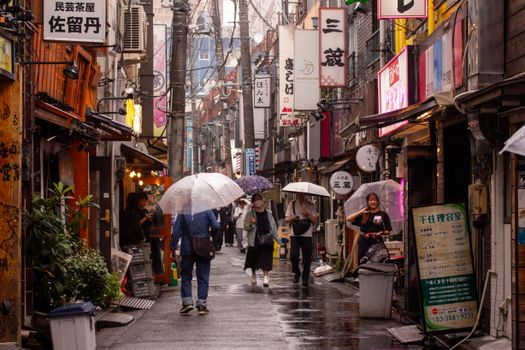
I still remember the first time I tried to pay for a meal in Japan and instinctively reached for my wallet, only to have the server gently point to a small, unassuming tray on the counter. It wasn't a big deal, but it was a quiet, almost invisible custom that completely bypassed my Western conditioning. That little moment, a tiny ripple in the vast ocean of cultural differences, sparked something profound in me. It wasn't just about the food or the beautiful scenery; it was about the intricate, often unspoken, language of local customs.
In a world that feels increasingly connected, the irony is that these unique local traditions are not fading away. Instead, fueled by a desire for authentic experiences, a surge in responsible tourism, and the shareable nature of social media, they are trending like never before. Travelers aren't just ticking off landmarks; they're seeking genuine immersion, eager to understand the soul of a place. But with that comes the delightful, sometimes bewildering, challenge of navigating customs that might just surprise you.
Forget the generic travel guides. Today, we're diving deep into the fascinating, sometimes hilarious, sometimes profound, local customs that are truly making waves in the global travel community. These aren't just quaint traditions; they're the vibrant threads that weave the fabric of a destination, offering a deeper connection and unforgettable stories. So, pack your open mind and get ready to unlock the secrets to truly respectful and enriching travel!
1. The Art of the Unexpected Greeting & Gesture: More Than Just a Handshake
Greetings are often our first point of contact, and boy, can they be a minefield of delightful surprises! What feels natural to us can be utterly foreign – or even offensive – elsewhere. The beauty is, once you grasp these nuances, you unlock a new level of connection.
Trending Custom Spotlight:
The "Hongi" in New Zealand is a powerful Māori greeting where two people press their noses and foreheads together. It's not an everyday street greeting for tourists, but if you're invited to a marae (Māori meeting ground) or a special cultural event, it’s a profound honor. I had the privilege of experiencing a Hongi during a cultural exchange near Rotorua. The initial awkwardness quickly melted into a feeling of deep respect and shared humanity. It’s a literal sharing of breath, and it’s an experience that stays with you.
Other Surprising Greetings:
* Bowing in Japan: It's more than just a nod! The depth and duration of a bow signify respect, apology, or gratitude. A quick head nod for casual greetings, a deeper bow for superiors or formal situations. When I first visited Tokyo, I found myself mimicking locals, often over-bowing or under-bowing. The key? Observe, and if in doubt, a gentle, shallow bow is usually safe.
* Air Kisses in Europe: The number varies wildly! One in Belgium, two in France (but three in some regions!), three in the Netherlands. My first time navigating a Parisian dinner party felt like a game of cultural roulette. Best advice? Watch what others do and follow suit, or offer a simple handshake if you're truly lost.
* The Indian Head Wobble: This isn't a "yes" or "no" but a versatile gesture meaning anything from "I understand" to "okay" to "maybe" or "I agree." It’s an art form! I spent weeks in Rishikesh trying to master it, often eliciting amused smiles from locals. It's a beautiful, non-verbal way of communicating that adds incredible charm to interactions.
Tripsora Tip:
When in doubt, a polite smile and a "hello" in the local language (e.g., "Konnichiwa" in Japan, "Namaste" in India, "Kia Ora" in New Zealand) are universally appreciated. Always be ready to adapt and learn – it’s part of the adventure!
2. Dining Etiquette: More Than Just Forks and Knives
Food is a universal language, but how we consume it speaks volumes. Dining customs can be incredibly intricate and often carry deep cultural significance.
Trending Custom Spotlight:
The Art of Slurping in Japan. Forget everything your parents taught you about table manners! In Japan, particularly with noodles like ramen or soba, slurping is not just acceptable; it's often a sign of appreciation for the chef and the deliciousness of the meal. My first bowl of tonkotsu ramen in Fukuoka was a revelation. I carefully tried to eat it quietly, only to notice everyone around me enthusiastically slurping away. Once I embraced it, the ramen tasted even better – it felt like I was truly part of the local experience.
Other Surprising Dining Customs:
* Eating with Hands (India, parts of Africa, Middle East): In many cultures, using your right hand to eat is not only common but preferred, especially with curries or stews. The left hand is generally considered unclean. I vividly remember my first thali in Kerala, carefully scooping up rice and dal with my fingers. It felt incredibly natural and connected me more deeply to the food.
* Tipping (or Not) Globally: In the USA, tipping is almost mandatory (15-20%). In Japan, it's considered rude and can even be seen as an insult. In many parts of Europe, a service charge is often included, or a small tip for exceptional service is fine. Always research the local tipping culture – it saves embarrassment and ensures fair compensation.
* Leaving Food on Your Plate (China vs. West): In China, leaving a little food on your plate can signal that your host has provided generously and you're full. Finishing everything might imply you're still hungry! In many Western cultures, leaving food is considered wasteful. It’s a subtle difference but important for social graces.
Tripsora Tip:
Observe your fellow diners. If you're unsure, watch how locals handle their food. Don't be afraid to politely ask your host, "What's the custom here?" – most are delighted to share their traditions. And yes, embrace the slurp!
3. Respecting Sacred Spaces & Personal Boundaries: Mind Your Step (and Your Shoes!)
Travel often takes us to places of immense spiritual and cultural significance. Understanding how to behave in these spaces, and respecting personal boundaries, is paramount.
Trending Custom Spotlight:
The Shoe-Off Policy in Asia & Beyond. While not new, the widespread expectation to remove shoes before entering homes, temples, and even some shops in many parts of Asia (e.g., Thailand, Japan, India), the Middle East, and even parts of Europe, is a custom many travelers still overlook. It's trending because increased awareness about cleanliness and respect for sacred/personal spaces is growing among travelers.
I once rushed into a beautiful temple in Chiang Mai, eager to take a photo, and was gently stopped by a local who pointed to my feet. My shoes were quickly off, and the cool tile beneath my bare feet instantly humbled me. It’s a simple act, but it instantly changes your posture and mindset.
Other Crucial Respectful Practices:
* Dress Codes for Temples/Mosques: In many parts of Southeast Asia (Thailand, Cambodia), the Middle East, and even some European churches, modest dress is required. This usually means covering shoulders and knees. Always carry a light scarf or sarong (they often sell them cheaply at entrances for a few dollars/euros) – it’s an easy fix.
* Public Displays of Affection (PDA): In many conservative cultures, especially in the Middle East and parts of Asia, public displays of affection (even holding hands) are frowned upon or even illegal. It’s best to err on the side of caution and be discreet.
* Pointing with Feet (Thailand): In Thai culture, the feet are considered the lowest and least clean part of the body. Pointing your feet at someone, a Buddha image, or even a sacred object is highly disrespectful. Be mindful of how you sit and gesture.
Tripsora Tip:
Always carry a lightweight shawl or scarf in your daypack. It's versatile for warmth, sun protection, and instant modesty. When in doubt about shoes, look for piles of footwear outside an entrance – that's your cue! And remember, quiet observation is always a sign of respect.
4. The Language of Gifting & Reciprocity: Give and Take with Grace
Gifts are a beautiful way to show appreciation, but the act of giving and receiving can be laden with cultural nuances that are important to understand.
Trending Custom Spotlight:
The Art of Refusing a Gift (Initially) in Japan. In Japanese culture, it's customary to politely refuse a gift two or three times before accepting it. This isn't because you don't want it, but because it shows humility and avoids appearing greedy. It's a beautiful dance of politeness. I once offered a small souvenir to a Japanese friend, and they initially declined. Remembering what I'd read, I gently insisted, and on the third offer, they accepted with a graceful bow and genuine gratitude. It taught me that sometimes, the true gift is in understanding the custom itself.
Other Gifting Etiquette:
* Opening Gifts Later (Many Cultures): In many Asian and European cultures, it's considered more polite to open a gift privately later, rather than immediately in front of the giver. This avoids any potential awkwardness if the gift isn't liked or is inappropriate.
* What NOT to Give: Research specific taboos. In China, clocks (sound like "end" or "funeral") and sharp objects (symbolize cutting ties) are generally avoided. In India and the Middle East, avoid giving gifts with your left hand.
* Reciprocity in Invitations: If you're invited to someone's home for a meal, it's often customary to bring a small gift (e.g., a bottle of wine, flowers, or a local delicacy from your home country). This is a globally trending custom of polite reciprocity.
Tripsora Tip:
When giving or receiving a gift, use both hands – it shows respect. Keep gifts small, thoughtful, and culturally appropriate. A small token from your home country is usually a safe and appreciated choice.
5. Beyond the Obvious: Unique Social Norms That Will Delight (and Challenge) You
Some customs aren't about greetings or food, but about the very fabric of social interaction. These are the ones that truly immerse you.
Trending Custom Spotlight:
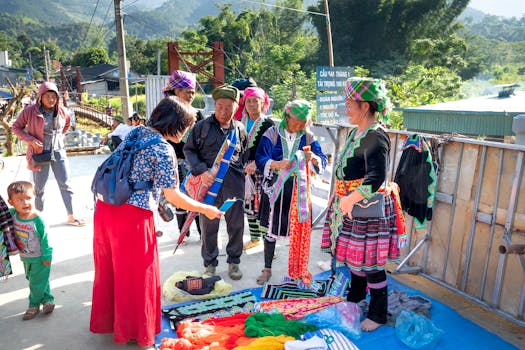
Haggling as an Art Form (North Africa, Middle East, Asia). In bustling souks and vibrant markets from Marrakech to Istanbul to Bangkok, haggling isn't just about getting a good price; it's a social interaction, a dance of negotiation, and a form of respect for the vendor's craft. It's trending as more travelers seek out authentic market experiences.
My first time haggling in the Jemaa el-Fnaa square in Marrakech was a disaster. I was shy, awkward, and probably paid too much. But after watching locals, learning a few basic Arabic phrases, and embracing the playful back-and-forth, it became incredibly fun. Start by offering about half the initial price, and aim to settle around 60-70%. Always be polite, smile, and be ready to walk away if the price isn't right. It's not personal!
Other Intriguing Social Norms:
* "Saving Face" (East Asia): This concept, particularly strong in China, Japan, and Korea, refers to avoiding public embarrassment or loss of dignity for oneself or others. It influences how people communicate, resolve conflicts, and even give feedback. Direct criticism or confrontation is often avoided. Understanding this helps you navigate social situations with grace.
* Silence as Agreement/Respect (Finland, some Indigenous Cultures): In many Western cultures, silence can be awkward. In Finland, for example, silence in conversation can indicate thoughtful consideration or even agreement. Don't rush to fill every pause!
* Public Bathing Etiquette (Japan - Onsen): The communal hot springs of Japan are a truly unique experience. It’s trending as wellness travel grows. There are strict rules: shower thoroughly before entering, no swimsuits (unless specified), and cover tattoos if necessary (some onsen are still conservative about tattoos). It's an incredibly relaxing and communal experience once you understand the etiquette.
Tripsora Tip:
Embrace the discomfort! These are the moments that push you out of your comfort zone and lead to the most memorable stories. Learn a few phrases for haggling, observe the local pace of conversation, and always be open to new experiences.
6. The Digital Age & Customary Courtesy: Staying Savvy in a Shareable World
In an era where every moment is potentially shareable, new digital customs and courtesies are emerging, especially when interacting with locals.
Trending Custom Spotlight:
Asking Permission for Photos. With smartphones ever-present, it's easy to snap photos of everything and everyone. However, the custom of asking permission before photographing people, especially children, is gaining significant traction and importance. It's a trending custom of ethical and respectful travel.
I've seen countless tourists in bustling markets or remote villages take candid shots without a second thought. While some cultures are more open, many find it intrusive. A simple gesture, a smile, and a "photo, please?" (or "sumimasen, shashin ii desu ka?" in Japanese) goes a long way. More often than not, you'll be met with a warm smile and a nod, and your photo will carry a story of connection, not just a snapshot.
Other Digital Age Courtesies:
* Phone Usage in Sacred/Public Spaces: Keep phone calls quiet, and avoid prolonged use of your device in places like temples, museums, or during formal gatherings. Be present.
* Social Media Sharing: Think before you post. Is the content respectful? Does it invade someone's privacy? Avoid making fun of local customs, even unintentionally. The internet never forgets.
* Online Reviews: Be fair and constructive. Remember that cultural differences can sometimes be misinterpreted as poor service.
Tripsora Tip:
Always prioritize human connection over the perfect shot. A genuine interaction is far more valuable than a viral photo taken without consent. If a local declines, respect their wishes without question.
Embrace the Unexpected: Your Passport to Deeper Travel
The beauty of these trending local customs isn't just in knowing the rules; it's in the journey of discovery, the inevitable missteps, and the profound lessons learned. Each unique tradition is a window into a culture's soul, reflecting its values, history, and way of life. By opening ourselves to these surprising customs, we don't just travel; we connect, we learn, and we grow.
These aren't just archaic rules; they are living, breathing aspects of daily life that are more visible than ever thanks to global travel and the sharing economy. Travelers are demanding more than just a surface-level experience, and understanding these customs is your golden ticket to that authentic, immersive journey.
So, on your next adventure, don't just visit; engage. Don't just observe; participate. Let these surprising customs challenge your perceptions and enrich your soul.
What surprising customs have you encountered on your travels? Share your stories and tips in the comments below! Tag us on Instagram @Tripsora with #CultureShockAndAwe and tell us your most memorable cultural learning moment. Ready to dive deeper? Bookmark this guide for your next adventure and let the world surprise you!
---