March 2026: Your Call to Arms for a Greener Planet
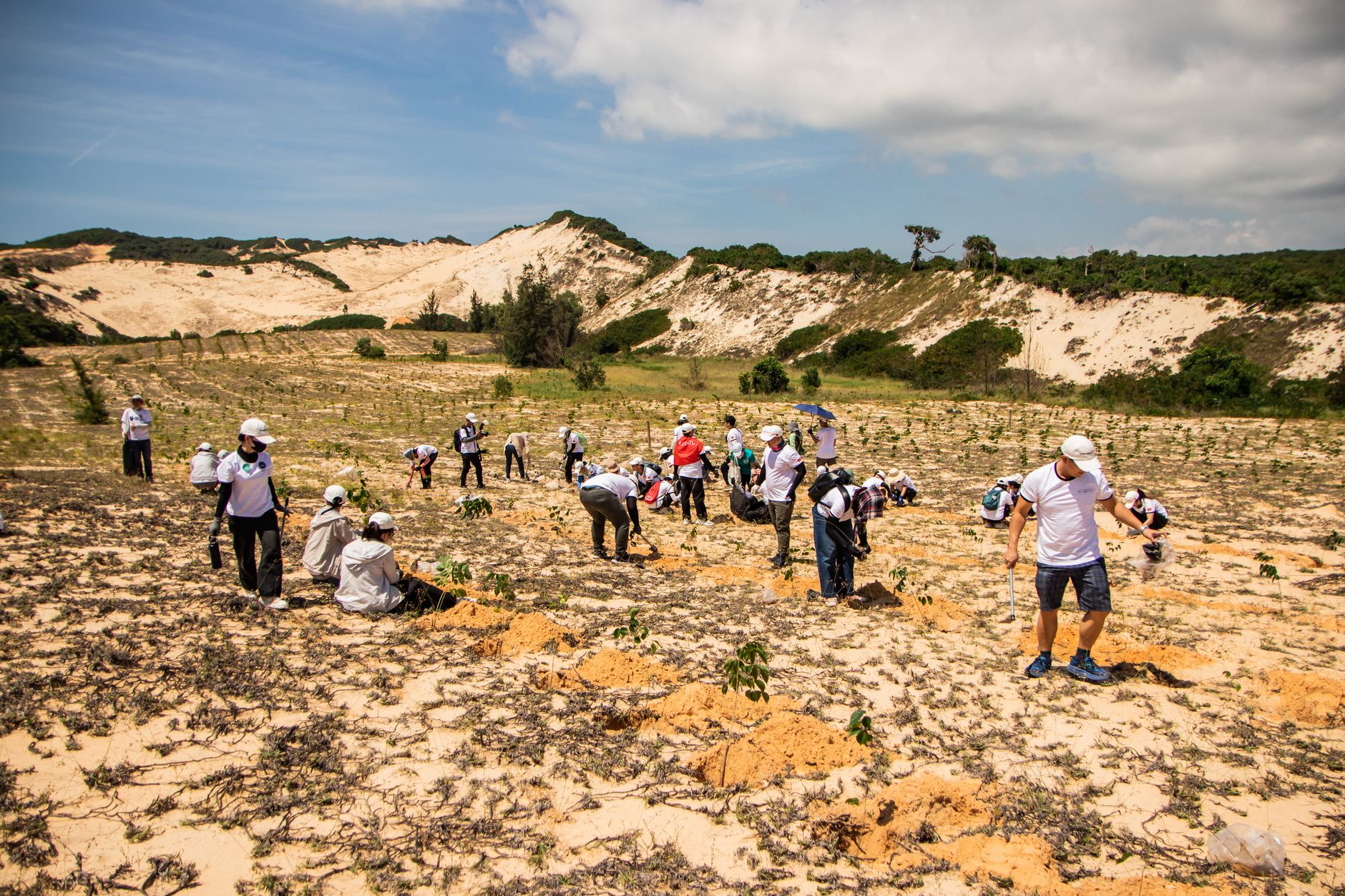
I stepped off the dusty jeep, the scent of damp earth and something wild – a mix of unseen blossoms and decaying leaves – hitting me like a forgotten memory. The air, thick and humid, hummed with the unseen life of a forest reborn. This wasn't just a holiday; it was a pilgrimage. March 2026 is shaping up to be the year we, as travelers, can truly make a tangible, beautiful difference. Forget passive sightseeing; we're talking about active participation in the planet's healing. I’m talking about tree-planting trips in deforested regions, and trust me, they are going to be the experience of the year.
The Whispers of the Forest: Why Now?
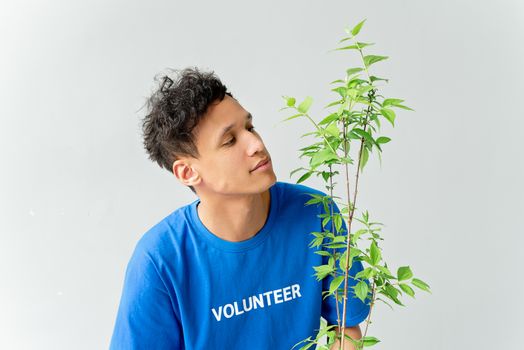
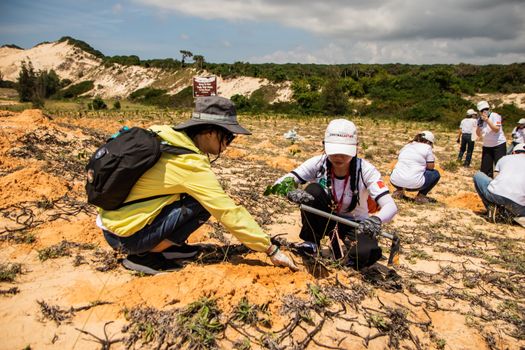
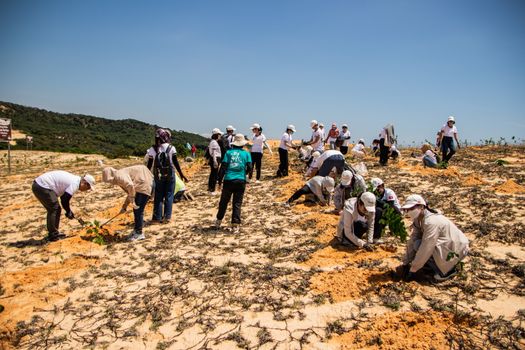
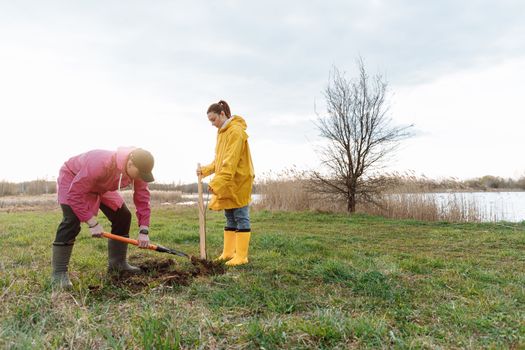
The urgency is palpable. Deforestation, a relentless tide, has stripped away vital ecosystems, impacting climate, biodiversity, and local communities. But where there's loss, there's also hope. And in March 2026, that hope is manifesting in incredible, immersive travel opportunities. These aren't your typical package tours. These are journeys that connect you deeply with the land, its people, and the urgent mission of restoration. Imagine the feeling of sinking a young sapling into soil that yearns for life, knowing you're part of its future. It’s a powerful, visceral experience that stays with you long after you’ve returned home.
Where the Earth Breathes Again: Top Destinations for March 2026
March is a sweet spot for many deforested regions. It often marks the transition into drier seasons in some areas, making planting conditions ideal, while others are just emerging from monsoon rains, bursting with renewed life.
The Heart of the Amazon: Rebuilding the Lungs of the Earth
The Amazon rainforest, a biodiversity hotspot, has suffered immensely. Yet, pockets of incredible conservation work are thriving. March offers a window into its vibrant life before the peak of the rainy season in some parts.
- What to Expect: Imagine working alongside indigenous communities, learning their ancient forest management techniques while planting native hardwood species. You'll be surrounded by the symphony of the jungle – the screech of monkeys, the calls of exotic birds, and the rustle of unseen creatures.
- The Vibe: Raw, untamed, and profoundly humbling. You'll sleep in rustic lodges, eat meals bursting with local flavors like pirarucu (a giant Amazonian fish) and exotic fruits, and fall asleep to the sounds of nocturnal wildlife.
- Pro-Tip: Pack light, breathable clothing and a high-quality insect repellent. Many lodges offer early morning bird-watching tours – an absolute must!
Southeast Asia's Emerald Embrace: Restoring Vital Ecosystems
Countries like Indonesia, Malaysia, and parts of Vietnam are actively engaged in reforestation efforts, particularly in areas impacted by palm oil plantations and logging. March is often a prime time, with pleasant temperatures and lower humidity.
- What to Expect: Projects here often focus on planting mangrove saplings to protect coastlines, or reintroducing native tree species to support orangutan habitats or vital watershed areas. You'll likely be working with local NGOs and communities who are passionate about their heritage.
- The Vibe: Tropical warmth, vibrant local markets with fragrant spices and steaming bowls of pho or laksa, and the friendly smiles of people dedicated to their land. Accommodation can range from simple homestays to comfortable eco-lodges.
- Pro-Tip: Learn a few basic phrases in the local language. A simple "Terima Kasih" (Thank you in Malay/Indonesian) or "Cảm ơn" (Thank you in Vietnamese) goes a long way.
African Savannahs: Greening the Grasslands for Resilience
In parts of East Africa, tree-planting initiatives are crucial for combating desertification, supporting wildlife corridors, and empowering local communities with sustainable resources. March often falls into a shoulder season, offering a pleasant climate.
- What to Expect: Projects might involve planting acacia trees to provide shade and food for wildlife, or establishing agroforestry systems that benefit local farmers. You might even get to see the fruits of your labor by spotting elephants or giraffes grazing near newly planted areas.
- The Vibe: Expansive landscapes, the awe-inspiring presence of wildlife, and the warmth of African hospitality. Imagine evenings spent around a campfire, sharing stories under a sky ablaze with stars, the distant roar of a lion a thrilling soundtrack. Meals are often hearty and communal.
- Pro-Tip: Bring binoculars! You’ll want to get a closer look at the incredible birdlife and mammals. Sunscreen and a wide-brimmed hat are non-negotiable.
Beyond the Sapling: The Ripple Effect of Your Journey
These trips are so much more than just planting trees. They are holistic experiences that offer profound personal growth and contribute to a wider ecological and social healing.
Immersive Cultural Exchange
You're not just a volunteer; you're a guest. You'll be welcomed into local communities, sharing meals, learning about their traditions, and understanding the challenges they face firsthand. This is where the real magic happens – genuine human connection that transcends borders and backgrounds. You’ll taste food cooked with love and generations of knowledge, listen to music that tells ancient stories, and witness ways of life that are deeply connected to the natural world.
Skill-Building and Knowledge Acquisition
You'll learn practical skills: how to identify native species, the best techniques for planting in different terrains, and the ecological importance of each tree. You might also gain insights into sustainable agriculture, community organizing, and conservation strategies. This isn't just a feel-good trip; it's an education.
Direct Environmental Impact
This is the core of it. Every tree you plant is a carbon sink, a habitat for wildlife, a source of clean air and water, and a buffer against soil erosion. You are directly contributing to the restoration of ecosystems, helping to combat climate change one sapling at a time. The satisfaction of seeing a barren patch of land slowly begin to green is unparalleled.
Personal Transformation
There's something incredibly grounding about working with your hands in the earth. It strips away the superficialities of modern life and connects you to something fundamental. You'll return with a renewed sense of purpose, a deeper appreciation for nature, and a powerful story to tell.
Planning Your March 2026 Reforestation Adventure: The Nitty-Gritty
Ready to roll up your sleeves? Here’s what you need to know.
Quick Facts: Tree-Planting Trips (March 2026)
| Feature | Estimated Cost (USD) | Best Time for Planting (March 2026) | How to Get There |
| :------------------ | :------------------- | :---------------------------------- | :------------------------------------------------- |
| Amazon Basin | $1500 - $3000+ | Early to Mid-March | Fly into major hubs (e.g., Manaus, Iquitos), then local transport. |
| Southeast Asia | $1000 - $2500+ | Throughout March | Fly into regional hubs (e.g., Kuala Lumpur, Bangkok, Denpasar), then local transport. |
| East Africa | $1200 - $2800+ | Early to Mid-March | Fly into major international airports (e.g., Nairobi, Kilimanjaro), then local transport. |
Note: Costs are estimates and can vary greatly based on the organization, duration, accommodation, and inclusions.
Choosing the Right Organization
This is crucial. Look for organizations with a proven track record, transparency in their operations, and strong relationships with local communities.
- Do Your Research: Check their website for project details, impact reports, and testimonials.
- Look for Partnerships: Are they working with local governments, NGOs, or indigenous groups?
- Read Reviews: See what past volunteers have to say.
- Transparency is Key: Understand where your money is going and how it's being used.
What to Pack: The Essentials
Think practical and earth-friendly.
- Durable Clothing: Long-sleeved shirts and pants (for sun and insect protection), sturdy work gloves.
- Footwear: Waterproof hiking boots or sturdy closed-toe shoes. Sandals for downtime.
- Sun Protection: High SPF sunscreen, wide-brimmed hat, sunglasses.
- Insect Repellent: A potent, DEET-based repellent is often necessary.
- Reusable Water Bottle: Stay hydrated and reduce plastic waste.
- Small Backpack: For carrying essentials during planting days.
- Personal First-Aid Kit: With any personal medications.
- Camera: To capture the memories (but remember to be present!).
- Headlamp or Flashlight: For evenings.
- Quick-Dry Towel: Always handy.
Health and Safety
- Consult Your Doctor: Discuss necessary vaccinations and malaria prophylaxis well in advance.
- Travel Insurance: Essential for any international trip, especially one involving physical activity.
- Follow Local Guidance: Always adhere to the instructions of your project leaders and local authorities.
The Future is Green, and You Can Be a Part of It
March 2026 presents a unique opportunity to step beyond the ordinary and into a journey of purpose. Tree-planting trips in deforested regions offer a chance to reconnect with nature, contribute to vital conservation efforts, and experience the world in a way that truly matters. Imagine the feeling of accomplishment, the stories you’ll gather, and the lasting legacy you’ll help to build. This is your invitation to be a steward of the earth, to leave a footprint of regeneration, and to return home with a heart full of green.