The Scent of Revival: Why Your Next Trip Needs to Be About More Than Just Sightseeing
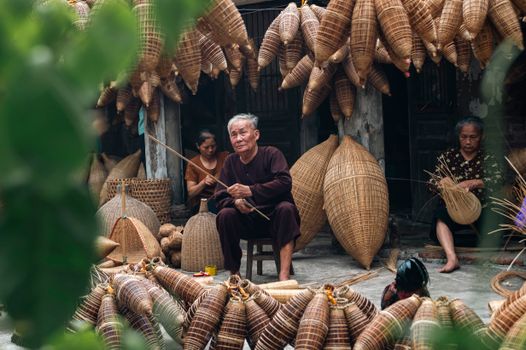
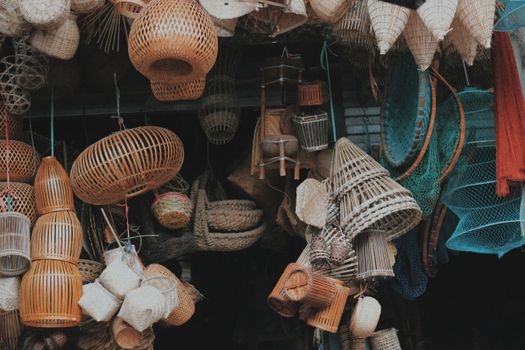
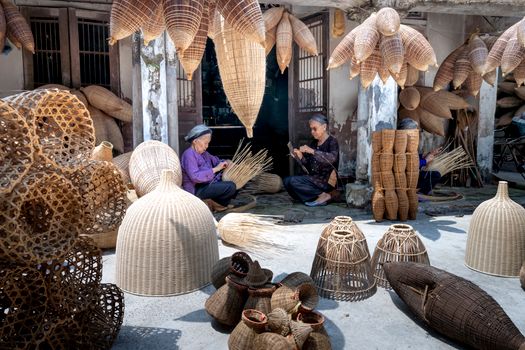
I stepped off the train into a symphony of sounds and smells that instantly transported me. The air, thick with the sweet aroma of drying herbs and the earthy scent of fired clay, hummed with a gentle, persistent rhythm – the soft thud of a hammer against wood, the whisper of threads being spun. In this small, sun-drenched village, nestled in a valley often overlooked by the mainstream tourist radar, I wasn't just observing; I was feeling the pulse of a community meticulously weaving its heritage back into existence. This isn't just about preserving crafts; it's about witnessing a vibrant rebirth, and crucially, understanding how we, as travelers, can be catalysts for this change.
This year, a wave of traditional craft revivals is cresting, offering intrepid explorers a chance to connect with culture on a profoundly intimate level. These aren't dusty museum exhibits; they are living, breathing traditions being revitalized by passionate artisans, often with limited resources. Your journey can be the lifeline they need, transforming a simple vacation into an act of meaningful cultural preservation.
Section 1: The Loom's Song: Resurrecting Ancient Textile Traditions
The Hook:
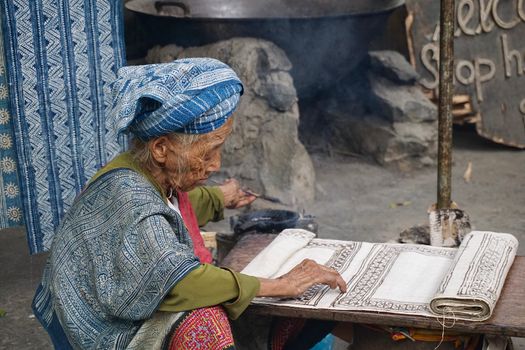
My first encounter with the Andean weaving communities of Peru was a revelation. I remember watching Doña Elena, her fingers a blur against the vibrant threads of her backstrap loom, her brow furrowed in concentration. The air was alive with the gentle creak of the loom and the murmur of Quechua, a language as ancient as the mountains themselves. The sheer artistry, the intricate patterns telling stories of Pachamama and the cosmos, left me speechless. These weren't just blankets; they were wearable history.
The Revival:
For generations, Andean weaving was a cornerstone of cultural identity, but globalization and the allure of mass-produced goods threatened to silence the looms. Now, there's a powerful resurgence. Artisan cooperatives are forming, young people are returning to learn from their elders, and the demand for authentic, ethically produced textiles is growing.
Pro-Tip:
Seek out smaller, community-led weaving centers. Often, the most authentic experiences are found away from the main tourist hubs. Look for workshops where you can see the natural dyeing process using plants and insects – it’s a fascinating glimpse into ancestral knowledge.
Insider Language:
Don't just ask about the "design." Inquire about the "motivos" – the specific symbols and their meanings. Understand that the "hilado" (spinning) and "teñido" (dyeing) are as much a part of the art as the weaving itself.
Section 2: The Potter's Wheel: Shaping Stories from Earth
The Hook:
In a sun-baked village in Morocco's Atlas Mountains, the air was perfumed with the distinct scent of woodsmoke and wet earth. I watched as Karim, a young man with hands caked in ochre clay, coaxed a graceful vase into existence on his spinning wheel. The rhythmic whir of the wheel, the gentle scraping of his tools, and the pride in his eyes as he spoke of his grandfather’s legacy – it was a powerful testament to a craft refusing to be forgotten. The geometric patterns, so characteristic of Berber pottery, were not just decorative; they held deep spiritual significance.
The Revival:
Traditional Moroccan pottery, particularly the vibrant, hand-painted styles of regions like Tamegroute and the Berber villages, faced a decline as cheaper, machine-made alternatives flooded the market. However, a renewed appreciation for its unique aesthetic and the artisanal process is fueling a comeback. Artisans are experimenting with new glazes and forms while staying true to their heritage.
Pro-Tip:
Visit a pottery workshop during the firing process. The glow of the kiln and the anticipation of the reveal are unforgettable. Many workshops welcome visitors to try their hand at the wheel – a truly hands-on cultural immersion.
Quick Facts: Moroccan Pottery Revival
| Category | Details |
| :------------------- | :--------------------------------------------------------------------- |
| Estimated Cost ($) | $50 - $200 (for a workshop/day trip, excluding purchases) |
| Best Time to Visit | Spring (March-May) and Autumn (September-November) for pleasant weather. |
| How to get there | Fly into Marrakech (RAK) or Ouarzazate (OZZ). Hire a private driver or join a guided tour to reach mountain villages. |
Insider Language:
The specific hue of green in Tamegroute pottery is known as "vert émeraude" (emerald green), achieved through a secret glaze formula passed down through generations. The "fardeau" (burden) of tradition is often spoken of, but here, it's a source of immense pride.
Section 3: The Woodworker's Whisper: Breathing Life into Ancient Carvings
The Hook:
The scent of cedar and beeswax was intoxicating as I entered the workshop. In a small town in Northern Vietnam, a master craftsman, his face etched with the wisdom of decades, was meticulously carving a dragon onto a temple beam. The delicate tap-tap-tap of his chisel, the fine shavings of wood falling like snow, and the sheer precision of his movements – it felt like witnessing a sacred ritual. The intricate details, the swirling clouds and fierce mythical creatures, were not just decoration; they were imbued with meaning and protective power.
The Revival:
Traditional Vietnamese woodworking, especially for temples, pagodas, and intricate furniture, has long been a revered art form. However, the demand for highly skilled artisans has waned with modern construction. Now, there's a push to document these techniques, train a new generation, and showcase the beauty of hand-carved wooden art to a global audience.
Pro-Tip:
Look for workshops specializing in "nghệ thuật chạm khắc gỗ" (wood carving art). Visiting a working temple undergoing restoration offers a unique opportunity to see these crafts in action and speak with the artisans.
Insider Language:
The "linh vật" (sacred animals) like dragons, phoenixes, and kylins are not merely decorative; they are believed to ward off evil spirits and bring good fortune. The "đường nét" (lines and strokes) of the carving are as important as the overall form.
Section 4: The Artisan's Touch: Supporting Indigenous Crafts in the Amazon
The Hook:
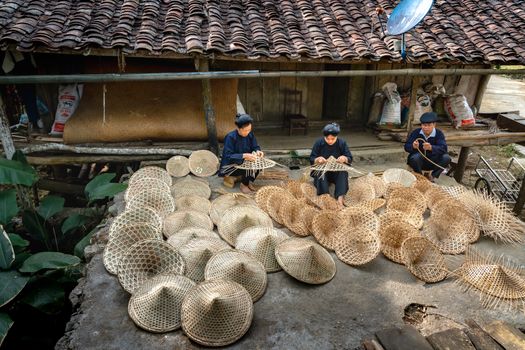
The humid air of the Ecuadorian Amazon was alive with the sounds of the rainforest – the chirping of unseen insects, the distant call of monkeys. I was with a community of indigenous artisans, their faces painted with intricate "achuar" patterns, demonstrating how they weave baskets from "chambira" palm fibers. The delicate plaiting, the natural dyes derived from roots and leaves, and the stories woven into each piece – it was a profound connection to the land and its ancient knowledge.
The Revival:
Many indigenous Amazonian communities are facing immense pressure from deforestation and external economic forces. Their traditional crafts, deeply intertwined with their cultural identity and sustainable use of forest resources, are vital for their livelihoods and cultural survival. There's a growing movement to support these artisans directly, ensuring fair trade and preserving their ancestral skills.
Pro-Tip:
Choose tour operators and organizations that work directly with indigenous communities and prioritize ethical sourcing. Participating in a community-led craft workshop offers a genuine exchange of knowledge and direct support.
Quick Facts: Amazonian Indigenous Crafts
| Category | Details |
| :------------------- | :------------------------------------------------------------------- |
| Estimated Cost ($) | $100 - $300 (for a guided cultural immersion experience, excluding purchases) |
| Best Time to Visit | Dry season (June-September) for easier travel, but crafts are made year-round. |
| How to get there | Fly into Quito (UIO) or Guayaquil (GYE). Take domestic flights to Amazonian gateway towns (e.g., Coca). Arrange boat transport with local guides. |
Insider Language:
The intricate patterns in the "achuar" basketry often represent elements of the natural world and spiritual beliefs. The "chambira" fiber is incredibly strong and versatile, a gift from the rainforest itself.
Section 5: The Metalworker's Spark: Reviving Traditional Jewellery and Metal Arts
The Hook:
The clang of hammer on metal echoed through the narrow streets of Jaipur, India. I watched a silversmith, his brow glistening with sweat, meticulously hammering a delicate floral motif onto a bracelet. The air was filled with the sharp, metallic tang of silver and the rhythmic percussion of his tools. The intricate filigree work, the vibrant gemstones, and the centuries-old techniques passed down through generations of artisans – it was a dazzling display of skill and artistry.
The Revival:
Rajasthan, particularly cities like Jaipur and Jodhpur, has a rich heritage of intricate metalwork, from jewellery to decorative items. While modern influences exist, there's a concerted effort to revive and sustain the traditional techniques of "meenakari" (enameling) and "jadau" (gem setting). Supporting these artisans means preserving a legacy of breathtaking craftsmanship.
Pro-Tip:
Visit the Johari Bazaar in Jaipur, but don't be afraid to venture into smaller, family-run workshops. Look for artisans who specialize in traditional "kundan" or "meenakari" work. Witnessing the delicate process of applying enamel is mesmerizing.
Insider Language:
"Meenakari" is the art of enameling, where vibrant powdered glass is fused onto metal. "Kundan" refers to the traditional Indian gem-setting technique where gold foil is used to set stones, creating a stunning, almost floating effect.
Section 6: Why Your Support Matters: The Economics of Authenticity
These craft revivals are more than just aesthetically pleasing; they are crucial for the economic and cultural survival of communities. When you choose to support these artisans, you are:
- Providing Fair Income: Direct purchases and patronage ensure artisans receive fair compensation for their skills, moving away from exploitative intermediaries.
- Preserving Cultural Heritage: Your support incentivizes the continuation of ancient techniques, designs, and knowledge that would otherwise be lost.
- Empowering Communities: Craft production often provides sustainable livelihoods, particularly for women, fostering economic independence and community development.
- Promoting Sustainable Practices: Many traditional crafts rely on natural materials and time-honored, low-impact methods that are inherently sustainable.
- Fostering Cross-Cultural Understanding: Engaging with artisans offers a unique opportunity to learn about their lives, beliefs, and worldview, building bridges of understanding.
Section 7: Planning Your Craft-Focused Adventure
The Budget/Logistics:
Planning a trip focused on craft revivals requires a slightly different approach. It's less about ticking off famous landmarks and more about immersive experiences.
- Accommodation: Consider homestays or boutique guesthouses run by locals for a more authentic experience.
- Transportation: In many rural areas, local buses or shared taxis are common. For remote villages, hiring a private driver or joining a specialized tour might be necessary.
- Language: While English is spoken in tourist areas, learning a few basic phrases in the local language will go a long way in building rapport.
- Purchases: Be prepared to invest in genuine, handcrafted items. These are not mass-produced souvenirs; they are works of art. Negotiate respectfully, understanding the value of the artisan's time and skill.
Pro-Tip:
Always ask before taking photos of artisans or their work. A simple gesture of respect can open doors to deeper connections.
The Call to Action:
This year, let your wanderlust be a force for good. By choosing to explore these vibrant craft revivals, you’re not just embarking on an unforgettable journey; you're becoming a vital part of their enduring story. Pack your bags, open your heart, and discover the soul of these living traditions.