The Call of the Wild: My First Immersive Conservation Experience
I stepped off the rickety bus, the humid air of the Costa Rican rainforest clinging to my skin like a second shirt. The scent was intoxicating – a heady mix of damp earth, decaying leaves, and the sweet, cloying perfume of unseen blossoms. A symphony of buzzing insects, chattering monkeys, and the distant, guttural roar of howler monkeys filled the air, a primal soundtrack that vibrated in my very bones. This wasn't just a vacation; it was an awakening. I was here, ready to roll up my sleeves and contribute to a vital sea turtle conservation project, a far cry from my usual city life. And let me tell you, it was one of the most rewarding experiences of my life.
For years, I’d dreamed of more than just seeing the world; I wanted to feel it, to contribute to its preservation. The challenge? Time. My demanding work schedule often left me with only a week or two for travel. The good news? The world is brimming with incredible conservation projects actively seeking short-term volunteers, and the experts are buzzing about them. Forget the generic volunteer tours; these are genuine initiatives where your contribution truly matters.
Why Short-Term Conservation Travel is a Game-Changer
The allure of conservation travel is undeniable. It’s about stepping outside your comfort zone, immersing yourself in a different ecosystem, and actively participating in its protection. For those with limited time, the concept of a "short-term visitor" might seem counterintuitive. Surely, meaningful impact requires months, right? Wrong. Many projects are designed to integrate short-term volunteers, recognizing the value of fresh energy, diverse skills, and the powerful ripple effect of bringing awareness back home.
Pro-Tip:
Many organizations offer introductory programs specifically tailored for weekend or week-long stays. These are fantastic for getting a taste of conservation work without a huge time commitment.
The Experts' Top Picks: Where Your Hands-On Efforts Shine
After countless conversations with conservationists, wildlife biologists, and seasoned eco-travelers, a few standout projects kept surfacing. These aren't just places to see nature; they're places to help it.
1. Sea Turtle Nesting and Hatchling Protection (Costa Rica)
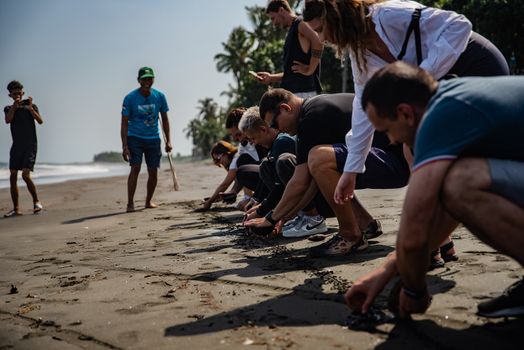
This is where my own journey began. Imagine walking along a moonlit beach, the rhythmic crash of waves your only companion, searching for nesting sea turtles. It’s breathtaking. My role often involved patrolling the nesting beaches at night, carefully monitoring for signs of nesting activity, and, if found, gently relocating nests to safer, predator-proof areas. During hatching season, the excitement is palpable as you help guide tiny hatchlings safely to the ocean.
- The Vibe: Raw, primal, and deeply connected to the ocean's cycles. The salty air, the starlit sky, the sheer vulnerability of these ancient creatures – it’s an experience that humbles you.
- Insider Scoop: Visit during nesting season (typically May to October for Pacific coast turtles) for the highest chance of seeing nesting and hatching events.
- Quick Facts:
- Estimated Cost: $500 - $1200 per week (includes accommodation, meals, and program fees)
- Best Time to Visit: May - October (nesting & hatching season)
- How to Get There: Fly into San José (SJO) or Liberia (LIR), then arrange shuttle or local bus transport to the coastal region.
2. Reforestation and Habitat Restoration (Various Locations)
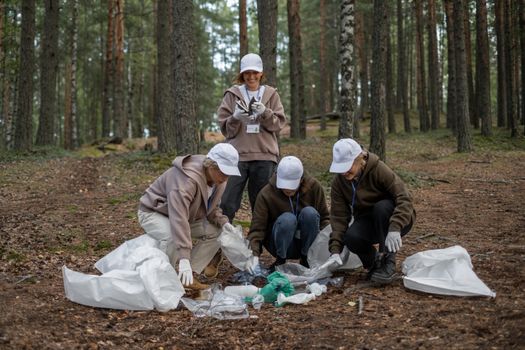
The lungs of our planet are in dire need of care, and reforestation projects offer a tangible way to contribute. I’ve planted saplings in the highlands of Scotland and helped restore degraded mangrove forests in Southeast Asia. The work can be physically demanding – digging, planting, watering – but the sense of accomplishment as you watch a barren landscape slowly transform is unparalleled.
- The Vibe: Hopeful, community-driven, and grounded. You’ll often work alongside local communities, sharing stories and a common goal. The smell of freshly turned earth and the rustle of new leaves are your rewards.
- Pro-Tip: Wear sturdy, waterproof boots! You’ll be in the elements, and good footwear is non-negotiable.
- Quick Facts (Example: Borneo Reforestation Project):
- Estimated Cost: $700 - $1500 per week (includes accommodation, meals, and project supplies)
- Best Time to Visit: Dry season (typically March - October, but varies by region)
- How to Get There: Fly into Kota Kinabalu (BKI), then arrange land and boat transfers to the project site.
3. Wildlife Sanctuary Support (South Africa)
For those with a passion for African wildlife, volunteering at a sanctuary can be incredibly rewarding. These centers often rescue, rehabilitate, and release orphaned or injured animals. My days involved preparing food, cleaning enclosures, assisting with enrichment activities, and learning about the individual stories of the animals. It’s not about petting lions; it’s about dedicated care and contributing to their long-term well-being.
- The Vibe: Compassionate, educational, and deeply moving. You'll witness incredible resilience and the dedication of the people working tirelessly for these animals. The distant trumpeting of an elephant or the playful antics of baboons become your soundtrack.
- Insider Scoop: Research the sanctuary’s ethical practices thoroughly. Ensure they prioritize animal welfare and rehabilitation over tourism interactions. Look for organizations that are transparent about their release programs.
- Quick Facts:
- Estimated Cost: $800 - $1800 per week (includes accommodation, meals, and program fees)
- Best Time to Visit: Year-round, but the dry season (May - October) offers easier game viewing.
- How to Get There: Fly into Johannesburg (JNB) or Cape Town (CPT), then arrange domestic flights or private transfers to the sanctuary location.
4. Marine Conservation & Coral Reef Monitoring (Indonesia/Maldives)
The underwater world is just as vital, and marine conservation projects offer a unique opportunity to explore it while making a difference. I’ve spent weeks diving in the crystal-clear waters of the Coral Triangle, assisting with coral planting, reef surveys, and marine debris removal. The vibrant colors of the coral, the kaleidoscope of fish, and the silent ballet of marine life are a constant source of wonder.
- The Vibe: Serene, vibrant, and vital. The underwater world is a silent, intricate ecosystem that demands our respect and protection. The gentle sway of the currents and the soft crunch of sand underfoot are your sensory cues.
- Pro-Tip: If you're not a certified diver, many projects offer PADI certification courses as part of their program, allowing you to gain valuable skills while contributing.
- Quick Facts:
- Estimated Cost: $1000 - $2500 per week (can be higher for liveaboard options, includes accommodation, meals, and diving/monitoring equipment)
- Best Time to Visit: Varies by location, but generally during the dry season with calmer seas.
- How to Get There: Fly into major international hubs like Denpasar (DPS) in Indonesia or Malé (MLE) in the Maldives, followed by domestic flights or boat transfers to the specific island or dive resort.
5. Primate Rehabilitation and Research (Uganda/Rwanda)
For those fascinated by our closest relatives, primate conservation projects offer an unparalleled experience. Working with organizations focused on chimpanzees or gorillas often involves assisting researchers, maintaining forest trails, and supporting habituation efforts. The intelligence and social complexity of these animals are awe-inspiring.
- The Vibe: Intense, intellectual, and deeply connecting. You'll witness complex social dynamics and the profound impact of human activity on these intelligent beings. The rustling of leaves as a troop moves through the canopy or the soft vocalizations of primates are your constant companions.
- Insider Scoop: Prioritize projects that have strong ethical guidelines and work closely with local communities and governments. Ensure your visit doesn't disrupt the natural behavior of the primates.
- Quick Facts:
- Estimated Cost: $1200 - $2500 per week (includes accommodation, meals, and program fees; permits for gorilla trekking can add significant cost)
- Best Time to Visit: Dry seasons (June-August and December-February) for easier trekking.
- How to Get There: Fly into Entebbe (EBB) in Uganda or Kigali (KGL) in Rwanda, then arrange ground transport to the national parks.
Budgeting and Logistics: Making it Happen
The cost of conservation travel varies significantly based on the project's location, the level of comfort in accommodation, and the intensity of the program. However, it's crucial to remember that your fees often directly contribute to the project's operational costs, research, and local community support.
Quick Facts Table (General Overview):
| Feature | Estimated Cost (USD) | Best Time to Visit (General) | How to Get There (General) |
| :----------------- | :------------------- | :--------------------------- | :-------------------------------------------------------- |
| Sea Turtles | $500 - $1200 / week | May - Oct | Fly to SJO/LIR, then ground transport |
| Reforestation | $700 - $1500 / week | Varies (dry season) | Fly to regional hub, then ground/boat transfer |
| Wildlife Sanctuary | $800 - $1800 / week | May - Oct (dry season) | Fly to JNB/CPT, then domestic flights/transfers |
| Marine Conservation| $1000 - $2500 / week | Varies (dry season/calm seas)| Fly to DPS/MLE, then domestic flights/boat transfers |
| Primate Rehab | $1200 - $2500 / week | June-Aug & Dec-Feb | Fly to EBB/KGL, then ground transport |
Pro-Tip:
Always factor in flight costs, visa fees, and travel insurance. Many organizations offer discounts for longer stays or group bookings.
Authenticity is Key: Beyond the Tourist Trail
What sets these projects apart is their authenticity. You’re not just observing; you’re part of the solution. You’ll learn the local dialect for "more water, please," understand the nuanced calls of different bird species, and develop a deep respect for the local communities who are the frontline stewards of these precious ecosystems. The taste of freshly cooked gallo pinto after a morning of planting, or the intricate patterns of local textiles used by the sanctuary staff – these are the details that weave the fabric of genuine connection.
Making Your Mark: A Final Word of Encouragement
The world needs your energy, your passion, and your willingness to get involved. Short-term conservation projects are a powerful way to experience incredible destinations while contributing to something far greater than yourself. So, pack your bags, open your heart, and prepare for an adventure that will not only change the landscapes you visit but will undoubtedly change you.