The Hook: A Whispered Promise of Green
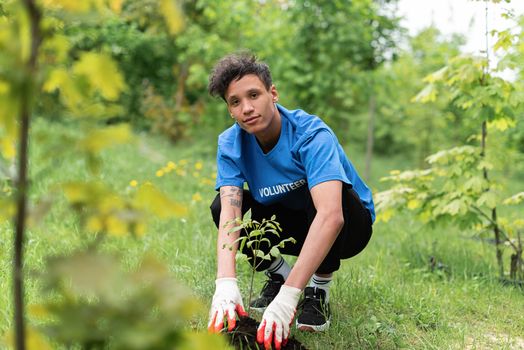
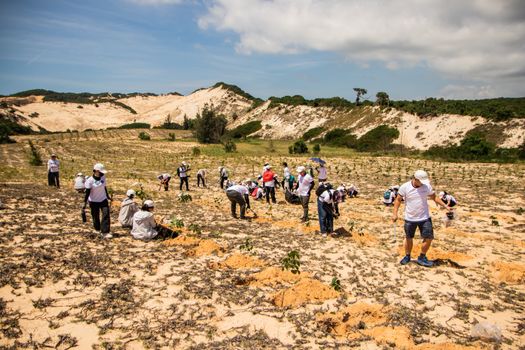
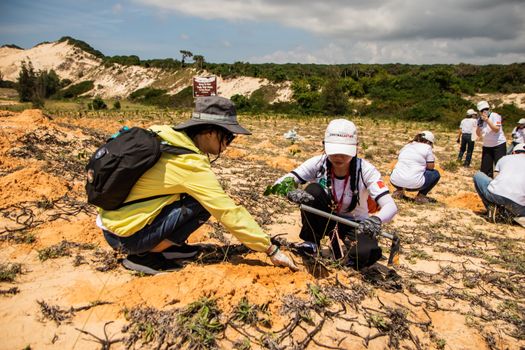
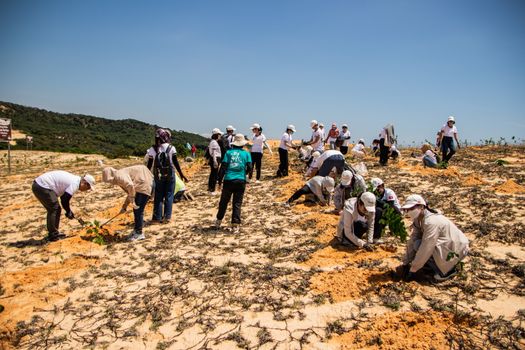
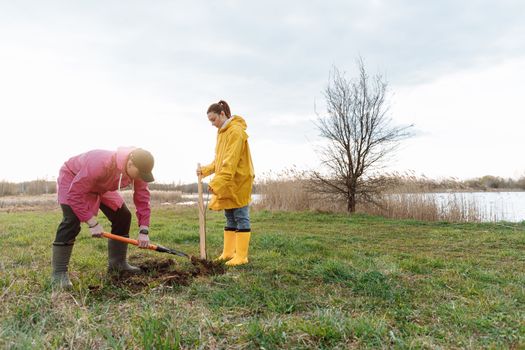
I stepped off the rickety bus, and the air hit me – not with the salty tang of the coast I’d left behind, but with the earthy, damp scent of soil that yearned for life. It was a quiet kind of beauty, a landscape that spoke of past abundance and present potential. The sun, a pale January disc, cast long shadows across the ochre earth, dotted with the skeletal remains of what once was a vibrant forest. A lone bird called out, a hopeful punctuation in the stillness. This wasn't just a destination; it was a mission. And I, armed with a trowel and a fierce desire to contribute, was ready to answer its call.
The Rise of the Regenerative Traveler
For too long, travel has been about consumption – ticking boxes, snapping selfies, and leaving little behind but footprints. But a quiet revolution is brewing. We're moving beyond "sustainable" to "regenerative," seeking experiences that don't just minimize harm but actively contribute to healing our planet. And what better way to embody this shift than by rolling up our sleeves and planting trees in regions desperately in need of their embrace? January 2026 is shaping up to be the perfect time to dive headfirst into this movement.
Why January 2026? The Sweet Spot for Planting
While the world is often thinking about summer holidays, January offers a unique window for impactful tree-planting trips. The cooler temperatures in many deforested regions are ideal for seedling survival. Plus, fewer crowds mean a more intimate experience with the land and the local communities who are stewards of these vital projects. It's a chance to connect on a deeper level, free from the usual tourist hustle.
Where the Earth Breathes Again: Top Destinations
The beauty of tree-planting trips is their inherent adaptability. Projects are springing up globally, each with its own unique charm and challenge. Here are a few regions I’m particularly excited about for January 2026:
1. The Amazon Rainforest Fringe: Reclaiming Vitality
The Experience:
Imagine working alongside indigenous communities, learning ancient forest management techniques, and planting saplings that will one day form a canopy teeming with life. The air here is thick with humidity, alive with the symphony of unseen creatures. You'll be planting native species vital for biodiversity and carbon sequestration, directly combating the devastating effects of deforestation.
Pro-Tip:
Look for projects that partner with local conservation NGOs. They often have the deepest understanding of the ecosystem and the most sustainable planting practices. My personal experience involved learning to identify specific soil types to ensure the best chance of seedling survival – a surprisingly intricate skill!
2. Southeast Asian Highlands: Rebuilding After Logging
The Experience:
Picture terraced hillsides, once stripped bare, now dotted with young trees. The climate in January is often pleasant, with crisp mornings and warm afternoons. You'll be contributing to soil stabilization, preventing erosion, and creating vital habitats for wildlife. The local cuisine, a fragrant blend of spices, is a reward in itself.
Insider's Insight:
Many projects here offer homestay opportunities. This isn't just about accommodation; it’s about immersing yourself in the rhythm of local life, sharing meals, and hearing stories passed down through generations. I still dream about the sticky rice and mango I shared with a family after a long day of planting.
3. African Savanna Edges: Greening the Drylands
The Experience:
This is about resilience. Planting trees on the fringes of savannas helps combat desertification, creates shade, and provides resources for both wildlife and local communities. The vast, open skies and the raw beauty of the landscape are incredibly humbling. January often brings a dry but manageable climate, perfect for focused work.
Pro-Tip:
Choose projects that involve agroforestry – planting trees alongside crops. This provides sustainable livelihoods for communities and ensures the long-term survival of the planted trees. The satisfaction of seeing a young fruit tree take root, knowing it will feed a family, is immense.
4. Costa Rica's Pacific Coast: Restoring Coastal Ecosystems
The Experience:
Think lush greenery, the sound of waves in the distance, and the knowledge that you're helping to restore vital mangrove forests and coastal woodlands. These ecosystems are crucial for protecting coastlines from erosion and storm surges, as well as acting as nurseries for marine life. January offers a dry, sunny season perfect for outdoor work.
Authentic Aroma:
The scent of salt spray mingles with the damp earth, a unique perfume of regeneration. You might even spot howler monkeys in the trees you're helping to grow!
Beyond the Sapling: The Deeper Impact
These trips are more than just a physical act of planting. They are deeply transformative experiences:
- Connecting with the Earth: You’ll develop a profound appreciation for the interconnectedness of ecosystems. The feel of the soil, the rustle of leaves, the sheer effort involved – it all grounds you in a way few other activities can.
- Empowering Local Communities: You're not just planting trees; you're investing in the future of communities who rely on these forests for their livelihoods, clean water, and protection. Your presence and effort provide vital support.
- Becoming an Advocate: Returning home, you’ll carry the stories, the smells, and the sights with you. You'll become a passionate advocate for conservation, armed with firsthand experience.
- Personal Growth: Pushing your physical limits, adapting to new environments, and working towards a common goal fosters resilience, humility, and a powerful sense of accomplishment.
Your Tree-Planting Toolkit: Essential Gear & Mindset
Packing for a tree-planting trip is different from a typical vacation. It's about practicality and preparedness.
What to Pack:
- Sturdy, Closed-Toe Boots: Non-negotiable. Your feet are your foundation.
- Durable Work Clothes: Long pants and long-sleeved shirts are essential for protection from sun, insects, and thorns. Think quick-dry fabrics.
- Sun Protection: Wide-brimmed hat, high SPF sunscreen, sunglasses. The sun can be intense, even in January.
- Reusable Water Bottle & Filter: Staying hydrated is key. Many projects are in remote areas.
- Work Gloves: Your hands will thank you.
- Insect Repellent: Especially important in tropical regions.
- Small Backpack: For carrying water, snacks, and essentials during planting days.
- Personal First-Aid Kit: Band-aids, antiseptic wipes, pain relievers.
- Lightweight Rain Gear: Even in drier seasons, tropical showers can happen.
- Journal & Pen: To capture your thoughts, observations, and the incredible stories you'll hear.
The Right Mindset:
- Flexibility: Things rarely go exactly to plan in remote locations. Embrace the unexpected.
- Humility: You are a guest and a helper. Listen more than you speak.
- Patience: Reforestation is a long-term process. Your contribution is a vital step.
- Teamwork: You'll be working alongside fellow volunteers and local experts. Be a good team player.
Quick Facts: Your January 2026 Tree-Planting Trip Planner
| Category | Details |
| :--------------------- | :------------------------------------------------------------------------------------------------------------------------------------------------------------------------------------------------------------------------------------ |
| Estimated Costs ($) | $800 - $2,500+ (Excludes international flights. Includes accommodation, meals, project fees, local transport. Varies greatly by destination and program length.) |
| Best Time to Visit | January 2026 (Ideal for seedling establishment in many regions; cooler temperatures, fewer crowds.) |
| How to Get There | International Flights to nearest major city, followed by domestic flights/buses/boats. Research specific project locations for precise travel advice. Many organizations provide detailed travel instructions. |
| Typical Duration | 1 week to 1 month (Shorter trips offer a taste; longer stays allow for deeper engagement and greater impact.) |
| Physical Demands | Moderate to High. Involves walking, digging, carrying, and working outdoors in varying weather conditions. A reasonable level of fitness is recommended. |
| Accommodation | Basic to Comfortable. Options include eco-lodges, homestays, volunteer dormitories, or camping. Expect shared facilities. |
| Food | Local Cuisine. Typically hearty, nutritious meals prepared with fresh, local ingredients. Dietary restrictions can often be accommodated with advance notice. |
| Visa Requirements | Varies by nationality and destination. Research thoroughly well in advance. |
| Health Precautions | Consult your doctor. Vaccinations (e.g., Hepatitis A, Typhoid, Tetanus) and malaria precautions may be necessary. Travel insurance is highly recommended. |
Finding Your Perfect Project: A Curator's Guide
The sheer number of organizations offering tree-planting opportunities can be overwhelming. Here’s how to cut through the noise and find a reputable, impactful project:
Key Questions to Ask Potential Organizations:
- What is your long-term vision for this reforestation project? Look for a holistic approach that considers ecological and community needs.
- What species are you planting, and why? Native species are crucial for ecosystem health.
- How do you involve and benefit local communities? True regeneration involves people.
- What is the typical volunteer contribution, and what are the working conditions like? Transparency is key.
- What is your policy on waste and environmental impact? Ensure they practice what they preach.
Reputable Platforms to Explore:
- Workaway / Worldpackers: Platforms connecting travelers with hosts, including many eco-projects and reforestation efforts.
- Global Vision International (GVI): Offers structured volunteer programs with a strong conservation focus.
- Rainforest Alliance: While not always direct volunteer planting, they partner with many organizations and provide excellent resources.
- Local Conservation NGOs: Directly searching for environmental organizations in your desired region often yields the most authentic and impactful opportunities.
The Takeaway: Plant the Seeds of Change
January 2026 is more than just a date on the calendar; it's an invitation. An invitation to step outside your comfort zone, to engage with the planet on a visceral level, and to become an active participant in its healing. Tree-planting trips in deforested regions are not just holidays; they are pilgrimages. They are a chance to leave a lasting legacy, one sapling at a time. So, are you ready to trade the ordinary for the extraordinary? The earth is waiting.