I stepped off the overnight train in Costa Rica, the air thick with the sweet, earthy scent of damp rainforest and the distant, rhythmic chirping of unseen insects. The humidity kissed my skin, a warm embrace that promised adventure. This wasn't just another stamp in my passport; it was the beginning of a journey where every conscious choice I made felt amplified, rewarded, and deeply connected to the vibrant pulse of this incredible nation. Costa Rica, in many ways, was my first true introduction to the concept of countries actively rewarding sustainable travelers. It’s a philosophy that’s gaining serious traction, and frankly, it’s about time.
The Rise of the Rewarding Green Traveler
For too long, sustainable travel has been painted as a sacrifice – a choice between experiencing the world and protecting it. But what if I told you the opposite is true? What if being a responsible traveler actually enhances your journey, unlocking doors to authentic experiences, cost savings, and even tangible perks? Experts are increasingly pointing to nations that are not just talking the talk but walking the walk, integrating sustainability into their tourism models and, in turn, offering unique incentives to those who tread lightly. It’s a win-win-win: for the traveler, for the local communities, and for the planet.
Why Nations are Embracing Sustainable Travel Rewards
The shift is driven by a confluence of factors: growing global awareness of climate change, the economic power of conscious consumers, and the undeniable understanding that preserving natural and cultural heritage is paramount for long-term tourism viability. Countries that once relied on mass tourism are now pivoting, recognizing that a well-managed, sustainable approach attracts a higher-value traveler and fosters greater community buy-in. These nations are actively seeking to differentiate themselves by championing responsible practices and rewarding those who align with their vision.
Destination Spotlight: Where Your Green Footprint Gets You More
Let’s dive into the destinations that are leading the charge, turning your commitment to sustainability into an enriching travel experience.
1. Costa Rica: The Pioneer of Pura Vida Rewards
My Costa Rican odyssey began with that sensory overload, but it quickly evolved into an appreciation for their deep-rooted commitment to conservation. "Pura Vida" isn't just a saying; it's a way of life that permeates their tourism sector.
Eco-Lodges and Certified Stays
Costa Rica has a robust Certification for Sustainable Tourism (CST) program. Staying at CST-certified accommodations often means you’re supporting businesses that actively manage their waste, conserve water and energy, and engage local communities.
Pro-Tip:
Look for the CST star ratings. The higher the stars, the more rigorous their sustainability practices. Many of these lodges offer exclusive guided nature walks or farm-to-table dining experiences included in your stay, a direct reward for choosing them.
Community-Based Tourism Initiatives
Beyond lodges, many rural communities offer homestays and cultural tours that directly benefit local families. These aren't just tours; they're immersive experiences. I spent an afternoon learning to make tortillas with a local family in the Monteverde region, the scent of woodsmoke and corn flour filling the small kitchen. It was far more authentic than any staged cultural show.
Pro-Tip:
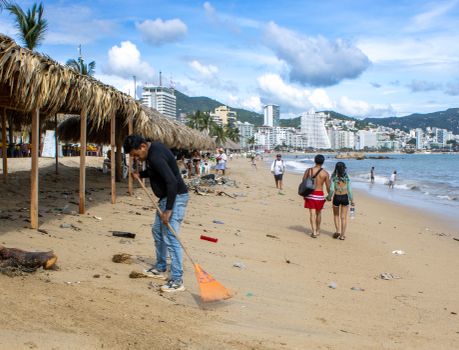
Many tour operators specializing in community-based tourism offer discounts on multi-day packages for travelers who commit to participating in local conservation efforts, like tree planting or beach clean-ups.
Adventure with a Conscience
Zip-lining through the cloud forest in Monteverde, kayaking through mangrove tunnels in Tortuguero – these adventures are often managed by companies with strong eco-credentials. They invest in trail maintenance, wildlife monitoring, and employ local guides.
Pro-Tip:
Ask about their conservation contributions. Many eco-adventure companies donate a portion of their profits to local wildlife sanctuaries or reforestation projects. Some even offer free return visits to those who participate in their volunteer conservation days.
Quick Facts: Costa Rica
| Aspect | Details |
| :---------------- | :------------------------------------------------------------------------- |
| Estimated Costs ($) | $80 - $250+ per day (mid-range accommodation, activities, food) |
| Best Time to Visit | December to April (dry season) for most regions; May to November (green season) for lush landscapes and fewer crowds. |
| How to Get There | Juan Santamaría International Airport (SJO) near San José or Daniel Oduber Quirós International Airport (LIR) in Liberia. |
2. Palau: The Pristine Paradise with a Pledge
Palau is a nation that has taken bold steps to protect its incredible marine biodiversity. They understand that their tourism future is inextricably linked to the health of their ocean.
The Palau Pledge
This is perhaps the most unique reward system. Upon arrival, every visitor must sign the Palau Pledge, stamped directly into their passport. It's a promise to protect Palau’s natural and cultural heritage for the benefit of Palauans and future generations. The reward? You’re contributing to a nation fiercely dedicated to conservation, and you get to experience one of the world's most spectacular underwater ecosystems.
Pro-Tip:
Respecting the pledge can lead to serendipitous encounters. Local dive operators often prioritize those who demonstrate genuine interest in marine conservation, offering insights into protected reefs and marine life.
Marine Protected Areas and Diving
Palau boasts numerous marine protected areas, including the world-renowned Rock Islands Southern Lagoon (a UNESCO World Heritage Site). Dive operators here are typically highly regulated and deeply invested in conservation.
Pro-Tip:
Choose dive operators accredited by Palau’s environmental agencies. They often offer educational briefings on local marine life and conservation challenges, and some provide discounts on subsequent dives for guests who participate in reef monitoring or data collection.
Eco-Tourism Accommodation
While luxury exists, many smaller, locally-owned guesthouses and eco-resorts are emerging, emphasizing low-impact practices.
Pro-Tip:
Staying in these smaller establishments often means direct engagement with owners who are passionate about sharing their culture and conservation efforts. They might offer complimentary traditional meals or guided nature walks as a thank you for your patronage.
Quick Facts: Palau
| Aspect | Details |
| :---------------- | :------------------------------------------------------------------------- |
| Estimated Costs ($) | $150 - $400+ per day (can be higher due to remoteness and dive focus) |
| Best Time to Visit | December to March (drier season, calm seas) |
| How to Get There | Roman Tmetuchl International Airport (ROR) near Koror. Flights often connect through Guam, Manila, or Taipei. |
3. Slovenia: The Green Heart of Europe
Slovenia has made remarkable strides in becoming one of the world's most sustainable countries. From its verdant landscapes to its commitment to local produce, it's a gem for the eco-conscious traveler.
Green Destinations and Slovenia Green Scheme
Slovenia has a national "Slovenia Green" label and scheme, certifying destinations and providers committed to sustainability. This makes it incredibly easy to identify truly eco-friendly options.
Pro-Tip:
When booking accommodation or tours, look for the Slovenia Green logo. Certified establishments often offer discounts on local products or activities as part of their green commitment. For example, a certified hotel might offer a discount at a local organic farm shop.
Julian Alps and Triglav National Park
The Julian Alps, dominated by Triglav National Park, are a haven for hikers and nature lovers. The emphasis here is on preserving the pristine mountain environment.
Pro-Tip:
Opt for guided hikes with local, certified guides who adhere to park regulations. They can often lead you to less-trodden paths and share knowledge about the local flora and fauna, sometimes offering complimentary wildflower identification guides for their clients.
Farm Stays and Local Gastronomy
Slovenia boasts a rich tradition of agritourism. Staying at a "turistična kmetija" (tourist farm) is an incredible way to experience local life, eat fresh, seasonal food, and support rural economies.
Pro-Tip:
Many farm stays offer cooking classes using ingredients from their own gardens. These are often included in longer stays or offered at a reduced rate for guests who book directly. You might even get to take home a jar of homemade preserves!
Quick Facts: Slovenia
| Aspect | Details |
| :---------------- | :------------------------------------------------------------------------- |
| Estimated Costs ($) | $70 - $180 per day (mid-range, more if focusing on alpine resorts) |
| Best Time to Visit | May to September for hiking and outdoor activities; December to March for skiing. |
| How to Get There | Ljubljana Jože Pučnik Airport (LJU). Well-connected by road and rail from neighboring countries. |
4. Norway: Embracing the Fjords Responsibly
Norway’s dramatic landscapes and commitment to renewable energy make it a compelling destination for sustainable travelers, especially those drawn to the magic of the fjords.
Fjord Norway’s Sustainable Initiatives
Many coastal towns and fjord cruises are actively working towards becoming more sustainable. This includes promoting electric ferry services and supporting local, low-impact tourism operators.
Pro-Tip:
Choose electric or hybrid fjord cruises. Some companies offer discounts on future bookings for passengers who opt for these greener alternatives. You might also find that these tours include complimentary hot beverages made with local ingredients.
Hiking and Outdoor Adventures
Norway is a hiker's paradise. The "allemannsretten" (right to roam) encourages responsible access to nature. Many national parks have strict guidelines to protect fragile ecosystems.
Pro-Tip:
When booking guided hikes, look for companies that emphasize Leave No Trace principles and employ local guides. Some may offer discounts on gear rental or provide free maps of lesser-known trails for guests who demonstrate a commitment to responsible hiking.
Sustainable Accommodation
From eco-certified hotels to charming cabins powered by hydropower, Norway offers a range of sustainable lodging options.
Pro-Tip:
Many eco-lodges in Norway offer complimentary activities like guided foraging tours or stargazing sessions, especially during the shoulder seasons, as a way to reward guests for choosing environmentally conscious stays.
Quick Facts: Norway
| Aspect | Details |
| :---------------- | :------------------------------------------------------------------------- |
| Estimated Costs ($) | $120 - $300+ per day (can be high, especially in tourist hotspots) |
| Best Time to Visit | June to August for long daylight hours and mild weather; May and September for fewer crowds and beautiful autumn colors. |
| How to Get There | Oslo Airport (OSL) is the main international hub. Bergen Airport (BGO) and other regional airports serve key tourist areas. |
5. Bhutan: The Kingdom of Gross National Happiness
Bhutan has a unique approach to tourism, prioritizing sustainability and cultural preservation over mass visitor numbers. Their "high-value, low-impact" policy is a form of reward in itself.
The Daily Sustainable Development Fee (SDF)
While it might seem like a cost, Bhutan's SDF is a direct investment in the country's sustainable development, including free healthcare, education, and infrastructure for its citizens. By paying it, you are directly contributing to a nation that values well-being and environmental protection.
Pro-Tip:
The SDF often includes a portion that goes towards community development projects. Travelers who engage with these projects, perhaps through a visit to a local school or a handicraft cooperative, find their experience deeply enriched.
Authentic Cultural Immersion
Bhutanese tourism is heavily guided, ensuring that interactions are respectful and beneficial to local communities. You'll find yourself engaging with local artisans, monks, and farmers.
Pro-Tip:
Many tour operators in Bhutan include opportunities for guests to participate in traditional Bhutanese activities, such as archery demonstrations or cooking classes, often at no extra cost, as part of their commitment to cultural exchange.
Environmental Conservation
Bhutan is carbon-negative, meaning it absorbs more carbon dioxide than it emits. This commitment is reflected in its tourism policies, which encourage eco-friendly practices.
Pro-Tip:
Opt for tours that include visits to organic farms or nature reserves. Some operators may offer complimentary trekking poles or provide locally sourced snacks as a gesture of goodwill for travelers who embrace the nation’s environmental ethos.
Quick Facts: Bhutan
| Aspect | Details |
| :---------------- | :------------------------------------------------------------------------- |
| Estimated Costs ($) | $200 - $350+ per day (includes SDF, accommodation, guide, meals) |
| Best Time to Visit | March to May (spring) and September to November (autumn) for pleasant weather. |
| How to Get There | Paro International Airport (PBH). Flights are limited and typically connect through Bangkok, Delhi, Kathmandu, or Singapore. |
Beyond the Destinations: How to Maximize Your Rewards
It's not just about where you go, but how you travel. Here’s how to ensure your sustainable choices unlock the best experiences:
- Research and Book Certified Providers: Look for certifications like Green Globe, Travelife, or country-specific eco-labels. These providers are often more transparent and more likely to offer perks.
- Embrace Local Transportation: Public transport, cycling, and walking not only reduce your carbon footprint but also offer authentic ways to see a destination. Many places offer discounts on local transport passes for eco-conscious tourists.
- Support Local Businesses: Eat at local restaurants, buy souvenirs directly from artisans, and choose locally-owned accommodations. This keeps money within the community and often leads to warmer, more personal interactions.
- Engage in Community-Based Tourism: These initiatives are designed for mutual benefit. Your participation directly supports local livelihoods and often comes with unique cultural exchanges that are far more rewarding than any mass-produced trinket.
- Be an Advocate: Share your experiences! Social media is a powerful tool. Tag sustainable businesses and destinations, and encourage others to travel responsibly. Many places offer small discounts or loyalty points for positive online mentions.
The Future is Green, and It's Rewarding
The trend is clear: countries are increasingly recognizing the immense value of sustainable travelers. They understand that you're not just looking for a vacation; you're seeking connection, authenticity, and a positive impact. By choosing to travel responsibly, you're not only contributing to the preservation of our planet and its cultures, but you're also unlocking a richer, more rewarding travel experience. So, pack your reusable water bottle, your sense of adventure, and get ready to be rewarded. The world is waiting, and it’s more welcoming than ever to those who travel with purpose.