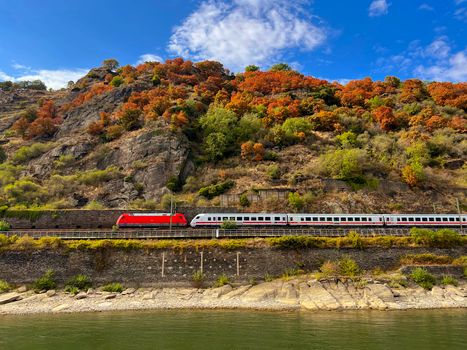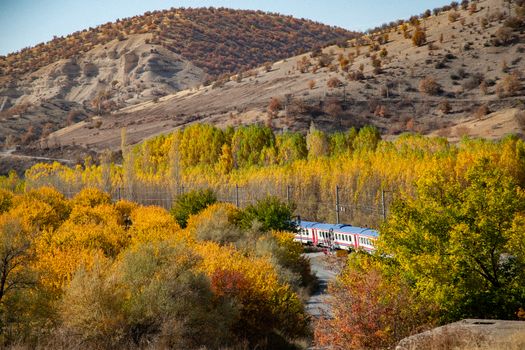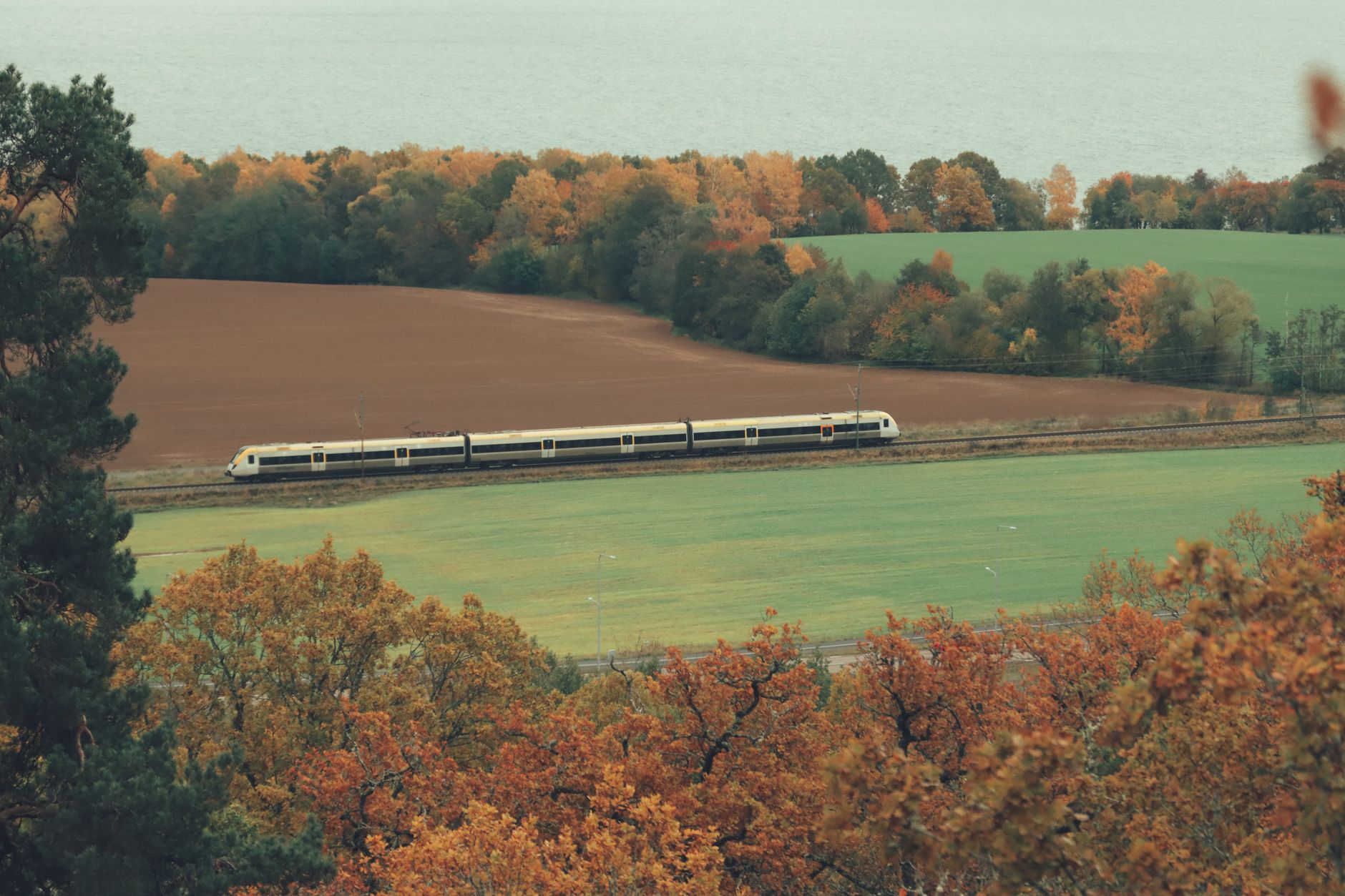
Few travel experiences combine comfort and scenery as effectively as a scenic train. Some of the world's most memorable rail routes climb mountain valleys, cross high viaducts and pass through desert or highland landscapes that are hard to see from a road. Many of these lines were built for practical reasons, such as moving freight or connecting remote communities, and their tourist appeal grew from that engineering. This guide describes the kinds of routes travelers often choose, what to check before booking, and how to make the most of a long day on the rails.
Alpine routes through mountain passes
The Alps host several well-known panoramic services. The Bernina Express links Switzerland and Italy, crossing high mountain terrain and passing viaducts and small villages on the way. The Glacier Express runs between Zermatt and St. Moritz, and is often promoted as one of the slower and more scenic journeys in the region. Both are typically busiest in summer and during the ski season, so reserving seats in advance is sensible. Check whether your fare includes a seat reservation, since on some services this is required on top of a standard ticket.
Highland and Himalayan lines
The Darjeeling Himalayan Railway is a narrow-gauge line that winds up through tea gardens and forested slopes toward the hill town of Darjeeling. Its engineering is historically significant, and its gradients and curves make the journey slow by design. The Nilgiri Mountain Railway in southern India offers a similar experience in the Western Ghats. Timetables, safety rules and visitor arrangements can change, so confirm current services with official railway information before planning connections.
Desert and long-distance routes
Desert scenery is often seen best from a train window, where the landscape changes gradually across a day or more. Long-distance services such as the Trans-Siberian route cross enormous distances and pass through varied terrain, including forests, steppe and mountain regions. Journeys like these are usually planned as part of a larger itinerary, with stops in cities along the way. Carefully consider how many hours per day you are comfortable spending on a train, and check whether sleeper cabins, food service and bathroom facilities meet your needs.
Choosing seats and comfort features
Seat choice can make a significant difference. On panoramic services, seats facing the direction of travel with a large window are often preferred, and some trains have raised observation carriages. Check whether your class of travel includes a reserved seat and whether windows open or are fixed. For overnight services, cabin size, bedding and the availability of showers can vary widely. Bringing a light jacket, snacks, water and a book is useful, since catering may be limited on some routes.
Seasonal and weather considerations
Mountain routes can be affected by snow, landslides or maintenance work, and services may be adjusted or cancelled in poor conditions. Summer brings clearer views but larger crowds, while shoulder seasons may offer quieter carriages and lower fares. Desert routes can be extremely hot in summer, so air conditioning and water supply are worth checking. Official railway operators typically publish service alerts, and it is sensible to build a buffer into any tight connection.
Practical tips
- Reserve seats early on popular panoramic services, and confirm whether a supplement applies.
- Check the full timetable, including connections and whether a route runs daily or only on certain days.
- Sit on the side of the train that faces the best views, and ask staff about the route before boarding.
- Pack for changing temperatures, especially on high mountain lines.
- Keep your ticket and reservation details available, as checks can be frequent on some services.
Common mistakes to avoid
Many travelers book the most famous route and overlook the timetable, only to find that the service runs on certain days only or that the best train departs at an inconvenient hour. Another mistake is assuming a window seat is automatic, when on some services the view side is limited or already reserved by others. Travelers also underestimate how long a day on the train can feel, and arrive without snacks or a layer for air-conditioned carriages or high-altitude cold. Finally, some people build a tight connection after a long scenic leg, which leaves little room for a delay on a line where weather or maintenance can change conditions quickly.
Who this suits and who it does not
Scenic rail journeys tend to suit travelers who enjoy the act of travelling itself, such as reading, watching landscapes and meeting people in shared carriages. They can be a good match for couples, solo travelers and older visitors who prefer less walking between sights. They may be less suitable for people who become restless on long rides, have motion sensitivity, or need precise timings for a crowded itinerary. Families with young children can enjoy shorter panoramic sections, though longer overnight services may demand more planning around meals, sleep and bathroom access.
A checklist before you board
- Confirm the timetable for your travel dates, including any days when the service does not run.
- Check whether your fare includes a seat reservation or whether a supplement applies.
- Decide which side of the train has the best views for the section you are most looking forward to.
- Pack snacks, water, a light jacket and a book or offline reading material.
- Leave a buffer before and after any connection that depends on the train.
Scenic train travel rewards patience and planning. The most satisfying journeys are usually those where the route, seat type and timing have been checked against the actual scenery you want to see. Whether you choose an Alpine panorama, a Himalayan climb or a long desert crossing, treating the train as the centre of the trip rather than a means of transport tends to produce the most memorable experience.