The air was thick with the scent of damp earth and exotic blossoms, a symphony of unseen creatures chirping and buzzing around me. I was deep in a remote corner of Costa Rica, miles from the nearest paved road, tucked away in a sustainably built cabin that felt more like a five-star treehouse than any "eco-lodge" I’d ever imagined. My morning coffee, locally sourced and brewed to perfection, was accompanied by a family of howler monkeys swinging through the canopy just meters from my open-air deck. This wasn't roughing it; this was pure, unadulterated luxury, woven seamlessly into the fabric of the rainforest.
I remember thinking, "If this is 'eco,' sign me up for life." And then, a whisper from my local guide, a man whose family had lived in these mountains for generations: "Please, don't tell too many people about this place. It's special."
That’s the secret, isn’t it? The best eco-lodges aren't just about reducing your carbon footprint; they're about enhancing your experience by connecting you deeply with nature and local culture, often in places so pristine and authentic, the communities fiercely protect their solitude. These aren't your typical resorts with a "green" label; these are sanctuaries designed to blend in, support local economies, and offer an unparalleled kind of comfort that the mainstream tourist industry rarely delivers. And yes, they're the places locals really don't want you to know about – but I'm going to give you a peek behind the curtain, and show you how to find your own slice of sustainable paradise.
The Allure of the Undiscovered: Why These Eco-Lodges Are Gold
In a world increasingly saturated with mass tourism, the desire for authentic, meaningful travel has never been stronger. We crave experiences that nourish our souls, challenge our perspectives, and leave a positive impact. This is precisely where the "secret" eco-lodges shine. They're not just accommodations; they're gateways to understanding a different way of life, to experiencing nature without disturbing it, and to contributing directly to the well-being of the communities you visit.
What makes them so coveted?
* Deep Local Integration: Many are owned, operated, or heavily supported by local communities, ensuring your tourism dollars stay where they're needed most. This translates to authentic cultural interactions, traditional meals, and unique insights you won't find in a guidebook.
* Unparalleled Privacy & Serenity: Often located in remote, pristine environments, these lodges offer a level of peace and quiet that's increasingly rare. Imagine waking up to birdsong, not traffic, or stargazing without light pollution.
* Mindful Design & Sustainability: From solar power and rainwater harvesting to locally sourced materials and zero-waste policies, these lodges are built with an unwavering commitment to the environment. This isn't just a marketing ploy; it's their ethos.
* Exclusive Experiences: Think private guided treks, cooking classes with local chefs, traditional craft workshops, or wildlife viewing opportunities that feel truly intimate and personal.
This isn't just about ticking a box for sustainability; it's about a richer, more profound travel experience that inherently respects the planet and its people.
Decoding "Comfort": Luxury Redefined in the Wild
Let's bust a common myth: "eco-lodge" does not mean roughing it. In fact, many of these hidden gems offer a level of sophisticated comfort and thoughtful luxury that surpasses many mainstream hotels. The difference? It’s a luxury that respects its surroundings, not exploits them.
Imagine:
* Architectural Marvels: Structures built with local, sustainable materials, often blending seamlessly into the landscape. Think bamboo villas, adobe casitas, or treehouses crafted by local artisans. The comfort comes from intelligent design that optimizes natural light, ventilation, and views.
* Farm-to-Table Gastronomy: Meals prepared with ingredients sourced from the lodge's own organic gardens or local farms, often cooked using traditional methods. This isn't just food; it's a culinary journey that tells a story of the land and its people. My most memorable meal in a Peruvian Amazon eco-lodge was a fresh-caught piranha, grilled over an open fire, served with locally grown yuca and plantains – an experience far more luxurious than any Michelin-starred restaurant could offer.
* Thoughtful Amenities: Forget plastic-wrapped mini-soaps. Here, you'll find handmade, natural toiletries, plush organic cotton linens, and sometimes, even private plunge pools fed by natural springs. The comfort is in the quality, the ethics, and the unique connection to the environment.
* Personalized Service: Because these lodges are often smaller and community-focused, the staff-to-guest ratio is excellent. You're not just a room number; you're a welcomed guest, often interacting directly with the owners or local families.
Comfort here isn't about air-conditioned sterility or opulent excess; it's about the deep satisfaction of knowing your stay is harmonious, enriching, and utterly unique.
My Top (Not-So-Secret) Discoveries & How to Find Yours
While I can't give away the exact GPS coordinates of every local-guarded secret (that would defeat the purpose!), I can give you a taste of the types of experiences these lodges offer and guide you on how to uncover your own. Think of these as archetypes, places I’ve had the privilege to visit or extensively research, offering the perfect blend of sustainability and comfort.
1. The Amazonian River Retreat (Peru/Ecuador)
* The Vibe: Imagine waking to the cacophony of the jungle, stepping onto your private balcony overlooking a winding river, and spotting macaws flying overhead. These lodges are often simple yet elegantly designed, built on stilts from local wood, with open-air common areas that invite the jungle in.
* Comfort Factor: Hot showers (sometimes solar-heated, so time your showers!), comfortable beds with mosquito nets, and gourmet meals prepared with fresh, local ingredients. Excursions include guided jungle treks, canoe trips to spot caiman, and visits to indigenous communities.
* Why Locals Love It (and want to keep it quiet): These lodges often employ locals exclusively, provide education and healthcare initiatives, and actively work on conservation projects. They offer a sustainable alternative to resource extraction.
* Price Range: Mid-range to high-end, often $300-$800+ per person per night, usually all-inclusive (meals, guides, activities).
* How to Find Similar: Look for lodges that explicitly state community ownership or partnership, strong conservation programs, and small group sizes. Research areas like the Tambopata National Reserve in Peru or Yasuni National Park in Ecuador.
2. The Balinese Artisan Village Stay (Away from Ubud's Crowds)
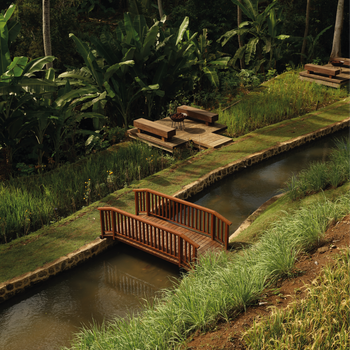
* The Vibe: Beyond the bustling tourist hubs, imagine a serene escape nestled amidst rice paddies or by a quiet river. These lodges often feature traditional Balinese architecture, intricate wood carvings, and lush gardens, offering a deep dive into local culture.
* Comfort Factor: Beautifully appointed rooms with outdoor bathrooms, private pools, and stunning views. Expect daily yoga, traditional cooking classes, and opportunities to learn local crafts like batik or wood carving.
* Why Locals Love It (and want to keep it quiet): These places are often family-run or support local artists directly, keeping traditional skills alive and providing income outside of mass tourism. They preserve the spiritual and cultural integrity of Bali.
* Price Range: Mid-range to high-end, $200-$600+ per night.
* How to Find Similar: Seek out areas like Munduk, Sidemen, or Pemuteran. Look for lodges that emphasize cultural immersion, traditional arts, and direct community benefit. Read reviews carefully for mentions of local staff and authentic experiences.
3. The Moroccan Atlas Mountain Kasbah (Community-Based Trekking)
* The Vibe: High in the Atlas Mountains, stay in a beautifully restored traditional kasbah or guesthouse. Think thick stone walls, Berber carpets, and panoramic views of snow-capped peaks and terraced valleys. The air is crisp, and the silence is profound.
* Comfort Factor: Cozy rooms with traditional decor, delicious tagines cooked in clay pots, and warm Moroccan hospitality. The real luxury is the immersive experience: multi-day treks with local guides, tea ceremonies with Berber families, and learning about ancient traditions.
* Why Locals Love It (and want to keep it quiet): These lodges are often the lifeblood of remote mountain villages, providing employment for guides, porters, cooks, and guesthouse owners. They help prevent rural depopulation and preserve Berber culture.
* Price Range: Budget to mid-range for basic guesthouses ($50-$150/night), mid-range to high-end for more luxurious kasbahs ($150-$400+). Trekking packages are often all-inclusive.
* How to Find Similar: Focus on regions like the Toubkal National Park area. Search for "community-based tourism Morocco" or "Berber guesthouses Atlas Mountains." Many are only bookable through local trekking agencies.
4. The Patagonian Wilderness Eco-Dome (Chile/Argentina)
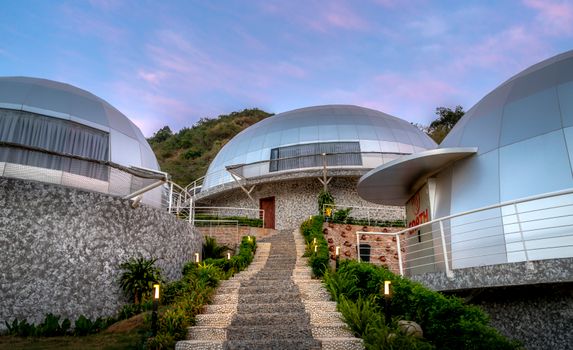
* The Vibe: Imagine staying in a geodesic dome with a transparent roof, allowing you to stargaze from your bed, surrounded by the dramatic landscapes of Patagonia. These lodges are designed for minimal impact, often using renewable energy and offering unparalleled access to hiking trails and glaciers.
* Comfort Factor: Heated domes, incredibly comfortable beds, private bathrooms, and gourmet meals often paired with Chilean or Argentinian wines. The comfort is in the unique architecture and the feeling of being completely immersed in one of the world's most spectacular wildernesses.
* Why Locals Love It (and want to keep it quiet): These lodges promote responsible tourism in fragile ecosystems, educate visitors about conservation, and often support local guides and suppliers. They help protect pristine wilderness from overdevelopment.
* Price Range: High-end, often $500-$1000+ per person per night, usually all-inclusive (meals, guides, park fees).
* How to Find Similar: Look for lodges near national parks like Torres del Paine (Chile) or Los Glaciares (Argentina) that emphasize sustainable design, renewable energy, and guided wilderness experiences.
The Unwritten Rules: How to Be a Welcome Guest
Finding these hidden gems is only half the battle. To truly be a welcome guest, and to ensure these places remain special, it's crucial to practice responsible tourism.
- Support Local, Truly Local: Prioritize lodges that are locally owned and operated. Buy crafts directly from artisans, eat at small local eateries, and hire local guides. Your money has a much greater impact.
- Leave No Trace: This goes beyond packing out your trash. Minimize water and energy use, stick to marked trails, and never disturb wildlife or natural habitats.
- Learn & Respect: Learn a few basic phrases in the local language. Be open to cultural differences, dress appropriately, and ask permission before taking photos of people. A little effort goes a long way.
- Be Mindful of Your Footprint: Choose direct flights if possible, pack light, and consider offsetting your carbon emissions.
- Engage, Don't Just Observe: Talk to the locals, ask questions, participate in activities. These interactions are often the most rewarding part of the journey.
Beyond the Brochure: What to Expect & What to Ask
Before you book that dream eco-lodge, do your homework. Not all "eco" labels are created equal.
- Look for Certifications (But Don't Rely Solely on Them): Certifications like Green Globe, LEED, or specific national eco-labels can be a good starting point. However, some of the most authentic, community-run lodges might not have the resources for formal certification, relying instead on word-of-mouth and genuine practices.
- Ask Specific Questions: Don't be afraid to inquire about their waste management, water conservation, energy sources, local employment policies, and community engagement projects. A truly sustainable lodge will be transparent and proud to share this information.
- Read Reviews (Critically): Look for mentions of authentic local experiences, friendly staff, and commitment to the environment. Be wary of reviews that focus solely on "luxury" without mentioning any sustainable practices.
- Manage Expectations: While comfort is key, remember you're in a natural environment. Expect insects, occasional power outages (especially in remote, solar-powered lodges), and a slower pace of life. Embrace it!
- Book Direct (If Possible): Many smaller, locally run eco-lodges prefer direct bookings as it avoids commissions and allows them to build a direct relationship with guests. This also gives you a better chance to ask all your questions.
The True Cost of Sustainable Luxury
Let's be honest: these experiences often aren't cheap. You might pay a premium compared to a standard hotel. But consider what that cost covers:
* Ethical Wages & Fair Trade: Ensuring staff are paid fairly and local suppliers receive equitable prices.
* Conservation Efforts: Your money directly supports wildlife protection, reforestation, and habitat preservation.
* Community Development: Funding for schools, healthcare, or infrastructure projects in local villages.
* Unique, Immersive Experiences: Access to expert local guides, cultural insights, and pristine environments that are priceless.
* Peace of Mind: Knowing your travel dollars are doing good, not harm.
Think of it as an investment – not just in an incredible vacation, but in the future of our planet and its diverse cultures.
Unlocking Your Own Hidden Paradise
The world is full of these incredible, comfortable eco-lodges that are quietly doing amazing work, offering profound experiences, and enriching both travelers and communities. They’re not always splashed across glossy magazines, and that's precisely their charm. The "secret" isn't just about where they are, but how you find them and how you engage with them.
My journey to that Costa Rican treehouse taught me that true luxury isn't about excess; it's about connection, authenticity, and impact. It’s about leaving a place better than you found it, while simultaneously feeling more refreshed and inspired than ever before.
So, are you ready to embark on your own quest for a sustainable, comfortable, and truly unforgettable escape? Start researching, start asking questions, and prepare to discover a kind of travel that will change you forever. And when you find your own hidden gem, maybe, just maybe, you'll feel that quiet urge to keep its magic a secret too.
Share your own eco-lodge discoveries in the comments below! What does "sustainable comfort" mean to you? Let's inspire each other to travel better.
---