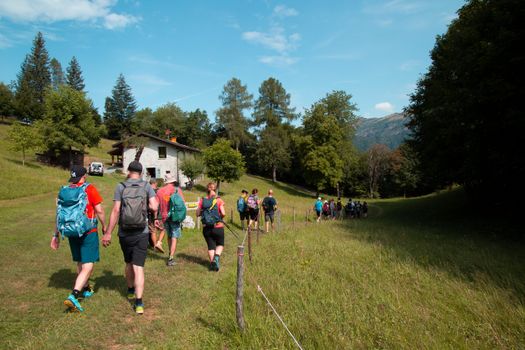
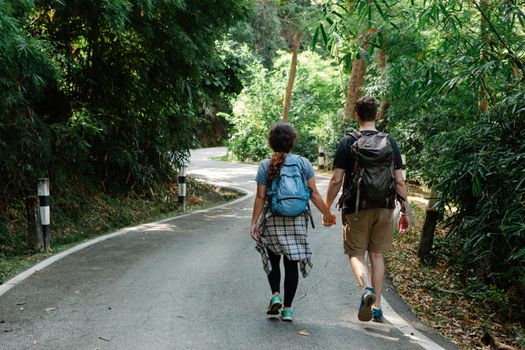
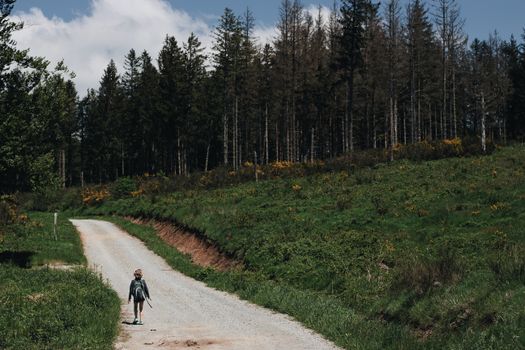
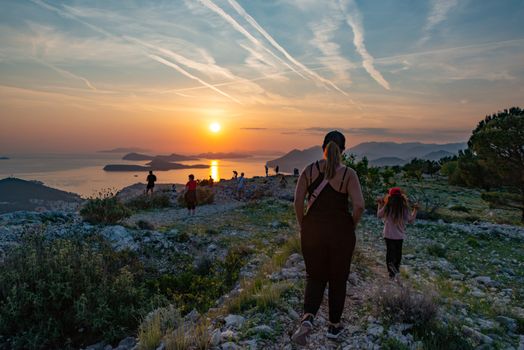
A walking holiday lets you see a landscape at the speed it deserves. Instead of moving between sights by car or coach, you travel on foot, noticing changes in terrain, villages, farmland and wildlife as you go. Many of the world's best-known walking routes pass through countryside that has been shaped over centuries by farming, trade and pilgrimage. Some trails run for hundreds of kilometers, while others are shorter circuits that can be completed in a few days. The appeal is strong, but a successful walking holiday depends on realistic planning, suitable fitness and attention to conditions on the ground.
This guide explains how to think through a walking holiday on a well-known trail. It does not recommend a single route, because each has its own character and its own seasonal and access arrangements.
Choosing the Right Route
Walking routes differ in length, terrain, waymarking and the level of support available along the way. Some well-known paths, such as the Camino de Santiago in Spain, have extensive networks of albergues and services. Others, including the West Highland Way in Scotland and the Cotswold Way in England, are more demanding in places and rely on a mix of villages, hotels and guesthouses. Long-distance routes that cross mountains, such as the Tour du Mont Blanc, involve high passes and changeable weather. Pilgrimage and heritage routes, such as the Via Francigena, can be walked in sections over several seasons.
Start by considering how much time you have, your fitness, and the kind of landscape you enjoy most. A shorter stretch that you can complete comfortably may be more rewarding than a long trail that leaves little room for rest or detours.
Planning Stages and Pacing
Most walkers divide a route into daily stages, and the length of each stage is one of the most important decisions. A comfortable pace for many people is somewhere around a few hours of walking per day, with breaks, though this depends on terrain, elevation and personal ability. Steep or rocky sections take longer than flat paths, and a day with significant ascent can be more demanding than a longer walk on level ground.
Build in rest days or shorter stages where possible, particularly on longer routes. Feet and joints need time to recover, and weather can change plans. Check the distance and elevation profile for each stage before booking accommodation, and allow time for unexpected delays such as detours or closures.
Accommodation, Bookings and Luggage
Accommodation on popular trails can fill quickly in peak months, so book ahead where possible, especially in small villages with limited beds. Options range from hostels and guesthouses to hotels, farm stays and mountain refuges. Some routes have dedicated booking services or lists of recommended places to stay. Confirm whether meals are included, whether there is laundry access and whether the accommodation is open for your dates, since some close for the winter.
Many routes now have luggage transfer services, where a company moves your bag between accommodation while you walk with a light daypack. Availability varies, and the service may need to be booked in advance. Carrying only what you need is generally more comfortable, but check whether transfers apply to all stages and whether there are weight or size limits.
Navigation, Maps and Safety
Waymarking on popular trails is often good, with arrows, painted symbols or signs at junctions. Even so, paths can be unclear in fog, after storms or where routes have been diverted. Carry a map or offline navigation tool, and download the route before you start in case there is no signal. Learn how to read a map and compass if you are walking in remote or mountainous areas.
Safety planning matters. Tell someone your route and expected arrival times, know the emergency number for the country and keep a basic first aid kit. In mountain areas, check forecasts before each stage and be prepared to turn back or take a lower alternative if weather deteriorates. Some routes have official alternative paths for poor conditions, and these are often clearly marked.
Seasonal Conditions and Footwear
Season shapes the experience considerably. Spring and autumn are often popular because temperatures are moderate and walking is comfortable, though days are shorter in autumn and snow may affect high routes early or late in the year. Summer brings long daylight hours and heat, as well as more walkers on busy sections. Winter walking requires specialized equipment and experience on many routes, and some services may be closed.
Footwear is one of the most important choices. Walk in your boots or shoes before the trip to avoid blisters, and bring spare socks and suitable dressing for blister care. Waterproof layers, a warm mid-layer, sun protection and a hat or cap are useful in most seasons. Carry enough water and snacks, particularly on remote sections where services may be scarce.
Walking Responsibly
Walking routes pass through villages, farmland and protected habitats, so responsible behavior is important. Stay on the path, close gates, keep dogs under control and carry out all litter. Respect private property and farm operations, and avoid disturbing livestock. Buy food and services locally where possible, and be considerate of residents, especially in quiet villages in the evening. Practicing leave-no-trace principles helps keep routes pleasant for future walkers.
Practical Tips
Check current route information from official trail associations or regional tourism bodies before setting out, since closures and diversions can change. Keep your daily plan flexible, and allow time for photographs, lunch stops and conversations along the way. Carry a small first aid kit, a whistle and a charged phone with an offline map. Start early in the day to make the most of cooler temperatures and to reach accommodation before evening. Finally, consider a guided or small-group walk if you prefer support with logistics or navigation.
A walking holiday through a well-known landscape can be one of the most satisfying ways to travel. Careful planning of stages, bookings, footwear and safety helps turn a challenging trail into a rewarding journey that you can enjoy at a steady and comfortable pace.