Beyond the Postcard: My Quest for Healing & the Mind-Blowing Wisdom of Traditional Healers
I remember it like it was yesterday: another Monday, another mountain of emails, and a gnawing sense that something was missing. My travel blog, Tripsora, was thriving, my passport was full, but I felt empty. I was chasing sunsets and cityscapes, yet the inner landscape felt barren. I’d seen the wonders of the world, but hadn't truly connected with its ancient heart.
That’s when a whisper started, a quiet curiosity about places where healing wasn't just a pill, but a ceremony, a song, a communion with nature. What if my next adventure wasn't just about seeing, but about feeling? What if I could journey not just to new lands, but to new depths within myself?
This quest led me down paths less traveled, to the homes and sacred spaces of traditional healers who, with open hearts and profound wisdom, welcome visitors seeking something more. These aren't just practitioners; they are custodians of ancient knowledge, offering experiences that transcend tourism and touch the very core of your being. And trust me, they will absolutely blow your mind.
But let's be clear: this isn't about replacing modern medicine. It's about complementing it, opening yourself to different perspectives on wellness, and experiencing cultures in a way most travelers only dream of. It’s about respect, humility, and a willingness to step outside your comfort zone. Are you ready?
What Exactly Are We Talking About? Demystifying Traditional Healing Travel
Before we dive into specific destinations and experiences, let's set the stage. When I talk about traditional healers, I'm referring to individuals who practice ancient, indigenous, or culturally specific forms of medicine and spiritual guidance. These practices often predate Western scientific medicine and are deeply intertwined with the spiritual, communal, and natural worlds of their cultures.
Think curanderos in Latin America, Balian Taksu in Bali, Ayurvedic doctors in India, or sangomas in Southern Africa. Their methods might involve herbal remedies, energy work, ritual ceremonies, divination, massage, or spiritual cleansing. The common thread? A holistic approach that views health as a balance of body, mind, and spirit, and often, a connection to ancestral wisdom and the natural environment.
Traveling to meet these healers is not a spa day (though it can be incredibly relaxing!). It's an opportunity for profound cultural immersion, personal growth, and often, a deeper understanding of yourself and the world. It requires an open mind, a respectful attitude, and a willingness to engage authentically. It's about learning, listening, and allowing yourself to be guided by traditions that have endured for centuries.
Bali's Balinese Healers: A Journey of the Soul in the Island of Gods
My first truly mind-blowing encounter was in Bali, Indonesia – a place often called the "Island of Gods." Beyond the surf breaks and vibrant nightlife, Bali pulses with a spiritual energy that is palpable. Here, traditional healers, known as Balian, play a vital role in community life, offering guidance, healing, and spiritual cleansing.
My journey led me to Ubud, the island's spiritual heartland. I’d heard stories of Balian Taksu – healers who channel divine energy – and was intrigued. Through a local contact (always the best way to find authentic experiences!), I arranged to meet Pak Made, a gentle man with kind eyes and a powerful presence, who practiced in a simple, open-air pavilion behind his family compound.
My Experience with Pak Made:
I arrived feeling a mix of excitement and apprehension. Pak Made welcomed me with a warm smile and a traditional Balinese offering. He didn't ask many questions; instead, he began by observing me, then gently touching my pulse points, hands, and forehead. It felt less like a medical examination and more like an energetic reading. He spoke softly, through a translator, about stresses he sensed in my energy field, and surprisingly accurate insights into my emotional state that I hadn’t shared with anyone.
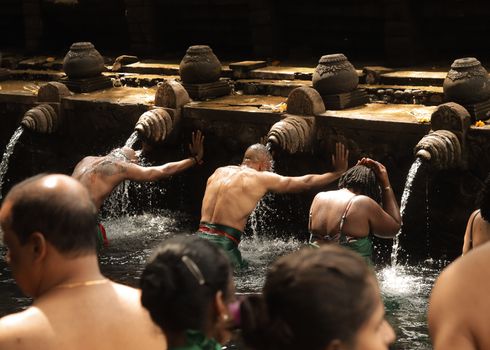
He then performed a melukat – a traditional Balinese cleansing ritual – using holy water, flowers, and prayers. Sitting cross-legged, I felt the cool water poured over my head, washing away what felt like layers of accumulated stress. The air was thick with the scent of incense, the sound of his chanting was hypnotic, and for a moment, I felt a deep sense of peace I hadn't experienced in years. It wasn't a miracle cure, but a profound energetic reset. I left feeling lighter, clearer, and truly, deeply, present.
Practical Tips for Bali:
* Where to go: Ubud is the epicenter for Balinese healers, but you can find them across the island.
* How to find a reputable healer: This is crucial. Avoid tourist traps. Ask local guides, trusted guesthouses, or expat communities for recommendations. Often, healers don't advertise.
* What to expect: Consultations can be physical (massage, herbal remedies), emotional, or spiritual. Be prepared to sit on the floor, remove shoes, and dress modestly.
* Cost: Varies greatly. A typical consultation might range from IDR 300,000 to IDR 700,000 (approx. $20-$50 USD), often with a donation as part of the tradition. Always offer a small gift or "canang sari" (offering) as a sign of respect.
* Instagram-worthy moment: The vibrant offerings, the serene settings amidst rice paddies, the intricate rituals. Capture the beauty respectfully.
Peruvian Curanderos & Ancient Wisdom: High in the Andes
My next stop was the mystical Sacred Valley of Peru, nestled high in the Andes. This land, once the heart of the Inca Empire, is steeped in ancient traditions and a profound connection to Pachamama (Mother Earth). Here, curanderos – traditional healers and shamans – continue practices passed down through generations, often involving plant medicine, energy work, and ceremonies that honor the natural world.
I was drawn to the legend of the coca leaf, revered by the Andean people for its spiritual and medicinal properties (not to be confused with cocaine, the coca leaf is a mild stimulant and a sacred plant). I sought out Doña Elena, a wise curandera known for her coca leaf readings and cleansing ceremonies, near Pisac.
My Experience with Doña Elena:
Doña Elena, a woman with a face etched by years of sun and wisdom, greeted me in her humble home with a warm smile and a traditional woven shawl. Her small room smelled of dried herbs and woodsmoke. She invited me to sit opposite her, and after a short prayer to the Apus (mountain spirits), she began.
She laid out a handful of dried coca leaves on a colorful cloth, scattering them with a gentle flick of her wrist. Her eyes, deep and knowing, scanned the patterns they formed. Through a translator (my Spanish was still rudimentary), she spoke of my past struggles, current blockages, and potential paths forward. It was eerily accurate, like she was reading from a book only she could see.
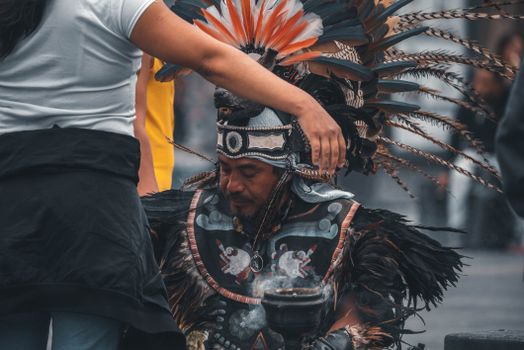
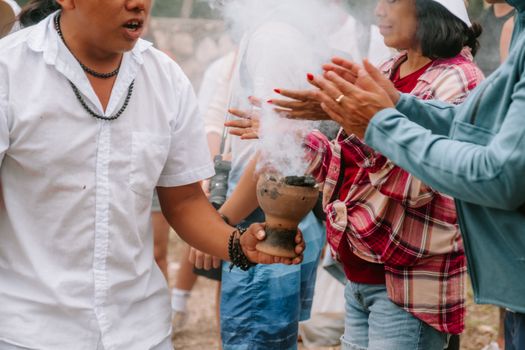
The highlight was a despacho ceremony – a traditional offering to Pachamama. Together, we meticulously arranged a beautiful mandala of natural elements: coca leaves, flowers, seeds, sugar, and incense, each representing a prayer or intention. As we offered it to a small fire, the smoke carried our hopes and gratitude to the spirits. It was a deeply grounding experience, reconnecting me to the earth and a sense of belonging I hadn't realized I was missing.
Practical Tips for Peru:
* Where to go: Cusco and the Sacred Valley (Pisac, Ollantaytambo) are excellent places to find reputable curanderos.
* How to find a reputable healer: Again, local guides, ethical tour operators, and trusted community members are your best resource. Be wary of overly commercialized or "spiritual tourism" operations that might exploit cultural practices.
* What to expect: Sessions can involve coca leaf readings, energetic cleansings, flower baths, or more elaborate ceremonies. Be prepared for rustic settings.
* Cost: A coca leaf reading or a simpler healing session might cost S/ 100-300 (approx. $25-$80 USD). Larger ceremonies will be more. Always agree on a price beforehand and consider bringing a small gift.
* Instagram-worthy moment: The vibrant textiles, the Andean landscapes, the intricate despacho offerings.
The Serenity of Ayurvedic Healing: Kerala's Green Embrace
After the high altitudes of Peru, I craved a different kind of healing – one that felt deeply rooted in ancient science and lush nature. This led me to Kerala, India, often called "God's Own Country," and the birthplace of Ayurveda, one of the world's oldest holistic healing systems.
Ayurveda, meaning "the science of life," focuses on balancing the body's three doshas (energies: Vata, Pitta, Kapha) through diet, lifestyle, herbal remedies, and therapeutic treatments. It's a comprehensive approach to wellness that has been practiced for over 5,000 years.
I chose to experience a short Ayurvedic retreat in a serene center nestled amidst the backwaters of Kerala. It wasn't just a single session; it was an immersive experience designed to reset my entire system.
My Experience with Dr. Sharma:
Upon arrival, I had a thorough consultation with Dr. Sharma, a kind and knowledgeable Ayurvedic physician. She meticulously assessed my pulse, tongue, and medical history, asking detailed questions about my lifestyle, diet, and even my sleep patterns. She identified my dominant doshas and prescribed a personalized regimen.
My days began with early morning yoga and meditation, followed by a delicious, dosha-balancing breakfast. The treatments were the highlight: daily Abhyanga (a synchronized full-body massage with warm herbal oils), Shirodhara (a continuous stream of warm oil gently poured over the forehead, inducing a deep state of relaxation that felt like pure bliss), and herbal steam baths. Each treatment was performed by skilled therapists, their hands moving with ancient wisdom and profound care.
The food was simple, vegetarian, and incredibly flavorful – tailored to my specific dosha. I learned so much about the power of food as medicine. By the end of my week-long stay, I felt utterly rejuvenated, not just physically but mentally. My sleep improved, my energy levels soared, and the nagging sense of emptiness had been replaced by a quiet, steady calm.
Practical Tips for India:
* Where to go: Kerala is renowned for its Ayurvedic centers and resorts, but you can find reputable clinics across India (e.g., Rishikesh, Goa).
* How to find a reputable center: Look for NABH (National Accreditation Board for Hospitals & Healthcare Providers) accredited centers or those recommended by trusted sources. Read reviews carefully.
* What to expect: A consultation with an Ayurvedic doctor is standard. Treatments can range from single massages to multi-day or multi-week Panchakarma (detoxification) programs. Be prepared for oil, lots of oil!
* Cost: Can vary widely. A single treatment might be INR 2,000-5,000 (approx. $25-$60 USD). A comprehensive retreat can range from INR 5,000-15,000+ per day ($60-$180+ USD), depending on luxury level and duration.
* Instagram-worthy moment: The lush greenery of Kerala, the serene treatment rooms, vibrant herbal concoctions, the intricate patterns of oil during Shirodhara (if captured respectfully).
Practical Magic: Your Guide to Ethical & Mind-Blowing Encounters
Venturing into the world of traditional healing is an incredible opportunity, but it requires mindful preparation and a respectful approach. Here are my top tips to ensure your experience is authentic, ethical, and truly transformative:
- Do Your Homework (Beyond the Tourist Brochures):
- Research: Understand the cultural context of the healing practice you're interested in. What are its origins? What are the local customs?
- Ethical Sourcing: Seek out healers who are genuinely part of their community and whose practices are respected locally. Avoid places that seem overly commercialized or exploitative.
- Seek Local Guidance:
- Trusted Locals: The best way to find authentic healers is through local recommendations – ask your guesthouse owner, a trusted guide, or local friends. They often know who is genuinely respected.
- Ethical Tour Operators: Some specialized tour operators focus on cultural immersion and ethical encounters with healers. Do your due diligence on their practices.
- Approach with Respect & Humility:
- Cultural Sensitivity: Dress modestly, especially when visiting sacred spaces or homes. Ask permission before taking photos.
- Open Mind, Open Heart: Be receptive to different belief systems. This isn't about judgment; it's about learning and experiencing.
- Language: A translator is often essential. Even if the healer speaks English, nuances can be lost.
- Manage Expectations (and Your Health):
- Not a Magic Cure: Traditional healing offers profound insights and support, but it's not a substitute for conventional medical care, especially for serious conditions.
- Be Discerning: While openness is key, trust your gut. If something feels off, or you're pressured into something uncomfortable, it's okay to decline.
- Health & Safety: Inform your healer of any medical conditions or allergies. Some remedies can be potent.
- Be Transparent About Costs & Offerings:
- Agree on Price: Always clarify the cost of a session or ceremony beforehand.
- Donations & Gifts: In many cultures, a monetary offering (often called a "donation" or "exchange") is customary, but a small, respectful gift can also be appreciated.
- Integrate the Wisdom:
- Reflection: Take time to process your experience. Journal, meditate, or simply sit in quiet contemplation.
- Bring it Home: How can you integrate the lessons learned into your daily life? Whether it's a new mindfulness practice, a change in diet, or a deeper connection to nature, let the healing journey continue.
The Journey Within Awaits
My quest for healing through travel didn't just fill the emptiness; it opened up entirely new dimensions within me. It taught me the profound interconnectedness of all things, the enduring power of ancient wisdom, and the incredible generosity of spirit found in communities across the globe.
These experiences didn't just blow my mind; they expanded my heart, deepened my understanding of humanity, and gifted me with a renewed sense of purpose. They are a potent reminder that the most extraordinary journeys are not always to the highest peaks or the busiest cities, but often to the quietest corners of the world, and deepest parts of ourselves.
So, if you're feeling that familiar wanderlust, but also a deeper yearning for something more, consider a journey to meet those who hold the keys to ancient wisdom. Seek out the traditional healers who welcome visitors, and prepare to have your mind, body, and spirit utterly transformed.
Have you had a transformative encounter with a traditional healer? Share your stories and tips in the comments below! Let's inspire each other to travel deeper.
---