From Tourist to Participant: How Traditional Ceremonies Changed My Life Forever
There was a time when my travel blog read like a checklist: Visited the Eiffel Tower? Check. Hiked Machu Picchu? Check. Snapped a selfie at the Colosseum? Double-check. I was seeing the world, yes, but often from behind a lens, ticking off bucket list items without truly feeling them. Despite the incredible photos and the envy-inducing itineraries, a quiet dissatisfaction gnawed at me. I was collecting experiences, but not necessarily transforming through them.
Then, something shifted. Call it serendipity, a deep yearning for meaning, or simply hitting a wall with superficial sightseeing. I started seeking out opportunities not just to observe, but to participate. To step beyond the velvet ropes of tourism and into the living, breathing heart of a culture. What I found in traditional ceremonies wasn't just a deeper understanding of local customs; it was a mirror reflecting parts of myself I hadn't known existed. These weren't mere spectacles; they were profound, often ancient, acts of devotion, community, and connection. And they changed my life forever.
If you’re ready to trade your curated itinerary for something truly soul-stirring, to swap passive observation for active engagement, then prepare to dive deep. Here are four traditional ceremonies that didn't just mark a point on my map, but etched themselves onto my soul, along with everything you need to know to experience them yourself.
1. The Sacred Waters of Bali: Melukat Purification Ceremony
(Location: Bali, Indonesia | Estimated Cost: Donations/small fee, approx. $5-15 USD with local guide)
My first encounter with truly transformative ceremonial participation was in the lush, spiritual heart of Bali. I’d arrived feeling a familiar sense of burnout, the digital nomad grind taking its toll. My Balinese friend, Wayan, noticed my restless energy and suggested a Melukat – a traditional Balinese purification ceremony involving holy water. I was intrigued, if a little skeptical. Could a dip in a spring really do anything?
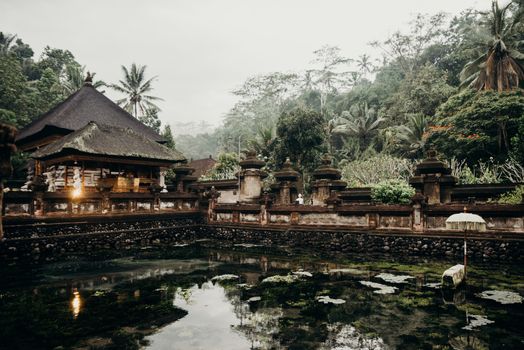
The morning was cool and misty as we arrived at Tirta Empul, one of Bali's most revered water temples. The air hummed with reverence, the scent of incense, and the gentle murmur of prayers. Wayan explained the purpose of Melukat: to cleanse the body, mind, and spirit of negative energies, purify karma, and invite positive blessings.
Dressed in a traditional sarong and sash, I joined a line of locals and a few respectful tourists. The water was shockingly cold as I stepped into the spring-fed pools, but the chill quickly gave way to a tingling sensation. Following Wayan's lead, I bowed my head under each of the numerous spouts, allowing the sacred water to cascade over me. With each stream, I focused on releasing anxieties, fears, and doubts, imagining them washing away with the flowing water. The rhythmic sounds of the water, the quiet devotion of those around me, and the sheer antiquity of the ritual created a powerful, almost hypnotic state.
By the time I emerged, shivering but exhilarated, I felt an incredible lightness. It wasn't just physical; it was as if a heavy cloak had been lifted from my spirit. My mind felt clearer, my heart more open. It was a profound reset, a reminder of the power of intention and the simple beauty of ancient practices.
Your Path to Purification:
- Where to Go: Tirta Empul Temple (most famous and accessible), Sebatu Holy Water Temple (a bit quieter), or seek out a local Pemangku (Balinese priest) who might offer a more private ceremony.
- What to Wear: You’ll need a sarong and sash (often available for rent or provided at the temple entrance). Women should ideally wear a top that covers their shoulders.
- How to Participate: Observe locals first. Follow their lead or ask a guide for instructions. You’ll typically approach each spigot, make an offering (often flower petals), and then immerse yourself under the flowing water.
- Respect & Etiquette: Be mindful of your actions, speak softly, and avoid turning your back to the shrines. Ask permission before taking photos, especially of people participating.
- Cost: Entrance fees to temples are typically low (a few dollars). Donations are customary. If you hire a local guide, expect to pay around $10-20 for their time and explanation.
2. Dawn's Gentle Offering: Alms Giving in Luang Prabang
(Location: Luang Prabang, Laos | Estimated Cost: A few dollars for sticky rice)
The alarm clock blared at 4:30 AM, an ungodly hour for a self-proclaimed night owl. I was in Luang Prabang, Laos, and had committed to participating in Tak Bat, the daily alms giving ceremony to Buddhist monks. My initial enthusiasm was tempered by the pre-dawn chill and the lingering sleepiness, but the promise of an authentic cultural experience spurred me on.
We found our spot on the main street, a respectful distance from the temple, where locals were already setting out small mats. I purchased a basket of sticky rice from a nearby vendor, who also provided a small stool. As the sky began to lighten with soft hues of orange and pink, the first line of saffron-robed monks appeared, walking in silent procession, their bare feet padding softly on the pavement.
There was an almost ethereal quality to the scene. No chatter, no hurried movements, just quiet devotion. As each monk passed, I gently placed a small handful of sticky rice into their alms bowl, meeting their gaze briefly with a silent nod. The exchange was simple, yet profound. It wasn't about the quantity of rice; it was about the act of giving, of supporting the monastic community, and of cultivating humility and generosity within oneself.
I remember a moment when a young novice, no older than ten, passed by. His eyes, clear and serious, met mine, and in that brief connection, I felt a deep sense of peace. It wasn't a transaction; it was a shared moment of humanity and faith. The experience stripped away my self-importance, reminding me of the beauty in selfless giving and the quiet dignity of a life dedicated to spiritual practice. It became a powerful lesson in mindfulness and detachment, a stark contrast to the consumerism I often encountered elsewhere.
Participating in Tak Bat:
- Where to Go: The main street of Luang Prabang (Sakkaline Road) is where most ceremonies take place.
- When to Go: Daily, starting around 5:30-6:00 AM, depending on the season and sunrise.
- What to Wear: Dress respectfully. Shoulders and knees must be covered. No shorts, tank tops, or revealing clothing.
- How to Participate: Purchase sticky rice from a local market or a reputable vendor near the ceremony area (avoid those who aggressively push tourists to buy, as they might be profiting unfairly). Sit on a small mat or stool, remove your shoes, and keep a respectful distance from the monks. When they pass, place a small amount of rice into their bowls.
- Respect & Etiquette: Maintain silence. Do not make eye contact with the monks for extended periods. Do not use flash photography. Do not touch the monks. Do not block their path. Women should not directly hand items to monks. If you choose not to participate, observe from a distance and remain silent. This is a sacred ritual, not a photo opportunity.
3. Whispers to Mother Earth: The Pachamama Despacho in Peru
(Location: Cusco/Sacred Valley, Peru | Estimated Cost: $50-150 USD for a private ceremony with a Shaman)
High in the Peruvian Andes, where the air is thin and the mountains stand as ancient sentinels, I sought out a connection to the spiritual heart of the land. My guide introduced me to a local Paco (Andean Shaman) for a Pachamama Despacho – a traditional offering ceremony to Mother Earth. I’d read about these rituals, rooted in Inca cosmology, but nothing prepared me for the emotional depth of participating.
We sat on a simple blanket spread on the earth, overlooking a valley shrouded in mist. The Shaman, with his weathered hands and kind eyes, began to explain the significance of Pachamama – the benevolent Mother Earth who sustains all life. The ceremony was an act of reciprocity, a way to give thanks for her abundance and to ask for balance and blessings.
He laid out a beautiful array of natural elements: coca leaves (sacred to the Andes), various seeds for prosperity, sweets for sweetness in life, shells representing water, grains for abundance, and even small pieces of colored wool. Each item was placed with intention, a silent prayer accompanying its placement. As he guided me, I added my own prayers and gratitude, infusing the offering with my personal hopes and thanks. The coca leaves, in particular, felt powerful – I blew my intentions into three leaves, then placed them carefully into the growing mandala of the offering.
The process was meditative, deeply grounding. I felt a profound connection not just to the earth beneath me, but to the generations of people who had performed this same ritual for centuries. When the offering was complete, the Shaman carefully wrapped it in a cloth, then took it to a secluded spot to be burned or buried, returning it to Pachamama in a final act of devotion.
I walked away from that ceremony feeling profoundly humbled and connected. It wasn't just about the ritual itself, but the shift in perspective it brought. I began to see the earth not as a resource to be exploited, but as a living entity deserving of respect and gratitude. It reignited my sense of wonder and my commitment to environmental stewardship.
Honoring Pachamama:
- Where to Go: Many tour operators in Cusco and the Sacred Valley can arrange a Despacho ceremony. Ensure you choose one that works with local, authentic Shamans and prioritizes ethical tourism.
- How to Find a Shaman: Ask for recommendations from reputable guesthouses or eco-lodges. Avoid overly commercialized offerings. Look for a guide who emphasizes respect for the tradition and the Shaman.
- What to Expect: Ceremonies can vary in length and complexity, but generally involve creating a symbolic offering with natural elements, guided by the Shaman’s prayers and intentions.
- Cost: A private Despacho ceremony with a genuine Shaman and translator/guide can range from $50 to $150 USD, depending on the duration and exclusivity. Group ceremonies might be less.
- Respect & Etiquette: Approach with an open mind and heart. Listen attentively to the Shaman’s instructions. Be present and respectful of the sacred space and tradition.
4. The Symphony of Light and Faith: Ganga Aarti in Varanasi
(Location: Varanasi, India | Estimated Cost: Free to observe from shore, small fee for boat ride)
Varanasi, one of the oldest continually inhabited cities in the world, is an assault on the senses. It’s chaotic, vibrant, ancient, and utterly captivating. And nowhere is its spiritual pulse more palpable than during the Ganga Aarti ceremony on the banks of the sacred Ganges River. I’d seen pictures, heard stories, but nothing prepared me for the immersive, overwhelming experience of being there.
As dusk settled, I made my way to Dashashwamedh Ghat, the main performance area. The steps were already teeming with people – pilgrims, locals, tourists – all jostling for a view. I opted for a small boat, which offered a slightly removed but equally mesmerizing perspective. As the first rhythmic chants began, the air crackled with anticipation.
Then, the ceremony began. Seven young Brahmin priests, dressed in saffron robes, stood on raised platforms, facing the river. They moved in unison, a choreographed dance of devotion, holding aloft multi-tiered lamps with flickering flames, blowing conch shells, ringing bells, and waving incense. The scent of sandalwood and jasmine filled the air, mingling with the smoke from the lamps. The sound was a crescendo of bells, gongs, drums, and thousands of voices chanting in unison, creating a powerful, almost trance-inducing atmosphere.
I watched, mesmerized, as small, flickering oil lamps, set adrift by devotees, dotted the dark surface of the Ganges, carrying prayers and offerings downstream. The sheer intensity of collective faith was overwhelming. It wasn't my faith, but I felt an undeniable connection to the raw human desire for meaning, for connection to something larger than oneself. It was a visceral, emotional experience that bypassed intellectual understanding and went straight to the heart. It reminded me of the universal human need for ritual and community.
Stepping off that boat, I felt a profound sense of awe and humility. Varanasi, and the Ganga Aarti in particular, taught me that spirituality isn't always quiet and contemplative; sometimes, it's a roaring, vibrant, communal celebration of life and devotion. It opened my eyes to the incredible diversity of human spiritual expression and the unifying power of shared reverence.
Experiencing Ganga Aarti:
- Where to Go: Dashashwamedh Ghat in Varanasi is the primary location.
- When to Go: Every evening, just after sunset. Arrive at least 30-45 minutes early for a good spot.
- How to Participate: You can watch from the ghat steps (free) or hire a boat for a different perspective (negotiate price, usually around $2-5 USD per person for a shared boat). While you don't actively perform the ceremony, your presence and respectful observation are your participation. You can also buy small oil lamps from vendors to float on the river as an offering.
- Respect & Etiquette: Dress modestly. Be prepared for crowds. Avoid flash photography. Do not disrupt the ceremony or the flow of people. Be aware of your belongings in crowded areas. Be wary of touts and aggressive vendors.
Beyond the Ceremony: Integrating the Experience
These ceremonies weren't just isolated events; they were catalysts. They opened doors to new ways of seeing, feeling, and being. They taught me the importance of:
- Humility: Stepping into a sacred space, often as an outsider, requires letting go of preconceived notions and approaching with an open, learner's mind.
- Respect: True participation means honoring local customs, traditions, and the beliefs of the people. This includes dressing appropriately, observing silence where required, and always asking permission.
- Presence: These rituals demand full engagement. Put away your phone, breathe, and allow yourself to be fully immersed in the moment. That's where the magic happens.
- Reciprocity: Many ceremonies are about giving back, whether it's an offering to the earth, alms to monks, or simply respect to a sacred river. It's a powerful antidote to the "take, take, take" mentality of modern life.
- Connection: Beyond the specific rituals, these experiences fostered a deeper connection – to myself, to the communities I visited, and to the universal human spirit.
My travels are no longer about ticking boxes; they're about seeking these profound, life-altering moments. They're about understanding, connecting, and allowing myself to be changed by the world around me. If you're yearning for a deeper travel experience, I urge you to seek out opportunities to participate respectfully in traditional ceremonies. You might just find that the most beautiful souvenirs aren't things you can pack in a suitcase, but feelings you carry in your heart forever.
Which ceremony calls to you? Share your thoughts in the comments below, or tell us about a transformative cultural experience you've had!
---