Have you ever scrolled through a perfectly curated Instagram feed, admiring stunning travel photos, only to feel a faint sense of… emptiness? Like you’re seeing the same five angles of the same three landmarks, all filtered to within an inch of their lives? Don’t get me wrong, I love a good photo op as much as the next traveler, but lately, I’ve been craving something more profound. Something that scratches deeper than the surface of a picturesque backdrop.
My own wake-up call came during a trip to Vietnam. I was in Hoi An, a town renowned for its tailor shops and lantern-lit streets. Like every other tourist, I was getting clothes made and snapping photos of the colorful lanterns. It was beautiful, yes, but I felt like a spectator, not a participant. One afternoon, wandering off the main drag, I stumbled upon a tiny, unassuming shop. Inside, an elderly woman, her hands gnarled with age but nimble with purpose, was meticulously embroidering a silk panel. There were no flashy signs, no tour groups. Just the quiet rhythmic pull of thread through fabric. I watched, mesmerized, for what felt like an hour. When she finally looked up and smiled, inviting me to try, I felt a spark. A genuine connection. It wasn't about the perfect shot; it was about the shared moment, the transfer of a skill, the whisper of history in her patient guidance.
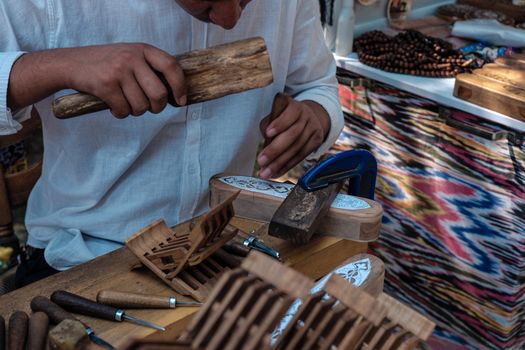
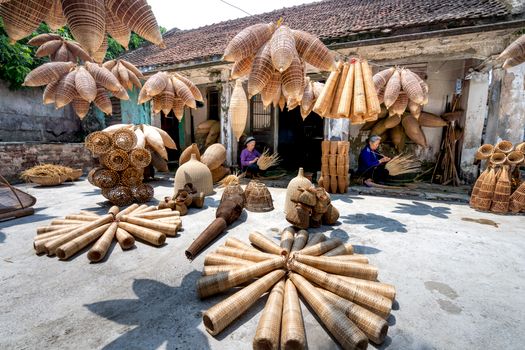
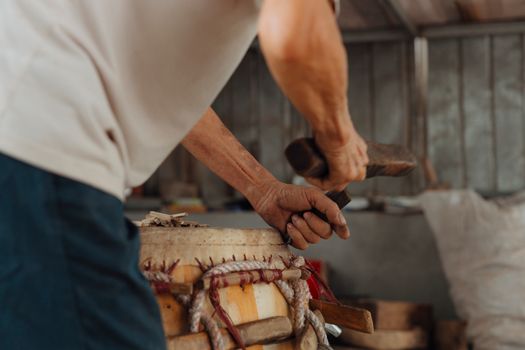
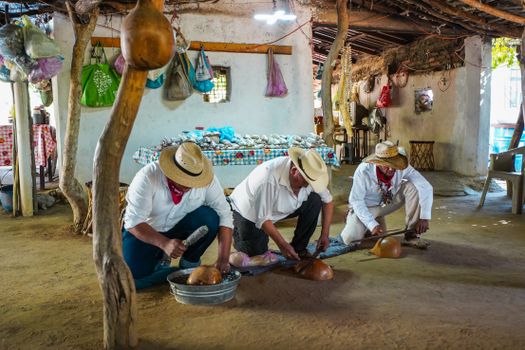
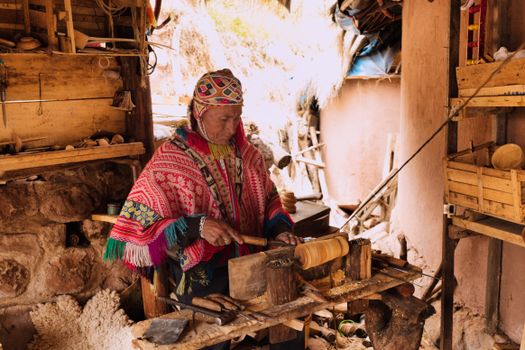
That moment ignited a new passion in me: seeking out artisan workshops where you can truly learn ancient crafts. These aren't the glossy, tourist-trap "experiences" designed for a quick Instagram story. These are the real deals – often tucked away, sometimes rustic, always authentic. They are where the true magic of a culture resides, passed down through generations. And trust me, these are the experiences that Instagram influencers, with their focus on aesthetics over authenticity, often miss entirely.
Let's dive into some of the incredible places where you can roll up your sleeves, get your hands dirty, and learn a craft that’s been perfected over centuries.
1. The Allure of the Loom: Weaving Tales in Guatemala's Highlands
Imagine vibrant threads, the rhythmic click-clack of a wooden loom, and the wisdom of Mayan women who have been weaving for millennia. Guatemala, particularly the highlands around Lake Atitlán and Antigua, is a treasure trove for textile enthusiasts. The indigenous Mayan communities here use traditional backstrap looms, a technique that dates back to pre-Columbian times, to create stunning, intricate textiles rich with symbolism.
My first weaving workshop was in San Juan La Laguna, a small village on the shores of Lake Atitlán known for its vibrant cooperatives. I found a small, family-run workshop through a local guesthouse recommendation. It was less a formal class and more an apprenticeship. My teacher, a woman named Maria, spoke little English, and my Spanish was rudimentary, but the language of shared effort transcended words.
The process is deceptively simple yet incredibly complex. You sit with the loom strapped to your back, the other end tied to a post, using your body to maintain tension. Maria guided my fingers, showing me how to pick up individual threads, how to use the shuttle, how to discern the subtle patterns emerging. I started with a simple coaster-sized piece, and it took me hours of focused concentration, my back aching, my fingers fumbling. But when I finally pulled that small, imperfect square off the loom, I felt an immense sense of accomplishment. It wasn't just a piece of fabric; it was a tangible connection to Maria, to her ancestors, and to a living tradition.
Practical Details:
* Where: San Juan La Laguna, Santiago Atitlán (Lake Atitlán), or indigenous communities near Antigua. Look for women's weaving cooperatives.
* What to expect: Workshops can range from a few hours to a full day, or even multi-day immersions. Many include natural dyeing demonstrations.
* Cost: Expect to pay anywhere from $30-$100 USD for a half-day to full-day workshop, often including materials. Prices vary depending on the length and the specific cooperative.
* How to find: Ask your guesthouse, local guides, or visit the many women's cooperatives directly. Supporting these directly ensures the money goes straight to the artisans.
2. Fire, Clay, and Soul: Pottery in the Heart of Morocco
The bustling souks of Morocco are famous for their vibrant ceramics – tagines, intricate plates, and colorful tiles. But have you ever wondered how they’re made? Beyond the tourist shops, in cities like Fes and Safi, the ancient art of Moroccan pottery thrives, often in workshops that have been in families for generations.
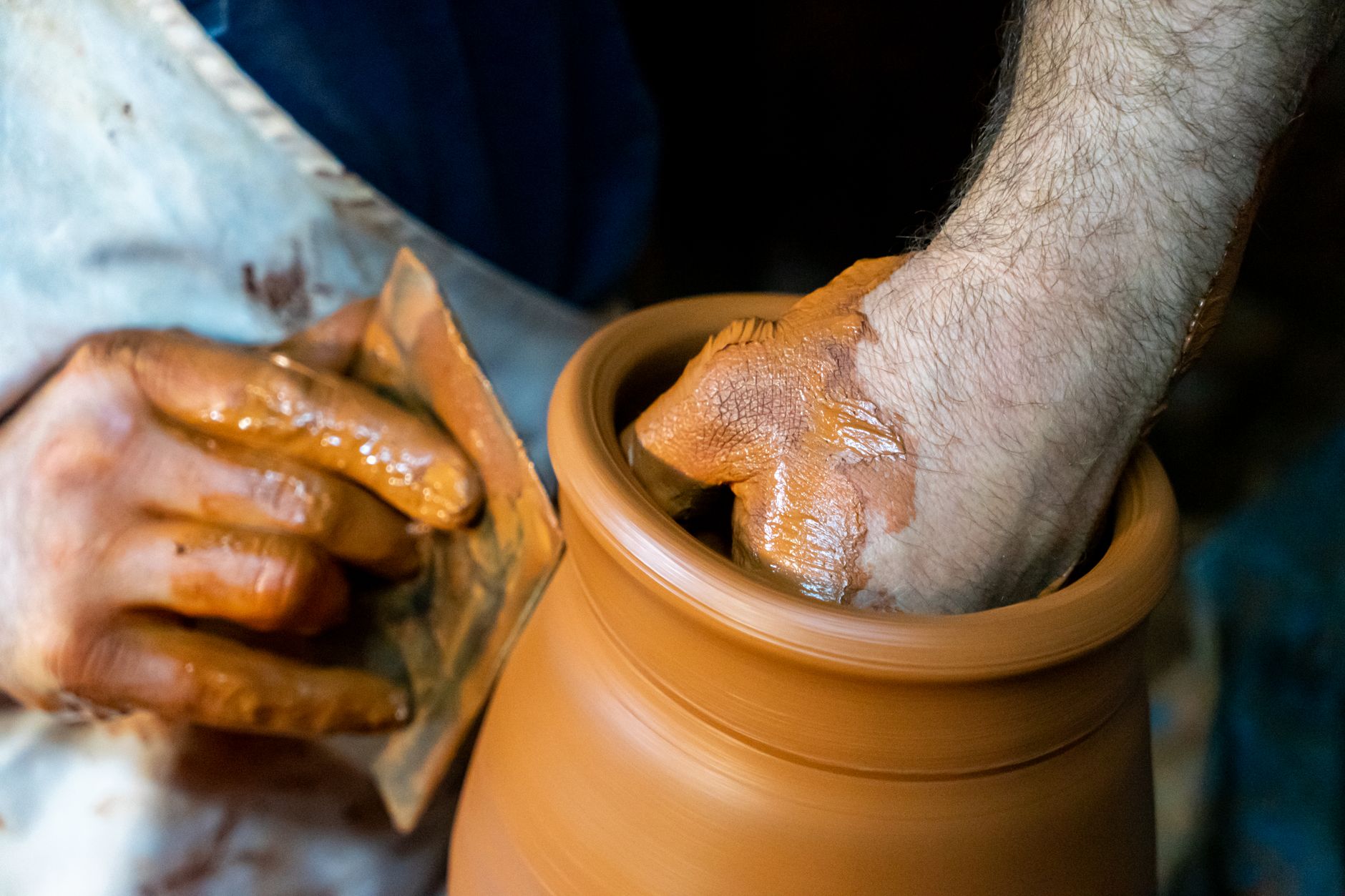
In Fes, I ventured into the potters' quarter, a maze of dusty workshops where the air hummed with the whir of pottery wheels and the scent of damp clay. I found a small, open-air studio run by a jovial man named Abdul. His hands, caked with clay, moved with an effortless grace as he transformed a lump of mud into a perfectly symmetrical vessel. He offered me a chance to try.
The pottery wheel is a humbling experience. My first attempts were wobbly, lopsided disasters. Abdul, with infinite patience and a twinkle in his eye, would gently place his hands over mine, guiding them, showing me the subtle pressure, the delicate balance needed to center the clay. It was a meditative dance between man and material. The feeling of the cool, wet clay yielding under my touch, slowly taking shape, was incredibly therapeutic. I learned not just to throw a pot, but also about the intricate hand-painting techniques and the firing processes that give Moroccan pottery its distinctive character. I left with a small, slightly crooked but entirely unique bowl, a testament to my perseverance and Abdul's kindness.
Practical Details:
* Where: Fes (especially the potters' quarter near Bab Bou Jeloud), Safi (a major center for ceramics), or smaller workshops in Marrakech.
* What to expect: Workshops typically last a few hours, focusing on wheel-throwing or traditional hand-painting. Some places offer tours of the kilns.
* Cost: A half-day workshop can cost between $50-$150 USD, depending on the instructor and location.
* How to find: Ask your riad host for recommendations, or simply wander into the artisan quarters and politely inquire. Many artisans are happy to share their craft.
3. The Delicate Dance of Dye: Batik in Indonesia's Cultural Heart
Indonesia, particularly the island of Java, is synonymous with Batik – a traditional wax-resist dyeing technique that produces stunningly intricate patterns on fabric. It's more than just a craft; it's a profound cultural expression, with designs often telling ancient stories or signifying social status.
My Batik journey took me to Yogyakarta, the cultural capital of Java. Here, countless small studios offer workshops. I chose one called "Batik Plentong," a modest establishment run by a family of Batik masters. The workshop began with an explanation of the philosophy behind Batik, the significance of different motifs, and the painstaking process involved.
Armed with a canting (a pen-like tool with a tiny spout for liquid wax), I was instructed to trace a pattern onto a piece of cotton. The wax flows hot and fast, and it takes an incredibly steady hand and immense focus to create clean lines. My first attempts were blobby and uneven, but with practice, I began to get the hang of it. After applying the wax, the fabric is dyed, and then the wax is removed, revealing the untouched areas in their original color. This process can be repeated multiple times for multi-colored designs. The smell of the wax, the vibrant dyes, and the quiet concentration of fellow students created an almost spiritual atmosphere. Seeing my own design emerge from the dye bath, crisp and clear, was an absolute thrill.
Practical Details:
* Where: Yogyakarta, Solo (Surakarta) on Java, or even Bali (though Balinese Batik often has different styles).
* What to expect: Most workshops are 2-4 hours, covering basic wax application (canting) and dyeing. You'll usually leave with your own small Batik creation.
* Cost: Very affordable, typically $20-$70 USD for a half-day session, including materials.
* How to find: Many hotels and guesthouses can recommend reputable studios. Look for places that emphasize traditional methods and support local artisans.
4. Hammering History: Coppersmithing in Turkey's Ancient Bazaars
From gleaming trays to intricate coffee pots, Turkish coppersmithing is an ancient art form that transforms humble sheets of metal into works of art. While many workshops now cater to mass production, pockets of traditional coppersmiths still exist, particularly in places like Gaziantep and the older sections of Istanbul.
In Gaziantep, a city in southeastern Turkey renowned for its culinary scene and ancient crafts, I found a coppersmith’s bazaar where the rhythmic clang of hammers echoed through narrow lanes. I approached a small, open-fronted shop where an elderly man, his face weathered by years of working with fire, was meticulously hammering patterns into a large copper tray. His name was Mehmet. Through a local guide, I asked if I could observe, and to my surprise, he invited me to try a few hammer strokes myself.
He handed me a small hammer and a piece of copper, demonstrating the precise angle and force needed to create a dimple. It looked easy, but the metal was surprisingly resistant. My arm tired quickly, and my attempts looked more like random dents than intentional patterns. Yet, the brief experience was exhilarating. It gave me a profound appreciation for the strength, precision, and artistry required to shape metal. Mehmet, sensing my fascination, explained the different tools, the annealing process (heating and cooling the copper to make it more malleable), and the history of his craft, passed down from his father. It’s a craft that demands patience, strength, and an intimate understanding of the material.
Practical Details:
* Where: Gaziantep (Copper Bazaar), Istanbul (Grand Bazaar area, though finding hands-on workshops might be harder and more about observation/short try-outs).
* What to expect: Full workshops are rarer for tourists; often it's more about observing and getting a brief, supervised attempt. Longer apprenticeships might be possible for serious learners.
* Cost: Varies greatly. A short supervised try-out might be free or a small fee. Longer, more structured learning would require direct negotiation.
* How to find: Wander through the artisan sections of old bazaars. Look for workshops where artisans are actively working. A local guide can be invaluable for introductions.
5. Ink & Paper: The Serenity of Calligraphy in Japan
In a country celebrated for its aesthetics and mindfulness, Japanese calligraphy, or Shodo, is an art form that transcends mere writing. It's a meditative practice, a dance between brush, ink, and paper, reflecting the spirit and concentration of the calligrapher. Learning Shodo isn't just about creating beautiful characters; it's about cultivating inner peace and focus.
During a serene visit to Kyoto, I sought out a Shodo master. I found a small cultural center offering beginner classes. The room was minimalist, quiet, with the faint scent of ink. My teacher, a woman in a traditional kimono, spoke with a gentle cadence, explaining the philosophy of Shodo before we even touched a brush. It's about finding your ki (life force), channeling it through the brush, and expressing it in a single, fluid stroke.
We started with basic strokes, learning how to hold the brush, how to control the pressure, how to breathe. The ink, ground from a solid stick, was a deep, rich black. Each stroke required total concentration. My initial attempts were hesitant and clumsy, but with each practice sheet, I felt my hand loosen, my mind quiet. There was a profound satisfaction in seeing the ink spread on the rice paper, creating a character that, even if imperfect, was uniquely mine. It was a lesson in patience, precision, and the beauty of imperfection – a truly Japanese experience that grounded me amidst the bustling city.
Practical Details:
* Where: Kyoto, Tokyo, or any major city with cultural centers or temples offering classes.
* What to expect: Classes typically last 1-2 hours, focusing on basic strokes, character formation, and the philosophy of Shodo. All materials are usually provided.
* Cost: Expect to pay $30-$80 USD for a beginner's class.
* How to find: Check with local tourism offices, cultural centers, or online platforms specializing in Japanese cultural experiences.
6. Beyond the Stitch: Embroidery in Vietnam's Northern Villages
Returning to where my own journey began, Vietnamese embroidery is an exquisite art form, particularly vibrant in the northern mountainous regions where ethnic minorities create intricate designs on clothing and household items. The sheer detail and vibrant colors tell stories of daily life, nature, and ancient legends.
After my initial glimpse in Hoi An, I sought a deeper experience in Sapa, a region famous for its terraced rice fields and diverse hill tribes like the Hmong and Dao. I joined a workshop organized by a local social enterprise that supports Hmong women artisans. The workshop was held in a simple, open-air hut overlooking misty mountains. My teacher, a young Hmong woman named Mai, taught me the basics of cross-stitch and chain stitch, commonly used in their traditional garments.
Her fingers flew across the fabric, creating complex patterns with astonishing speed. My own efforts were slow and painstaking. I learned to thread a needle with fine silk, to make tiny, even stitches, and to follow a pattern with unwavering focus. Mai explained the significance of different colors and motifs – a spiral might represent a snail shell, a diamond a mountain. It wasn't just about the technique; it was about understanding the cultural narrative woven into every thread. It was a quiet, intimate learning experience that offered a window into the rich traditions of the Hmong people, far removed from the tourist crowds.
Practical Details:
* Where: Sapa (look for social enterprises working with Hmong or Dao communities), Hanoi (Old Quarter, some specialized studios), Hoi An.
* What to expect: Workshops range from a few hours to a full day, focusing on basic stitches and pattern creation.
* Cost: Typically $25-$60 USD for a half-day class, often supporting local women's cooperatives directly.
* How to find: In Sapa, ask your guesthouse or local guides about community-based tourism initiatives. In cities, search for "traditional Vietnamese embroidery workshops."
Practical Tips for Your Artisan Craft Journey
Ready to ditch the perfectly posed photos and truly immerse yourself? Here's how to make your artisan workshop adventure a reality:
- Do Your Research (but leave room for spontaneity): While it's good to know which crafts are prominent in a region, don't over-plan. Sometimes the best workshops are discovered by simply walking into a local artisan's shop and asking.
- Ask the Locals: Your guesthouse host, a friendly shopkeeper, or a local guide are your best resources for finding authentic workshops that aren't heavily advertised. They know the genuine masters.
- Look for Cooperatives & Social Enterprises: Many indigenous communities and women's groups form cooperatives to preserve their crafts and ensure fair wages. These are excellent places to learn and support ethical tourism.
- Embrace the Rustic: These aren't always air-conditioned studios with pristine equipment. Expect humble settings, perhaps a language barrier, and a genuine, hands-on experience. That's part of the charm!
- Be Patient & Respectful: You won't become a master overnight. Approach the experience with an open mind, a willingness to learn, and immense respect for the artisan's skill and tradition. Ask permission before taking photos.
- Negotiate Gently (if appropriate): In some cultures, a bit of polite negotiation is expected, especially for longer, private lessons. But always remember you're supporting someone's livelihood, so be fair.
- Bring a Notebook & Camera (Discreetly): Document your journey! Take notes on techniques, sketch patterns, and capture photos (with permission) of the process. These memories are priceless.
- Support the Artisans: If you love what you made or learned, consider purchasing a piece directly from your teacher or their cooperative. It's a meaningful souvenir and directly supports the preservation of their craft.
- Language Barrier? No Problem! Don't let a lack of shared language deter you. Many crafts can be taught through demonstration, gestures, and a shared smile. It often makes the connection even stronger.
- Manage Expectations: You're there to learn, not to produce a masterpiece. The value is in the process, the connection, and the understanding you gain.
Beyond the Filter: Your Story Awaits
In a world increasingly dominated by curated feeds and fleeting trends, learning an ancient craft offers something deeply profound: a connection to human history, a tangible skill, and a story that is uniquely yours. It’s about slowing down, engaging your senses, and truly immersing yourself in a culture. These aren't just workshops; they are gateways to understanding, to appreciation, and to creating memories that resonate far longer than any perfectly filtered photo ever could.
So, next time you plan a trip, consider going off the beaten path. Seek out the quiet workshops, the patient masters, and the ancient crafts waiting to be learned. You might just discover a hidden talent, a new passion, and a travel experience so rich and authentic, even the savviest influencers won't know where to find it.
What ancient craft are you itching to learn? Share your thoughts and dream workshops in the comments below! Let's inspire each other to travel deeper.
---