The Hook: A Symphony of Senses in a Forgotten Courtyard
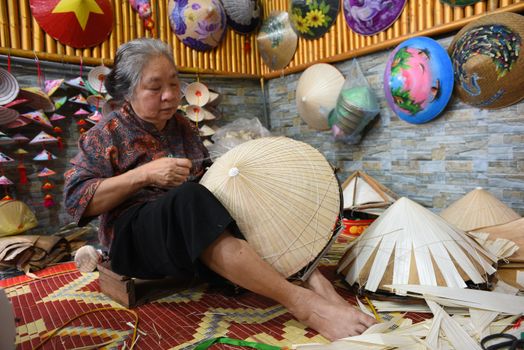
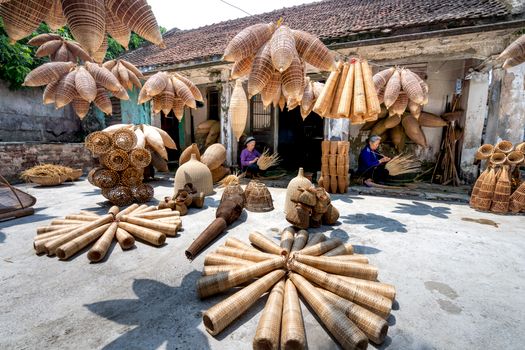
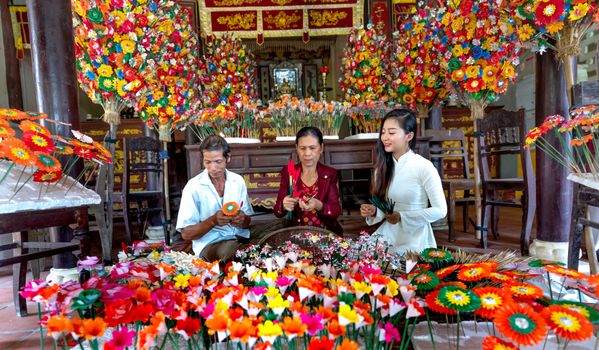
I stepped off the rickety bus in a small village, the kind that doesn't grace most tourist maps. The air was thick with the sweet, earthy scent of drying clay, mingled with the sharp, invigorating aroma of woodsmoke. Children’s laughter, a melody both innocent and ancient, echoed from a hidden courtyard. My heart, a seasoned traveler’s compass, tugged me towards the sound. I rounded a corner, and there it was: a scene straight out of a living history book. Women, their hands stained with vibrant natural dyes, sat hunched over looms, their fingers dancing a silent, intricate ballet. The rhythmic thump-thump of hammers on metal, a percussive beat, drifted from a nearby smithy. This wasn't just a village; it was a sanctuary of fading artistry, a vibrant testament to traditions clinging precariously to existence, and a powerful reminder of why we, as travelers, are their most crucial lifeline.
The Looming Threat: Why Traditional Crafts Need Us Now
Recent data paints a stark picture: many traditional crafts are teetering on the edge of oblivion. Globalization, mass production, and a lack of demand from younger generations mean that skills honed over centuries are being lost at an alarming rate. These aren't just quaint hobbies; they are the economic lifeblood of remote communities, keepers of cultural identity, and tangible links to our shared human history. When a craft dies, it takes with it a unique way of seeing the world, a distinct aesthetic, and the livelihoods of countless artisans.
The Data Speaks: A Global Call to Action
According to a UNESCO report, over 60% of intangible cultural heritage is at risk of disappearing within the next generation. This isn't just about beautiful objects; it's about the erosion of cultural diversity. Another study by the World Crafts Council revealed that economic viability is the primary challenge for artisans, with many struggling to compete with cheaper, machine-made alternatives. This is where we come in. Our travel choices can directly influence the survival of these precious traditions. By consciously seeking out and supporting these craft revivals, we become active participants in their preservation, not just passive observers.
Craft Revival Spotlight 1: The Indigo Dyes of the Javanese Coast, Indonesia
The scent of fermented indigo leaves, a pungent, almost intoxicating perfume, hung heavy in the humid air as I entered the workshop. Sunlight, filtered through woven bamboo walls, illuminated a kaleidoscope of blues – from the palest sky to the deepest midnight. Here, the Batik Tulis tradition, a painstaking process of hand-drawing intricate patterns with wax before dyeing, is experiencing a renaissance, fueled by a new appreciation for its artistry and environmental consciousness.
Pro-Tips for the Indigo Explorer:
- Visit at 7 AM: Witness the morning dye baths, a truly mesmerizing spectacle. The colours are most vibrant then, and you'll avoid the midday heat.
- The Hidden Entrance: Look for the small, unmarked door with a faded blue flag. This leads to the oldest dyeing vats.
- Hands-On Experience: Many workshops offer short Batik Tulis classes. Don't miss the chance to try it yourself – it’s incredibly therapeutic!
- Ask About the 'Cap': While Batik Tulis is hand-drawn, the 'Cap' method uses a stamped copper block. Understand the difference and appreciate the skill involved in both.
Quick Facts: Javanese Batik Tulis
| Category | Details | Estimated Cost ($) |
| :-------------- | :--------------------------------------------- | :----------------- |
| Location | Coastal villages, Java, Indonesia | N/A (local travel) |
| Best Time | Dry season (May-September) | - |
| How to Get There | Fly into Yogyakarta (JOG) or Semarang (SRG), then hire a local driver or use public transport to reach specific villages. | $20-$50 (local transport) |
| Workshop | Batik Tulis classes | $15-$30 per person |
| Souvenirs | Hand-dyed fabric, clothing, accessories | $10-$100+ |
Insider Lingo:
"Motif" refers to the specific pattern, each with its own meaning and history. "Canting" is the pen-like tool used to apply the wax.
Craft Revival Spotlight 2: The Silent Language of Peruvian Weaving
In the high Andes, where the air is thin and the mountains kiss the sky, I found myself surrounded by the vibrant hues of Q'ero textiles. These aren't just blankets; they are living histories, woven with symbols that tell stories of ancient Inca cosmology, agricultural cycles, and community life. The Q'ero people, considered descendants of the Inca, are fiercely dedicated to preserving their ancestral weaving techniques, passed down through generations of women.
Pro-Tips for the Andean Weaver:
- Seek Out Community Projects: Many initiatives work directly with Q'ero communities to ensure artisans receive fair prices. Ask your guide or accommodation about them.
- Visit During a Festival: If you can time it right, attending a local festival will offer a glimpse into the cultural significance of these textiles.
- Learn the Symbolism: Ask the weavers about the meanings behind the patterns. It adds a profound layer to your understanding and appreciation.
- The 'Ayni' Principle: Understand the concept of 'Ayni' (reciprocity) in their culture. Buying directly from the weaver embodies this principle.
Quick Facts: Q'ero Textiles
| Category | Details | Estimated Cost ($) |
| :-------------- | :--------------------------------------------- | :----------------- |
| Location | Q'ero Nation communities, Cusco Region, Peru | N/A (local travel) |
| Best Time | Dry season (April-October) | - |
| How to Get There | Fly into Cusco (CUZ), then arrange a guided trek or specialized tour to the Q'ero communities. | $100-$300+ (guided tour) |
| Direct Purchase | Small textiles (mantas, pouches) | $50-$200+ |
| Workshops | Basic weaving demonstrations/lessons (rare) | $30-$60 |
Insider Lingo:
"Ullu" is the yarn spun from alpaca or sheep wool. "Pampa" refers to the broad, open plains where they herd their animals.
Craft Revival Spotlight 3: The Intricate Art of Moroccan Zellige Tilework
The rhythmic tap-tap-tap of tiny hammers on chisel-edged tools was the soundtrack to my immersion in the medinas of Fes. Here, Zellige tilework, a mesmerizing geometric art form characterized by hand-cut, glazed tiles meticulously arranged into intricate mosaics, is undergoing a powerful revival. Once a craft practiced by master artisans in specialized guilds, it's now being rediscovered by a new generation eager to keep this ancient art alive.
Pro-Tips for the Zellige Artisan:
- Explore the Tanneries First: The vibrant dyes used in the tanneries often echo the colours found in traditional Zellige. It's a great visual primer.
- Visit a 'Ma'alam's' Workshop: Seek out a master craftsman ('Ma'alam') for the most authentic experience. They often have smaller, less visible workshops.
- Understand the Process: Ask to see the clay preparation, the firing, and the cutting. It’s a multi-stage marvel.
- Look for Bespoke Pieces: If you have the budget, commission a small piece. It’s a truly unique and lasting souvenir.
Quick Facts: Moroccan Zellige
| Category | Details | Estimated Cost ($) |
| :-------------- | :--------------------------------------------- | :----------------- |
| Location | Fes, Morocco | N/A (local travel) |
| Best Time | Spring (March-May) and Autumn (September-November) | - |
| How to Get There | Fly into Fes–Saïs Airport (FEZ). Taxis readily available. | $10-$20 (airport taxi) |
| Workshop Tours | Guided tours of artisan quarters | $25-$50 |
| Small Tiles/Mosaics | Decorative pieces | $20-$150+ |
Insider Lingo:
"Zellige" itself refers to the mosaic art. "Chkoune" is the term for the small, hand-cut tiles. "Bejmat" are the larger, rectangular tiles used in some designs.
Craft Revival Spotlight 4: The Whispers of Japanese Washi Paper
In the serene mountain villages of Japan, I discovered the delicate, almost ethereal beauty of Washi paper. This traditional handmade paper, made from the bark of the mulberry tree, is renowned for its strength, translucency, and longevity. While mass-produced paper dominates, dedicated artisans are working tirelessly to preserve the centuries-old techniques, ensuring that this vital element of Japanese culture – used in everything from art to architecture – doesn't vanish.
Pro-Tips for the Washi Wanderer:
- Visit During the 'Nagareboshi' Season: This is the rainy season, ideal for paper making as the humidity helps the fibers bind.
- Seek Out 'Sekishu Washi': This particular type of Washi from the Sekishu region is UNESCO-listed and a prime example of the craft's importance.
- Participate in a Workshop: Many studios offer hands-on experiences where you can try making your own Washi.
- Look Beyond Art: Understand its use in everyday items like Shoji screens, umbrellas, and even currency.
Quick Facts: Japanese Washi
| Category | Details | Estimated Cost ($) |
| :-------------- | :--------------------------------------------- | :----------------- |
| Location | Various regions in Japan (e.g., Gifu, Ehime, Shimane) | N/A (local travel) |
| Best Time | Spring (March-May) and Autumn (September-November) | - |
| How to Get There | Varies by region. Japan Rail Pass is recommended for inter-city travel. | $100-$500+ (depending on duration) |
| Washi Workshops | Hands-on paper making | $30-$70 |
| Washi Products | Notebooks, lanterns, art prints | $10-$100+ |
Insider Lingo:
"Kozo" is the mulberry bark used to make Washi. "Suki-bune" is the vat used for the papermaking process.
The Economic Ripple Effect: Why Your Support Matters
When you buy a hand-woven scarf directly from an artisan in Peru, or a beautifully crafted Zellige tile from a craftsman in Fes, you're doing more than just acquiring a beautiful object. You are:
- Providing Direct Income: You're putting food on the table, sending children to school, and enabling artisans to invest in their craft.
- Preserving Skills: Your purchase signals demand, encouraging artisans to continue teaching their skills to the next generation.
- Boosting Local Economies: Your money circulates within the community, supporting other local businesses and services.
- Fostering Cultural Pride: It validates their heritage and reaffirms the value of their unique traditions.
- Promoting Sustainable Practices: Traditional crafts often utilize natural materials and eco-friendly processes, contributing to a more sustainable future.
Your Role as a Conscious Traveler
The power to preserve these incredible traditions lies in our hands. By choosing to travel with intention, we can become agents of positive change. Seek out these craft revivals, engage with the artisans, and understand the stories behind their creations. Your journey can be more than just a vacation; it can be a contribution to the enduring legacy of human creativity.
---