The Hook: A Symphony of Hammer and Thread
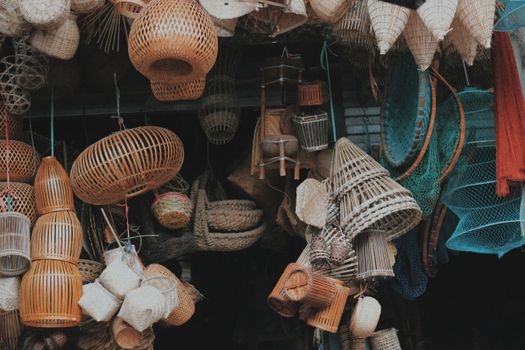
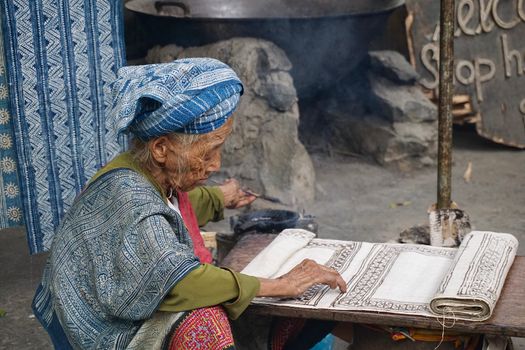
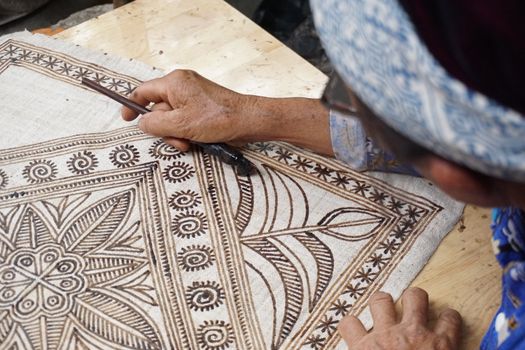
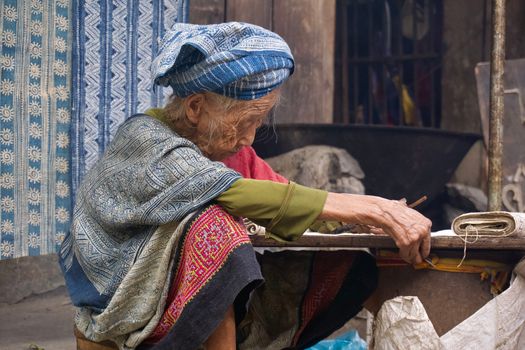
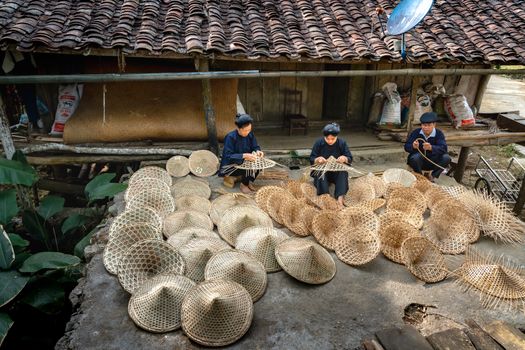
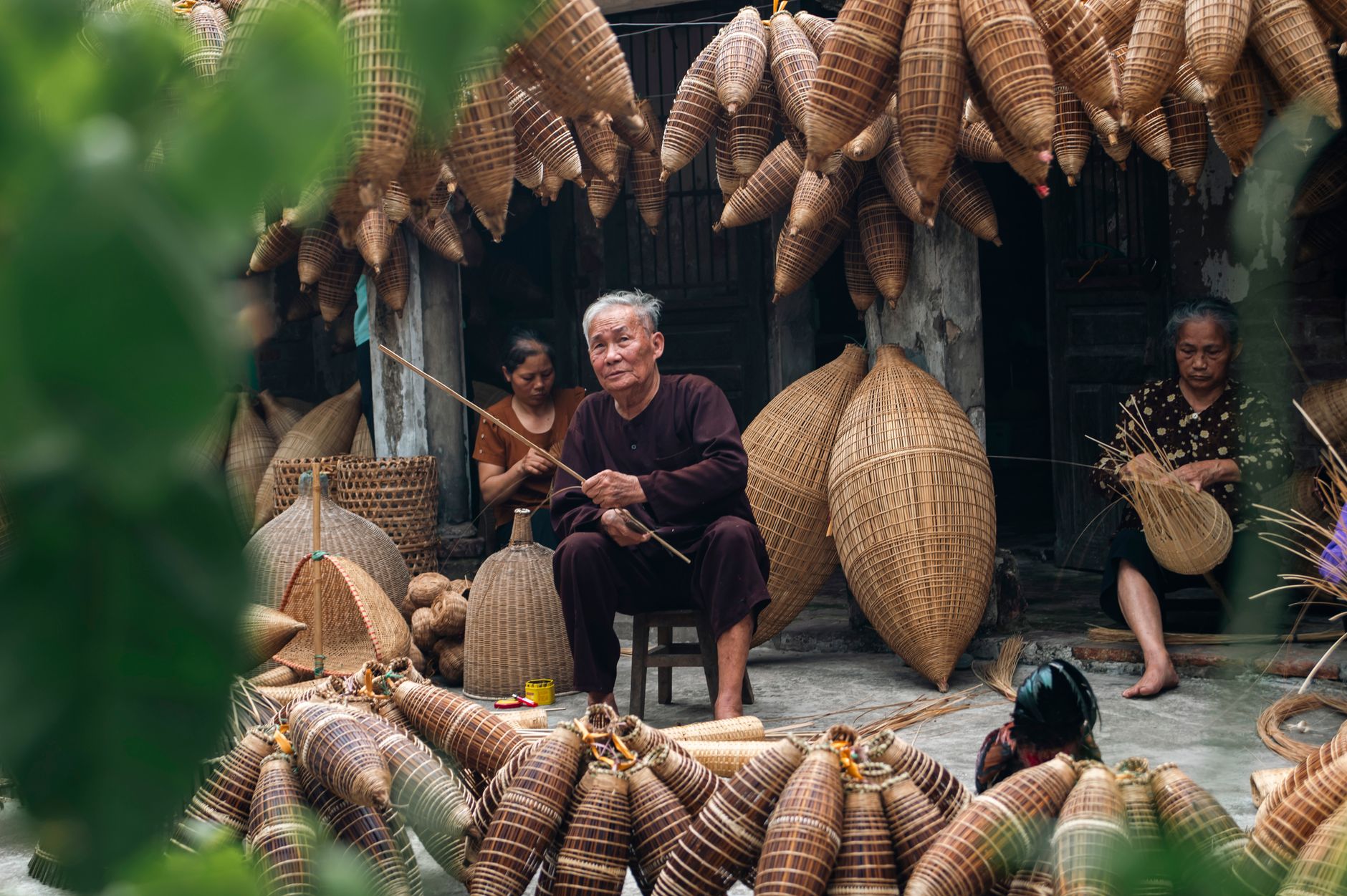
I stepped off the dusty bus, the midday sun beating down on my shoulders, and was immediately enveloped by a chorus of sounds. The rhythmic tap-tap-tap of a hammer on metal, the soft, almost melodic whir of a spinning wheel, and the murmur of voices speaking a language I barely understood, yet felt deeply connected to. The air was thick with the earthy scent of clay, the sweet perfume of drying herbs, and a faint, tantalizing hint of woodsmoke. This wasn't a museum exhibit; this was life, vibrant and pulsating, a testament to traditions stubbornly refusing to fade. I had arrived in a place where the past wasn't just remembered, it was being actively, beautifully, reborn. And it was the whispered recommendations of trusted travel advisors that had led me here, to a craft revival that was as much about preservation as it was about the sheer joy of creation.
The Rise of the Conscious Traveler: Why Craft Revivals Matter
In an era where mass-produced trinkets flood souvenir shops and the authenticity of experiences is increasingly questioned, a new breed of traveler is emerging. They seek more than just a pretty photo; they crave connection, purpose, and the profound satisfaction of knowing their journey makes a positive impact. This is where traditional craft revivals step into the spotlight. These are not static relics of the past; they are living, breathing ecosystems where ancient techniques are being rediscovered, adapted, and taught to a new generation. Travel advisors, privy to the pulse of responsible tourism, are increasingly highlighting these destinations, recognizing their immense value – not just culturally, but economically and socially.
Why should you care about craft revivals?
- Preservation of Cultural Heritage: Crafts are tangible links to a community's history, beliefs, and identity. Supporting them ensures these skills and stories aren't lost to time.
- Economic Empowerment: By purchasing directly from artisans, you provide fair wages, stimulate local economies, and offer a sustainable alternative to more exploitative industries.
- Authentic Experiences: Engaging with craftspeople offers unparalleled insight into their way of life, fostering genuine human connection and understanding.
- Unique, Meaningful Souvenirs: Imagine returning home with a hand-painted ceramic piece or a intricately woven textile, each imbued with the story of its maker and its journey.
Hidden Havens: Travel Advisor Picks for Craft Revival Hotspots
Our network of elite travel advisors has scoured the globe, identifying destinations where traditional crafts are not just surviving, but thriving, thanks to renewed interest and crucial tourist support. These are places where your visit directly contributes to the continuation of these precious skills.
1. Oaxaca, Mexico: The Ceramic Heartbeat of the Isthmus
Oaxaca is a kaleidoscope of color and tradition, and its ceramic heritage is particularly vibrant. While many know of the black pottery of San Bartolo Coyotepec, the revival extends to other villages, breathing new life into intricate designs and ancient firing techniques.
- The Craft: Barro Negro (black pottery), Barro Rojo (red pottery), Alebrijes (fantastical carved creatures, often painted with intricate patterns).
- The Revival: Younger generations are returning to their ancestral villages, learning from elders and experimenting with contemporary designs while respecting traditional methods. Community-run workshops are flourishing, offering hands-on experiences.
- Pro-Tip: Visit the village of Coyotepec early in the morning. You can often witness the potters at work, shaping clay from dawn. Look for the small, unmarked workshops tucked away from the main road for the most authentic encounters.
- Insider Lingo: Ask about engobes (clay-based slips used for decoration) and the unique smoke-firing process that gives barro negro its distinctive sheen.
Quick Facts: Oaxaca Ceramics
| Category | Details | Estimated Cost ($) |
| :-------------- | :----------------------------------------------------- | :----------------- |
| Best Time | November - March (dry season) | N/A |
| How to Get There | Fly into Oaxaca International Airport (OAX) | $300 - $800 (flights) |
| Local Transport | Taxis, colectivos (shared vans) | $5 - $20 per day |
| Workshop | Half-day introductory workshop | $50 - $100 |
| Ceramic Piece | Small decorative piece | $15 - $50 |
| | Larger, more intricate piece | $100 - $500+ |
2. Kyoto, Japan: The Whispers of Nishijin Silk
Kyoto, the former imperial capital, is a treasure trove of Japanese arts. The Nishijin district, once the heart of Kyoto's textile industry, has seen a remarkable resurgence in its exquisite silk weaving.
- The Craft: Nishijin-ori (brocade silk weaving), known for its intricate patterns and opulent textures used in kimonos and obi sashes.
- The Revival: Faced with declining demand, Nishijin weavers have embraced innovation. They are now creating contemporary textiles for interior design, fashion accessories, and even collaborating with modern artists. Many workshops offer tours and demonstrations, allowing visitors to witness the painstaking process.
- Pro-Tip: Seek out the smaller, family-run weaving studios. Many offer private appointments where you can speak directly with the artisans and perhaps even try your hand at a simple loom. The Nishijin Textile Center offers excellent demonstrations but can be crowded.
- Insider Lingo: Look for the term tsumugi (pongee silk), a slightly coarser but incredibly durable and beautiful silk often used in everyday wear.
Quick Facts: Kyoto Silk Weaving
| Category | Details | Estimated Cost ($) |
| :-------------- | :----------------------------------------------------- | :----------------- |
| Best Time | Spring (March-May) or Autumn (September-November) | N/A |
| How to Get There | Fly into Kansai International Airport (KIX) | $800 - $1500 (flights) |
| Local Transport | Subway, buses, walking | $10 - $20 per day |
| Workshop/Tour | Nishijin Textile Center demonstration | Free (optional purchases) |
| | Private studio tour and mini-workshop | $75 - $150 |
| Silk Item | Handkerchief or small accessory | $30 - $70 |
| | Obi sash (can be very expensive) | $500 - $3000+ |
3. Marrakech, Morocco: The Zellige Mosaic Renaissance
The intricate geometric mosaics of Morocco, known as zellige, are an art form that captivates the eye. While historically a craft of palaces and mosques, a dedicated revival is ensuring its survival and adaptation for modern spaces.
- The Craft: Zellige tilework, characterized by hand-chiseled tiles of various shapes and colors, meticulously assembled into complex geometric patterns.
- The Revival: Artisan cooperatives and private workshops are training new generations in the precise art of tile cutting and pattern design. This revival is not just about preserving the technique but also about finding new applications for zellige in contemporary architecture and design.
- Pro-Tip: Venture beyond the main tourist souks to find authentic zellige workshops. Ask your hotel concierge or a trusted local guide to direct you to the workshops where artisans are actively cutting and assembling tiles, not just selling finished pieces. The smell of the wet clay and the sharp clink of chisel on tile is intoxicating.
- Insider Lingo: Understand the difference between zellige and other Moroccan tilework. True zellige is unglazed, hand-cut, and assembled without grout, relying on the precision of the tile fit.
Quick Facts: Marrakech Zellige
| Category | Details | Estimated Cost ($) |
| :-------------- | :----------------------------------------------------- | :----------------- |
| Best Time | Spring (March-May) or Autumn (September-November) | N/A |
| How to Get There | Fly into Marrakech Menara Airport (RAK) | $600 - $1200 (flights) |
| Local Transport | Taxis, walking in the Medina | $5 - $15 per day |
| Workshop Visit | Observation only | Free (tips appreciated) |
| Zellige Piece | Small coaster or decorative tile | $10 - $30 |
| | Larger decorative panel | $100 - $500+ |
4. Cusco, Peru: The Andean Textile Revival
The vibrant, intricately woven textiles of the Andes are renowned worldwide. In the Cusco region, a powerful revival is empowering indigenous women and preserving ancestral weaving techniques.
- The Craft: Traditional Andean weaving using natural dyes and ancient patterns passed down through generations, often depicting local flora, fauna, and cultural symbols.
- The Revival: Organizations and cooperatives are working directly with indigenous communities, providing fair wages, training in natural dye techniques, and marketing support. This ensures that the art form is economically viable for the weavers.
- Pro-Tip: Visit the Center for Traditional Textiles of Cusco (CTTC). This organization is a shining example of a successful revival, offering invaluable insights, demonstrations, and a chance to purchase directly from weavers. Engage with the weavers; ask about the meaning of the symbols in their designs.
- Insider Lingo: Learn about the different types of wool used, such as alpaca, vicuña, and llama, and the significance of specific patterns like the pallay (symbolic motifs).
Quick Facts: Cusco Textiles
| Category | Details | Estimated Cost ($) |
| :-------------- | :----------------------------------------------------- | :----------------- |
| Best Time | Dry Season (May - October) | N/A |
| How to Get There | Fly into Alejandro Velasco Astete International Airport (CUZ) | $700 - $1300 (flights) |
| Local Transport | Taxis, walking | $5 - $15 per day |
| Workshop Visit | CTTC demonstrations and tours | Free (donations welcome) |
| Textile Piece | Small woven bookmark or coaster | $10 - $25 |
| | Scarf or small wall hanging | $50 - $150 |
| | Larger blanket or tapestry | $200 - $1000+ |
The Art of Responsible Engagement: Making Your Support Count
Visiting these craft revival destinations is more than just a vacation; it's an opportunity to be a conscious traveler. Here's how to ensure your support is truly impactful:
- Buy Directly: Whenever possible, purchase directly from the artisans or through reputable cooperatives. This ensures they receive the maximum benefit from your purchase.
- Ask Questions: Show genuine interest. Ask about their techniques, the materials they use, and the stories behind their creations. This not only enriches your experience but also validates their craft.
- Respect Their Time: Artisans are often working on commission or preparing for market. Be mindful of their schedules and avoid demanding their attention when they are clearly busy.
- Learn a Few Phrases: Even a simple "thank you" in the local language can go a long way in building rapport.
- Be Mindful of Photography: Always ask for permission before taking photos of artisans or their work. Some may have specific policies regarding photography.
- Seek Out Workshops: Participating in a hands-on workshop is an incredible way to understand the skill and dedication involved. It’s an investment in your own learning and directly supports the continuation of the craft.
Beyond the Souvenir: The Lasting Impact of Your Journey
When you choose to travel to destinations actively supporting craft revivals, you're doing more than just acquiring a beautiful object. You are:
- Investing in a Future: Your purchase helps fund tools, materials, and education for the next generation of artisans.
- Preserving Intangible Heritage: You are a vital part of keeping ancient techniques and cultural narratives alive.
- Fostering Cultural Exchange: You are building bridges of understanding and appreciation between cultures.
- Creating Memories That Matter: The story behind your purchase, the faces of the artisans you met, and the skills you witnessed will become treasured memories, far more valuable than any mass-produced item.
So, the next time you plan a trip, consider stepping off the beaten path. Listen to the whispers of our travel advisors, seek out the vibrant hum of craft revivals, and become a traveler who not only sees the world but helps to preserve its most precious artistry.
---