Chasing the Dawn: Photography Locations Worth Sunrise Missions Travel Advisors Suggest
I stepped off the overnight train in Kyoto, the crisp pre-dawn air carrying the faint scent of damp earth and distant temple incense. The city was still asleep, a hushed anticipation hanging in the indigo sky. My mission? To witness and capture the iconic Fushimi Inari Shrine as the first rays of sun pierced through its thousands of vermilion torii gates. This wasn't just about a pretty picture; it was about an experience, a moment of quiet magic that only a sunrise mission can deliver. And trust me, when travel advisors speak of sunrise, they’re talking about the kind of memories that last a lifetime.
For years, I’ve traded sleep for spectacular sunrises, guided by the wisdom of those who know travel intimately – the advisors themselves. They’re not just booking flights; they’re curating experiences, and for photographers and adventurers alike, a well-chosen sunrise location can be the pinnacle of any trip. So, pack your warmest layers, charge your batteries, and let’s explore some of the most awe-inspiring photography locations that are absolutely worth the early wake-up call.
1. The Mystical Gates of Fushimi Inari Shrine, Kyoto, Japan
The sheer scale of Fushimi Inari is breathtaking, but experiencing it bathed in the soft, ethereal light of dawn is something else entirely. As you ascend the mountain, the endless procession of vibrant torii gates creates a surreal tunnel, each one a donation from individuals and businesses. The early morning stillness amplifies the spiritual atmosphere, and the shafts of golden light filtering through the trees and gates are pure photographic gold.
Pro-Tip:
Arrive at the shrine entrance by 5:30 AM, especially during peak seasons. The main path can get crowded quickly. For truly unique shots, venture onto some of the smaller, less-trodden side paths. The air is cool, and the only sounds are your own footsteps and the rustling leaves.
Quick Facts:
* Estimated Cost: Free entry. Train fare to Fushimi-Inari Station (JR Nara Line) is minimal (approx. $2-3 USD).
* Best Time to Visit: Year-round, but autumn offers stunning foliage, and spring brings delicate cherry blossoms. Aim for 5:30 AM.
* How to Get There: Take the JR Nara Line to Inari Station, which is directly opposite the shrine entrance. Alternatively, take the Keihan Main Line to Fushimi-Inari Station (a short walk away).
Insider Lingo:
“The kitsune (fox) statues are believed to be messengers of Inari. Look for the keys or jewels they hold – symbolic of a granary key or the jewel of wisdom.”
2. The Timeless Majesty of Angkor Wat, Cambodia
Watching the sun rise behind the colossal spires of Angkor Wat is a bucket-list item for a reason. The silhouette of this ancient Khmer temple complex against a sky painted in hues of orange, pink, and purple is an image seared into the minds of many travelers. The reflection pools in front of the main temple offer that classic, postcard-perfect shot, but the magic extends far beyond.
Pro-Tip:
Purchase your Angkor Pass the evening before to save time. For the most iconic reflection shot, secure a spot at the main reflection pool by 5:00 AM. Venture to the lesser-known East Mebon or Pre Rup temples for equally stunning, but less crowded, sunrise vistas. The gentle chanting from nearby monks can often be heard as the day begins.
Quick Facts:
* Estimated Cost: Angkor Pass (1-day) is $37 USD. Tuk-tuk hire for sunrise is typically $15-25 USD.
* Best Time to Visit: November to March (dry season) offers clearer skies. Aim for 5:00 AM.
* How to Get There: Hire a tuk-tuk or private driver from Siem Reap. They will pick you up well before dawn and wait for you.
Insider Lingo:
“Don’t just shoot the sunrise from the front. Explore the galleries and courtyards as the light changes; the bas-reliefs tell incredible stories and look spectacular in the early morning glow.”
3. The Dramatic Landscapes of the Scottish Highlands, Scotland
The rugged, untamed beauty of the Scottish Highlands is amplified tenfold at sunrise. Imagine mist rolling through ancient glens, glinting off lochs, and illuminating the heather-clad hillsides. Whether it's the iconic view of the Old Man of Storr on the Isle of Skye or the brooding grandeur of Glencoe, the dawn here is raw, powerful, and utterly captivating for photographers.
Pro-Tip:
For Skye, the Old Man of Storr hike takes about 45-60 minutes. Leave your accommodation by 4:00 AM to reach the viewpoint in time. Wear waterproofs – the weather can change in an instant. The silence here, broken only by the cry of a bird or the distant bleating of sheep, is profound.
Quick Facts:
* Estimated Cost: Accommodation ($80-200+ USD/night). Car rental is essential ($50+ USD/day). Fuel costs.
* Best Time to Visit: Spring (April-May) and Autumn (September-October) offer dramatic light and fewer midges than summer. Aim for 4:30 AM depending on location.
* How to Get There: Fly into Glasgow or Edinburgh, rent a car, and drive north. For Skye, cross the Skye Bridge or take the Mallaig ferry.
Insider Lingo:
“The wind is your friend and foe here. Use it to create moody shots, but be prepared for it to whip your gear around. Look for the 'wee burns' (small streams) that catch the light beautifully.”
4. The Urban Symphony of Manhattan, New York City, USA
While natural landscapes often dominate sunrise discussions, don't underestimate the urban sunrise. As the first light hits the skyscrapers of Manhattan, it paints a cityscape that’s both majestic and dynamic. The energy of New York is palpable, even in the quiet pre-dawn hours, and witnessing its awakening is a truly special experience.
Pro-Tip:
Head to Brooklyn Bridge Park for unparalleled views of the Manhattan skyline. Aim to be there by 5:30 AM during summer. For a more unique perspective, consider the elevated sections of the High Line or the Roosevelt Island Tramway for panoramic city views as the sun climbs. The smell of street vendor coffee and bagels begins to fill the air.
Quick Facts:
* Estimated Cost: Free to access parks and bridges. Subway fare ($2.90 USD per ride).
* Best Time to Visit: Year-round, but clearer winter mornings offer crisp views. Aim for 5:30 AM in summer, later in winter.
* How to Get There: Take the NYC Subway to Clark Street (2, 3 trains) or High Street (A, C trains) for Brooklyn Bridge Park.
Insider Lingo:
“The buildings themselves become canvases. Look for how the light catches the glass and steel, creating geometric patterns. The early morning ferry wakes are a great photo opportunity too.”
5. The Ancient Grandeur of Petra, Jordan
Entering the Siq, the narrow canyon leading to Petra, in the pre-dawn darkness is an adventure in itself. As the sun begins to rise, it casts an incredible warm glow on the rose-red rock, illuminating the Treasury (Al-Khazneh) in a way that feels almost otherworldly. The sheer scale and intricate carvings of this ancient Nabataean city are amplified by the dramatic light.
Pro-Tip:
Enter Petra as soon as it opens (usually 6:00 AM). The walk through the Siq takes about 30-45 minutes. For the best light on the Treasury, arrive at the main plaza by 6:30 AM. Consider hiring a local Bedouin guide for insights into the history and hidden viewpoints. The air carries a dry, ancient scent, tinged with the faint aroma of desert herbs.
Quick Facts:
* Estimated Cost: Petra entry fee (multi-day passes are more cost-effective if you plan to explore). Wadi Musa hotels ($50-150+ USD/night).
* Best Time to Visit: Spring (March-May) and Autumn (September-November) offer pleasant temperatures. Aim for 6:00 AM entry.
* How to Get There: Fly into Queen Alia International Airport (AMM) near Amman and take a bus or taxi to Wadi Musa, the town adjacent to Petra.
Insider Lingo:
“The play of light and shadow in the Siq is incredible. Don't rush the walk; let the towering walls and the anticipation build. The Monastery (Ad-Deir) is a strenuous but rewarding hike for sunrise too, offering panoramic desert views.”
6. The Volcanic Majesty of Haleakala National Park, Hawaii, USA
Standing above the clouds on the summit of Haleakala volcano, watching the sunrise paint the sky in a spectacle of vibrant colors, is an unforgettable experience. The vast volcanic crater below resembles an alien landscape, and the sun’s rays piercing through the clouds create a surreal, magical atmosphere. It feels like you’re on top of the world, witnessing creation itself.
Pro-Tip:
Reservations are required for sunrise viewing at Haleakala Summit (book well in advance!). Arrive at the summit by 4:00 AM to secure a good spot. Dress in layers – it can be surprisingly cold at 10,000 feet. The air here is thin and crisp, carrying the faint scent of volcanic rock and distant sea spray.
Quick Facts:
* Estimated Cost: Park entrance fee ($30 USD per vehicle). Sunrise viewing reservation ($1 USD per vehicle).
* Best Time to Visit: Year-round, but clear winter mornings offer the best visibility. Aim for 4:00 AM.
* How to Get There: Drive from your accommodation on Maui. It’s a significant drive (1.5-2 hours from Kaanapali/Lahaina), so plan accordingly.
Insider Lingo:
“The word 'Haleakala' means 'House of the Sun.' Embrace the altitude; hydrate well. Look for the 'brocken spectre' – your shadow cast onto the clouds below, often surrounded by a rainbow halo.”
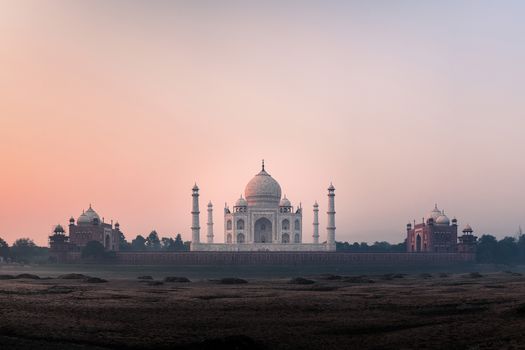
7. The Serene Beauty of the Taj Mahal, India
While the Taj Mahal is stunning at any time of day, witnessing its marble facade glow with the soft, warm light of sunrise is a profoundly moving experience. The crowds are significantly thinner, and the air is filled with a tranquil peace that allows you to truly appreciate the architectural marvel and its poignant story. The gentle morning breeze carries the faint scent of jasmine from nearby gardens.
Pro-Tip:
Arrive at the East Gate (preferred for sunrise) by 5:30 AM. Purchase your tickets online in advance to save time. Explore the gardens and the mosque on either side of the Taj Mahal as the light shifts. The reflection pool offers that iconic shot, but don't neglect the intricate inlay work visible in the early morning glow.
Quick Facts:
* Estimated Cost: Entry fee (approx. $15-20 USD for foreigners). Auto-rickshaw or taxi to the gate.
* Best Time to Visit: October to March (cooler months). Aim for 5:30 AM entry.
* How to Get There: Fly into Agra Airport (AGR) or take a train from Delhi or other major cities to Agra Cantt or Agra Fort stations.
Insider Lingo:
“The ‘pietra dura’ inlay work is breathtaking up close. The symmetry is astounding. Capture the way the light softens the marble, giving it a pearlescent sheen.”
---