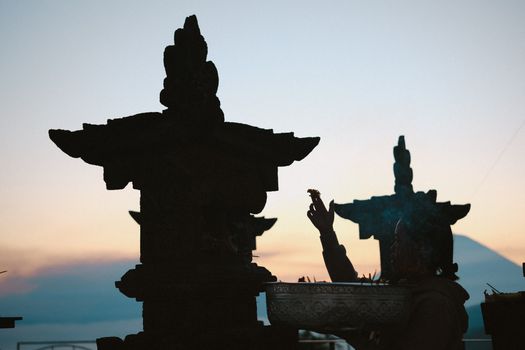
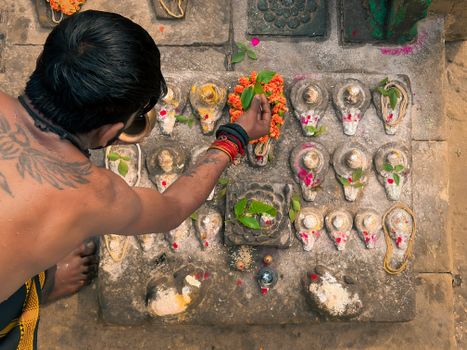
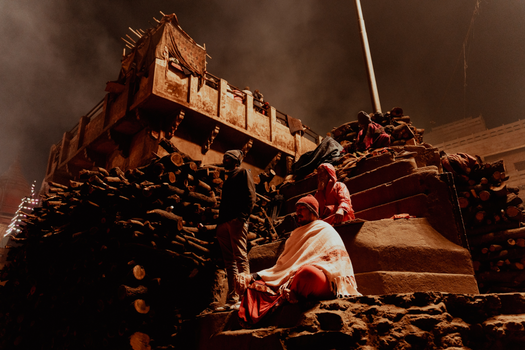
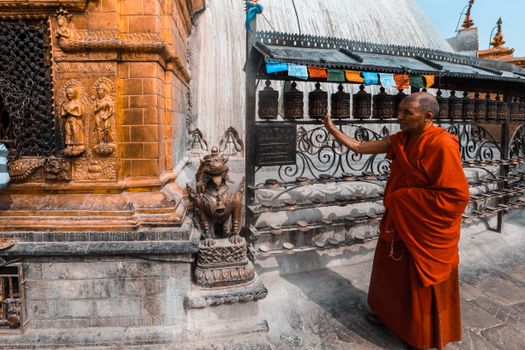
The air was thick with incense, the chanting a rhythmic hum that vibrated through my chest, and the cool river water swirled around my ankles as I released a small, flickering lamp into the sacred Ganges. It wasn't just a sight; it was a sensation, a moment of profound connection that transcended language and culture. That evening in Varanasi wasn't just a travel memory; it was a spiritual awakening, a reminder that the most powerful journeys often involve stepping out of observation and into participation.
For years, I chased the perfect photo, ticking off bucket list landmarks. But somewhere along the way, the thrill started to wane. I craved something more – a deeper understanding, a genuine connection, a story that wasn't just mine to tell, but one I was a part of. That's when I discovered the magic of traditional ceremonies. These aren't just performances for tourists; they are living traditions, rituals passed down through generations, offering a window into the soul of a culture. And the best part? Many of them welcome respectful participation, transforming your trip from a mere vacation into a truly immersive, sometimes even life-changing, adventure.
The trend for experiential travel is booming, and travelers are actively seeking ways to engage beyond the usual tourist traps. Participating in a traditional ceremony is at the forefront of this movement, offering not just a unique story but a chance for personal growth and a deeper appreciation for our world's diverse tapestry. So, if you're ready to ditch the passive observer role, grab your passport, and prepare for an adventure that will nourish your spirit and fill your feed with genuinely meaningful moments. Here are six incredible traditional ceremonies you can participate in right now, complete with my personal insights and practical tips.
1. The Sacred Waters of Bali: Melukat Purification Ceremony
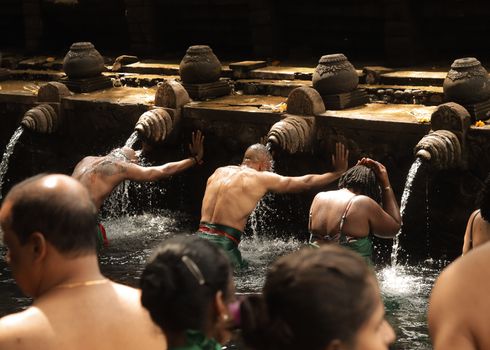
My first encounter with a Balinese Melukat ceremony was at Tirta Empul, the famous holy water temple. I remember feeling a mix of excitement and apprehension as I watched locals, serene and focused, move through the various spouts, each offering a unique blessing. Could I, a complete outsider, truly participate in such a sacred ritual? The answer, I quickly learned, was a resounding yes, provided I approached it with an open heart and genuine respect.
What it is:
Melukat is a Balinese Hindu purification ritual designed to cleanse the body, mind, and spirit of negative energies, impurities, and bad karma. It typically involves bathing in holy spring water, often accompanied by prayers and offerings. It's a deeply personal and spiritual experience, aimed at restoring balance and inner peace.
My Experience:
Guided by a local friend, I donned a traditional sarong and sash, offered a small canang sari (flower offering) at the temple, and stepped into the cool, crystal-clear pools. Moving from spout to spout, letting the sacred water wash over me, I felt a profound sense of calm. It wasn't just physical cleansing; it felt like a release, a moment of shedding worries and embracing renewal. The air hummed with devotion, and for a brief time, I felt utterly connected to the island's spiritual heart.
Where to Go & How to Participate:
* Tirta Empul Temple: The most famous and accessible, located near Ubud. You'll find clear instructions and changing facilities.
* Pura Sebatu / Mengening Temple: Less crowded alternatives, offering a more tranquil experience.
* Private Retreats/Homestays: Many offer guided Melukat experiences, sometimes with a local priest (pemangku) at their family temple.
Practical Tips:
* Dress Code: You must wear a sarong and sash (available for rent at temples, usually 10,000-20,000 IDR, or bring your own). Women should tie their hair up.
* Offerings: Small offerings (canang sari) are customary and can be bought at the temple entrance for a few thousand IDR.
* Guidance: Consider hiring a local guide (around 200,000-500,000 IDR for a few hours, depending on negotiation and services) who can explain the process, meaning of each spout, and ensure you observe proper etiquette.
* Respect: Approach the ceremony with reverence. Avoid loud talking, maintain modesty, and no kissing/public displays of affection.
* Cost: Temple entrance fees are typically 15,000-50,000 IDR. Donations are appreciated.
Instagram-worthy Moment:
The serene pools, the vibrant green surroundings, and the sense of peace on your face as the sacred waters wash over you. #BaliMelukat #SpiritualJourney #WaterPurification
2. Whispers to the Earth Mother: Peruvian Pachamama Despacho
High in the Peruvian Andes, with the mist clinging to ancient peaks, I found myself sitting in a circle of fellow travelers and a local Q’ero shaman. Before us lay an intricate "despacho" – a vibrant, edible offering to Pachamama, Mother Earth. This wasn't just a cultural demonstration; it was a heartfelt plea and an act of profound gratitude.
What it is:
A Despacho ceremony is an ancient Andean ritual of gratitude and reciprocity, where an offering is made to Pachamama (Mother Earth) and the Apus (Mountain Spirits) for balance, healing, and abundance. It's a beautiful way to connect with the indigenous cosmology and express respect for nature.
My Experience:
The shaman, with his weathered face and knowing eyes, explained the significance of each item we carefully placed on the offering cloth: coca leaves for connection, seeds for abundance, sweets for a sweet life, even small pieces of our hair for personal connection. As we collectively breathed our intentions into the offering, and later watched it burn, I felt an incredible sense of connection to the land and its ancient wisdom. It was a humbling reminder of our place within the natural world.
Where to Go & How to Participate:
* Cusco & The Sacred Valley: Many reputable tour operators and spiritual guides in these areas offer Despacho ceremonies.
* Machu Picchu Treks: Some multi-day treks (like the Lares Trek) incorporate a Despacho ceremony with local communities.
Practical Tips:
* Finding a Shaman: Seek out reputable tour companies or ask for recommendations for authentic Q'ero or local shamans. Avoid overly commercialized or exploitative offerings.
* Openness: Be open to the spiritual and symbolic nature of the ceremony.
* Intention: Come with a clear intention – whether it's gratitude, healing, or a wish for the future.
* Cost: Varies widely. A group ceremony might be included in a tour package (e.g., $50-$150), while a private session with a respected shaman could range from $100-$300+.
Instagram-worthy Moment:
The intricate, colorful despacho laid out against a backdrop of stunning Andean mountains, or a moment of quiet reflection during the ritual. #Pachamama #AndeanRitual #SacredValleyPeru
3. Blessings from the Monks: Thai Temple Rituals
Stepping into a Thai temple, even as a tourist, immediately instills a sense of calm. The intricate gold leaf, the fragrant incense, the soft murmur of prayers – it’s an assault on the senses in the most beautiful way. While observing is powerful, receiving a blessing from a Buddhist monk is an experience that stays with you long after you leave.
What it is:
Many Thai temples offer short blessing ceremonies for visitors, often involving monks chanting, sprinkling holy water, and sometimes tying a white string (sai sin) around your wrist for good luck and protection. It's a way to receive positive energy and merit.
My Experience:
In a quiet corner of a temple in Chiang Mai, after offering a small donation and a lotus flower, I knelt before a monk. His chanting was melodic, soothing, and though I didn't understand the words, the intention was clear. As he gently sprinkled water over my head and tied a sai sin bracelet on my wrist, I felt a wave of peace. It was a simple act, but deeply meaningful, a tangible connection to a profound spiritual tradition.
Where to Go & How to Participate:
* Major Temples: Wat Arun, Wat Pho (Bangkok), Doi Suthep, Wat Phra Singh (Chiang Mai), various temples in Phuket. Look for signs or ask a local if blessings are offered to visitors.
* Monk Chats: Some temples offer "Monk Chat" programs where you can speak with monks, learn about Buddhism, and often receive a blessing afterward.
Practical Tips:
* Dress Modestly: Cover your shoulders and knees. Remove shoes before entering temple buildings.
* Respect: Women should not touch monks. If handing something to a monk, place it down or use a cloth. Bow slightly when greeting or leaving.
* Offerings/Donations: It's customary to make a small donation (often 20-100 THB) when receiving a blessing or to purchase flowers/incense.
* Observe: Watch how others behave and follow their lead.
* Cost: Usually a small donation.
Instagram-worthy Moment:
The intricate details of a temple, a respectful moment receiving a blessing (ask permission before photographing the monk directly), or your wrist adorned with a sai sin bracelet. #ThaiBlessing #TempleLife #BuddhistTradition
4. The Art of Serenity: Japanese Tea Ceremony (Chado)
My first Japanese tea ceremony was in a traditional machiya in Kyoto, a serene space of tatami mats and sliding paper doors. I expected a performance, but what I received was an initiation into a philosophy of mindfulness, respect, purity, and tranquility. It was an experience that slowed down time itself.
What it is:
Chado, the Way of Tea, is a highly ritualized preparation and serving of matcha (powdered green tea). It's more than just drinking tea; it's an art form, a meditative practice, and a profound expression of Japanese aesthetics and hospitality.
My Experience:
The host, moving with graceful precision, cleaned the utensils, whisked the vibrant green matcha, and presented it with a bow. Every movement was deliberate, every gesture imbued with meaning. Learning the etiquette – how to hold the bowl, how to turn it, how to appreciate the flavor – felt like unlocking a secret language. The quiet concentration, the bitter-sweet taste of the tea, and the serene atmosphere combined to create a truly unforgettable moment of peace and cultural immersion.
Where to Go & How to Participate:
* Kyoto: Known for its many tea houses and cultural centers offering authentic tea ceremony experiences (e.g., Maikoya, Tea Ceremony KOTO).
* Tokyo: Several places in Ginza, Asakusa, and Shinjuku offer experiences, often catering to tourists.
* Cultural Centers: Many cities have cultural centers that provide introductory tea ceremony classes.
Practical Tips:
* Book in Advance: Especially in popular cities like Kyoto, spaces fill up quickly.
* Wear Comfortable Clothing: You might be sitting on the floor (seiza style, or with leg room provided), so avoid restrictive clothing.
* Remove Shoes: Customary before entering the tea room.
* Listen & Observe: The host will guide you through the etiquette. Pay attention and try to emulate their movements.
* Cost: Typically ranges from ¥2,000 to ¥8,000 per person, depending on the length, location, and exclusivity of the experience.
Instagram-worthy Moment:
The vibrant green matcha in a beautiful ceramic bowl, the delicate tea utensils, the serene tatami room, or a graceful moment of the host preparing tea. #JapaneseTeaCeremony #Chado #Mindfulness #KyotoCulture
5. A Symphony of Light and Sound: India's Ganga Aarti
Nothing quite prepares you for Varanasi. It’s a city that assaults all your senses, but in the most intoxicating way. And the Ganga Aarti ceremony, performed every evening at the Dashashwamedh Ghat, is the city's pulsing heart. While largely observational, participating by offering a diya (flower lamp) to the sacred river elevates the experience.
What it is:
Ganga Aarti is a Hindu devotional ritual of worship, an offering of light and prayers to the Mother Ganges river. Priests perform elaborate rituals with multi-tiered lamps, incense, bells, and chanting, creating a mesmerizing spectacle of devotion.
My Experience:
I arrived by boat, jostling for a good view amidst hundreds of other boats and thousands of people packed onto the ghats. As the sun dipped below the horizon, the air filled with the rhythmic clang of bells, the deep boom of drums, and the synchronized movements of the priests. It was an overwhelming, almost hypnotic experience. Later, I bought a small diya – a bowl made of leaves, filled with flowers and a flickering candle – and gently placed it on the water. Watching my tiny light float away into the vastness of the river, surrounded by countless others, was a moment of profound spiritual connection and surrender.
Where to Go & How to Participate:
* Dashashwamedh Ghat, Varanasi: The most famous and grandest Ganga Aarti.
* Haridwar & Rishikesh: Smaller, but equally spiritual, Aarti ceremonies are held here.
Practical Tips:
* Arrive Early: For a good spot on the ghats (from 5:30 PM in winter, 6:30 PM in summer), or book a boat ride in advance to view from the river.
* Boat Ride: Highly recommended for the best views and a unique perspective (approx. 100-300 INR per person for a shared boat, negotiate).
* Offer a Diya: You'll find vendors selling diyas (flower lamps) for 20-50 INR. It's a beautiful way to participate in the offering.
* Be Mindful: It's crowded and can be intense. Keep your belongings secure and be respectful of the sacred space.
* Cost: Free to watch. Small cost for diyas and boat rides.
Instagram-worthy Moment:
Thousands of flickering lamps on the Ganges, the vibrant fire of the Aarti, the sheer scale of devotion, and the reflection of lights on the water. #GangaAarti #Varanasi #SpiritualIndia #RiverGanges
6. The Rhythmic Pulse of Africa: Maasai Welcome Dance
Deep in the heart of the Maasai Mara, after a thrilling safari, I found myself standing in a circle with Maasai warriors, their red shukas vibrant against the golden savanna. The chanting began, a deep, resonant sound, followed by the iconic "Adumu" or jumping dance. What started as an observation quickly turned into an invitation to join, and it was an electrifying experience.
What it is:
The Maasai, a semi-nomadic ethnic group in East Africa, are renowned for their distinctive culture, including their traditional dances. The Adumu, or jumping dance, is performed by Maasai warriors as a display of strength, agility, and prowess, often as part of a welcome ceremony for guests.
My Experience:
The warriors, with their tall, lean frames, leapt effortlessly into the air, their beaded jewelry clinking with each jump. Their voices rose and fell in a powerful chorus. Then, one of them gestured for me to join. Hesitantly at first, then with increasing enthusiasm, I tried to mimic their gravity-defying jumps. I was terrible, of course, but the laughter and encouragement were infectious. It wasn't just a dance; it was a celebration of community, strength, and a warm welcome that made me feel like an honorary member of their tribe.
Where to Go & How to Participate:
* Maasai Villages: Many tour operators offering safaris in Kenya and Tanzania (e.g., Maasai Mara, Amboseli, Serengeti, Ngorongoro Conservation Area) include a visit to a Maasai village.
* Cultural Centers: Some lodges or community-run centers offer cultural experiences, including dance.
Practical Tips:
* Ask Permission: Always ask permission before taking photos, especially of individuals.
* Respect Culture: Listen to your guide, understand local customs, and be respectful of their way of life.
* Support Local: If you buy crafts, remember you are supporting the community directly. Bargain respectfully.
* Engage: Don't be afraid to join in if invited! It's a sign of respect and appreciation.
* Cost: Village visits typically cost around $20-$50 per person, often paid directly to the community or included in your safari package.
Instagram-worthy Moment:
The vibrant red shukas, the impressive jumps of the warriors, the genuine smiles, and the stunning backdrop of the African savanna. #MaasaiCulture #AfricanAdventure #CulturalExchange #MaasaiDance
Why Participate? More Than Just a Photo Op
These aren't just items to tick off a list; they are opportunities for profound cultural immersion. By stepping into these sacred spaces and actively engaging, you:
- Gain Deeper Understanding: Move beyond superficial observation to truly grasp the values, beliefs, and traditions of a culture.
- Foster Connection: Build bridges with locals, creating more meaningful interactions than a simple transaction.
- Experience Personal Growth: Challenge your perceptions, open your mind, and perhaps even discover a new aspect of yourself.
- Support Local Communities: Many of these experiences directly support the preservation of cultural heritage and provide income for local people.
- Create Unforgettable Memories: These are the stories you'll tell for years, the moments that truly define your travels.
Essential Etiquette for Every Ceremony
To ensure your participation is respectful and enriching for everyone involved, keep these tips in mind:
- Do Your Research: Understand the basic meaning and customs of the ceremony beforehand.
- Dress Modestly: Always err on the side of caution. Covered shoulders and knees are generally a safe bet.
- Ask Permission (Always): For photos, for joining in, for anything that might be seen as intrusive. A simple "May I?" or "Is it okay?" goes a long way.
- Be Present & Respectful: Turn off your phone (or put it on silent), minimize distractions, and focus on the experience.
- Follow Local Guidance: If a local guide or host gives you instructions, follow them precisely.
- Leave No Trace: Be mindful of your environmental impact, especially in sacred natural spaces.
Ready to Transform Your Journey?
Stepping into a traditional ceremony is a powerful act of travel. It’s an invitation to connect, to learn, and to grow in ways that simply sightseeing can’t offer. These trending experiences are a testament to the enduring power of culture and the universal human desire for meaning. So, which ceremony will be the highlight of your next adventure? Will you seek purification in Bali, offer gratitude in Peru, or dance with warriors in the Maasai Mara?
Tell us in the comments below: Have you participated in a traditional ceremony abroad? What was your most transformative experience? Share your stories and inspire fellow travelers to dive deeper!
Don't forget to share this post with your travel buddies who are looking for truly authentic experiences!
---