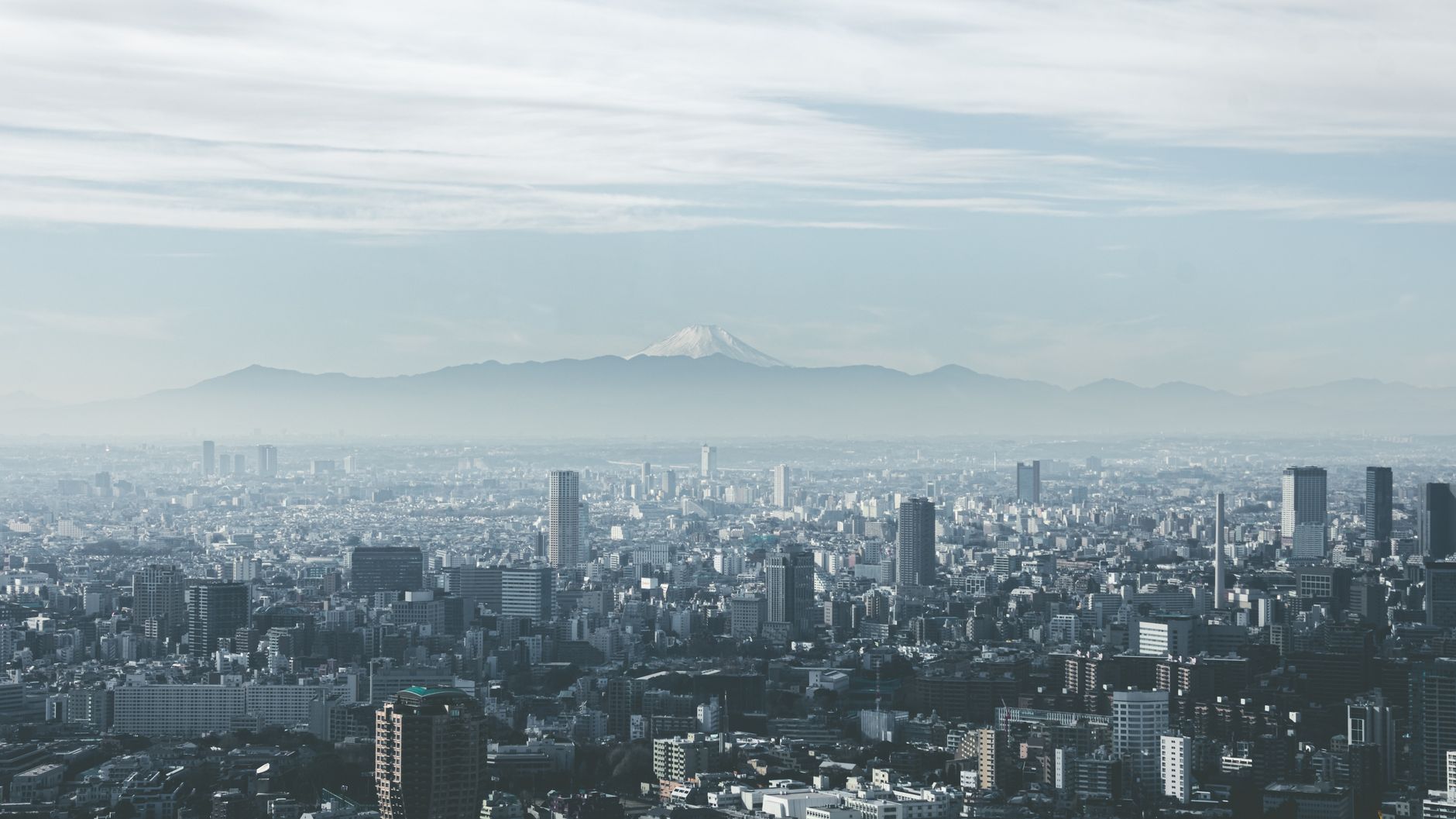
For any Tokyo first time visitor guide, understanding the city's scale and efficient public transport system is paramount. This sprawling metropolis offers an unparalleled blend of traditional culture and futuristic innovation, and a well-structured itinerary ensures you experience its highlights without feeling rushed. From iconic landmarks to culinary delights, preparing for your trip with practical advice on logistics and local customs will enhance your journey significantly.
Quick Facts: Your Tokyo First Time Visitor Guide At a Glance
| Category | Details |
|---|---|
| Best Time to Visit | Spring (March-May) for cherry blossoms; Autumn (Sept-Nov) for pleasant weather and foliage. |
| Typical Costs (per day, approx. £) | Budget: £50-£80; Mid-range: £100-£150; Luxury: £200+ (excluding flights/major hotels). |
| Getting There | Fly into Narita (NRT) or Haneda (HND) International Airports. |
| Getting Around | Extensive and efficient train and subway network. IC cards (Suica/Pasmo) are essential. |
| Recommended Stay | At least 3-5 full days to cover major highlights; 7+ days for deeper exploration. |
| Currency | Japanese Yen (JPY). Cash is still widely used, especially at smaller establishments. |
Note: All prices are approximate and subject to change. Always check current exchange rates and prices before travel.
Where to Stay in Tokyo: Neighbourhoods for Every Traveller
Choosing the right neighbourhood can significantly impact your Tokyo experience. Consider your priorities: nightlife, culture, shopping, or a quieter atmosphere.
Shinjuku: Bright Lights and Convenience
Shinjuku is a popular choice for first-timers due to its excellent transport links, diverse entertainment, and wide range of accommodation. Here you'll find towering skyscrapers, the neon-lit Kabukicho district, and the serene Shinjuku Gyoen National Garden. It's a fantastic base for exploring.
- Pros: Central, major transport hub, abundant dining and shopping, vibrant nightlife.
- Cons: Can be very busy and overwhelming.
Shibuya: Fashion, Youth Culture, and Iconic Crossings
Famous for the Shibuya Scramble Crossing, this district is the epicentre of youth fashion and culture. It's lively, energetic, and packed with shopping, dining, and entertainment options. Shibuya is well-connected and offers a dynamic atmosphere.
- Pros: Iconic sights, trendy shops, lively atmosphere, good transport.
- Cons: Can be crowded and noisy, especially in the evenings.
Asakusa: Traditional Charm and History
For a taste of old Tokyo, Asakusa is ideal. Home to the Senso-ji Temple, Tokyo's oldest temple, and Nakamise-dori market, it offers a more traditional and relaxed pace. It's less central but still well-connected by subway.
- Pros: Historic atmosphere, cultural sights, traditional dining, quieter evenings.
- Cons: Less nightlife, slightly further from some modern attractions.
Ginza: Upscale Shopping and Fine Dining
Ginza is Tokyo's premier luxury shopping district, known for its department stores, designer boutiques, and high-end restaurants. It offers a sophisticated atmosphere and is centrally located, making it convenient for exploring other areas. Accommodation here tends to be pricier.
- Pros: Central, upscale dining and shopping, elegant atmosphere.
- Cons: Higher accommodation costs, less budget-friendly dining.
Pro tip: When booking accommodation, check the nearest train or subway station. Proximity to a major line (like the Yamanote Line or a central subway line) will save you significant travel time.
Getting to and from Tokyo's Airports
Tokyo is served by two major international airports: Narita (NRT) and Haneda (HND).
Narita International Airport (NRT)
Narita is further from central Tokyo (approx. 60-90 minutes). Key transport options include:
- Narita Express (N'EX): Direct train service to major stations like Tokyo, Shinjuku, Shibuya, and Ikebukuro. Comfortable, reserved seating. Approx. £25-£35 one-way.
- Keisei Skyliner: Faster train service to Ueno and Nippori stations. Approx. £15-£20 one-way.
- Airport Limousine Bus: Connects Narita to various hotels and major stations across Tokyo. Convenient if your hotel is a stop. Approx. £20-£30 one-way.
Haneda International Airport (HND)
Haneda is much closer to central Tokyo (approx. 20-40 minutes) and often preferred for convenience.
- Keikyu Line: Connects directly to Shinagawa Station, from where you can transfer to other lines. Approx. £3-£5 one-way.
- Tokyo Monorail: Connects to Hamamatsucho Station, where you can transfer to the JR Yamanote Line. Approx. £3-£5 one-way.
- Airport Limousine Bus: Similar to Narita, connecting to various hotels and stations. Approx. £8-£12 one-way.
Getting Around Tokyo: Master the Public Transport
Tokyo's public transport system is world-class: efficient, extensive, and punctual. The subway and JR train lines are your primary means of getting around.
IC Cards: Suica or Pasmo
These rechargeable smart cards are indispensable. Simply tap in and out at ticket gates. They work on almost all trains, subways, and buses in Tokyo, and can even be used for purchases at convenience stores and vending machines. You can buy them at ticket machines at any major station. A deposit of approx. £3 is required, which is refundable when you return the card.
Japan Rail (JR) Lines
The JR Yamanote Line is a circular route connecting many of Tokyo's major hubs (Shinjuku, Shibuya, Tokyo Station, Ueno, Ikebukuro). It's often the quickest way to get between these popular districts.
Tokyo Metro and Toei Subway Lines
These extensive subway networks cover areas not reached by JR lines. Understanding which line to take and where to transfer is key. Google Maps is excellent for real-time navigation.
Walking
Many districts are best explored on foot. Be prepared for a lot of walking, especially when navigating large stations or exploring neighbourhoods.
Pro tip: Download a reliable navigation app like Google Maps or Japan Transit Planner (Jorudan/Navitime). These apps provide accurate train times, platform numbers, and transfer information, making navigation simple even for a Tokyo first time visitor guide.
What to Book in Advance for Your Tokyo Trip
Some popular attractions and experiences in Tokyo require advance booking, especially during peak seasons.
- Ghibli Museum: Tickets are notoriously difficult to obtain and must be purchased far in advance (often 1-3 months ahead) for specific entry times. There are no same-day tickets.
- teamLab Planets TOKYO / teamLab Borderless: These immersive digital art museums are incredibly popular. Book tickets online several weeks ahead, especially for weekend slots.
- Popular Restaurants: High-end or Michelin-starred restaurants often require reservations weeks or months in advance. Some smaller, popular eateries might accept same-day reservations or have queues.
- Tokyo Skytree / Tokyo Tower: While not always essential, booking online can save time by allowing you to skip ticket queues, especially for sunset or evening visits.
- Bullet Train (Shinkansen): If you plan a day trip outside Tokyo (e.g., to Kyoto or Hakone), booking Shinkansen tickets in advance, especially for reserved seating, is recommended.
What to Skip (or Reconsider) on Your First Tokyo Visit
While every traveller's interests differ, some common tourist activities might not offer the best value or experience for a first-timer with limited time.
- Tokyo Tower: While iconic, the views from the Tokyo Metropolitan Government Building (free) or Tokyo Skytree (taller, more modern) are often considered superior.
- Robot Restaurant (Shinjuku): Often expensive for what it is, and can feel more like a tourist trap than an authentic Japanese experience. Consider if the novelty aligns with your budget and interests.
- Excessive Shopping in Tourist Traps: While shopping is great, avoid spending too much time in souvenir shops near major temples that sell generic items. Seek out unique boutiques in areas like Harajuku or local markets for more authentic finds.
- Over-scheduling: Tokyo is vast. Trying to cram too many districts or attractions into one day will lead to exhaustion and less enjoyment. Prioritise quality over quantity.
Safety and Etiquette Basics
Tokyo is one of the safest major cities in the world, but understanding local etiquette enhances your experience and shows respect.
- Public Transport: Keep your voice down, avoid talking on the phone, and offer seats to the elderly or pregnant. Eating and drinking on trains is generally frowned upon (except on long-distance trains).
- Queuing: Always form orderly queues and wait your turn.
- Rubbish: Bins are scarce. Carry a small bag for your rubbish until you find one, or take it back to your accommodation.
- Tipping: Tipping is not customary in Japan and can sometimes be seen as rude. Excellent service is expected.
- Shoes: Remove your shoes when entering homes, some traditional restaurants, temples, and certain changing rooms. Look for shoe racks or areas with slippers provided.
- Noise: Generally, keep noise levels low in public spaces.
Common Mistakes for First-Time Tokyo Visitors
- Not using an IC card: Relying on paper tickets for every journey is inefficient and time-consuming.
- Ignoring the subway system: The JR Yamanote Line is great, but the subway opens up many more areas.
- Trying to see too much in one day: Tokyo is huge. Group attractions by neighbourhood to save travel time.
- Underestimating walking distances: Even within a single district, you'll walk a lot. Wear comfortable shoes.
- Not carrying cash: While cards are accepted in many places, smaller shops, restaurants, and vending machines often prefer or require cash.
- Being too loud in public: Japanese culture values quiet and consideration in shared spaces.
- Not booking popular attractions in advance: Missing out on Ghibli Museum or teamLab due to lack of foresight.
A Simple 3-Day Tokyo Starter Plan
This itinerary offers a balanced mix of modern and traditional Tokyo, designed for efficient travel.
Day 1: Modern Tokyo & Neon Lights
- Morning (Shinjuku): Start at the Tokyo Metropolitan Government Building for free panoramic views of the city (including Mount Fuji on clear days). Explore Shinjuku Gyoen National Garden for a peaceful contrast.
- Afternoon (Harajuku & Shibuya): Take the JR Yamanote Line to Harajuku. Wander Takeshita Street for quirky fashion, visit Meiji Jingu Shrine for tranquility. Continue to Shibuya to witness the famous Shibuya Scramble Crossing, explore the shopping streets, and visit the Hachiko statue.
- Evening (Shinjuku/Shibuya): Enjoy dinner in Shibuya or head back to Shinjuku for its vibrant nightlife, perhaps exploring Golden Gai for unique bar experiences or enjoying dinner in a skyscraper restaurant.
Day 2: Traditional Culture & Imperial Grandeur
- Morning (Asakusa): Begin at Senso-ji Temple, walking through Nakamise-dori market. Explore the surrounding traditional streets.
- Afternoon (Ueno & Ginza): Take the subway to Ueno Park, home to several museums (e.g., Tokyo National Museum) and Ueno Zoo. Later, head to Ginza for window shopping at luxury boutiques and department stores (e.g., Ginza Six, Mitsukoshi).
- Evening (Ginza/Tokyo Station): Dine in Ginza, known for its upscale restaurants, or explore the dining options around Tokyo Station. Consider a visit to the Imperial Palace East Garden (check opening times) or a stroll around the Marunouchi district.
Day 3: Art, Innovation & Relaxation
- Morning (Tsukiji Outer Market / Toyosu Market): Experience Tokyo's famous fish market. Tsukiji Outer Market offers street food and local goods; Toyosu Market is where the famous tuna auction takes place (requires advance booking for viewing deck).
- Afternoon (Odaiba): Take the Yurikamome Line to Odaiba, a futuristic island with shopping malls, entertainment, and views of Tokyo Bay and the Rainbow Bridge. Visit teamLab Planets (book well in advance) or the National Museum of Emerging Science and Innovation (Miraikan).
- Evening (Odaiba/Roppongi): Enjoy dinner in Odaiba or head to Roppongi for its lively atmosphere, art museums (e.g., Mori Art Museum), and observation decks (Roppongi Hills Mori Tower).
Plan Your Trip
With this Tokyo first time visitor guide, you have a solid foundation for an unforgettable trip. Use these insights to start building your personalised itinerary and discover the magic of Tokyo with Tripsora.
Frequently asked questions
Is Tokyo expensive for a first-time visitor?
Tokyo can be expensive, especially for accommodation and high-end dining. However, efficient public transport is affordable, and budget-friendly meals are widely available. Planning helps manage costs.
Do I need to speak Japanese to visit Tokyo?
No, you do not need to speak Japanese. Major tourist areas, train stations, and hotels usually have English signage and staff. Learning a few basic phrases like "hello" (konnichiwa) and "thank you" (arigato) is appreciated.
What is the best way to get internet access in Tokyo?
Renting a portable Wi-Fi device or purchasing a local SIM card (e-SIMs are increasingly popular) are the most convenient options. Many hotels and cafes also offer free Wi-Fi.
What should I pack for a first-time trip to Tokyo?
Pack comfortable walking shoes, layers of clothing suitable for the season, a portable power bank for your phone, and a small bag for rubbish. An umbrella is useful year-round.
Can I use my credit card everywhere in Tokyo?
Major credit cards are widely accepted in department stores, larger restaurants, and hotels. However, many smaller shops, traditional eateries, and some attractions may only accept cash. Always carry some Japanese Yen.


