1. The Hook: A Morning in Seongsu-dong
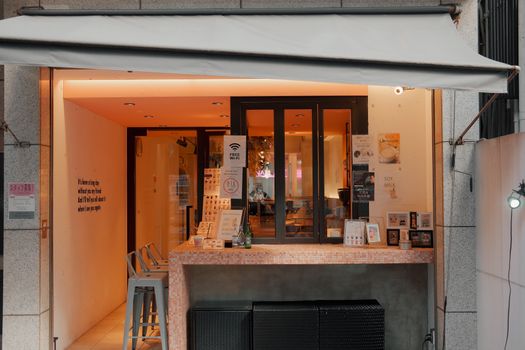
I stepped off the train at Seongsu Station, the crisp October wind carrying the sharp, roasted aroma of single-origin Ethiopian coffee mixed with the faint, metallic tang of nearby auto-repair shops. Seongsu-dong was once Seoul’s shoe-making district, a blue-collar labyrinth of red-brick warehouses and corrugated iron roofs. Today, it is the beating heart of East Asia's design renaissance.
I pushed open a heavy, rotating door made of raw, untreated Douglas fir. Inside, the chaos of the metropolis evaporated.
```
+-------------------------------------------------------------+
| DESIGN FUSION MATRIX |
+------------------------------------+------------------------+
| SCANDINAVIAN HYGGE / LAGOM | JAPANESE WABI-SABI |
| - Pale birch & ash woods | - Charred cedar (Shou |
| - Clean, functionalist lines | Sugi Ban) |
| - Cozy, light-maximizing spaces | - Acceptance of decay |
| - Democratic, accessible design | - Asymmetry & texture |
+------------------------------------+------------------------+
```
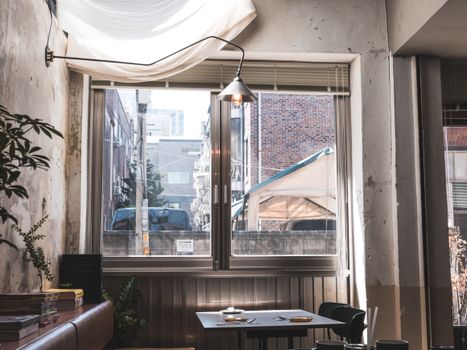
The space was a masterclass in how Nordic minimalism inspiring Asian design right now is more than just a passing Pinterest trend—it is a philosophical marriage. Light pine benches ran the length of rough-hewn concrete walls. Overhead, a single paper-lantern pendant cast a warm, buttery glow onto a sleek, Danish-designed stainless-steel espresso bar. There were no flashy signs, no cluttered menus. Just space, light, and intention.
This is the new Asia. It’s quiet, it’s curated, and it’s deeply rooted in a cross-continental love affair between Scandinavian functionality and East Asian mindfulness.
---
2. Why Nordic Minimalism is Dominating Asia’s Creative Hubs
To understand why Nordic minimalism is inspiring Asian design right now, you have to look past the surface aesthetics. At first glance, Copenhagen and Tokyo seem worlds apart. One is a low-rise, bicycle-friendly European capital powered by hygge (coziness) and lagom (just enough). The other is a vertical, neon-lit megacity driven by speed and high-tech efficiency.
Yet, beneath the surface, their design DNAs are practically identical.
```
[Nordic Functionalism] <=================> [Asian Zen / Wabi-Sabi]
\ /
\ /
v v
- Respect for raw, natural materials (wood, stone, clay)
- Maximization of natural light in dense urban environments
- Elimination of unnecessary ornamentation (clutter-free)
- Focus on craftsmanship, durability, and legacy pieces
```
Both cultures share an almost spiritual reverence for raw materials. Whether it’s Danish oak or Japanese hinoki cypress, both design philosophies let the wood do the talking. Furthermore, as living spaces in dense Asian metropolises like Taipei, Seoul, and Hong Kong become smaller, the space-saving, highly functionalist tenets of Nordic design offer a blueprint for elegant, clutter-free urban living.
---
3. Seoul: The Raw Concrete and Pale Birch Revolution
Nowhere is this design fusion more electric than in South Korea. Seoul’s young creatives have taken Scandinavian minimalism and injected it with a raw, industrial edge that feels distinctly Korean.
The Epicenter: Seongsu-dong and Hannam-dong
In Seoul, the trend manifests as "warm minimalism." Instead of the cold, sterile white walls of 2010s minimalism, local designers are pairing light-colored Nordic woods (birch, ash, and beech) with textured, hand-plastered walls and traditional Korean hanji paper details.
```
+-------------------------------------------------------------------------+
| SEOUL DESIGN HOTSPOTS |
+-------------------+---------------------------+-------------------------+
| Venue | Aesthetic Focus | Must-See Detail |
+-------------------+---------------------------+-------------------------+
| Cafe Tone | Raw concrete & light pine | Floating birch counter |
| Lowkey Coffee | Warm oak & low-slung seating| Danish mid-century chairs|
| Area (Showroom) | Hanok-meets-Scandi furniture| Brass-accented joinery |
+-------------------+---------------------------+-------------------------+
```
- Cafe Tone (Seongsu-dong): This space is a masterclass in balance. The exterior is a brutalist block of concrete, but the interior is softened by long, custom-carved Scandinavian pine tables and soft, indirect lighting that mimics the natural path of the sun.
- Pro-Tip: Visit Cafe Tone at precisely 2:00 PM on a weekday. The sun hits the skylight at an angle that casts geometric shadows across the birchwood counter, making it a dream for architectural photography.
---
4. Tokyo: Where Oslo Coffee Culture Found Its Soulmate
While Seoul approaches the trend with industrial energy, Tokyo treats it with monastic reverence. The connection between Japan and Scandinavia runs deep—Japanese designers were among the first to import mid-century Danish furniture in the 1950s, recognizing a shared appreciation for clean lines and master joinery.
```
[Tokyo Street] ---> [Fuglen Tokyo] ---> [Vintage Norwegian Teak Interior]
|
v
[Single-Origin Espresso] + [Japanese Craftsmanship]
```
Yoyogi-Koen: The Scandinavian Enclave
If you want to see how Nordic minimalism is inspiring Asian design right now in Tokyo, head directly to the Shibuya-adjacent neighborhood of Yoyogi-Koen.
- Fuglen Tokyo: Originally hailing from Oslo, this vintage-style cafe and bar is housed in a converted 1940s Japanese home. The owners preserved the low ceilings and dark wood beams of the traditional Japanese structure but filled the space with mid-century Norwegian design classics—teak shelving, woolen upholstery, and minimalist brass lamps.
- The Vibe: It’s a seamless blend of Oslo cool and Tokyo precision. Sit outside on the low wooden benches, sip a lightly roasted Kenyan pour-over, and watch the local fashion crowd pass by.
- Pro-Tip: The hidden entrance to Fuglen’s sister cupping studio is located down the residential alley behind the main cafe, marked only by a tiny, embossed red bird logo on a silver plate. It’s quiet, uncrowded, and offers a pure, distraction-free design experience.
---
5. Taipei: Terrazzo Meets Light Oak in the Subtropics
In Taipei, the challenge for designers is different. How do you apply the cozy, heat-retaining concepts of Nordic design to a humid, subtropical climate?
The answer lies in material innovation. Taiwanese designers are swapping out heavy Scandinavian textiles for cool-to-the-touch local materials like terrazzo, green marble, and polished concrete, while retaining the signature clean lines and functional layout of Nordic furniture.
```
+--------------------------------------------------------------------------+
| TAIPEI SUBTROPICAL HYGGE |
+-----------------------------------+--------------------------------------+
| Nordic Element | Taiwanese Adaptation |
+-----------------------------------+--------------------------------------+
| Heavy wool rugs & throws | Polished local terrazzo floors |
| Dark, heat-retaining timbers | Pale, moisture-resistant light oak |
| Closed, cozy fireplace hearths | Airy, high-ceiling ventilation lines |
+-----------------------------------+--------------------------------------+
```
The Spot: Minsheng Community
This quiet, tree-lined residential neighborhood is Taipei’s best-kept design secret.
- Luüsh Café: Tucked away behind a screen of tropical ferns, Luüsh is a sanctuary of light oak and pale gray plaster. The furniture is undeniably Scandinavian—featuring sleek, curved-back chairs reminiscent of Hans Wegner designs—but the flooring is a beautiful, custom-poured white terrazzo speckled with local green marble chips.
- The Result: A space that feels incredibly light, breezy, and cool, even when the Taipei humidity hits 90%.
---
6. Bangkok: The Tropical Modernism Evolution
Bangkok is perhaps the most surprising entry in the Scandi-Asian design wave. Known historically for its gilded temples and vibrant, color-saturated markets, the city’s contemporary design scene is pivoting hard toward a style locals call "Tropical Hygge."
```
[Bangkok Heat: 35°C]
|
v
[Architectural Cool-Down Strategy]
- Tall, double-height glass facades
- Pale birchwood slats (sun shading)
- Indoor monstera & fiddle-leaf figs
- Matte ceramic tableware in sage & cream
```
In neighborhoods like Ari and Thonglor, young architects are using Nordic minimalism to create visual "cool downs" from the intense Thai heat.
- Stockroom (Ari): Tucked down a narrow soi (alleyway), Stockroom is a multi-story cafe designed around a central lightwell. The walls are painted in soft, muted tones of sage green and warm cream—colors straight out of a Copenhagen townhouse palette.
- Why It Works: By pairing pale birchwood slats with towering indoor plants and minimalist matte ceramics, they’ve created an oasis that feels instantly calming and physically cooler than the bustling street outside.
---
7. The Budget & Logistics: Planning Your Design Pilgrimage
To help you experience this cross-cultural design movement in person, here is a practical breakdown of the logistics for visiting these key cities.
| Destination | Best Time to Visit | Estimated Daily Design Budget (USD) | How to Get There (Local Transit) |
| :--- | :--- | :--- | :--- |
| Seoul (Seongsu-dong) | October to November (Autumn foliage) | $120 - $180 | Take Seoul Subway Line 2 to Seongsu Station, Exit 3 or 4. |
| Tokyo (Yoyogi-Koen) | March to April (Cherry blossom season) | $150 - $220 | Take the Tokyo Metro Chiyoda Line to Yoyogi-Koen Station. |
| Taipei (Minsheng District) | November to January (Cool, dry months) | $90 - $140 | Take the MRT Wenhu Line to Nanjing Sanmin Station; walk 10 mins north. |
| Bangkok (Ari District) | December to February (Cool season) | $70 - $110 | Take the BTS Skytrain Sukhumvit Line directly to Ari Station. |
---
8. Bring the Look Home: The Curated Souvenir Guide
You don't need to remodel your entire house to capture this aesthetic. The key to the Scandi-Asian fusion—often called Japandi—is the curated placement of high-quality, functional objects. Here is what to look for on your travels:
```
+--------------------------------------------------------------------------+
| SOUVENIR SHOPPING GUIDE |
+-----------------------------------+--------------------------------------+
| Item | Where to Buy It |
+-----------------------------------+--------------------------------------+
| Matte Ceramic Drippers | Blue Bottle Tokyo or local potters |
| | in Seongsu-dong. |
+-----------------------------------+--------------------------------------+
| Hanji Paper Lampshades | Traditional craft shops in Insadong, |
| | Seoul (fuses Scandi light with |
| | Korean texture). |
+-----------------------------------+--------------------------------------+
| Hinoki Wood Coasters | Small design boutiques in Meguro, |
| | Tokyo (brings the scent of Japanese |
| | forests to minimalist tables). |
+-----------------------------------+--------------------------------------+
```
- Pro-Tip: When packing ceramics, skip the bubble wrap. Buy a local design magazine from a shop like Tsutaya Books in Tokyo, wrap your ceramics in the heavy-weight, beautifully textured pages, and pack them tightly between your knitwear.
---
9. The Verdict: A Design Movement Built to Last
The fusion of Nordic minimalism and Asian design isn't just a fleeting aesthetic choice; it’s a lifestyle shift. By stripping away the excess and focusing on raw materials, functional layouts, and natural light, designers in Seoul, Tokyo, Taipei, and Bangkok are creating spaces that offer a psychological respite from the frantic pace of modern urban life.
It’s a design language that whispers rather than screams. And right now, that is exactly what the world wants to hear.
---