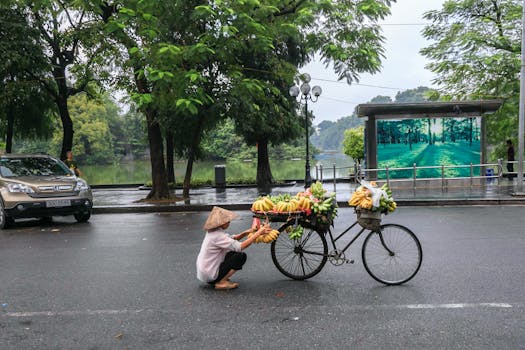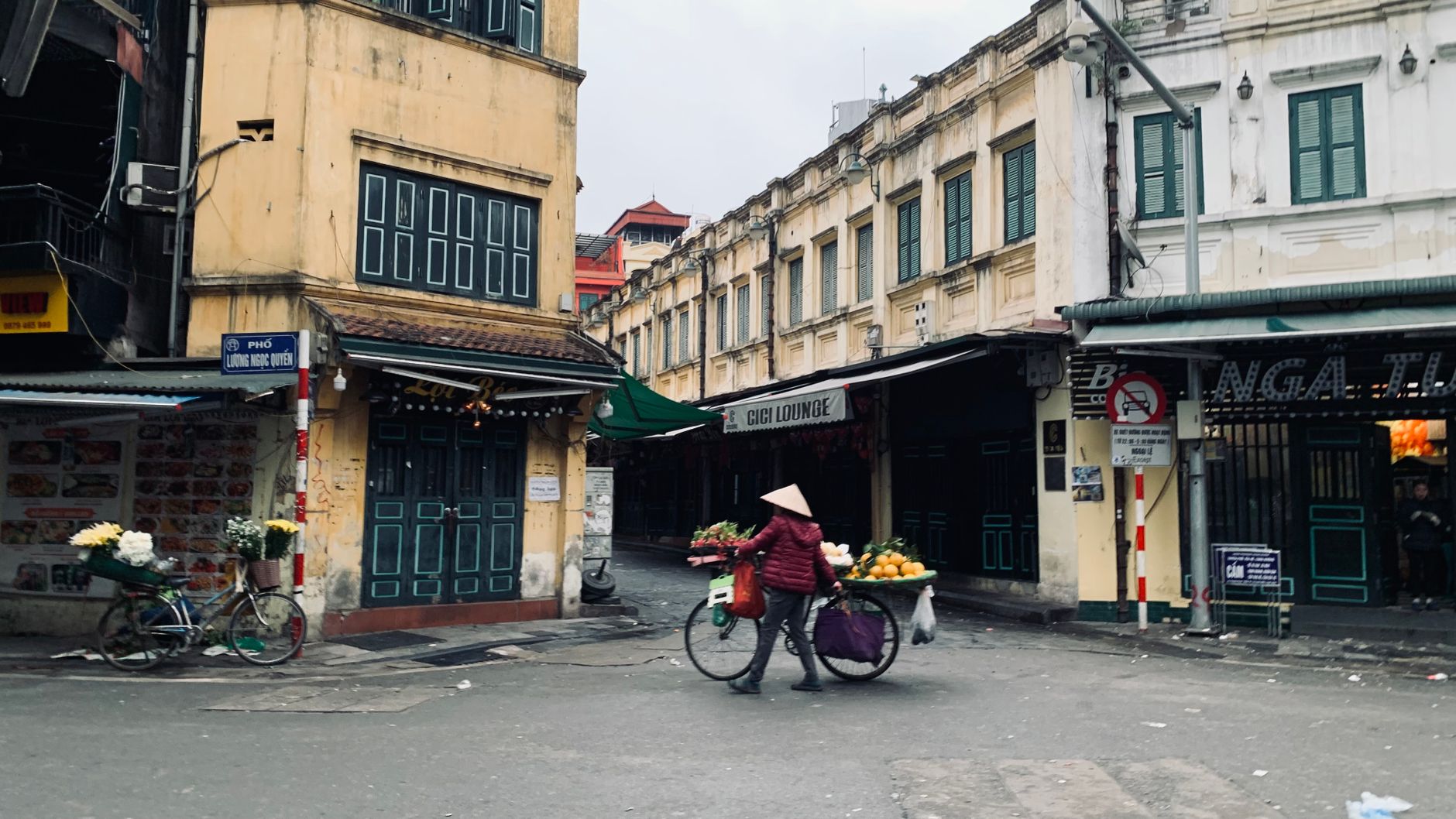
Planning your initial journey to Vietnam's capital can feel overwhelming, but this Hanoi first time visitor guide cuts through the noise with practical advice on districts, transfers, and daily logistics. Success in Hanoi comes down to three basic principles: basing yourself in a district that matches your walking habits, mastering the art of street crossings, and knowing which attractions justify your time. Whether you intend to sample regional northern noodle soups, tour centuries-old temples, or use the city as a gateway to northern mountain ranges, having a solid plan before you arrive ensures a smooth, rewarding visit.
| Factor | Key Details |
|---|---|
| Recommended Stay | 3 to 4 days for the city itself (excluding regional excursions) |
| Best Weather Window | October to December (dry, mild) and March to April (pleasant spring) |
| Daily Budget (approx.) | Budget: £25–£35 | Mid-range: £50–£90 | Luxury: £140+ |
| Airport Transfer Cost | Bus 86: approx. £1.50 | Grab car: approx. £10–£14 | Private car: approx. £12–£18 |
| Primary Getting-Around Method | Walking (central zones) and Grab ride-hailing app (longer hops) |
Note: All prices are approximate conversions in GBP (£) as of late 2026; always verify current rates and operational schedules before departure.
Hanoi First Time Visitor Guide: Best Neighbourhoods to Stay
Hanoi is divided into distinct administrative and cultural districts, each offering a fundamentally different pace of life. For a first visit, staying central saves hours of daily commute time through heavy urban traffic.
1. Old Quarter (Hoan Kiem District - North)
The Old Quarter is the historic commercial core, organised around 36 ancient guild streets named after the trades once practised there (such as silver, silk, and bamboo). It is ideal for travellers who want to step out of their hotel lobby directly into a maze of street kitchens, coffee shops, and night markets. You can easily walk to Hoan Kiem Lake, the Water Puppet Theatre, and hundreds of local eateries. However, pavements are frequently occupied by parked scooters and low plastic stools, meaning you will often walk in the street. Rooms facing the main roads can be noisy until late at night, so consider booking a room with internal courtyard views or soundproof glazing. Mid-range boutique hotels here typically cost approx. £35 to £65 per night.
2. French Quarter (Hoan Kiem District - South)
Located immediately south and east of Hoan Kiem Lake, the French Quarter features broad, tree-lined boulevards, neoclassical colonial architecture, upscale dining, and major international embassies. This area hosts the Hanoi Opera House and prestigious luxury accommodations such as the historic Sofitel Legend Metropole Hanoi. It offers a quieter, more orderly pedestrian environment with spacious pavements. While room rates are generally higher (approx. £70 to £200+ per night), you remain within a 10-minute stroll of the Old Quarter while sleeping in far quieter surroundings.
3. Ba Dinh District
Ba Dinh serves as the political and administrative heart of Vietnam. It contains government ministries, the Ho Chi Minh Mausoleum complex, the Presidential Palace, and the Temple of Literature. Accommodations here are predominantly mid-tier hotels, serviced apartments, and business properties. It is an excellent choice for families or travellers seeking a calmer residential atmosphere with public parks and wide avenues, though you will rely more on taxis or the metro to reach evening entertainment zones.
4. Tay Ho (West Lake)
Tay Ho surrounds the vast perimeter of West Lake, roughly 15 to 20 minutes north of the Old Quarter. Historically an enclave for expatriates and diplomats, it boasts contemporary international restaurants, craft breweries, third-wave coffee roasters, and lakefront boutique hotels. It is considerably less congested than Hoan Kiem, making it appealing if you are staying in Hanoi for a week or longer. However, first-timers on a short 3-day schedule may find the recurring daily taxi rides into the Old Quarter tedious during peak traffic hours.
Arriving at Noi Bai Airport and Getting Around
Noi Bai International Airport (HAN) sits roughly 28 kilometres (17 miles) north of central Hanoi. The transfer takes between 35 and 60 minutes depending on the time of day and bridge traffic across the Red River.
Airport Transfers
- Express Bus 86: This high-capacity, air-conditioned bus departs every 30 to 45 minutes directly outside the arrivals terminals (both domestic T1 and international T2). It stops at Long Bien bus interchange, the Central Post Office near Hoan Kiem Lake, and Hanoi Railway Station. A one-way ticket costs approx. £1.50 (45,000 VND), payable in cash on board. It is reliable, spacious enough for luggage, and easy to use.
- Ride-Hailing (Grab): The Grab app is widely used across Southeast Asia. You can book a car using the airport's public Wi-Fi before exiting the terminal. Fares to Hoan Kiem usually range from approx. £10 to £14, which includes airport toll fees. Always confirm that the licence plate matches your app booking before getting inside.
- Pre-Booked Private Car: Most central hotels will arrange an airport pickup for approx. £12 to £18. A driver meets you holding a name board outside the arrival doors, avoiding any confusion over taxi queues.
Pro tip: Purchase a local eSIM or physical SIM card at the airport arrival hall (or set up an e-SIM prior to departure) immediately. Having active mobile data is crucial for using ride-hailing services and digital maps when navigating dense alley networks.
City Transport
Once settled, you will primarily move through the city on foot or via Grab. Flagging traditional street taxis is possible—stick strictly to well-established brands like Mai Linh (green vehicles) or Taxi Group (white with red and blue stripes)—and ensure the driver activates the meter before moving.
Hanoi's urban railway system offers elevated transit lines, notably Metro Line 2A (Cat Linh to Yen Nghia) and Line 3 (Nhon to Hanoi Station). While useful for specific cross-town routes, the metro network does not yet penetrate the core of the Old Quarter, so short-stay tourists will still rely predominantly on Grab bike or car rides for point-to-point journeys.
Crossing the road in Hanoi is an essential skill. Traffic rarely stops for pedestrians at zebra crossings. The standard technique is to step off the kerb at a steady, predictable walking pace, making eye contact with approaching scooter drivers. Scooters calculate your trajectory and steer around you; stopping abruptly or running creates confusion and increases accident risk.
What to Book in Advance vs What to Arrange Locally
Knowing what requires advance reservation helps balance structure with spontaneity during your trip.
- Book in Advance: Overnight cruises in Ha Long Bay, Bai Tu Long Bay, or Lan Ha Bay should be booked weeks or months ahead, particularly for peak autumn and spring dates. Luxury sleeper trains to Lao Cai (for Sapa) and high-demand food walking tours run by established operators also sell out.
- Book on Arrival: Day trips to Ninh Binh (Trang An / Tam Coc) or the Perfume Pagoda can easily be arranged through your hotel desk or reputable travel agencies 24 to 48 hours beforehand. Standard museum admissions (such as the Temple of Literature, Hoa Lo Prison, and the Vietnam National Fine Arts Museum) cost between approx. £1 and £2 per person and are purchased at the entrance kiosk on the day.
What to Skip and Smarter Alternatives
Hanoi has several tourist hotspots that often fail to deliver on expectations due to safety closures or severe overcrowding. Knowing what to bypass will save you valuable hours.
Skip: The Train Street Café Scramble
The narrow rail section running through the Old Quarter where trains pass inches from residential doorways has seen recurring police barricades and safety crackdowns. Visiting often involves dealing with aggressive touts demanding you buy drinks at specific establishments to gain entry past security checkpoints, followed by sitting in tight, crowded corridors.
Smarter Alternative: Visit the Phung Hung Mural Street nearby, where restored railway arches showcase public murals reflecting daily Hanoi life in a relaxed pedestrian environment. Alternatively, walk to Long Bien Bridge—a historic steel structure designed by Daydé & Pillé in 1902—where you can watch regional trains cross the river alongside foot and scooter traffic.
Skip: Overpriced Water Puppet Tourist Packages
Many tour companies sell inflated packages bundled with transport to the Thang Long Water Puppet Theatre. The theatre is situated right on the northern shore of Hoan Kiem Lake, easily accessible on foot from anywhere in the Old Quarter.
Smarter Alternative: Walk directly to the theatre box office on Dinh Tien Hoang Street a day in advance to buy standard tickets for approx. £3 to £5. Choose seats in the first four rows for the clearest view of the intricate wooden puppets moving across the water stage.
Pro tip: If the queue at the Ho Chi Minh Mausoleum extends around several city blocks on a hot morning, skip the internal viewing and simply walk the surrounding gardens to see the Stilt House, the Presidential Palace exterior, and the One Pillar Pagoda with minimal waiting time.
Essential Etiquette, Culture and Street Safety
Hanoi is an exceptionally safe destination regarding violent crime, but basic urban street smarts and cultural awareness will prevent minor frustrations.
- Temple Dress Codes: When visiting active religious sites such as Tran Quoc Pagoda, Ngoc Son Temple, or the Temple of Literature, cover your shoulders and wear trousers or skirts that reach past the knee. Sleeveless vests and short shorts are strictly barred at many holy sites.
- Phone Snatching Awareness: Keep a firm grip on your smartphone when standing near busy roadways. Scooter-borne opportunistic snatch thefts occasionally target distracted tourists taking photos close to the curb.
- Tap Water Precautions: Never drink unboiled tap water. Use sealed bottled water or filtered water dispensers provided by hotels. Ice in established city restaurants and cafes is generally manufactured in commercial ice plants and safe to consume, but avoid chipped blocks of ice from roadside vendors if you have a sensitive stomach.
- Bargaining Etiquette: Polite negotiation is standard practice in tourist souvenir markets like Dong Xuan Market. Maintain a friendly smile and counter-offer around 60% to 70% of the initial quote. Avoid aggressive haggling for inexpensive street food or fruit sold by weight; street meal prices are typically fixed.
A Realistic 3-Day Starter Itinerary
Day 1: Historic Core and Hoan Kiem Lake
Begin early with a morning walk around Hoan Kiem Lake to observe locals practising tai chi and aerobics. Cross the bright red Huc Bridge to visit Ngoc Son Temple. Continue north into the Old Quarter's maze of narrow streets. Stop for an egg coffee (ca phe trung)—whipped egg yolk sweetened with condensed milk over dark robusta coffee—at a historic cafe such as Café Giang on Nguyen Huu Huan. In the afternoon, explore the French Quarter, admiring the Hanoi Opera House and browsing local galleries. End your evening at Bia Hoi Junction (Ta Hien Street) to sample fresh draught beer alongside grilled skewers.
Day 2: National History and Architecture
Head west to the Ba Dinh district. Arrive early to view the imposing granite Ho Chi Minh Mausoleum and the peaceful grounds of the One Pillar Pagoda. Walk 15 minutes south to the Temple of Literature (Van Mieu), Vietnam's first national university founded in 1070, featuring five courtyards and stone turtle steles. In the afternoon, visit Hoa Lo Prison Relic (colloquially known as the "Hanoi Hilton"), which provides sobering exhibitions detailing both the French colonial era and the American War. For dinner, seek out a bowl of Bun Cha (charcoal-grilled pork patties in a warm dipping broth with rice noodles and herbs).
Day 3: West Lake, Pagodas and Culinary Immersion
Take a short taxi ride north to West Lake (Tay Ho). Visit Tran Quoc Pagoda, the oldest Buddhist temple in Hanoi, set on an islet on the eastern shore. Spend the midday exploring Tay Ho's quieter streets and lakeside coffee shops. In the late afternoon, return south to take part in an evening street food walking tour covering northern specialities like Banh Cuon (steamed rice rolls stuffed with minced pork and wood ear mushrooms) and Pho Bo (beef noodle soup). Finish with an evening performance at the Thang Long Water Puppet Theatre.
Common Mistakes to Avoid
- Assuming you can walk everywhere easily: While distances look short on a map, dense crowds, uneven pavements, and parked scooters make walking exhausting over long distances. Use Grab to save your energy for key areas.
- Carrying only large banknotes: Small vendors, street food stalls, and taxi drivers rarely have change for 500,000 VND notes (approx. £15). Break large denominations at supermarkets or convenience stores to keep 20,000, 50,000, and 100,000 VND bills handy.
- Underestimating the winter chill: From December to February, northern Vietnam experiences a damp, overcast winter where temperatures can plunge to 10°C to 14°C. Central heating is rare in budget accommodations, so pack a light insulated jacket if travelling during these months.
- Skipping travel medical insurance: Traffic conditions and minor food adjustments make comprehensive medical insurance non-negotiable for Southeast Asian travel.
Plan your trip
To assemble a custom route tailored to your exact pace and travel style, start building your route with Tripsora today. The platform brings your hotel bookings, local transit stops, and sight recommendations together into an efficient day-by-day plan.
Frequently asked questions
Is Hanoi safe for solo travellers?
Hanoi is generally very safe for solo travellers, including women walking alone in well-lit central areas at night. Violent crime is extremely rare, though basic vigilance against bag and smartphone snatching around heavy traffic is recommended.
How many days do you need in Hanoi for a first trip?
Three full days is the optimal duration to explore Hanoi's key cultural landmarks, museums, and street food scene at a sensible pace. If you plan to add regional side trips to Ha Long Bay or Ninh Binh, allow at least five to six days in total.
Can you drink the tap water in Hanoi?
No, you should never drink untreated tap water in Hanoi or anywhere else in Vietnam. Use bottled water for drinking and brushing teeth, or carry a reusable bottle to fill at filtered hotel refill stations.
What is the best month to visit Hanoi?
October, November, and April are typically considered the best months to visit Hanoi, offering pleasant temperatures, lower humidity, and relatively little rain. Mid-summer (June to August) brings intense tropical heat and downpours, while January and February can be grey, cold, and damp.
Do you need cash in Hanoi or are credit cards widely accepted?
Cash remains the primary payment method for street food stalls, small cafes, market vendors, and traditional taxis across Hanoi. While mid-range restaurants, international hotels, and supermarkets accept international credit cards, carrying local currency (Vietnamese Dong) is essential for daily outings.