The Hook: A Whisper of Ancient Incense and Whispering Stones
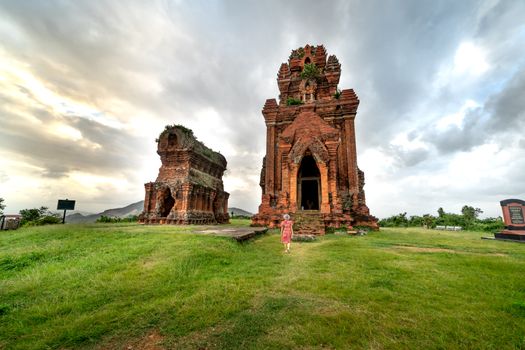
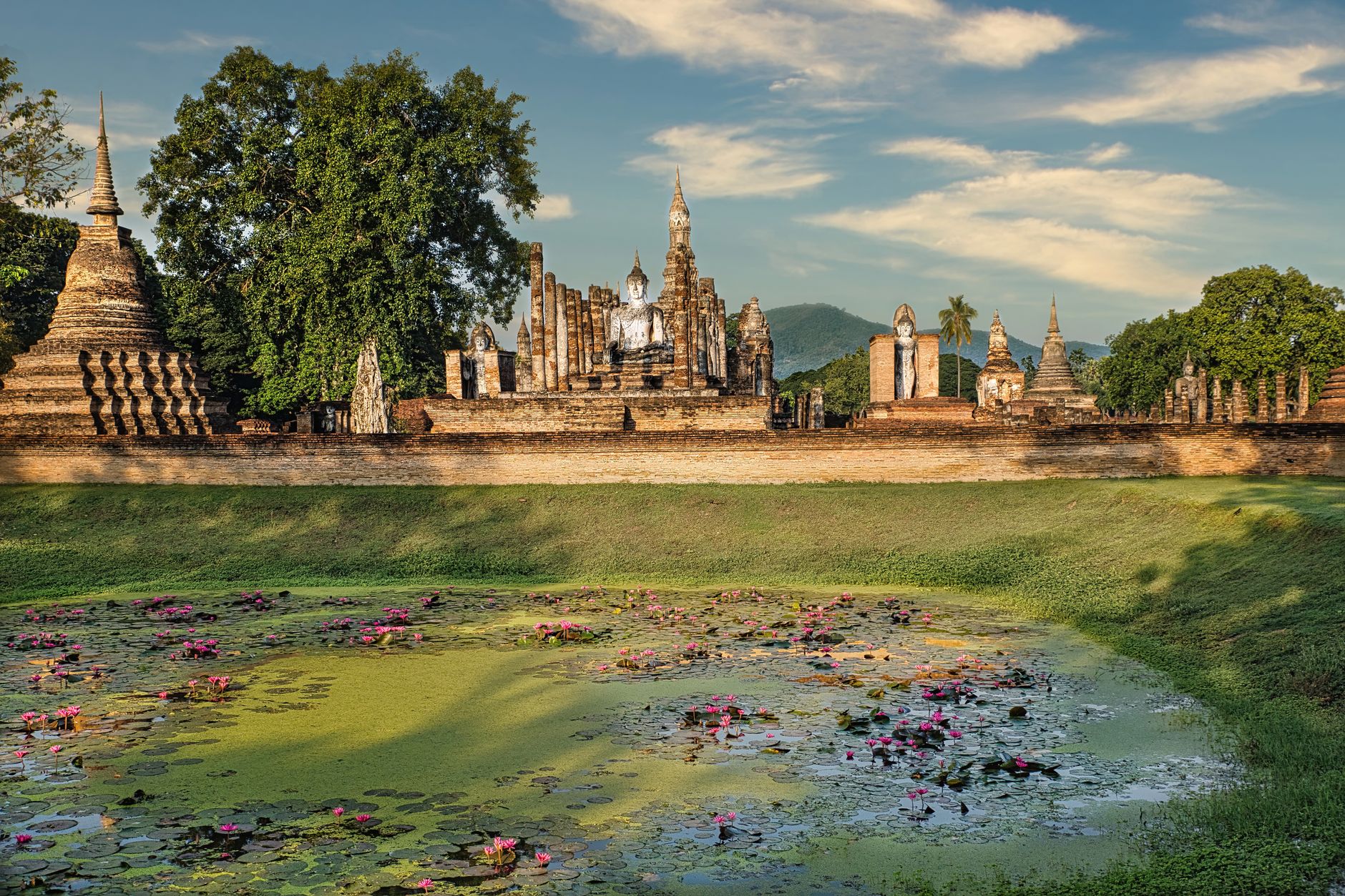
I stepped off the overnight bus in Bagan, Myanmar, and the air itself felt different. It wasn't just the pre-dawn chill or the faint scent of woodsmoke; it was a palpable hum of history. As the first sliver of sun painted the horizon, it illuminated an impossible landscape: thousands of terracotta-hued pagodas and temples, silhouetted against a sky bleeding into orange and pink. It was a moment that redefined ‘awe’ for me, a visceral reminder that while Angkor Wat is magnificent, the world is brimming with ancient spiritual sanctuaries that can, dare I say it, eclipse its grandeur.
For years, Angkor Wat has been the undisputed king of Southeast Asian temple tourism. And rightly so – its scale and artistry are undeniable. But for the seasoned traveler, the one who craves deeper connection, fewer crowds, and that gut-punch of discovering something truly extraordinary, the question arises: what lies beyond the well-trodden path? What ancient marvels whisper stories just as profound, if not more so, to those willing to listen?
As a travel journalist with a penchant for the profound and an SEO strategist obsessed with uncovering hidden gems, I’ve scoured continents, deciphered ancient scripts (okay, maybe I just hired really good guides), and braved countless bumpy roads to bring you this definitive guide. These are the temples that have stolen my breath, challenged my perceptions, and frankly, made me question if Angkor Wat truly holds the crown.
1. The Labyrinthine Grandeur of Borobudur, Indonesia: A Cosmic Mandala
Borobudur. Even the name sounds like an incantation. Perched atop a gentle hill in Central Java, this colossal Mahayana Buddhist monument isn't just a temple; it's a three-dimensional representation of the Buddhist cosmos. Forget intricate carvings on outer walls; Borobudur is a journey.
As you ascend its nine stacked platforms – six square, three circular – you’re literally walking through the stages of spiritual enlightenment. Each level is adorned with thousands of bas-relief panels depicting Buddhist teachings, Jataka tales (stories of Buddha's past lives), and scenes of daily life from 9th-century Java. The sheer volume of narrative art is staggering.
Pro-Tip:
Arrive for sunrise. Watching the mist burn off the surrounding volcanic peaks and reveal the stupa-topped summit is an almost spiritual experience. The air is crisp, the crowds are minimal, and the light is pure magic.
Insider Insight:
Don't just rush to the top. Spend time on each level. Run your hands over the cool stone reliefs. Imagine the artisans who painstakingly carved these stories centuries ago. The sheer scale of the undertaking is mind-boggling. The central stupa at the apex is said to contain a relic of the Buddha, adding to its profound sacredness.
Quick Facts: Borobudur Temple
| Category | Details |
|----------------|-----------------------------------------------|
| Location | Magelang, Central Java, Indonesia |
| Estimated Cost ($$) | Entrance fee: ~$25 USD (includes Prambanan) |
| Best Time to Visit | Dry season (April-October). Sunrise/sunset are spectacular. |
| How to Get There | Fly into Yogyakarta (JOG). From Yogya, hire a taxi or take a local bus. |
| Architectural Style | Mahayana Buddhist, mandala-like structure |
| Key Features | Thousands of bas-relief panels, numerous stupas, central dome |
2. The Stone Symphony of Hampi, India: A Lost Empire's Echoes
Imagine stepping into a landscape plucked from a fantasy novel. That's Hampi. This UNESCO World Heritage site in Karnataka, India, was once the glorious capital of the Vijayanagara Empire, one of the greatest Hindu empires in India's history. What remains are the hauntingly beautiful ruins of over 1,600 temples, palaces, and monuments scattered across a surreal boulder-strewn terrain.
The Virupaksha Temple, still an active place of worship, is the beating heart of Hampi, its towering gopuram a beacon. But venture further, and you’ll discover the Vittala Temple complex, home to the iconic Stone Chariot – an architectural marvel so intricate it looks like it could roll away – and the musical pillars that emit musical notes when tapped.
Pro-Tip:
Rent a bicycle or hire a local auto-rickshaw to explore the vast expanse. The best light for photography is early morning and late afternoon. Don't miss the sunset views from Matanga Hill.
Insider Insight:
The sheer craftsmanship is astounding. Look for the intricate carvings of mythological figures, the detailed depictions of courtly life, and the ingenious water channels that supplied the ancient city. The sound of devotional music often drifts from active temples, adding another layer to the immersive experience. The sheer scale of the empire that once thrived here is palpable in every stone.
Quick Facts: Hampi Ruins
| Category | Details |
|----------------|-----------------------------------------------|
| Location | Vijayanagara district, Karnataka, India |
| Estimated Cost ($) | Entrance fees are minimal for most sites. Budget for accommodation & transport. |
| Best Time to Visit | October to March (cooler, drier weather). |
| How to Get There | Fly into Hubli (HBX) or Bengaluru (BLR) and take a train or bus to Hospet, then a local bus/taxi to Hampi. |
| Architectural Style | Vijayanagara (Dravidian) architecture |
| Key Features | Stone Chariot, musical pillars, Virupaksha Temple, royal enclosures |
3. The Whispering Giants of Bagan, Myanmar: A Sea of Golden Spires
I mentioned Bagan in the hook, and for good reason. While it's gaining popularity, it still retains an air of untouched mystery that many more famous sites have lost. Imagine an ancient city dotted with over 2,000 active Buddhist temples, pagodas, and monasteries, built between the 9th and 13th centuries. The sheer density is overwhelming.
From the plains, it looks like a mythical landscape. From within, it's an exploration of intricate brickwork, serene Buddha statues, and surprisingly vibrant murals. The Ananda Temple is a masterpiece of Mon architecture, while the Shwesandaw Pagoda offers panoramic views.
Pro-Tip:
Explore by e-bike. It allows you to cover vast distances and stop at any temple that catches your eye. Many smaller, less-visited temples offer a truly intimate experience.
Insider Insight:
The feeling of discovering a hidden temple, its doors creaking open to reveal a silent, cool interior adorned with ancient frescoes, is unparalleled. The scent of incense, the gentle chime of bells, and the sheer tranquility are deeply moving. Look for the unique architectural styles that evolved over centuries of construction.
Quick Facts: Bagan Archaeological Zone
| Category | Details |
|----------------|-----------------------------------------------|
| Location | Near the town of Nyaung-U, Myanmar |
| Estimated Cost ($$) | Bagan Archaeological Zone Ticket: ~$25 USD |
| Best Time to Visit | November to February (coolest, driest months). |
| How to Get There | Fly into Nyaung-U Airport (NYU). Buses also connect from major cities. |
| Architectural Style | Bagan (Burmese) architecture |
| Key Features | Thousands of temples and pagodas, panoramic views, ancient murals |
4. The Majestic Enigma of Petra, Jordan: A City Carved from Rock
Petra isn't just a temple; it's an entire city carved into vibrant red sandstone cliffs. Known as the 'Rose City', this Nabataean marvel is a testament to human ingenuity and artistic prowess. Walking through the narrow Siq, a winding gorge, and catching your first glimpse of Al-Khazneh (The Treasury) is a moment that will forever be etched in your memory.
While the Treasury is the iconic image, Petra is vast. Explore the Monastery (Ad-Deir), perched high on a mountain, offering breathtaking views. Wander through the Royal Tombs, the Roman Theater, and the countless other facades and dwellings that whisper tales of a prosperous trading civilization.
Pro-Tip:
Wear comfortable shoes! You'll be doing a lot of walking and climbing. Consider a guided tour to understand the history and significance of the various structures.
Insider Insight:
The sheer audacity of carving such monumental structures directly into the rock face is mind-blowing. Notice the intricate Hellenistic influences in the architectural details, the sophisticated water management systems, and the vibrant hues of the sandstone that change throughout the day. It feels less like a collection of buildings and more like a living, breathing monument sculpted by nature and man.
Quick Facts: Petra
| Category | Details |
|----------------|-----------------------------------------------|
| Location | Ma'an Governorate, Jordan |
| Estimated Cost ($$) | Jordan Pass (includes Petra entrance): ~$70-80 USD (depending on days) |
| Best Time to Visit | Spring (March-May) and Autumn (September-November) for pleasant temperatures. |
| How to Get There | Fly into Queen Alia International Airport (AMM) in Amman, then take a bus or rent a car to Wadi Musa (the town next to Petra). |
| Architectural Style | Nabataean, with Hellenistic and Roman influences |
| Key Features | Al-Khazneh (The Treasury), Ad-Deir (The Monastery), Royal Tombs, Siq |
5. The Serene Majesty of the Temples of Kyoto, Japan: A Blend of Nature and Spirituality
While not a single 'temple complex' in the same vein as Angkor, Kyoto’s sheer concentration of exquisite temples and shrines offers an unparalleled experience of spiritual beauty and refined aesthetics. This former imperial capital boasts over 1,600 Buddhist temples and 400 Shinto shrines, each with its own unique charm.
From the glittering Kinkaku-ji (Golden Pavilion), its top two floors covered in gold leaf, reflecting perfectly in the surrounding pond, to the serene rock garden of Ryoan-ji, designed for contemplation, Kyoto's sacred sites are a masterclass in harmony between architecture, nature, and spirituality. Fushimi Inari-taisha, with its thousands of vibrant red torii gates winding up a mountainside, offers a truly immersive and otherworldly experience.
Pro-Tip:
Purchase a bus pass. Kyoto's public transport is excellent for navigating between the numerous sites. Consider visiting some of the lesser-known temples for a more tranquil experience.
Insider Insight:
Kyoto's temples are not just about grandeur; they are about mindfulness. The meticulous raked gravel of Zen gardens, the carefully pruned bonsai trees, the subtle scent of tatami mats – it all contributes to an atmosphere of profound peace. The artistry extends to the smallest details, from the joinery of wooden structures to the subtle brushstrokes on temple scrolls.
Quick Facts: Kyoto Temples
| Category | Details |
|----------------|-----------------------------------------------|
| Location | Kyoto Prefecture, Japan |
| Estimated Cost ($$) | Entrance fees vary ($3-$10 USD per temple). Budget for transport and food. |
| Best Time to Visit | Spring (March-May) for cherry blossoms, Autumn (October-November) for vibrant fall foliage. |
| How to Get There | Fly into Kansai International Airport (KIX) near Osaka, then take the Haruka Express train to Kyoto. |
| Architectural Style | Various Japanese Buddhist and Shinto styles |
| Key Features | Kinkaku-ji (Golden Pavilion), Ryoan-ji (rock garden), Fushimi Inari-taisha (torii gates), Kiyomizu-dera |
The Takeaway: Your Next Unforgettable Journey Awaits
Angkor Wat is, without question, a wonder of the world. But to limit our exploration of ancient marvels to just one site is to miss out on a universe of architectural brilliance, spiritual depth, and cultural richness. These temples – Borobudur, Hampi, Bagan, Petra, and the sacred sites of Kyoto – offer experiences that are not just visually stunning but deeply transformative.
They offer solitude where Angkor often offers crowds. They offer intimate discoveries where Angkor can feel overwhelming. They offer a chance to connect with history in a way that feels personal, profound, and utterly unforgettable. So, the next time you dream of ancient wonders, remember this: the world is far bigger, and far more awe-inspiring, than you might think. Pack your bags, open your mind, and prepare to be amazed.