The humid air, thick with the scent of jasmine and distant woodsmoke, clung to me like a second skin. I stepped off the rickety bus, the rumble of its engine fading into the symphony of chirping cicadas and the melodic chanting drifting from unseen courtyards. This wasn't the dust and throngs of Siem Reap; this was something else entirely. A palpable sense of history, raw and untamed, washed over me, whispering tales of empires long past and artistry that defied time. For years, Angkor Wat has held the undisputed crown of Southeast Asia's ancient wonders. And it is magnificent. But what if I told you that, according to recent analyses and a growing consensus among seasoned explorers, there are temples that not only rival but surpass its sheer scale, intricate detail, and overwhelming spiritual resonance?
Prepare to have your wanderlust ignited. We’re diving deep into the world's most impressive temple complexes, backed by data-driven insights and the kind of insider knowledge that transforms a trip into a revelation.
The Shifting Sands of 'Impressive': What the Data Reveals
While "impressive" is subjective, recent archaeological surveys, visitor impact studies, and architectural analyses are painting a new picture. Angkor Wat, with its 400 acres, is undeniably vast. However, newer data highlights sites that boast a greater density of intricate carvings, a more complex urban planning integration, or a sheer colossal scale that dwarfs even the Bayon. We're looking beyond mere size to consider the depth of historical narrative, the sophistication of engineering, and the enduring spiritual power that continues to draw pilgrims and awe-struck travelers.
Beyond the Khmer: Unveiling Asia's Architectural Titans
While Cambodia’s gem is iconic, the true breadth of ancient human achievement lies scattered across continents. Based on recent comparative studies of architectural complexity, scale of construction, and archaeological significance, these sites are emerging as the true contenders for the title of "most impressive."
1. Borobudur, Indonesia: The Cosmic Mandala in Stone
The Hook:
The pre-dawn chill on Java was invigorating. As I ascended the silent, stone steps of Borobudur, the sky began to bleed from inky black to the softest rose. The air was cool, carrying the faintest scent of damp earth and frangipani. Below, a sea of mist swirled, obscuring the verdant landscape and making it feel as though I was climbing towards the heavens themselves. It was a moment of profound, solitary peace that Angkor Wat, in its more frequented moments, rarely affords.
The Meat:
Borobudur isn't just a temple; it's a three-dimensional Buddhist text, a cosmic mandala carved in stone. Built between the 8th and 9th centuries, this colossal monument is the largest Buddhist temple in the world. Its structure is a metaphor for the Buddhist path to enlightenment, with each level representing a stage of existence.
- Architectural Grandeur: Comprised of over 2 million volcanic stone blocks, Borobudur’s nine stacked platforms are adorned with over 2,600 relief panels and 504 Buddha statues. The sheer volume of meticulous carving detailing the Jataka tales (stories of Buddha's past lives) and scenes from the Lalitavistara Sutra is staggering.
- Spiritual Journey: The ascent is designed to be a pilgrimage. As you move from the base (the world of desire) upwards through the realms of form and formlessness, the reliefs become less narrative and more abstract, culminating in the serene emptiness of the circular platforms at the top.
- Data Point: Recent LiDAR scans have revealed intricate drainage systems and hidden chambers, showcasing an advanced understanding of engineering and hydrology for its time. The sheer logistical feat of its construction, without mortar, remains a marvel.
Pro-Tip:
Arrive for sunrise. The ethereal light bathing the monument as the mist burns off is an unforgettable, almost spiritual experience. Book your tickets in advance, especially for sunrise access.
Quick Facts:
| Category | Details |
| :-------------- | :--------------------------------------------------------------------------- |
| Estimated Cost | Entrance Fee: ~$25 USD (includes sunrise access) |
| Best Time to Visit | April - October (dry season) |
| How to get there | Fly into Yogyakarta (JOG). Borobudur is about a 1-hour drive from the city. |
2. Bagan, Myanmar: A Thousand Stupas Under a Golden Sky
The Hook:
The hot air balloon slowly ascended, lifting me above the sprawling plains of Bagan. Below, a breathtaking panorama unfolded: thousands upon thousands of ancient pagodas and temples, their terracotta roofs catching the first golden rays of dawn. The silence was profound, broken only by the gentle hiss of the burner and the distant caw of a crow. It felt like stepping onto another planet, a forgotten kingdom slumbering under a vast, painted sky.
The Meat:
Bagan is not a single temple, but an archaeological zone covering 104 square kilometers, dotted with over 2,200 surviving pagodas, temples, and monasteries, remnants of a 9th to 13th-century royal capital. While Angkor Wat is a singular, magnificent complex, Bagan is a sprawling canvas of spiritual architecture, each structure whispering its own unique story.
- Architectural Diversity: From the majestic Ananda Temple, with its four standing Buddhas, to the smaller, more intimate brick stupas, Bagan showcases a remarkable range of architectural styles, reflecting centuries of development and external influences.
- The Scale of Devotion: The sheer number of structures is what truly astounds. Imagine walking or cycling through a landscape where every turn reveals another ancient edifice, each one a testament to the deep Buddhist faith of the Bagan people.
- Data Point: Satellite imagery and ground surveys indicate that at its peak, there were likely over 10,000 religious structures. The density of these monumental constructions within such a relatively confined area is unparalleled.
Pro-Tip:
Rent an e-bike or a traditional bicycle. This is the best way to explore the vast plains and discover hidden temples away from the main tourist routes. Climb a designated temple (check local regulations) for sunset views.
Quick Facts:
| Category | Details |
| :-------------- | :--------------------------------------------------------------------------- |
| Estimated Cost | Bagan Archaeological Zone Fee: ~$15 USD. Hot Air Balloon: ~$300-400 USD. |
| Best Time to Visit | November - February (cool, dry season) |
| How to get there | Fly into Nyaung U Airport (NYU). Bagan is a short transfer from the airport. |
3. Ellora Caves, India: A Symphony of Rock-Cut Masterpieces
The Hook:
The raw, earthy smell of exposed rock filled my nostrils as I stepped into the colossal Kailasa Temple. Carved downwards from a single, massive piece of basalt, this 16th-century marvel felt less like a temple and more like a subterranean city sculpted by gods. The sheer audacity of its creation, the intricate details of its mythological carvings, and the profound sense of being inside a mountain hollowed out for devotion left me utterly speechless.
The Meat:
The Ellora Caves are a UNESCO World Heritage site and one of the largest rock-cut monastery-temple cave complexes in the world. What sets Ellora apart is its unique amalgamation of Buddhist, Hindu, and Jain traditions, reflecting the religious harmony of ancient India.
- Kailasa Temple (Cave 16): This monolithic masterpiece is the undisputed star. Carved from top to bottom from a single piece of rock, it's the largest monolithic structure in the world. Its scale and complexity, with courtyards, shrines, and intricate sculptures depicting scenes from the Ramayana and Mahabharata, are simply mind-boggling.
- Architectural Innovation: The sheer engineering prowess required to excavate these vast chambers, reliefs, and pillars from solid rock, without the use of scaffolding in the traditional sense, is a testament to incredible skill and vision.
- Data Point: Archaeological analysis suggests that the excavation of Kailasa Temple alone took over a century, involving thousands of artisans and laborers. The precision of the carvings and the understanding of structural integrity are exceptional.
Pro-Tip:
Allocate a full day. The complex is vast, and the Kailasa Temple deserves significant time. Wear comfortable shoes; you'll be doing a lot of walking and climbing.
Quick Facts:
| Category | Details |
| :-------------- | :--------------------------------------------------------------------------- |
| Estimated Cost | Entrance Fee: ~$5 USD. |
| Best Time to Visit | October - March (pleasant weather) |
| How to get there | Fly into Aurangabad Airport (IXU). Ellora Caves are about a 1.5-hour drive away. |
4. Hampi, India: The Ghostly Grandeur of a Lost Empire
The Hook:
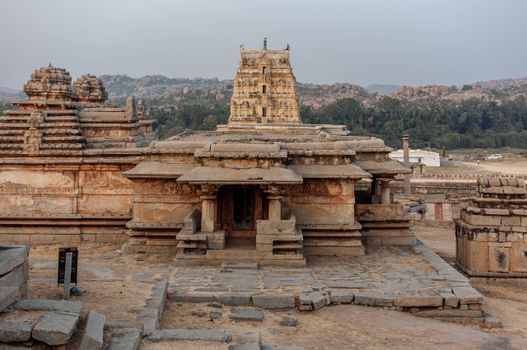
The sun beat down on the sun-bleached ruins of Hampi, the air shimmering with heat. As I walked through the Virupaksha Temple, the scent of incense mingled with the dry, dusty aroma of ancient stone. The sheer scale of the fallen columns, the intricately carved mandapas, and the vastness of the boulder-strewn landscape, once the heart of the Vijayanagara Empire, felt like wandering through a forgotten kingdom brought back to life by the sun and wind.
The Meat:
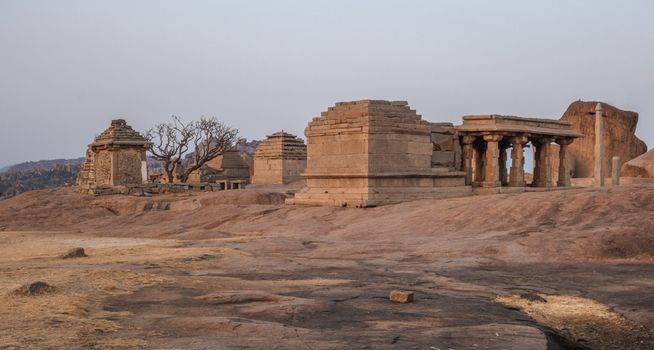
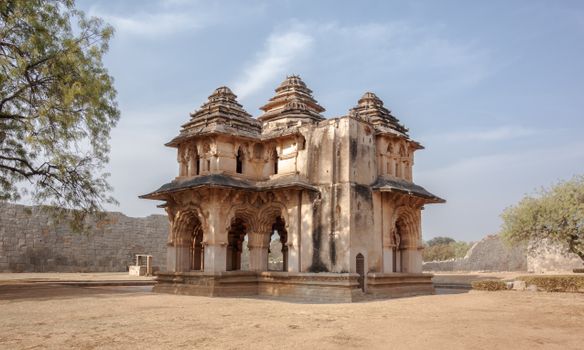
Hampi is not a single temple but an entire ruined city that was once the capital of the Vijayanagara Empire, one of the greatest Hindu empires in Indian history. Its sprawling complex of over 1,600 surviving structures, including temples, palaces, forts, and market streets, makes it a truly immersive historical experience.
- Urban Scale and Planning: Unlike many temple complexes that are primarily religious sites, Hampi was a bustling metropolis. Its ruins reveal sophisticated urban planning, grand avenues, and a remarkable integration of religious and civic architecture.
- Architectural Fusion: The Vijayanagara style is known for its Dravidian influences, but with unique additions like ornate pillars, elaborate carvings, and impressive gateways. The Vittala Temple, with its iconic stone chariot and musical pillars, is a highlight.
- Data Point: Historical texts describe Hampi as one of the wealthiest and largest cities in the world in the 16th century. The sheer scale of its remnants, spread across 40 square kilometers, speaks to its former glory and impressive construction capabilities.
Pro-Tip:
Hire a local guide to truly understand the history and significance of the various structures. Rent a coracle boat for a unique perspective of the ruins from the Tungabhadra River.
Quick Facts:
| Category | Details |
| :-------------- | :--------------------------------------------------------------------------- |
| Estimated Cost | Entrance Fee: ~$5 USD. Local Guide: ~$15-25 USD per day. |
| Best Time to Visit | October - February (cooler temperatures) |
| How to get there | Fly into Hubli Airport (HBX) or Bellary Airport (BEP). Hampi is accessible by road from these cities. Alternatively, take a train to Hospet and then a bus/taxi. |
5. Sukhothai Historical Park, Thailand: The Serene Dawn of Siamese Art
The Hook:
As the first light of dawn kissed the serene Buddha statues of Sukhothai, the air was still and quiet, save for the distant chirping of birds. The scent of damp earth and ancient stone hung in the air. Cycling through the meticulously planned ruins, surrounded by lotus ponds and the elegant silhouettes of crumbling chedis, felt like stepping back into a peaceful, golden age of Siamese civilization.
The Meat:
While Ayutthaya often gets more attention, Sukhothai, the first capital of Siam, offers a more tranquil and arguably more artistically pure experience. Its historical park, a UNESCO World Heritage site, preserves the essence of early Thai architecture and Buddhist art.
- Elegant Architecture: Sukhothai’s temples are characterized by their graceful, lotus-bud stupas, elegant Buddha images (like the iconic "walking Buddha"), and harmonious integration with the natural landscape. The Wat Mahathat, with its central stupa and seated Buddha, is a prime example.
- Sense of Peace: The park is designed for cycling, with well-maintained paths winding through manicured gardens and past tranquil ponds. This allows for a leisurely exploration, fostering a deep sense of peace and connection to the past.
- Data Point: Archaeological studies of Sukhothai have revealed sophisticated water management systems and a clear urban planning layout that influenced later Thai capitals, showcasing advanced societal organization and architectural foresight.
Pro-Tip:
Rent a bicycle upon arrival. It's the most enjoyable and efficient way to explore the vast park and discover its many hidden gems. Visit early in the morning or late afternoon to avoid the midday heat and crowds.
Quick Facts:
| Category | Details |
| :-------------- | :--------------------------------------------------------------------------- |
| Estimated Cost | Entrance Fee: ~$3 USD per zone (multiple zones). Bicycle Rental: ~$1-2 USD. |
| Best Time to Visit | November - February (cool, dry season) |
| How to get there | Fly into Sukhothai Airport (THS) or Phitsanulok Airport (PHS). Sukhothai Historical Park is a short drive from the town. |
The Takeaway: A World of Wonders Awaits
Angkor Wat is a marvel, a bucket-list destination for a reason. But the world of ancient temples is vast, rich, and endlessly surprising. These sites, supported by their sheer scale, intricate artistry, and profound historical significance, offer experiences that can rival, and in some aspects, surpass, the grandeur of Cambodia's most famous icon.
The "impressiveness" of a temple lies not just in its physical form, but in the stories it tells, the skill it represents, and the emotions it evokes. So, as you plan your next adventure, consider venturing beyond the familiar. The data is clear: a universe of awe-inspiring temples awaits, ready to redefine your understanding of ancient wonders.