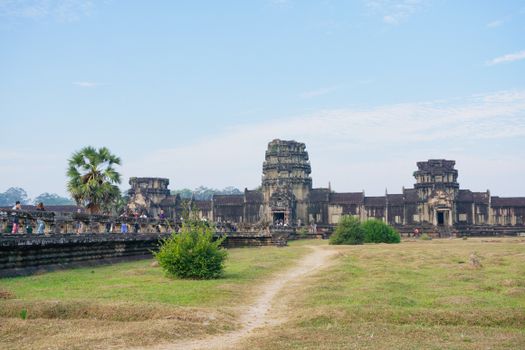
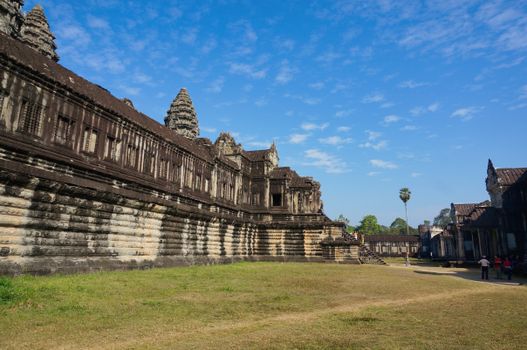
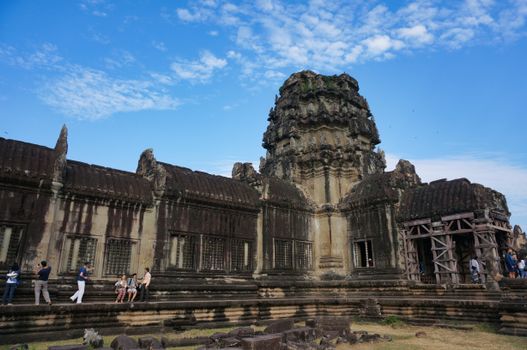
Angkor Wat in Cambodia is among the most visited archaeological sites in the world, and it sets a high bar for scale and carved detail. Many travelers, however, look for other temple complexes that offer different architecture, quieter surroundings or a different historical story. Several sites across Asia, Africa and the Americas are widely regarded as comparable in ambition or craftsmanship, though which one is more impressive depends on personal taste. This guide describes a range of options, what makes each distinctive and how to plan a visit. Access rules and conservation measures change, so confirm details with site authorities before you travel.
How to judge a temple
Useful comparisons go beyond size. Look at the quality of the carving and whether the reliefs survive. Consider the setting, including the landscape, water features and access routes. Check the historical context, such as the religious tradition, the period of construction and the original purpose of the site. Preservation status also matters, because some complexes are heavily restored while others remain partly overgrown. Finally, think about how the site is used today. Some temples are active places of worship, where visitors are expected to behave differently than they would at an archaeological park.
Southeast Asia
Borobudur in Indonesia is a large Buddhist monument whose terraces and stone reliefs make it an important reference point for Javanese architecture. Bagan in Myanmar contains a very large number of temples and stupas spread across a wide plain, which many visitors explore at a slow pace, often using local transport arranged in advance. Sukhothai in Thailand is a historical park with ruins set across landscaped grounds, well suited to a relaxed day. Rules at some of these sites, including limits on climbing, have been adjusted over time, so check the latest guidance before planning.
South Asia
The rock-cut caves at Ellora in India include Buddhist, Hindu and Jain monuments carved into a basalt escarpment, a rare example of several traditions in one place. The ruins at Hampi, the former capital of the Vijayanagara Empire, spread across a boulder-strewn landscape with temples, markets and water structures. Khajuraho, known for its medieval temples with detailed sculpture, is another option. Many of these sites are large, so plan walking routes, consider a licensed guide and allow time for heat and transport between areas.
Egypt and Nubia
Karnak, near Luxor, is an extensive temple complex built and extended over many centuries, with imposing halls and obelisks. Abu Simbel, in southern Egypt, consists of two rock-cut temples associated with Ramesses II. The temples were moved to higher ground in the 1960s as part of a major international rescue effort linked to the construction of the Aswan High Dam, a history many visitors find as interesting as the carvings themselves. Opening times and entry rules can vary, so consult official sources before you go.
The Americas
Tikal in Guatemala is an ancient Maya city with large temple pyramids rising above the forest canopy, and the jungle setting adds a distinctive atmosphere. Palenque in Mexico combines carved temples with a forested hillside. Chichén Itzá in Mexico is known for its pyramid and ball court, and because it is widely visited, arriving early can help. Conditions at tropical forest sites can include heat, humidity and insects, so plan accordingly.
Planning a respectful visit
Dress conventions differ, and many temples expect modest clothing, particularly active places of worship. Remove shoes where requested. Keep to marked routes, do not touch carvings or climb where that is prohibited, and follow the instructions of staff. Early or late visits can offer cooler temperatures and softer light, though some sites have different hours at those times. Licensed local guides can add historical depth and help with logistics.
Practical tips
Verify current entry rules, hours and ticketing before you travel. Check whether a site requires a combined or timed ticket. Carry water, sun protection and a hat. Wear sturdy shoes for uneven stone. Consider a guide for complex sites, and allow a full day for large complexes.
Common mistakes to avoid
A common error is treating temples as a list to be ticked off, moving quickly from one monument to the next without taking in the setting or the history. Slowing down and choosing fewer sites usually gives a richer visit. Another mistake is arriving in the middle of the day, when heat and glare make both exploration and photography harder. Some visitors also assume that climbing is allowed at every site, although many monuments have restrictions to protect the structure. Photographing worshippers or ceremonies without asking is another problem, as is ignoring signs that ask for quiet or restricted access. Finally, seasonal rain or flooding can close paths and roads, so check current conditions before setting out rather than assuming that access is unchanged.
Who this suits and who it doesn't
Visitors who enjoy architecture, history and the stories behind carved reliefs tend to get the most from these sites. Travelers who like unhurried days and are comfortable with heat and uneven ground will also find them rewarding. The sites may be less suitable for people with mobility or joint problems, since many routes involve steps, slopes and loose stone, and for those who become quickly overwhelmed by crowds or intense heat. Travelers with very young children may prefer shorter visits to one or two sites. If you want only the most famous monuments in a single short visit, a comparison trip may leave you feeling rushed. Those curious about religion and daily life may find temples in active use especially engaging, provided they follow local etiquette.
Quick questions
Do you need a guide?
A guide is not always required, but one can add historical context and help you navigate large sites. Choose a licensed guide and confirm their credentials before booking.
Is climbing permitted?
It depends on the site. Many restrict climbing to protect the structure, so follow posted signs and staff instructions at all times.
Which temple suits a first visit?
There is no single answer. Choose a site with clear facilities, reasonable access and a setting that matches your interest in architecture, history or landscape. A site with a clear route, shade and nearby facilities is often easier for a first visit than a remote one.
Angkor Wat is a benchmark, not the only standard. Temples across Asia, Africa and the Americas offer different stories, landscapes and experiences, and many reward a slow, informed visit. Choose based on your interest in architecture, history or setting, and confirm current access before you plan the route.