Cold-water immersion has become a popular activity in many parts of the world. Visitors may plunge into a lake, river or spring fed by mountain or glacial water, sometimes as part of a retreat, a sauna circuit or a guided wellness session. Enthusiasts describe a sharp, refreshing sensation followed by a feeling of alertness. The activity is not without risk, however, and cold water can affect the heart, breathing and muscles quickly. This guide explains what these experiences typically involve, the health and safety considerations that matter most, and how to choose an operator that takes them seriously. It does not offer medical advice, and anyone with health concerns should speak to a doctor first.
What these experiences typically involve
Operators offer a range of formats. Some run short immersions in a natural pool or lake, with a guide and a warm area nearby. Others combine cold water with saunas in a rotation, sometimes called contrast therapy. Retreats may include breathing exercises, guided relaxation or group discussion before and after the plunge. Water temperature is usually measured and shared with participants, and sessions often have time limits.
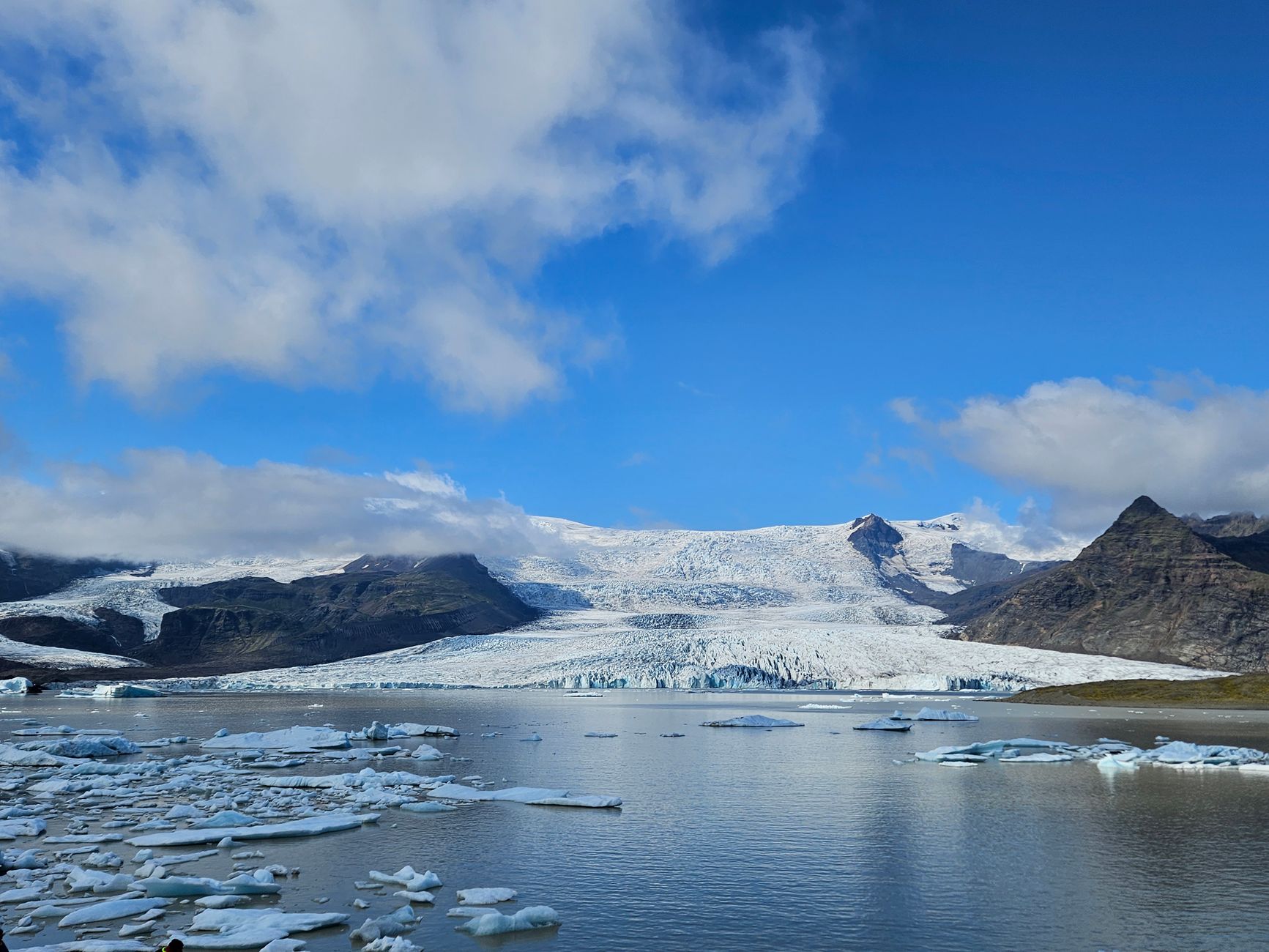
The natural setting adds variables that a controlled pool does not have. Currents, submerged objects, changing water levels, weather and remoteness all matter. An experience run in a managed location with rescue equipment and trained staff is very different from an unsupervised plunge in an isolated spot.
Health considerations
Sudden immersion in cold water triggers an involuntary gasp reflex and a rapid rise in heart rate and blood pressure. This is known as cold shock, and it is the main reason for many cold-water incidents, especially in the first minute. People with heart conditions, high blood pressure, respiratory conditions or certain other medical issues may be at higher risk. Pregnancy, recent surgery and medications that affect circulation or temperature regulation also deserve a conversation with a doctor before attempting immersion.
Alcohol increases risk because it affects judgement and body temperature control. Operators commonly ask participants not to drink before a session, and this advice should be taken seriously. Never enter cold water alone if you are inexperienced.
Safety features to look for
A responsible operator will explain its safety procedures clearly. Look for trained staff or lifeguards present during sessions, clear entry and exit points, and rescue equipment such as throw bags or flotation aids. Water temperature and depth should be monitored and communicated. Operators should provide guidance on how long to stay in the water, when to get out and what to do if you feel unwell.
Ask about health screening. Reputable providers usually request a health questionnaire and may refuse participation for people with certain conditions. A provider that does not ask any health questions is a warning sign.
Choosing where to go
Natural cold-water sites vary greatly. Some lakes and rivers are managed as public swimming areas with lifeguards and signage. Others are remote, with no supervision and changing conditions. Check local advice about water quality, currents and hazards, and look for official information from park authorities or local water safety organisations. Seasonal changes can affect temperature and safety, so the same site may be very different in spring and autumn.
Consider access and facilities. Changing areas, warm showers and a route to a heated space are valuable for recovery. Ask what happens if the weather turns or if someone needs help.
Practical safety guidance
Enter the water slowly and control your breathing before submerging. Keep your head above water and avoid diving in. Limit your time in the cold, and get out as soon as you feel numbness, confusion or severe discomfort. Dry off quickly and warm up gradually with dry layers, warm drinks and shelter. Do not rapidly reheat the body with very hot baths or intense heat, since this can cause problems for some people.
Never rely on alcohol or drugs to make the experience more tolerable. Stay within your limits, and listen to the guidance of trained staff.
Practical tips
- Speak to a doctor before trying cold immersion if you have any heart, blood pressure, breathing or other medical concern.
- Choose a supervised operator with trained staff, rescue equipment and a clear safety briefing.
- Avoid alcohol before and after immersion, and do not swim alone in unfamiliar water.
- Enter slowly, control your breathing and limit your time in the water.
- Check current conditions, including temperature, currents and weather, before going.
- Warm up gradually after getting out, and keep dry clothes and warm drinks ready.
Cold-water immersion can be an invigorating part of an outdoor trip, but it is not a casual activity. The combination of cold shock, changing natural conditions and individual health differences means that preparation and supervision matter greatly. Choose operators that prioritise safety over spectacle, and remember that stepping out is always a valid choice.