Chasing Whispers of Spring: My Obsession with Nature's Fleeting Masterpieces
The first time I stood amidst a field of blooming bluebonnets in Texas, the air thick with their sweet, earthy scent, a profound realization hit me. This wasn't just a pretty sight; it was a living, breathing testament to time, a fleeting moment of perfection that would vanish as quickly as it appeared. It sparked an obsession – a glorious, globe-trotting quest to witness nature's most spectacular, "once-a-year" spring blooms.
At Tripsora, we're all about those jaw-dropping, "did-you-see-that?" moments, and let me tell you, nothing quite blows your mind like a landscape transformed by millions of blossoms that are here today, gone tomorrow. Forget your everyday garden variety; these are the rockstars of the floral world, demanding attention, inspiring awe, and leaving an indelible mark on your soul.
So, grab your camera, pack your bags, and prepare to have your mind absolutely blown. Here are my top picks for spring blooms that happen only once a year and are absolutely worth chasing.
1. The Netherlands' Tulip Tapestry: A Symphony of Color in the Low Countries
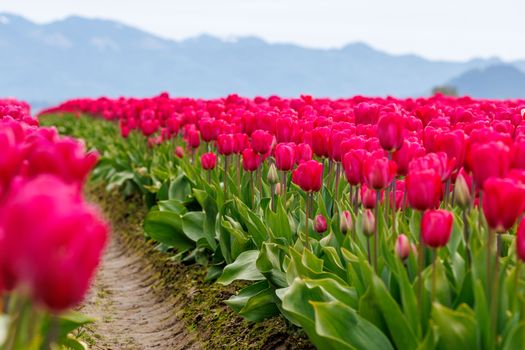
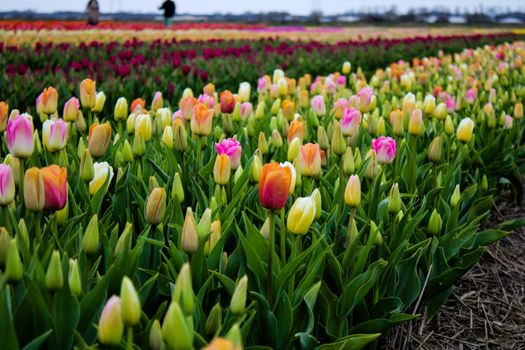
When you think of spring blooms, the iconic tulip fields of the Netherlands are probably one of the first images that come to mind. And for good reason! While tulips might seem "common," experiencing the sheer scale and vibrant artistry of these fields in person is anything but. It’s a sensory overload in the best possible way, a living kaleidoscope that stretches to the horizon.
My Personal Anecdote:
I remember my first time cycling through the fields near Lisse. The air was crisp, the wind carrying the faint, sweet scent of a million flowers. I rounded a bend, and suddenly, an endless ribbon of scarlet, gold, and purple unfurled before me. It felt like cycling through a painting, each stripe of color perfectly aligned, a testament to centuries of cultivation. It wasn't just pretty; it was breathtakingly vast.
What Makes it Mind-Blowing:
It's the sheer, unbelievable scale. Imagine fields not just of a few rows, but acres upon acres, meticulously planted in stripes of every color imaginable. The sight of millions of tulips blooming simultaneously, often with traditional Dutch windmills in the background, is pure, unadulterated magic.
When to Go:
Mid-April to early May is peak season, but it can vary slightly depending on the weather. Always check local bloom forecasts before booking.
Where to See Them:
* Keukenhof Gardens (Lisse): The most famous and meticulously curated display, featuring over 7 million bulbs. It's truly a floral art exhibition. Entry: Around €19-20. Book online in advance to save time.
* Surrounding Fields: Rent a bicycle from Lisse or Noordwijkerhout and explore the endless fields. This is where you get those iconic, uninterrupted shots.
* Flower Parade (Bloemencorso Bollenstreek): Usually held in late April, this parade features floats adorned with incredible floral sculptures.
Practical Tips:
* Go Early: Beat the crowds at Keukenhof by arriving right at opening time.
* Rent a Bike: It’s the best way to experience the fields. Many rental shops are available, often near train stations.
* Respect the Fields: Stay on designated paths. Those beautiful flowers are someone's livelihood!
* Pack Layers: Spring weather in the Netherlands can be unpredictable.
2. Japan's Wisteria Tunnels: A Cascading Dreamscape
While Japan's cherry blossoms get all the international fame (and deservedly so!), the wisteria tunnels are a hidden gem that offer an equally, if not more, ethereal and mind-blowing experience. Imagine walking beneath a canopy of cascading purple, pink, and white flowers, their delicate fragrance filling the air. It feels like stepping into a fairy tale.
My Personal Anecdote:
I stumbled upon the Kawachi Fujien Wisteria Garden during a trip to Fukuoka. I had seen photos, but nothing prepared me for the reality. As I walked into the main tunnel, the world outside seemed to fade away. I was enveloped in a fragrant, lavender-hued dream. The way the light filtered through the dense blossoms, casting dappled shadows, made it feel like I was walking through a living, breathing stained-glass window. It was utterly surreal.
What Makes it Mind-Blowing:
The sheer architectural beauty created by these climbing vines. They are trained over trellises to form tunnels and domes, creating an immersive, otherworldly experience. The range of colors, from deep violet to pale lavender, pink, and white, adds to the enchantment.
When to Go:
Late April to early May, typically right after the main cherry blossom season.
Where to See Them:
* Kawachi Fujien Wisteria Garden (Kitakyushu): The most famous, with two magnificent tunnels. Entry: Varies from ¥500-¥1500 depending on bloom status. Tickets must be purchased in advance online or at convenience stores (e.g., 7-Eleven, FamilyMart) in Japan. No on-site ticket sales.
* Ashikaga Flower Park (Tochigi Prefecture): Home to a stunning 150-year-old wisteria tree, a wisteria tunnel, and a rare yellow wisteria tunnel. They also have breathtaking night illuminations. Entry: Varies from ¥900-¥2100 depending on bloom status.
Practical Tips:
* Book Ahead: Especially for Kawachi Fujien, tickets sell out fast.
* Wear Comfortable Shoes: You’ll want to stroll slowly and soak it all in.
* Be Patient: These spots can get crowded, especially on weekends. Embrace the communal awe!
* Capture the Light: The best photos are often taken when the sun is filtering through the blossoms.
3. California's Superblooms: Deserts Awakening in a Riot of Color
This is perhaps the most ephemeral and truly "once-in-a-lifetime" experience on this list. A superbloom occurs when an unusually wet winter, followed by warm spring temperatures, causes an explosion of wildflowers in arid regions that typically see sparse vegetation. The desert floor transforms into a vibrant carpet of poppies, lupines, desert sunflowers, and more.
My Personal Anecdote:
I remember driving through Anza-Borrego Desert State Park during the 2017 superbloom. The air vibrated with the buzz of bees, and the scent of sage and wildflowers was intoxicating. What was normally a stark, rocky landscape was now a painter's palette of orange, purple, and yellow, stretching as far as the eye could see. It felt like the desert was exhaling, releasing years of pent-up beauty in one glorious burst. It was a humbling reminder of nature's power and resilience.
What Makes it Mind-Blowing:
The stark contrast. To see a barren desert explode with such vibrant life is truly astonishing. It’s unpredictable, rare, and utterly spectacular, a testament to the power of water in an arid land.
When to Go:
Late February to April, but only after a particularly wet winter. Superblooms don't happen every year.
Where to See Them:
* Anza-Borrego Desert State Park: Often the first to bloom, offering vast expanses of wildflowers. Entry: Day use fee is typically $10 per vehicle.
* Antelope Valley California Poppy Reserve: Famous for its rolling hills covered in bright orange California poppies. Entry: Day use fee is typically $10 per vehicle.
* Death Valley National Park: Less common for superblooms, but when it happens, it's truly surreal to see flowers in the hottest place on Earth. Entry: $30 per vehicle for 7 days.
Practical Tips:
* Monitor Bloom Reports: Follow park websites, social media, and local news for real-time updates. This is crucial as superblooms are highly conditional.
* Go Early/Late: Midday sun can make colors less vibrant and crowds larger. Golden hour is best for photography.
* Stay on Trails: Never walk off designated paths. Trampling flowers prevents them from seeding for future blooms.
* Be Prepared: Desert conditions can be extreme. Bring plenty of water, sunscreen, hats, and sturdy shoes. Cell service can be spotty.
* Leave No Trace: Pack out everything you pack in.
4. Texas Bluebonnets: A Lone Star State Tradition
Every spring, a sea of indigo sweeps across the rolling hills and roadsides of Texas as the state flower, the bluebonnet, bursts into bloom. While not as "rare" as a superbloom, the sheer density and cultural significance of bluebonnets make them a truly mind-blowing and quintessential spring experience that happens only once a year.
My Personal Anecdote:
Growing up, spring meant road trips to find the best bluebonnet patches. My grandmother would always say, "If you don't take a picture in the bluebonnets, did spring even happen?" One year, we found a field so dense, it looked like a literal blue carpet had been unrolled across the landscape. We spent hours there, the sun warming our faces, the sweet scent of the flowers all around us. It's a memory steeped in nostalgia and the simple beauty of nature.
What Makes it Mind-Blowing:
It's the iconic imagery and the way these flowers transform entire landscapes, especially along scenic drives. Coupled with the rolling hills, rustic fences, and charming small towns, it’s a picture-perfect slice of Americana.
When to Go:
Late March to mid-April, with peak blooms often in early April.
Where to See Them:
* Texas Hill Country: The heart of bluebonnet country. Towns like Fredericksburg, Burnet (the "Bluebonnet Capital of Texas"), and Llano are excellent bases.
* Washington County: Home to scenic drives and expansive fields.
* Ennis: Hosts the official Texas Bluebonnet Trail and Festival in April.
* Roadsides: Keep your eyes peeled! Many of the best spots are simply along highways and country roads.
Practical Tips:
* Watch for Snakes: Bluebonnet fields are natural habitats. Be aware of your surroundings.
* Don't Trespass: If a field is fenced or on private property, admire from afar. Many public parks and designated areas offer ample photo opportunities.
* Plan a Scenic Drive: The Willow City Loop near Fredericksburg is particularly famous for its wildflower displays.
* Local Festivals: Check out events like the Ennis Bluebonnet Trails Festival for maps and guided routes.
5. South Africa's Namaqualand Daisies: The Desert's Floral Resurrection
Imagine a semi-arid region, typically known for its sparse vegetation, suddenly bursting into an unimaginable riot of color. That's Namaqualand, South Africa, during its spectacular spring bloom. After the winter rains, millions of indigenous daisies and other wildflowers transform the landscape into a vibrant, undulating tapestry of orange, white, yellow, and purple. This is truly one of the world's most dramatic and ephemeral floral displays.
My Personal Anecdote:
I had heard tales of Namaqualand, but seeing it for myself was like witnessing a miracle. One moment, I was driving through dusty, scrubby landscape; the next, the entire world outside my window had erupted in a dazzling, unbroken carpet of flowers. It felt like the earth itself was breathing a sigh of vibrant relief. The sheer density and variety of the blooms, many of which are found nowhere else on Earth, left me utterly speechless. It's a stark reminder of nature's incredible ability to thrive in harsh conditions.
What Makes it Mind-Blowing:
The sheer unexpectedness and scale. Namaqualand is a dry region for most of the year, making the spring transformation even more astonishing. It's a natural phenomenon that draws visitors from around the globe to witness its fleeting glory.
When to Go:
Late July to early September, with August generally being the peak, depending on the winter rainfall.
Where to See Them:
* Namaqua National Park: The prime location, offering designated flower routes and incredible viewing opportunities. Entry: Around R50-R100 for international visitors.
* Skilpad Wildflower Reserve: Part of Namaqua National Park, specifically managed for wildflower viewing.
* West Coast National Park: Further south, but also offers stunning displays, especially in the Postberg section. Entry: Around R90-R100 for international visitors during flower season.
* Roadsides: The N7 highway and smaller regional roads will also be lined with spectacular blooms.
Practical Tips:
* Book Accommodation Early: Lodging in the small towns of Namaqualand (e.g., Springbok, Garies, Kamieskroon) fills up incredibly fast.
* Drive Slowly: Many of the best views are from the car, but you'll want to pull over frequently for photos.
* Go Mid-Morning to Mid-Afternoon: The flowers tend to open fully when the sun is out and warm, often closing up on overcast days or in the late afternoon.
* Be Flexible: Bloom times are entirely dependent on rainfall. Check local tourism websites for bloom updates before your trip.
* Pack for All Seasons: Days can be warm and sunny, but mornings and evenings can be chilly.
6. Jacaranda Avenues: Purple Rain in Urban Landscapes
While Jacaranda trees are not indigenous to many of the places they now thrive, their annual, synchronized bloom creates a truly mind-blowing, once-a-year spectacle. When thousands of these trees burst into a vibrant purple hue, they transform entire cities into fairytale landscapes, carpeting streets and sidewalks with a fragrant, lavender "rain."
My Personal Anecdote:
I was in Pretoria, South Africa, during Jacaranda season, and it was simply magical. Driving through the city, every street was an avenue of purple. The trees arched overhead, creating natural tunnels, and the ground was a soft, fragrant carpet of fallen blossoms. It felt like the city itself was celebrating, adorned in its finest, most regal attire. I remember sitting at a cafe, sipping coffee, and just watching the purple petals drift down like gentle confetti.
What Makes it Mind-Blowing:
The sheer density and urban integration. These aren't just isolated trees; they line entire boulevards, parks, and residential streets, creating a cohesive, immersive purple experience that feels both natural and perfectly orchestrated.
When to Go:
* Pretoria, South Africa: Mid-October to mid-November (Southern Hemisphere Spring).
* Grafton, Australia: Late October to mid-November (Southern Hemisphere Spring).
* Buenos Aires, Argentina: Late October to early December (Southern Hemisphere Spring).
Where to See Them:
* Pretoria, South Africa: Known as "Jacaranda City," it boasts over 70,000 trees. Drive or walk through neighborhoods like Arcadia, Brooklyn, and Sunnyside.
* Grafton, Australia: Hosts a famous Jacaranda Festival. See them along Pound Street and in the Jacaranda Avenue.
* Buenos Aires, Argentina: Look for them in Palermo and Recoleta parks.
Practical Tips:
* Look Up, Look Down: The beauty is both in the canopy and the carpet of fallen flowers on the ground.
* Mind the Mess: The fallen flowers can be slippery when wet, and they can stain clothes.
* Combine with City Exploration: These blooms are often found in urban centers, making it easy to combine flower viewing with cultural experiences, dining, and shopping.
* Photography: The soft, purple light is fantastic for portraits and street photography.
Capturing the Ephemeral: Tips for Your Bloom Chasing Adventures
These once-a-year blooms aren't just about seeing; they're about experiencing, feeling, and capturing moments that will last a lifetime. Here are some general tips to make your bloom-chasing trips truly unforgettable:
- Do Your Homework (and then some): Bloom times are highly variable and dependent on weather. Always check official park websites, local tourism boards, and even social media hashtags for real-time updates right before you go.
- Go Early or Late: Crowds can be intense, especially at popular spots. Arriving at sunrise or staying until just before sunset often offers better light for photography and fewer people.
- Respect Nature: Stay on marked paths, don't pick flowers, and never trespass on private property. Remember, these are delicate ecosystems and often someone's livelihood.
- Pack Smart: Comfortable walking shoes are a must. Layers are always a good idea for spring weather. Sunscreen, a hat, and plenty of water are essential, especially in desert environments.
- Bring the Right Gear: A good camera (DSLR, mirrorless, or even a high-quality phone camera) is key. A wide-angle lens will help capture vast landscapes, while a macro lens can focus on intricate details. Don't forget extra batteries!
- Embrace the Journey: Sometimes the most unexpected and beautiful blooms are found on an unplanned detour. Be open to discovery!
- Leave No Trace: Pack out everything you pack in. Let's keep these natural wonders pristine for future generations.
Your Spring Bloom Bucket List Awaits!
There’s something incredibly profound about witnessing a natural phenomenon that is so vibrant, so overwhelming, yet so fleeting. These once-a-year spring blooms are more than just pretty flowers; they are nature's grand performances, a reminder of the cyclical beauty of life, and an invitation to slow down and truly appreciate the present moment.
From the organized grandeur of Dutch tulip fields to the wild, unpredictable explosions of desert superblooms, each destination offers a unique and mind-blowing experience. They challenge us to chase beauty, to travel with intention, and to connect with the planet in a deeply meaningful way.
So, which of these ephemeral wonders will you chase first? Don't just dream about it – start planning your spring bloom adventure today! Share your favorite bloom-chasing memories or your dream floral destination in the comments below, and let's inspire each other to witness these incredible, once-a-year spectacles.
---