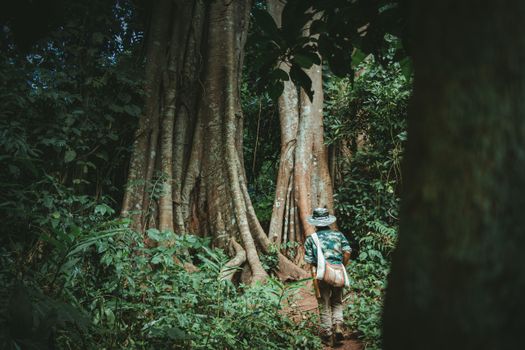
The first time I slept in the jungle canopy, I didn't just feel like I was a part of the rainforest; I was the rainforest. I remember waking up to the symphony of howler monkeys echoing through the misty dawn, a symphony so loud and visceral it vibrated through the very platform I lay on. Above me, the last stubborn stars twinkled through a fleeting gap in the leaves, and below, the canopy stretched out like an emerald ocean, slowly waking up to the sun's first rays. There was no Wi-Fi, no room service, just me, a simple mosquito net, and the raw, untamed heart of the jungle. It was, without a doubt, the most profound and humbling sleep of my life.
This wasn't a luxury eco-lodge or a glamping experience advertised on every travel site. This was something far more authentic, far more challenging, and far more rewarding. It was one of those hidden gems, a secret whispered among local guides, an experience so pure that sometimes, you get the distinct feeling the locals would rather keep it just for themselves. And honestly? I get it. The magic of these truly off-grid canopy treks lies in their exclusivity, their rawness, and their deep connection to the land and its people.
At Tripsora, we’re all about uncovering those extraordinary journeys that transform you. Today, I’m pulling back the curtain on some of the most incredible, under-the-radar jungle treks where your bed is literally among the branches – experiences that promise to be the highlight of your adventurous life.
The Call of the Wild: Why Canopy Sleeping is Different
Forget your standard jungle lodge. While many offer comfortable rooms with a view, sleeping in the canopy is an entirely different beast. It’s an immersion, not just an observation.
A Symphony of the Senses:
From your elevated perch, the jungle’s nocturnal chorus becomes your lullaby. The chirping of crickets, the rustle of leaves as unseen creatures move below, the distant call of a jaguar, the rain pattering on the leaves just inches from your head – every sound is amplified, immediate, and utterly captivating. You’re not just hearing the jungle; you're feeling its pulse.
A New Perspective:
Being high above the forest floor offers a unique vantage point. You’ll witness the world from the perspective of monkeys, sloths, and countless bird species. Sunrises paint the canopy in a kaleidoscope of colors, and sunsets are a dramatic farewell to the day, all from your private, unparalleled balcony. This elevated view also often means better air circulation and fewer ground-dwelling insects, offering a surprisingly peaceful night.
Unfiltered Wildlife Encounters:
While ground treks are fantastic for spotting larger mammals, the canopy is where the arboreal magic truly happens. Imagine waking to a troop of capuchin monkeys swinging past your platform, or spotting a sloth slowly making its way along a branch at eye level. Rare birds, often camouflaged from below, become visible from your elevated position. It’s a wildlife photographer’s dream and a nature lover’s paradise.
The Thrill of the Untamed:
These aren't experiences designed for mass tourism. They require a certain level of adventurous spirit, a willingness to forgo creature comforts, and a deep respect for nature. This rawness is precisely what makes them so profoundly rewarding – you earn every single breathtaking moment.
Unearthing the Untouched: Where to Find These Secret Sanctuaries
Finding these truly authentic canopy sleep experiences isn't as simple as booking a hotel online. They often involve working directly with local communities, conservation projects, or independent guides who prioritize sustainability and cultural exchange over tourist dollars. Here are a few regions where such hidden gems can be found:
1. The Amazon Basin (Peru & Ecuador): Community-Led Conservation
- Where to Look: Focus on regions like Tambopata (Peru), Yasuni National Park (Ecuador), or the Pacaya Samiria National Reserve (Peru). These areas have strong community-based ecotourism initiatives.
- The Experience: My first canopy sleep was in a remote part of the Peruvian Amazon, near Puerto Maldonado. We spent three days trekking with an indigenous Ese'Eja guide, learning about medicinal plants and tracking wildlife. On the final night, we climbed a series of sturdy, hand-built ladders and platforms to reach a simple, open-air sleeping platform about 60 feet up in a kapok tree. Our beds were hammocks with integrated mosquito nets, and our dinner was a delicious, locally sourced meal cooked over an open fire at the base of the tree. The cost for a 3-day, 2-night trek including this canopy sleep was around $450-600 USD per person, covering guides, food, and basic accommodation.
- Finding Them: Forget big tour operators. Look for small, locally-owned eco-lodges or community associations (e.g., the Infierno community near Tambopata in Peru, or organizations working with the Huaorani in Ecuador) that explicitly mention "canopy platforms" or "tree camping" as part of longer, immersive treks. Often, these are not heavily advertised online to maintain their low-impact nature. Word-of-mouth among local guides in gateway towns is often your best bet.
2. Borneo (Malaysia & Indonesia): Research & Conservation Hubs
- Where to Look: Areas like Danum Valley Conservation Area (Sabah, Malaysia) or the more remote parts of Kalimantan (Indonesian Borneo) are prime spots. These are often linked to scientific research or orangutan rehabilitation centers.
- The Experience: In Borneo, some conservation projects offer very basic, elevated platforms or even tree-tents (like Tentsile tree tents) for researchers and, occasionally, for intrepid visitors who are part of their volunteer or immersive programs. These are less about luxury and more about being truly embedded in the forest. I once spent a night in a simple, elevated shelter near the Kinabatangan River, assisting a local team with bird surveys. The "bed" was a mat on a wooden platform, but the view of the river winding through the jungle at sunrise was unforgettable. Expect basic facilities – think bucket showers and composting toilets.
- Finding Them: Contact conservation organizations (e.g., WWF Malaysia, Borneo Eco Tours with a focus on community projects) or research stations directly. Inquire about extended jungle treks or volunteer opportunities that might include elevated sleeping arrangements. Prices can vary wildly, from $200-800+ USD per day depending on the level of support, scientific involvement, and duration.
3. Costa Rica (Osa Peninsula & Remote Reserves): Sustainable Eco-Adventures
- Where to Look: The Osa Peninsula (Corcovado National Park area) and some private reserves in the central highlands or Caribbean slope are known for their commitment to ecotourism.
- The Experience: Costa Rica is a pioneer in eco-lodges, but some smaller, more adventurous operations go beyond the typical. I found a small, family-run reserve on the edge of Corcovado that had built a few simple, open-air platforms accessed by rope ladders. These weren't elaborate treehouses but rather sturdy, covered platforms with hammocks or thin mattresses. The focus was entirely on wildlife viewing and sustainable living. We spent our days hiking through pristine primary rainforest and our nights listening to the incredible sounds of the Osa. A 2-day, 1-night stay, including guides, food, and the canopy platform, cost me around $300 USD.
- Finding Them: Look for "rustic eco-lodges," "tree camping," or "canopy platforms" on smaller, local tour operator websites, especially those emphasizing deep immersion in nature. Often, these are only bookable directly or through very specific, trusted local agents.
The Art of the Ascent: What to Expect on a Canopy Trek
Prepare to leave your comfort zone, but also prepare for an experience that will redefine your idea of adventure.
Pre-Trek Preparation is Key:
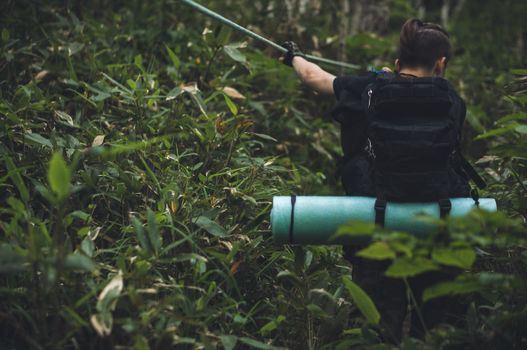
* Fitness: You don't need to be an Olympic athlete, but good physical fitness is essential. You'll be hiking, potentially climbing ladders or using harnesses for access, and carrying a daypack.
* Gear: Pack light! Quick-drying clothes (long sleeves/pants for insect protection), sturdy hiking boots, a small backpack, headlamp (non-negotiable!), insect repellent (DEET is often necessary), a wide-brimmed hat, refillable water bottle, basic first-aid kit (with blister treatment, pain relievers, anti-diarrhea meds), and a lightweight rain jacket. A dry bag for electronics is a lifesaver.
* Vaccinations & Health: Consult your doctor about necessary vaccinations (Yellow Fever, Hepatitis A/B, Tetanus) and malaria prophylaxis for the region you're visiting. Travel insurance that covers emergency evacuation is a must.
The Journey In:
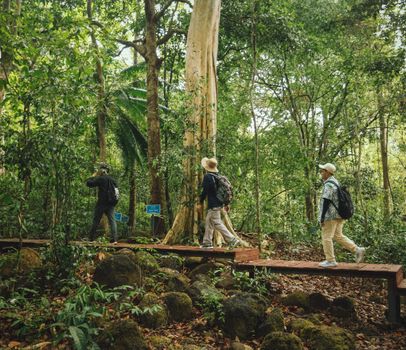
Accessing these remote spots often involves a combination of local transport (boats, 4x4s), and significant hiking through dense, humid jungle. Embrace the journey – it’s part of the adventure!
The Canopy Setup:
This isn't glamping. Expect basic but safe.
* Sleeping: Usually a sturdy wooden platform, sometimes covered by a basic roof. Your bed will likely be a high-quality hammock with an integrated mosquito net, or a simple ground mat with a separate net.
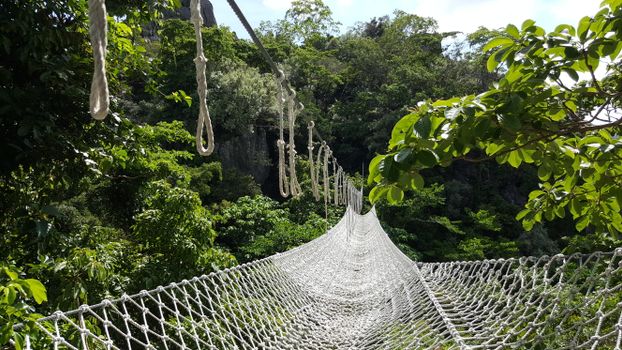
* Access: Can range from wooden ladders to rope ladders, or even a basic harness and rope system (always with trained guides and safety protocols).
* Facilities: Don't expect flush toilets or hot showers. Toilet facilities will be rudimentary (e.g., composting toilets or designated spots). Water for washing might be from a stream or collected rainwater. This is about roughing it, beautifully.
The Night:
The sounds are incredible. The feeling of being suspended in the vastness of the forest, under a blanket of stars, is truly spiritual. Embrace the darkness, the sounds, and the profound sense of peace.
Food & Water:
Meals will be simple, often cooked over an open fire, and locally sourced. Think rice, beans, fresh fish or chicken, and local fruits. Water will be filtered or boiled. Bring rehydration salts for long treks in humid conditions.
The Unwritten Rules: How to Be a Responsible Canopy Explorer
Because these experiences are often community-led and off-the-beaten-path, your impact is magnified. Be a mindful traveler.
- Respect Local Culture: Your guides are your hosts and your teachers. Listen to them, learn from them, and respect their traditions. A few basic phrases in the local language (e.g., "hello," "thank you") go a long way. Always ask permission before taking photos of people.
- Leave No Trace: This is paramount. Pack out everything you pack in. Do not leave any trash behind, not even organic waste like fruit peels (it can disrupt local ecosystems). Stick to designated paths.
- Wildlife Etiquette: Observe from a distance. Never feed wild animals – it changes their behavior and can make them dependent or aggressive. Keep noise levels down. Do not disturb nests or natural habitats.
- Support Local Economies: Hire local guides directly or through community-run initiatives. Purchase local handicrafts responsibly. Your money directly benefits the people who are preserving these incredible places.
- Sustainability: Choose operators who demonstrate a genuine commitment to environmental conservation and fair labor practices. Ask questions about their impact.
Beyond the Bark: The Magic Moments You Won't Forget
It’s not just about the sleep; it’s about the moments that punctuate the entire experience.
I remember one morning, just as the sun was burning off the mist, I saw a pair of macaws fly directly towards my platform, their vibrant plumage a flash of impossible color against the green. They landed on a branch just meters away, squawking their morning greetings to each other, completely oblivious to my presence. It was a moment of pure, unadulterated wildness, and I felt like I was privy to a secret conversation of the jungle.
Another time, during a particularly clear night in Borneo, the stars exploded above me. Without any light pollution, the Milky Way was a dazzling river of light, so bright it felt like I could reach out and touch it. Lying there, suspended between earth and sky, I felt an incredible sense of insignificance and profound connection all at once. These are the moments you can't buy, the stories you'll tell for a lifetime, and the feelings that will stay with you long after you've returned to civilization.
The sense of accomplishment after a challenging trek, the shared laughter with your guide around a campfire, the taste of freshly caught piranha (yes, really!), the quiet awe of spotting a rare creature – these are the treasures of a secret canopy trek.
Planning Your Secret Escape: Practicalities & Budget
Ready to trade five-star resorts for a million-star canopy? Here’s how to start planning your extraordinary adventure.
- Finding Operators: This is the trickiest part. Don't rely solely on Google. Instead:
- Local Tour Offices: Once you arrive in a gateway town (e.g., Puerto Maldonado in Peru, Kota Kinabalu in Malaysia, Puerto Jimenez in Costa Rica), visit small, local tour offices. Ask specifically for "community-based tours," "eco-treks with canopy platforms," or "tree camping."
- Word-of-Mouth: Talk to other adventurous travelers, backpackers, or expat communities in these regions. They often have the inside scoop on lesser-known guides.
- Direct Contact: Research local indigenous communities or small conservation projects online and reach out to them directly via email. Be patient with responses, as they may have limited connectivity.
- Specialized Eco-Tour Operators: Some very niche, responsible tour operators (like "Responsible Travel" or "G Adventures" on their more adventurous tours) might offer similar experiences, but double-check their itineraries for true canopy sleep.
- Pricing: These experiences are not necessarily cheap, but they offer incredible value. Expect to pay anywhere from $150 - $500+ USD per person per day, depending on the remoteness, duration, inclusions (guides, food, transport), and the ethical standards of the operator. Remember, a higher price often reflects fair wages for local guides, community contributions, and robust safety measures. Be wary of prices that seem too good to be true.
- Best Time to Go:
- Dry Season: Generally preferred for easier trekking, fewer mosquitoes, and better wildlife viewing opportunities (animals congregate around water sources). However, it can be hotter.
- Wet Season: Expect rain, mud, and more insects, but the jungle is incredibly vibrant, and rivers are higher for boat travel. Some unique wildlife might be more active. Research the specific region’s climate patterns.
- Connectivity: Assume you will be completely off-grid. Embrace it! Inform loved ones of your itinerary and expected return. This is your chance to truly disconnect and immerse yourself.
- Safety First: Always use a reputable guide with proven experience in the jungle and with canopy access. Ensure they have proper safety equipment (harnesses, ropes, first-aid). Never attempt to go off-trail alone.
Conclusion: Your Canopy Adventure Awaits
Sleeping in the jungle canopy is more than just a place to rest your head; it’s an education, a challenge, and a profound connection to the natural world. It strips away the superficial and leaves you with an unforgettable sense of awe and belonging. These aren't experiences for the faint of heart or those seeking luxury, but for the true adventurer, they offer a reward far greater than any thread count or Michelin star.
Are you ready to trade manufactured comforts for the raw, vibrant heartbeat of the jungle? Are you willing to venture beyond the well-worn paths to discover the secrets locals keep close to their hearts? Then start planning your secret jungle escape today. The canopy is calling, and it's waiting to show you a side of the world you never knew existed.
Share your wildest jungle dreams in the comments below! Have you ever slept under a canopy of stars or heard the jungle's secrets whispered in the night? We want to hear your stories!
---