Educational Trips That Feel Like Adventures That Will Blow Your Mind
Remember that feeling in school when the bell rang, signaling freedom from textbooks and lectures? For years, I associated 'education' with 'obligation' and 'travel' with 'escape.' My early trips were all about beaches, bustling cities, and ticking off landmark lists. And they were great! But then, something shifted.
It was during a solo trip to Peru, hiking the Inca Trail. I'd booked it for the physical challenge and the iconic Machu Picchu photo op. What I didn't expect was the profound connection I felt to the ancient Inca civilization, guided by a local expert whose stories brought every ruin, every mountain pass, to vivid life. I wasn't just walking; I was walking in the footsteps of history, learning about advanced engineering, spiritual beliefs, and a sophisticated society that thrived against all odds. That trek wasn't just an adventure; it was an education that blew my mind wide open.
That experience ignited a new passion: educational travel that feels like an epic adventure. This isn't your grandma's guided tour or a dry academic seminar. This is about hands-on learning, deep cultural dives, and pushing your boundaries – all while exploring some of the most incredible places on Earth. It's about coming home not just with souvenirs, but with new skills, profound insights, and a fresh perspective that truly transforms you.
Are you ready to swap passive sightseeing for active discovery? To trade tourist traps for genuine learning experiences that deliver an adrenaline rush and intellectual stimulation in equal measure? Let's dive into some of the most mind-blowing educational adventures out there.
1. The Lure of the Lost: Unearthing History & Archaeology
There’s something undeniably thrilling about touching history, about peeling back layers of time with your own hands. Forget dusty museums; imagine being part of an actual archaeological dig, helping to unearth artifacts that haven't seen the light of day in millennia. This isn't just for academics; "citizen science" programs welcome enthusiastic amateurs from all walks of life.
My Experience:
My first foray into archaeological tourism was with a small group in Crete, Greece. We weren't just visiting the palace of Knossos; we were part of a field school near a lesser-known Minoan site. For two weeks, I sifted through soil, learned basic surveying techniques, and carefully cleaned pottery shards that were thousands of years old. The feeling of holding a piece of history, knowing I was contributing to a larger understanding of an ancient civilization, was absolutely electrifying. One afternoon, I uncovered a small, perfectly preserved clay seal – a tiny glimpse into someone's daily life from 3,500 years ago. It was a moment of pure, unadulterated awe.
Where to Go & What to Expect:
* Mediterranean Wonders: Programs in Greece, Italy, and Turkey often focus on Roman, Greek, or Byzantine sites. You might be excavating a villa, a necropolis, or a forgotten temple.
* Central American Mysteries: Think Maya ruins in Belize, Mexico, or Guatemala. Here, you could be helping to map a ceremonial center or conserve ancient stelae.
* Programs like Earthwatch Institute (Earthwatch.org) or Archaeological Institute of America (archaeological.org) offer a range of volunteer opportunities for various skill levels and interests. Many university field schools also welcome paying participants.
Practical Tips:
* Fitness: While not always strenuous, be prepared for physical work: digging, sifting, walking uneven terrain, and being outdoors for long hours.
* Patience: Archaeology is meticulous and slow. You won't find treasure every day, but every small discovery contributes to the big picture.
* Packing: Durable work clothes, sturdy boots, a wide-brimmed hat, sunscreen, and a reusable water bottle are essential.
* Cost: Programs typically range from $1,500 - $4,000+ per two-week session, often including accommodation, meals, and expert guidance. Flights are usually separate.
Instagram-Worthy Moment:
A close-up of your dusty hands carefully brushing soil off an ancient artifact, or a panoramic shot of an excavation site against a stunning historical backdrop.
2. Roaming with a Purpose: Wildlife Conservation Expeditions
Imagine trekking through dense jungle, not just to see magnificent animals, but to contribute directly to their survival. Wildlife conservation expeditions combine the thrill of encountering incredible creatures in their natural habitat with the profound satisfaction of making a tangible difference.
My Experience:
My most impactful wildlife adventure took me to Volcanoes National Park in Rwanda for a gorilla trekking and conservation experience. The hike itself was challenging – steep, muddy, and through thick bamboo forests. But the moment we found the habituated family of mountain gorillas, all fatigue vanished. We spent an hour just observing them: a massive silverback peacefully munching bamboo, playful juveniles tumbling, and a mother grooming her infant. Our guide, a local Rwandan, explained the critical conservation efforts, the challenges they face, and how our permit fees directly support anti-poaching units and community development. It wasn't just a sighting; it was a deep dive into the delicate balance of an ecosystem and the vital work being done to protect it. I left with a profound sense of connection and responsibility.
Where to Go & What to Expect:
* Gorilla Trekking (Rwanda & Uganda): This is the gold standard for primate conservation. You'll spend an hour observing these majestic creatures, with permits often costing $1,500 - $2,000 USD. The experience is heavily regulated to protect the gorillas.
* Marine Conservation (Belize, Thailand, Indonesia): Volunteer to monitor coral reefs, track sea turtles, or assist with marine research. You'll learn to identify species, conduct surveys, and contribute to data collection vital for ocean health.
* Big Cat Conservation (South Africa, Namibia): Work with researchers tracking lions, cheetahs, or leopards, learning about their behavior, habitat, and the threats they face.
Practical Tips:
* Ethical Operators: Research thoroughly to ensure your chosen program genuinely contributes to conservation and follows ethical guidelines. Look for organizations with transparent reporting.
* Physical Preparation: Many wildlife expeditions involve hiking, sometimes in challenging terrain or humid conditions. Build up your stamina.
* Packing: Layers, waterproof gear, sturdy hiking boots, insect repellent, and a good camera with a zoom lens are crucial. For marine projects, a wetsuit and snorkeling gear might be provided, but check ahead.
* Vaccinations & Visas: Check country-specific requirements well in advance.
Instagram-Worthy Moment:
A respectful, zoomed-in shot of a wild animal in its natural habitat (e.g., a gorilla peering through foliage), or a photo of you helping with a conservation task (e.g., planting coral, tracking footprints).
3. Beyond the Postcard: Deep-Dive Cultural Immersion
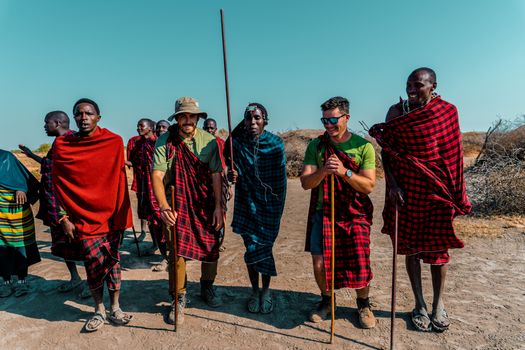
True travel isn't just about seeing a place; it's about understanding its soul. Cultural immersion trips go beyond tourist highlights, inviting you to live like a local, learn a new skill, and truly connect with a different way of life. This is where you don't just observe culture; you become part of it.
My Experience:
My most enriching cultural journey took me to Kyoto, Japan, for a two-week intensive program focused on traditional arts and language. I stayed in a ryokan (traditional inn) and attended daily Japanese language classes. In the afternoons, I plunged into workshops: a tea ceremony masterclass, a session on ikebana (flower arranging), and even an introductory kintsugi (golden repair) workshop. My favorite memory was a cooking class where I learned to make authentic ramen and wagashi (traditional sweets). My sensei, a kind elderly woman, patiently guided my clumsy hands, sharing stories of her family and Kyoto life. It wasn't just learning recipes; it was understanding the philosophy behind Japanese cuisine and hospitality. I left with a basic grasp of the language, a few new skills, and a profound respect for Japan's rich cultural heritage.
Where to Go & What to Expect:
* Language Schools Abroad (e.g., Spain, Italy, France, Japan): Immerse yourself in a new tongue while exploring a vibrant city. Many schools offer cultural activities alongside classes.
* Culinary Journeys (e.g., Italy, Thailand, Mexico, Vietnam): Learn to cook regional dishes from local chefs, visit markets, and understand the role food plays in the culture.
* Traditional Arts & Crafts (e.g., Morocco, India, Peru): Learn weaving, pottery, calligraphy, music, or dance from master artisans.
Practical Tips:
* Homestays: Consider a homestay option for maximum immersion. It's an incredible way to practice language and experience local family life.
* Embrace Discomfort: You'll make mistakes (especially with language!). Laugh it off and keep trying. That's where the real learning happens.
* Local Schools/Workshops: Research reputable local institutions rather than just tourist-focused "experiences."
* Cost: Language schools can range from $200 - $500 per week, depending on intensity. Cultural workshops might be $50 - $200 per session. Accommodation (homestays, hostels, budget hotels) varies greatly.
Instagram-Worthy Moment:
A shot of you intently focused during a cooking class, a beautifully arranged ikebana creation, or a candid photo with your language exchange partner in a bustling market.
4. Starry Nights & Ocean Depths: Scientific Exploration
For the curious mind, scientific exploration trips offer a chance to delve into the natural world's most fascinating phenomena, from the cosmos above to the hidden life beneath the waves. These aren't just nature tours; they're expeditions designed to deepen your scientific understanding.
My Experience:
My ultimate scientific adventure took me to the Galapagos Islands. While it's a popular destination, I chose a small, eco-conscious cruise that focused heavily on education. Our naturalist guide, a marine biologist, was a walking encyclopedia. Every day was a lesson: snorkeling with playful sea lions, observing blue-footed boobies perform their mating dance, identifying various finch species that inspired Darwin, and hiking across volcanic landscapes. I learned about plate tectonics, endemic species, and the delicate balance of this unique ecosystem. One evening, far from any light pollution, our guide pointed out constellations and explained the vastness of the universe. It felt like being on an alien planet, simultaneously humbled by nature and empowered by knowledge.
Where to Go & What to Expect:
* Galapagos Islands, Ecuador: The ultimate living laboratory for evolution. Small-ship cruises offer intimate encounters with unique wildlife and expert guidance.
* Atacama Desert, Chile: One of the driest places on Earth, making it ideal for stargazing and astronomy tours. Many observatories offer public visits and even astrophotography workshops.
* Costa Rica / Amazon Rainforest: Focus on biodiversity, ecology, and tropical biology. Guided jungle treks, birdwatching expeditions, and visits to research stations.
* Iceland: Geothermal exploration, glaciology, and aurora borealis chasing. Learn about volcanism, glaciers, and the science behind the Northern Lights.
Practical Tips:
* Expert Guides: The quality of your guide is paramount on these trips. Look for tours led by certified naturalists, biologists, or astronomers.
* Eco-Conscious Travel: Choose operators committed to sustainable practices and minimal environmental impact, especially in sensitive ecosystems like the Galapagos.
* Gear: Binoculars, a good camera, waterproof bags, and appropriate clothing for varying climates are essential. For marine trips, consider an underwater camera.
* Cost: Galapagos cruises are a significant investment, ranging from $3,000 - $8,000+ for a 7-day trip, but day trips and land-based options exist. Astronomy tours in Atacama might be $50 - $150 for a night tour, with multi-day packages costing more.
Instagram-Worthy Moment:
A selfie with a giant tortoise (from a respectful distance!), a stunning long-exposure shot of the Milky Way, or a vibrant close-up of a unique plant or animal.
5. Conquer the Wild: Expedition & Survival Skills
Sometimes, the greatest education comes from learning to rely on yourself in challenging environments. Expedition and survival skill-building trips aren't just about physical endurance; they're about mastering navigation, wilderness first aid, bushcraft, and the mental resilience needed to thrive off the beaten path.
My Experience:
My craving for true self-reliance led me to a multi-day wilderness navigation and survival course in the rugged landscapes of Patagonia, Chile. We learned map reading and compass skills (no GPS allowed!), how to build a basic shelter, purify water, and identify edible plants. One afternoon, our instructor gave us a map and a compass and sent us off to find a specific landmark several kilometers away, alone. It was exhilarating and terrifying! After a few wrong turns and some self-doubt, I found it. That feeling of navigating purely by my own wits, of trusting my skills in the vastness of the wilderness, was incredibly empowering. I returned not just with new practical skills, but with a profound sense of confidence and a deeper appreciation for nature's raw power.
Where to Go & What to Expect:
* Patagonia (Chile/Argentina): Ideal for advanced trekking, mountaineering, and wilderness navigation courses amidst stunning glaciers and peaks.
* Pacific Northwest (USA/Canada): Excellent for bushcraft, wilderness first aid, and survival skills in temperate rainforests and mountains.
* Scottish Highlands / Scandinavian Arctic: Learn cold-weather survival, winter mountaineering, and expedition planning in challenging, remote environments.
* Desert Environments (e.g., Utah, Morocco): Focus on desert survival, water procurement, and navigation in arid landscapes.
Practical Tips:
* Reputable Schools: Choose accredited outdoor education schools with experienced, certified instructors (e.g., NOLS, Outward Bound, local wilderness education centers).
* Physical Fitness: These trips can be demanding. Be honest about your fitness level and train accordingly.
* Gear: Invest in high-quality, durable outdoor gear: appropriate clothing layers, a good backpack, sturdy boots, map, compass, and a reliable first-aid kit.
* Leave No Trace: Learn and practice the principles of Leave No Trace to minimize your impact on the environment.
* Cost: Multi-day courses can range from $500 - $2,500+, depending on duration, location, and intensity, often including gear rental and food.
Instagram-Worthy Moment:
A shot of you confidently reading a map in a stunning wilderness setting, a cozy campfire you built yourself, or a panoramic view from a hard-earned summit.
Ready to Transform Your Travels?
These aren't just trips; they are investments in yourself. They challenge you, educate you, and connect you to the world and its wonders in a way that traditional tourism simply can't. You'll return home not just with photos, but with stories that resonate, skills that empower, and a perspective that broadens your understanding of humanity and the natural world.
So, are you ready to trade the ordinary for the extraordinary? To embark on an adventure where learning is the ultimate thrill? Stop dreaming and start planning! The world is waiting to teach you its secrets, one incredible adventure at a time.
What educational adventure is calling your name? Share your dreams in the comments below, or better yet, share this post with a fellow wanderer who's ready to learn and explore!
---