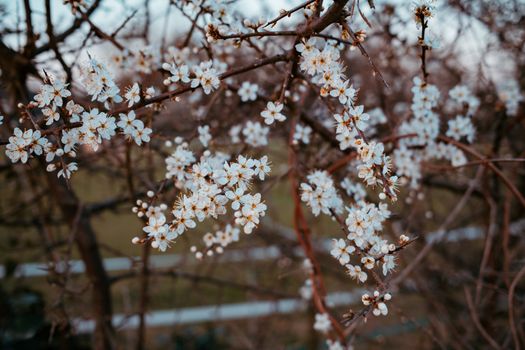
The first time I stood beneath a canopy of cherry blossoms in full bloom, I felt a familiar ache in my chest – the kind that only truly breathtaking beauty can evoke. It was a crisp April morning in Kyoto, and the Philosopher's Path was awash in a delicate pink snowfall. Petals drifted onto my shoulders, settled on the surface of the canal, and danced in the gentle breeze. It was utterly, profoundly magical, and I knew then that chasing these fleeting floral wonders would become a lifelong obsession.
Spring isn't just a season; it's a promise of renewal, a vibrant explosion of life after winter's slumber. But some blooms are more than just pretty flowers. They are once-a-year phenomena, appearing for a blink and then disappearing, leaving behind only memories and a desperate yearning for their return. These ephemeral beauties are trending right now, captivating travelers, photographers, and dreamers alike with their impossible charm and Instagram-worthy allure. If you're ready to trade your screens for scenes of unparalleled natural splendor, buckle up. We're diving into the world's most sought-after, once-a-year spring blooms that you absolutely must experience.
Sakura Dreams: Japan's Iconic Cherry Blossoms
There’s a reason why Japan’s cherry blossoms, or sakura, are the undisputed queens of ephemeral beauty. They represent more than just flowers; they embody the Japanese philosophy of mono no aware – the poignant awareness of the transience of things. For a few precious weeks, the entire country transforms into a delicate pink and white wonderland, culminating in centuries-old traditions of hanami (flower viewing) picnics under the blooming boughs.
My first hanami picnic in Ueno Park, Tokyo, was an assault on the senses in the best possible way. The air buzzed with laughter, the scent of yakitori mingled with the sweet fragrance of blossoms, and families spread out on blue tarps, sharing food and sake. It wasn't just about the beauty of the trees; it was about the collective joy, the shared appreciation for something so exquisite and fleeting.
Where to Chase Them:
* Tokyo: Shinjuku Gyoen National Garden offers serene landscapes, while Ueno Park is famous for its lively hanami parties. Chidorigafuchi Moat is perfect for a romantic rowboat ride under the blossoms.
* Kyoto: The Philosopher's Path (Tetsugaku no Michi) is iconic. Arashiyama Bamboo Grove also has stunning cherry blossom views along the river. Maruyama Park hosts evening illuminations that are truly magical.
* Yoshino: For the ultimate experience, Mount Yoshino in Nara Prefecture boasts over 30,000 cherry trees, cascading down the mountainside in layers of pink. It's a journey, but utterly worth it.
When to Go:
Peak bloom generally occurs from late March to early April in Tokyo and Kyoto, but it varies by region and year. Always check the official Japan Meteorological Corporation's "Sakura Forecast" (sakura.weathermap.jp) months in advance!
Tripsora Tips for Sakura Chasing:
* Book Early, Like, Yesterday: Flights and accommodations sell out fast during peak season. Expect higher prices. A mid-range hotel in Tokyo during Sakura can easily be $200-300 USD/night.
* Embrace Hanami: Grab a bento box, some snacks, and a picnic sheet from a convenience store (konbini) and join the locals. It’s an authentic cultural experience.
* Go Off-Peak Hours: Popular spots get crowded. Aim for early mornings or late afternoons for better photos and fewer people.
* Respect the Trees: Don't shake branches, pick blossoms, or climb trees. Admire from a distance.
Tulip Mania: The Netherlands' Vibrant Tapestry
From the delicate pinks of Japan to the audacious riot of color in the Netherlands, spring offers a stark contrast. The Dutch tulip fields are not just a sight; they are an immersion into a living painting, a vibrant testament to human cultivation and nature's artistry. Walking through Keukenhof Gardens or cycling alongside endless rows of red, yellow, purple, and orange tulips is an experience that will permanently recalibrate your definition of "colorful."
I'll never forget the sheer scale of the Bollenstreek (Dutch for "bulb region") near Lisse. Renting a bike and pedaling through the countryside, the air crisp and cool, with fields stretching to the horizon in every direction – it felt like a dream. The geometric precision of the rows, the intoxicating scent, and the vibrant hues were overwhelming in the best possible way. It’s no wonder this spectacle has gone viral on every social media platform imaginable.
Where to Chase Them:
* Keukenhof Gardens (Lisse): The most famous and easily accessible flower park, showcasing millions of tulips, daffodils, and hyacinths in stunning arrangements. Entry is around €19.50 (approx. $21 USD) for adults.
* Bollenstreek (Flower Strip): The region between Leiden, Haarlem, and Lisse. Rent a bike from Keukenhof or nearby towns like Noordwijk or Sassenheim and explore the working fields.
* Noordoostpolder: For vast, uninterrupted fields without the crowds, head to this region in Flevoland. It’s less touristy and offers incredible driving or cycling routes.
When to Go:
Mid-April is generally considered the peak for tulips, but the season runs from late March to mid-May. Early season sees hyacinths and daffodils, while late season still has tulips and other late bloomers.
Tripsora Tips for Tulip Tours:
* Book Keukenhof Tickets Online: Especially on weekends, queues can be long. Save time by buying in advance.
* Rent a Bike: It’s the quintessential Dutch experience and the best way to explore the Bollenstreek. Many shops offer rentals for around €10-15 per day.
* Respect the Fields: These are working farms. Do not walk into the fields or pick flowers without permission. Stick to designated paths. Drones are generally not allowed over private property.
* Dress in Layers: Spring weather in the Netherlands can be unpredictable, with sun, wind, and rain all in one day.
Enchanted Forests: England's Ethereal Bluebell Woods
Imagine stepping into a real-life fairytale. That's precisely the feeling you get when you wander into an ancient English woodland carpeted in a sea of native bluebells. These delicate, bell-shaped flowers create an ethereal, almost otherworldly atmosphere with their shimmering violet-blue hues and sweet, musky fragrance. It’s a truly unique spectacle that happens only once a year, transforming ordinary forests into magical realms.
My hike through Micheldever Wood in Hampshire was utterly enchanting. The dappled sunlight filtering through the canopy, illuminating the vast purple carpet, made me feel like I’d stumbled into a scene from a fantasy novel. The quiet reverence of other visitors, all equally captivated, added to the magic. It's a sight that demands silent appreciation and truly feels like a secret treasure, even though its popularity is growing on social media.
Where to Chase Them:
* Micheldever Wood (Hampshire): A well-known spot, popular for its extensive bluebell carpets and walking trails.
* Ashridge Estate (Hertfordshire): Part of the National Trust, offering vast woodlands with stunning bluebell displays.
* Haller Park (Kent): Another National Trust site, famous for its majestic ancient trees and impressive bluebell season.
* Arlington Bluebell Walk (East Sussex): A privately owned farm that opens its woods to the public for a limited time, raising money for charity.
When to Go:
Late April to mid-May is typically peak bluebell season in England, though it can vary. The bloom is highly dependent on weather conditions.
Tripsora Tips for Bluebell Bliss:
* Go Early or Late: The light is best for photography during the golden hour, and you'll encounter fewer people.
* Stick to the Paths: Bluebells are incredibly fragile. Trampling them can damage the bulbs and prevent them from returning. "Leave No Trace" is paramount here.
* Check Local Reports: Many National Trust sites and local councils provide "bluebell watch" updates on their websites or social media.
* Wear Appropriate Footwear: Woodlands can be muddy, especially after rain.
* Capture the Magic: Use a wide-angle lens to capture the scale, or focus on a single bloom for intricate detail. The soft light makes for incredible photos.
Cascading Dreams: Japan's Wisteria Tunnels
While Japan is famous for its cherry blossoms, another equally breathtaking, yet perhaps lesser-known, bloom graces its spring landscape: wisteria, or fuji. If you thought cherry blossoms were delicate, wait until you experience the sheer extravagance of wisteria tunnels, where fragrant cascades of purple, pink, and white blossoms drape overhead, creating living, breathing chandeliers. It’s a sensory overload that feels straight out of a dream.
My visit to Kawachi Fujien Wisteria Garden was an almost surreal experience. Walking through those tunnels, with dense clusters of blossoms hanging like grapes, the air heavy with their sweet perfume, felt like stepping into a Monet painting. The sheer weight and volume of the flowers, meticulously trained over trellises, was a testament to patience and artistry. It’s an incredibly popular spot for photographers and romantics, and for good reason – it’s visually stunning and profoundly unique.
Where to Chase Them:
* Kawachi Fujien Wisteria Garden (Kitakyushu): Arguably the most famous, with two spectacular tunnels (80m and 110m long) and a massive wisteria dome. Requires advance booking and is often sold out. Tickets range from ¥500 to ¥1,500 (approx. $3-10 USD) depending on bloom status.
* Ashikaga Flower Park (Tochigi): Home to a 150-year-old wisteria tree, one of the largest in Japan, and impressive wisteria tunnels and trellises. Evening illuminations are spectacular. Entry is around ¥1,200 to ¥2,000 (approx. $8-13 USD).
* Kameido Tenjin Shrine (Tokyo): Offers beautiful wisteria draped over ponds, with the Tokyo Skytree in the background. A more accessible option if you're staying in Tokyo.
When to Go:
Late April to early May is peak wisteria season, often just after the cherry blossoms fade.
Tripsora Tips for Wisteria Wonders:
* Book Kawachi Fujien Tickets in Advance: Seriously, they sell out quickly. You often need to purchase them from a convenience store (like 7-Eleven or FamilyMart) kiosk in Japan.
* Visit Ashikaga at Dusk: The illuminated wisteria at night is a different kind of magic and offers incredible photo opportunities.
* Be Patient: These spots are popular. Be prepared for crowds, especially on weekends.
* Look Up! Don't forget to appreciate the intricate beauty of the individual blossoms hanging above you.
Fiery Horizons: California's Superbloom Poppies
From the meticulously cultivated gardens of Japan and the Netherlands, we shift to the raw, untamed spectacle of California's superblooms. Every few years, after exceptionally wet winters, the arid landscapes of Southern California transform into vast, undulating carpets of wildflowers, dominated by the vibrant orange of California poppies. This isn’t a guaranteed annual event; it’s a rare, unpredictable, and utterly breathtaking gift from nature.
I was lucky enough to witness a superbloom a few years back in the Antelope Valley. Driving up, the landscape slowly shifted from drab brown to an unbelievable, fiery orange that stretched as far as the eye could see. It was humbling to stand amidst that explosion of life, knowing how rare and special it was. The air buzzed with bees, and the scent of wildflowers filled the air. It’s a stark reminder of nature’s incredible resilience and capacity for beauty. The viral images you see online don't even begin to capture the scale.
Where to Chase Them:
* Antelope Valley California Poppy Reserve (Lancaster, CA): The most famous and protected spot, with designated trails and strict rules to protect the poppies. Admission is typically $10-15 per car.
* Lake Elsinore / Walker Canyon (CA): Famous for its dramatic hillsides draped in poppies, though access has been restricted in recent years due to overcrowding and environmental damage. Always check official reports before visiting.
* Carrizo Plain National Monument (near Bakersfield, CA): A more remote option, offering vast, undisturbed superbloom landscapes with a variety of wildflowers, not just poppies. Requires more planning and a robust vehicle.
When to Go:
Superblooms usually occur between March and May, but only after significant rainfall. The timing and intensity are entirely dependent on the weather.
Tripsora Tips for Superbloom Success:
* Check Bloom Reports Religiously: Websites like the California State Parks, Theodore Payne Foundation, and local news outlets provide bloom updates. Don't go without checking!
* Respect the Rules: Stay on designated trails. Do not pick flowers, lie down in the fields, or fly drones where prohibited. These rules are crucial for protecting these fragile ecosystems.
* Go Early on Weekdays: Superblooms attract massive crowds. Beat them by arriving right at opening (or even before) on a weekday.
* Bring Water & Sun Protection: These are often desert environments. Hydrate, wear a hat, and use sunscreen.
* Patience is Key: The best shots might require waiting for people to clear or finding a less crowded spot.
The Desert's Secret Garden: Namaqualand's Wildflower Spectacle
Finally, let's venture to a truly unique and often overlooked spring bloom: the Namaqualand wildflowers of South Africa. This semi-desert region, usually stark and arid, undergoes a breathtaking transformation each spring, bursting into a vibrant tapestry of indigenous daisies, lilies, and other wildflowers. It's a testament to nature's magic, revealing a hidden garden in one of the world's most unlikely places.
My journey through Namaqualand was an adventure. The drive itself was fascinating, watching the landscape slowly shift from dusty browns to patches of green, then finally, to an explosion of orange, white, and yellow. It felt like uncovering a secret. There’s a raw, untouched beauty here that’s different from the cultivated fields of Europe or the manicured gardens of Japan. It’s wild, vast, and utterly captivating. You feel a profound connection to the earth's cycles.
Where to Chase Them:
* Namaqua National Park (Northern Cape, South Africa): The heart of the flower route, offering stunning displays and designated flower-viewing loops. Entry fees apply (approx. R60-100 for international visitors, $3-5 USD).
* Goegap Nature Reserve (near Springbok): Another excellent spot for viewing a wide variety of wildflowers.
* West Coast National Park (near Cape Town): Known for its Postberg section, which is open only during flower season and offers incredible blooms alongside coastal scenery.
When to Go:
The bloom typically occurs from late July to September, peaking in August. This is winter/early spring in the Southern Hemisphere, so pack layers!
Tripsora Tips for Namaqualand's Magic:
* Timing is Crucial: The bloom is weather-dependent. Check local tourism websites (e.g., Namaqua West Coast Tourism) for up-to-date bloom forecasts.
* Go on a Sunny Day: The flowers tend to open fully towards the sun, so cloudy days might mean less vibrant displays.
* Rent a Car: This region is best explored by car, allowing you the flexibility to stop at various viewpoints. A 4x4 isn't strictly necessary for the main routes, but can be helpful for more remote areas.
* Book Accommodation in Advance: Small towns like Springbok, Garies, and Kamieskroon fill up quickly during flower season.
* Pack for All Seasons: Despite being a "desert," mornings can be chilly, and days can be warm.
Your Ultimate Bloom Chase Checklist & Survival Guide
Chasing these once-a-year wonders requires a bit of planning, but the rewards are immeasurable. Here's how to make your floral adventure unforgettable:
- Timing is Everything (and Unpredictable): Nature doesn't follow a calendar. Always check official bloom forecasts and local reports closer to your travel date. Be prepared for slight variations.
- Book in Advance: As soon as you have an idea of peak bloom, book flights and accommodation. These trending spots sell out quickly and prices skyrocket.
- Respect Nature: This is non-negotiable. Stay on paths, do not pick flowers, do not disturb wildlife, and take all your trash with you. Preserve these precious moments for future generations.
- Photography Power-Up:
- Golden Hour is Your Friend: Early morning and late afternoon light provide the softest, most magical glow.
- Wide-Angle Lens: Capture the vastness of the fields.
- Macro Lens (or Phone Macro Mode): Get up close and personal with individual blooms.
- Composition: Look for leading lines, interesting foregrounds, and contrasting elements.
- Drone Photography: Check local regulations! Many places (especially national parks or private gardens) prohibit drones.
- Pack Smart:
- Comfortable Walking Shoes: You'll be doing a lot of walking.
- Layers: Weather can change quickly in spring.
- Sun Protection: Hat, sunglasses, sunscreen.
- Water & Snacks: Especially if you're exploring remote areas.
- Portable Charger: Your phone will be working overtime capturing all that beauty.
- Embrace Flexibility: Weather can impact bloom times and intensity. Be ready to adjust your plans if necessary. Sometimes, the unexpected detours lead to the most memorable discoveries.
- Share the Beauty (Responsibly): Post your amazing photos, but also include tips on respecting nature and supporting local conservation efforts. Inspire others to travel consciously.
The Bloom Awaits
There’s something uniquely special about witnessing a natural phenomenon that only graces the world for a brief window each year. It’s a reminder of life’s fleeting beauty, a call to live in the moment, and an invitation to embark on an adventure driven by pure wonder. These trending once-a-year spring blooms aren't just pretty pictures; they are profound experiences that connect us to the rhythms of the earth.
So, tell me, fellow wanderer, which of these ephemeral floral wonders will you chase next? Will it be the delicate dance of sakura, the vibrant tapestry of Dutch tulips, the fairytale glow of English bluebells, the cascading dreams of Japanese wisteria, the fiery expanse of California poppies, or the hidden garden of Namaqualand? The world is bursting with color, waiting for you to discover its most secret, most spectacular spring secrets. Get planning, get packing, and get ready to be utterly captivated.