The Hook: Salt, Silt, and the Scent of the Future
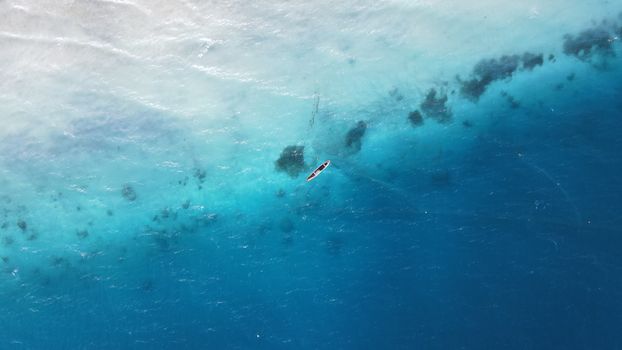
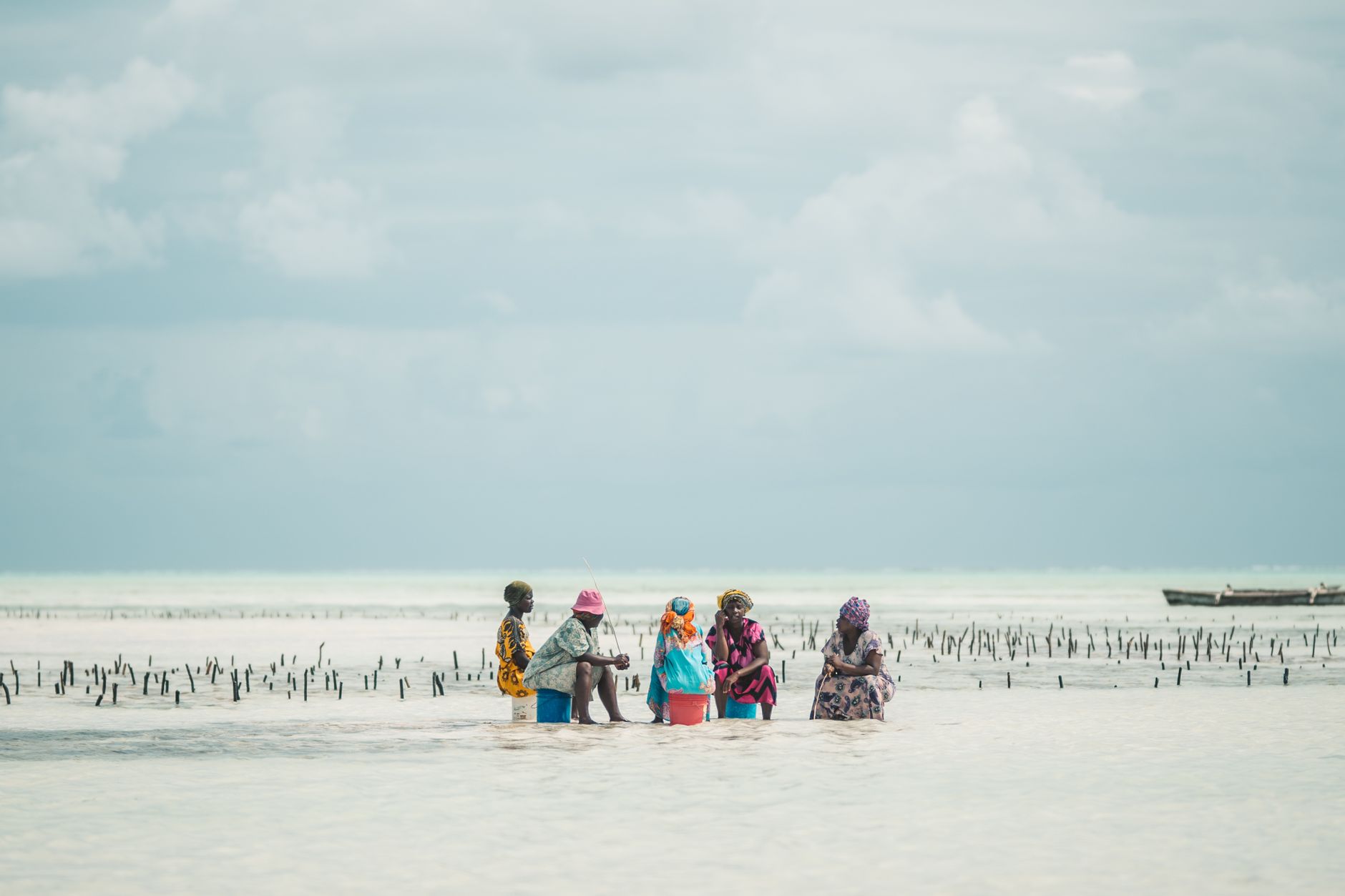
I stepped off the wooden dhow into knee-deep turquoise water, the Indian Ocean surprisingly warm against my ankles. The air didn’t just smell like salt; it smelled like life—that pungent, mineral-rich aroma of drying agar-agar and sun-baked brine. In Paje, Zanzibar, the horizon isn't just a view; it’s a workplace. I watched a group of women, draped in vibrant kangas that defied the blinding white sand, stoop over wooden stakes tied with nylon lines. They weren't just farming; they were rewriting the economic script of their village.
Seaweed farming is no longer a hidden industry. It is the frontline of regenerative travel. If you’re tired of "take only photos" tourism and want "leave a positive impact" experiences, these seven seaweed farming tours are the gold standard.
---
1. The Mamas of Paje: Zanzibar’s Seaweed Center
In Zanzibar, seaweed is the third-largest export, and the industry is almost entirely female-led. The Seaweed Center in Paje offers a raw, unfiltered look at this labor-intensive world. You aren't just watching from a pier; you’re in the water, learning how to tie "seeds" (small pieces of seaweed) to lines.
- The Experience: You’ll join the Mamas during low tide. It’s back-breaking work, but the camaraderie is infectious. Afterward, you head to the processing center to see how that slimy green mass transforms into high-end organic soaps and essential oils.
- Pro-Tip: Don’t just buy the soap. Try the seaweed juice at the onsite cafe. It’s spiked with lime and ginger and is the ultimate hydration hit after an hour in the sun.
- The Insider Detail: Look for the "Mwani" label. It’s the local term for seaweed and signifies a product that directly benefits the women’s cooperative.
2. The Kelp Cowboys of Casco Bay: Maine, USA
Maine’s rugged coast is trading lobster traps for kelp lines. In places like Portland and Casco Bay, companies like Heritage Seaweed and Atlantic Sea Farms are leading a "Blue-Green" revolution.
- The Experience: These tours are often boat-based. You’ll head out on a refurbished lobster boat to see the massive 100-foot lines submerged in the frigid North Atlantic. It’s a masterclass in carbon sequestration. You’ll see how sugar kelp grows at an incredible rate in the winter months.
- Pro-Tip: Visit in late spring (April/May) for the harvest season. This is when you can see the "wet" kelp being hauled in—it looks like translucent brown silk.
- The Insider Detail: The hidden entrance to the best kelp tasting room in Portland is located in a converted shipyard in the East End. Ask for the "Kelp Kimchi" fermented on-site.
3. The Seaweed Baths of Strandhill: County Sligo, Ireland
Ireland has a centuries-old relationship with Laminaria digitata. While foraging is popular, the Voya Seaweed Baths in Strandhill take it to a luxurious, community-integrated level.
- The Experience: Start with a guided foraging walk along the Wild Atlantic Way with a local herbalist. You’ll learn to identify "Pepper Dulse"—the truffle of the sea. End the day submerged in a clawfoot tub filled with hand-harvested, steamed seaweed. The oils released are incredibly high in iodine and magnesium.
- Pro-Tip: Book your bath for sunset. The treatment rooms overlook the crashing Atlantic rollers, and the steam creates a cinematic glow.
- The Insider Detail: The best "Dulse" is found after a spring tide. Look for the dark, reddish-purple fronds clinging to the lower shore rocks.
4. The High-Tech Hub of Wando Island: South Korea
If you want to see the future of global food security, go to Wando. South Korea produces a staggering amount of the world’s edible seaweed, and Wando is the undisputed capital.
- The Experience: This is less "toiling in the mud" and more "industrial marvel." You can tour the Wando Seaweed Expo grounds and take boat tours through the "forests" of floating buoys. The scale is breathtaking—miles of perfectly aligned grids stretching into the horizon.
- Pro-Tip: Visit the Wando Tower first to get a bird’s-eye view of the farming grids before heading down to the docks.
- The Insider Detail: Try Gim-bugak (seaweed crackers) sold by the street vendors near the ferry terminal. They use a specific rice-paste coating that makes them crunchier than anything you’ll find in a grocery store.
5. The Hidden Plots of Nusa Penida: Bali, Indonesia
While everyone else is queuing for a photo at Kelingking Beach, head to the north coast of Nusa Penida. Here, the traditional seaweed farming culture is fighting for a comeback after the tourism hiatus of the last few years.
- The Experience: The farms here are visible from the shore at low tide—bright green patches against the deep blue. Local families often offer informal tours where you can help spread the seaweed out on large tarps to dry in the sun.
- Pro-Tip: Wear sturdy water shoes (neoprene socks are best). The coral rubble and sea urchins are no joke.
- The Insider Detail: The best time to photograph the farms is at 7:00 AM. The light hits the drying racks at a low angle, making the seaweed look like glowing emeralds.
6. The Hebridean Kelp Forests: Isle of Skye, Scotland
In the shadows of the Cuillin mountains, seaweed harvesting is a heritage craft being modernized. Companies like Shore work with local harvesters to create sustainable snacks.
- The Experience: Join a "Seaweed Safari." It’s a rugged, wind-swept experience where you’ll learn about the historical use of seaweed as fertilizer (lazy beds) and its current role in high-fashion textiles and bioplastics.
- Pro-Tip: Bring a high-quality raincoat. Even in summer, the Isle of Skye "mist" (horizontal rain) is a constant companion.
- The Insider Detail: The "Blue Door" in Edinbane leads to a small craft studio where they experiment with seaweed-based dyes for wool. It’s not on the main tourist maps.
---
Quick Facts: Logistics & Budget
| Destination | Best Time to Visit | Estimated Cost (Tour) | How to Get There |
| :--- | :--- | :--- | :--- |
| Zanzibar | June - October | $30 - $50 | Taxi from Stone Town to Paje (1 hour). |
| Maine, USA | May - June | $75 - $150 | Fly into Portland (PWM); tours depart from the Old Port. |
| Sligo, Ireland | April - September | €40 - €100 | Train from Dublin to Sligo; local bus to Strandhill. |
| Wando, S. Korea | Year-round | $20 - $60 | KTX Train to Mokpo, then a 1-hour bus to Wando. |
| Bali, Indonesia | May - September | $15 - $30 | Fast boat from Sanur to Nusa Penida. |
| Skye, Scotland | June - August | £50 - £90 | Drive from Inverness or take the bridge from Kyle of Lochalsh. |
---
Why These Tours Are Worth Considering
We are currently in the midst of a global shift toward Regenerative Tourism. These aren't just "tours"; they are economic lifelines.
1. Carbon Sequestration: Seaweed grows up to 30 times faster than land plants, absorbing massive amounts of CO2.
2. Economic Empowerment: In places like Zanzibar and Indonesia, seaweed provides a stable income for women, allowing for better education and healthcare for their children.
3. Culinary Innovation: You haven't tasted "umami" until you’ve eaten sugar kelp straight from the North Atlantic.
---
The Verdict
If you want to be the traveler who talks about "that one time I waded through the Indian Ocean to plant carbon-capturing crops," then seaweed farming tours are your next move. They are gritty, salty, authentic, and profoundly important. Don't just see the world—help grow it.