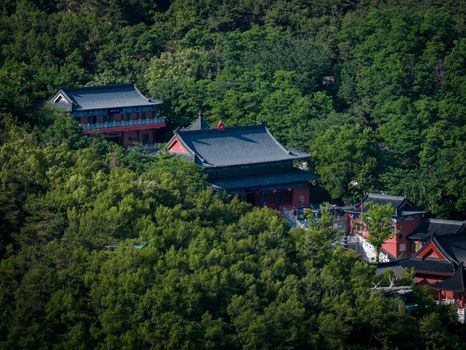
The Mist, The Mountain, and The Master
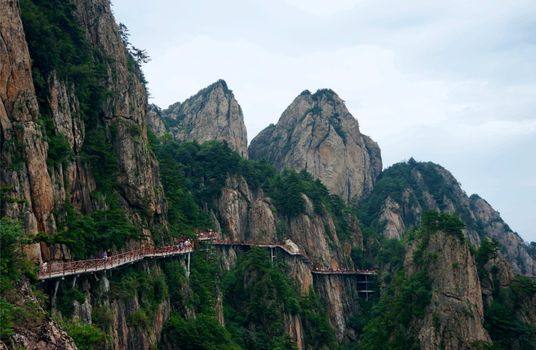
I stepped off the overnight train at Shiyan station, the air thick with the scent of roasted chestnuts and diesel exhaust. My destination wasn’t a five-star resort; it was the vertical limestone spires of the Wudang Mountains. As I climbed the 500th stone step toward the Purple Cloud Temple, the smell shifted—suddenly, it was all sandalwood incense and damp earth. I watched an elderly man in faded blue robes move with a fluidity that defied physics. He wasn’t just exercising; he was manipulating the very air around him.
That was my introduction to the world of high-level Qi Gong. For years, these lineages were gatekept, passed only from father to son or master to "indoor" disciple. But the world is changing. Today, a handful of legendary Qi Gong masters accepting foreign students travel advisors suggest have opened their temple doors to those willing to put in the sweat equity.
1. The Wudang Warrior: Master Yuan Xiu Gang
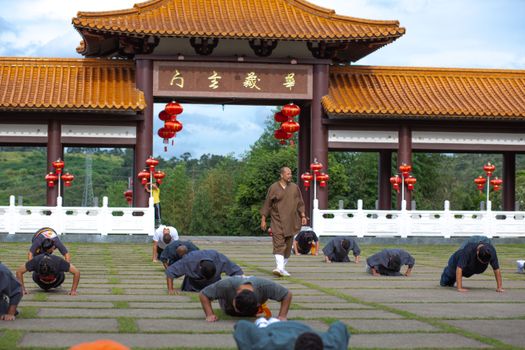
If you want the quintessential "Crouching Tiger, Hidden Dragon" experience, you go to Wudang. Master Yuan Xiu Gang is a 15th-generation disciple of the Wudang Sanfeng Lineage. Unlike many masters who struggle with the cultural divide, Master Yuan spent years specifically tailoring his pedagogy for Western minds without diluting the ancient "Internal Alchemy."
- The Vibe: High-intensity, disciplined, and deeply spiritual. You aren't just learning movements; you’re learning the Daoist philosophy behind them.
- The Focus: Wudang Xuan Gong and Taiji Quan.
- Pro-Tip: Don't just show up. Email his academy (Wudang Daoist Traditional Kung Fu Academy) at least three months in advance. They offer long-term programs that provide the necessary paperwork for a student visa.
2. The Shaolin Modernist: Master Shi Heng Yi
While the Shaolin Temple in Henan can sometimes feel like a martial arts theme park, Master Shi Heng Yi (headmaster of the Shaolin Temple Europe in Germany) is the master travel advisors suggest for those who can't make it to deep China but demand 100% authenticity. His YouTube presence has gone viral, but his in-person "Shaolin Spirit" retreats are where the real transformation happens.
- The Vibe: No-nonsense, physically demanding, and intellectually stimulating.
- The Focus: Yi Jin Jing (Muscle/Tendon Change Classic) and Ba Duan Jin.
- Pro-Tip: His retreats in Otterberg sell out in minutes. Sign up for the newsletter and have your credit card ready the second slots drop.
3. The Urban Alchemist: Master Zhang in Beijing
For travelers who need a bit more "city" with their "Qi," Master Zhang (operating near the Temple of Heaven) is a hidden gem. He specializes in Medical Qi Gong, focusing on the flow of Qi through the meridians to heal chronic ailments.
- The Vibe: Relaxed but precise. You’ll practice in public parks alongside locals, which is the most authentic way to experience Chinese "park culture."
- Inside Language: Ask him about "Sinking the Qi to the Dantian." If he sees you understand the vocabulary, he’ll show you the "closed-door" variations of the movements.
- The Hidden Entrance: He often meets students at the East Gate of the Temple of Heaven at 7:30 AM. Look for the group not wearing flashy uniforms—they’re the real deal.
4. The Yunnan Healer: Master Hu (Dali City)
Dali is the "digital nomad" capital of spiritual China. Here, Master Hu offers a softer, more meditative approach to Qi Gong. This is less about combat and more about Neigong (internal work).
- The Vibe: Bohemian, chilled, and incredibly scenic. Training often happens overlooking Erhai Lake.
- The Focus: Five Elements Qi Gong and Standing Meditation (Zhan Zhuang).
- Pro-Tip: Stay in the "Old Town" but rent an e-bike to get to his studio in the foothills of the Cangshan Mountains. The air quality here is the best in China.
5. The Lineage Keeper: Master Zhong Yun Long
As the former Abbot of the Purple Cloud Temple, Master Zhong is the "Master of Masters." While he is often busy with official duties, he occasionally accepts small groups of foreign students for intensive "Internal Alchemy" seminars.
- The Vibe: Extremely formal. This is high-level stuff for those who already have a foundation in martial arts.
- The Logistics: You’ll likely need a translator, though his senior students speak English.
- Pro-Tip: Bring a small, high-quality gift from your home country (like local honey or artisanal tea) to present during your first meeting. It’s a traditional sign of respect.
Quick Facts & Logistics
| Feature | Wudang (Master Yuan) | Shaolin Europe | Beijing (Master Zhang) | Dali (Master Hu) |
| :--- | :--- | :--- | :--- | :--- |
| Estimated Cost | $800 - $1,200/month | €1,200/week (Retreat) | $50/session | $400 - $600/month |
| Best Time | April - June / Sept - Oct | Year-round | May or September | Year-round (Spring-like) |
| Accommodation | On-site (Basic) | On-site (Dorm/Private) | Local Hotels/Airbnbs | Guesthouses |
| Difficulty | Hard (Physically) | Very Hard | Moderate | Gentle/Meditative |
How to Get There & What to Pack
* The Visa: For China, you’ll typically need an L (Tourist) visa or an X2 (Short-term Student) visa. If you're staying at an academy, they will provide an invitation letter.
* The Gear: Forget the flashy polyester "Kung Fu" suits sold on Amazon. Authentic practitioners wear breathable cotton or linen.
* The Shoes: Buy a pair of Feiyue shoes once you arrive in China. They cost about $10 and are the gold standard for grip and flexibility.
* The Language: Download the Pleco app with the medical/martial arts add-on. Knowing the Chinese names for "Kidney Meridian" or "Microcosmic Orbit" will earn you instant respect.
Why This Matters Now
In a world of burnout and digital overload, the "Qi Gong masters accepting foreign students travel advisors suggest" are offering more than just a workout. They are offering a recalibration of the nervous system. I remember sitting in a courtyard in Wudang after a four-hour training session. My legs were shaking, but my mind was the quietest it had been in a decade. That clarity is why we travel. That’s why we seek the masters.
*