The Crunch That Changed Everything
I stepped off the wooden footbridge in Secovlje, Slovenia, and immediately felt the bite of dry, mineral-laden wind on my face. Beneath my boots, the ground didn’t just crunch; it crackled like thin glass. Before me lay a geometric labyrinth of shallow, mirror-like pools reflecting a violet Adriatic sunset.
But I wasn't there for the view. I was there to taste the "flower of salt"—Fleur de Sol—plucked straight from the water's surface by a third-generation salt pan worker named Matej. He handed me a tiny, snowflake-like crystal on the tip of a wooden paddle.
I placed it on my tongue. It didn't burn with the harsh, chemical sting of standard table salt. Instead, it bloomed with a delicate, sweet brininess, followed by a distinct mineral finish that tasted unmistakably of wild fennel and cold sea clay.
This isn't just seasoning; it’s terroir in its purest, most crystalline form.
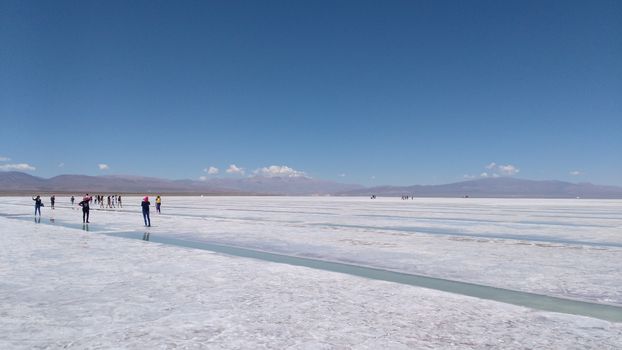
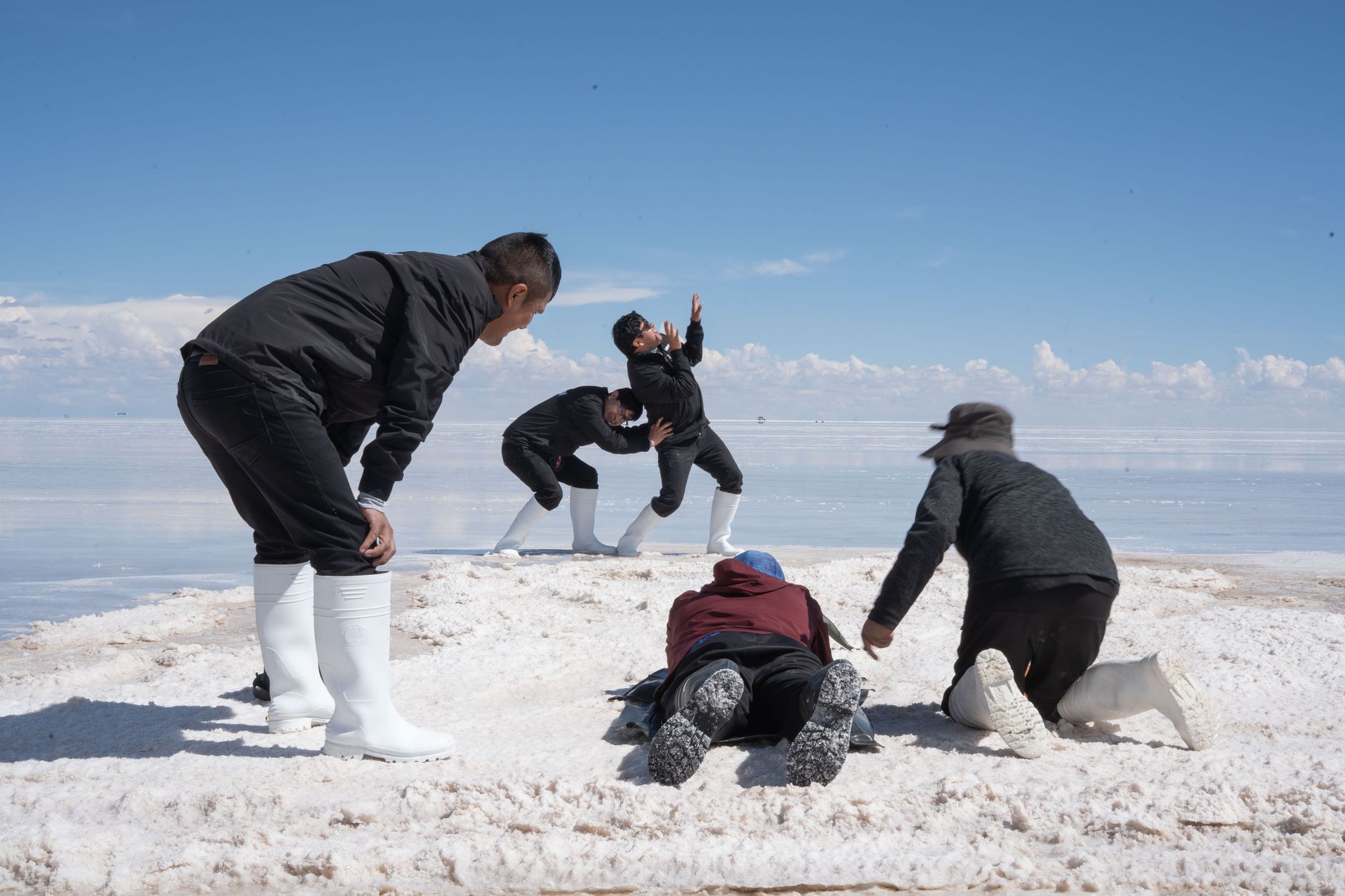
Across the globe, a quiet revolution is happening. Travelers are bypassing traditional wine routes and crowded food markets to seek out the source of the world’s finest finishing salts. These are the salt flats where gourmet salt is harvested emerging this year as the ultimate destinations for culinary purists.
---
1. Secovlje Salina, Slovenia: The Adriatic’s Living Museum
```
[ Adriatic Sea ]
|
[ Lera Basin ] ---> (Modernized harvesting)
|
[ Fontanigge ] ---> (700-year-old ruins & active petola cultivation)
```
Most travelers head to Slovenia for its emerald rivers or alpine lakes, but the real magic lies on its tiny strip of Adriatic coastline. In the Secovlje Salina Nature Park, salt is still harvested using a meticulous 700-year-old method inherited from the Venetians.
The Secret of the Petola
What makes the salt here so prized by European pastry chefs is a secret muddy crust called petola. This is a cultivated, bio-sediment layer of blue-green algae, gypsum, and clay that sits at the bottom of the salt pans.
The salt harvesters (solinars) carefully manage this layer throughout the winter. When the summer sun evaporates the sea water, the petola prevents the salt from mixing with the dark mud below, keeping the crystals snow-white and exceptionally rich in marine minerals.
- The Taste Profile: Light, flaky, with a subtle sweetness and a high concentration of magnesium.
- Pro-Tip: Walk past the main visitor center and head to the northern section called Lera. Look for the small, unmarked wooden shack near the canal—this is where the harvesters take their afternoon espresso breaks, and if you ask nicely, they’ll show you the vintage wooden scrapers (gavero) they use to skim the salt.
---
2. Salinas de Maras, Peru: The Pink Terraces of the Incas
High in the Sacred Valley of the Incas, far from the ocean, lies a visual marvel that defies logic. Over 3,000 terraced, pale-pink pools cling to the side of the Qaqawiñay mountain.
These pools are fed by a single, subterranean spring called Qoripujio, which flows with warm, hyper-saline water. The water is channeled into the hand-carved terraced ponds, which average less than four inches deep. As the intense Andean sun beats down, the water evaporates, leaving behind a thick crust of pale pink, mineral-rich salt.
```
[Underground Hot Spring (Qoripujio)]
|
v
[3,000 Terraced Pools] <--- (Sun Evaporation)
|
v
[Hand-Harvested Pink Salt]
```
Navigating the Co-Op
Unlike municipal salt flats, Maras is owned collectively by local families. Each family manages a specific number of pools, a tradition passed down since pre-Inca times.
- The Taste Profile: Earthy, robust, with a sharp, complex crunch that pairs beautifully with grilled meats and dark chocolate.
- Pro-Tip: Due to overtourism damaging the fragile clay dikes, visitors are no longer allowed to walk between the individual pools. To get the best view without the crowds, hire a local taxi to take you to the lesser-known viewpoint on the dirt road leading toward Tarabamba, rather than the main tourist platform.
---
3. Kampot Salt Fields, Cambodia: The Rising Phoenix
Kampot is globally famous for its pepper, but its coastal salt fields are the culinary world’s best-kept secret. Located along the Gulf of Thailand, these fields rely on clay-heavy soils and brutal dry-season heat.
The salt fields of Kampot are seasonal. During the wet season, they are flooded with river water for farming; during the dry season (January to April), seawater is pumped in from the ocean. The resulting salt flakes are incredibly dense and packed with natural iodine.
The Women of the Fields
The harvesting process here is grueling. Workers, mostly local women wearing traditional conical hats and protective footwear, scrape the salt into massive conical mounds before transporting it in heavy bamboo baskets to wooden storage barns.
- The Taste Profile: Intensely savory, with a slow-melting texture and a clean, oceanic finish.
- Pro-Tip: Visit at 6:30 AM. Not only is the heat bearable, but the morning light hitting the perfectly still water creates a flawless, double-image reflection of the sky that is a dream for photography. The best access point is along the dirt road just south of the Fish Market restaurant.
---
4. Guérande, France: The Cradle of Fleur de Sel
No guide to gourmet salt would be complete without the salt marshes of Guérande in Brittany. This is the birthplace of Fleur de Sel (the flower of salt), the delicate, violet-scented crystals that form on the surface of the water on hot, windy afternoons.
The harvesters here, known as paludiers, use a long, flexible wooden rake called a las to gently skim the top layer of salt before it sinks to the bottom of the clay basin. The salt that sinks is harvested as Gros Sel (gray salt), which gets its color and high iron content from the underlying clay.
```
[ Sea Water Inflow ]
|
[ Clay Basin Bottom ] ---> Absorbs minerals -> Harvested as Gray Salt (Gros Sel)
|
[ Water Surface (Windy Day) ] ---> Forms delicate crystals -> Skimmed as Fleur de Sel
```
The Culinary Gold Standard
What makes Guérande salt unique is its moisture content. It is never dried or processed, meaning the crystals retain a slight dampness that allows them to melt slowly on hot food, releasing bursts of clean, mineral flavor over time.
- The Taste Profile: Velvety, moist, with a subtle aroma of violets and a clean, non-bitter finish.
- Pro-Tip: Skip the crowded commercial tours in the town of Guérande. Instead, head to the tiny hamlet of Saillé. There, you’ll find independent paludiers selling salt directly from their garages at a fraction of the boutique price.
---
5. Trapani, Sicily: Windmills and White Gold
Along the western coast of Sicily, stretching from Trapani to Marsala, lies the Via del Sale (The Salt Road). Here, red-roofed, historic windmills stand sentinel over vast salt pans that have been active since the Phoenicians ruled the Mediterranean.
The windmills were historically used to pump seawater between the basins and to grind the harvested salt. Today, while some are preserved as museums, others still function, powered by the fierce Sicilian winds.
The Harvest Festival
If you visit in late August or September, you’ll witness the raccolta (harvest). Men sing traditional sea shanties as they shovel the salt into massive piles, which are then covered with terracotta tiles to protect them from autumn rains.
- The Taste Profile: Crisp, highly soluble, with a bright, sunny saltiness and high concentrations of potassium and fluorine.
- Pro-Tip: Book a table at Ristorante Trattoria del Sale, located inside an old salt mill. Order the Busiate Trapanese (local pasta with almond and tomato pesto) sprinkled with freshly harvested salt while watching the sunset over the windmills.
---
Logistics & Travel Planner
To help you plan your culinary pilgrimage, here is a quick-reference guide to the world’s prime emerging salt destinations:
| Destination | Best Time to Visit | Est. Daily Cost ($) | Signature Salt Product | How to Get There |
| :--- | :--- | :--- | :--- | :--- |
| Secovlje, Slovenia | June – September | $110 - $150 | Solni Cvet (Flower of Salt) | Fly to Ljubljana; drive 1.5 hours southwest to the coast. |
| Maras, Peru | May – October | $45 - $80 | Sal Rosada de Maras (Pink Salt) | Fly to Cusco; take a private collectivo taxi into the Sacred Valley. |
| Kampot, Cambodia | January – April | $30 - $60 | Kampot Sea Salt Flakes | Take a 3-hour private car or train south from Phnom Penh. |
| Guérande, France | June – August | $140 - $200 | Fleur de Sel de Guérande | Take the TGV train from Paris to Saint-Nazaire, then rent a car. |
| Trapani, Sicily | July – September | $90 - $140 | Sale Marino di Trapani | Fly into Palermo; drive 1 hour west along the scenic coastal highway. |
---
The Connoisseur’s Toolkit: How to Buy and Store Gourmet Salt
When you are on the ground at these salt flats, it’s easy to get swept up in the moment and buy bags of salt that will simply lose their character in your pantry. To keep your gourmet salt in pristine condition, follow these rules:
- Check the Moisture: High-quality sea salts (especially Fleur de Sel) should feel slightly damp to the touch. If it’s bone-dry and powdery, it has likely been heavily processed or stored poorly.
- Avoid Metal Containers: The residual moisture and high mineral content in gourmet salts will quickly corrode metal tins, ruining both the container and the salt's flavor. Store your salt in unglazed ceramic jars, olive wood salt cellars, or glass containers.
- Know Your Salts:
- Finishing Salt (Fleur de Sel, Pink Salt): Add only right before serving. Heat destroys their delicate, flaky structure.
- Coarse Salt (Gros Sel, Trapani Coarse): Use for salting pasta water, roasting whole fish in a salt crust, or curing meats.
---
The Final Grain
In a world of mass-produced, chemically stripped food additives, these emerging salt flats represent something rare: a direct, unadulterated connection to the earth and sea.
The next time you plan a journey, look beyond the standard culinary capitals. Follow the wind, the sun, and the shimmering white horizons to the places where water turns to gold. Your palate will thank you.
---